Author: Casino Connection Staff

Arizona House to Consider Sports Betting Deal

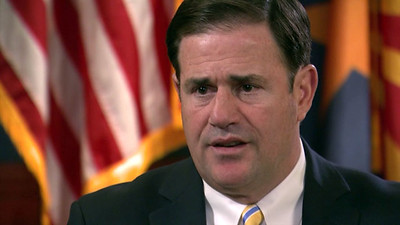
The Arizona House has begun considering a deal that would allow sports betting at tribal casinos and site owned by pro sports teams. The deal was negotiated with Arizona’s tribes by Governor Doug Ducey.

Online bets, wagers on fantasy sports and some Keno at off-track betting locations and social clubs would also be allowed.

It updates the existing tribal state gaming compacts with Arizona’s tribes while extending them for another 20 years. Ducey first alluded to it during his state of the state address when he announced, “an opportunity for a modernized gaming compact that will bring in more revenue for our tribal nations and our state budget.”

What makes this different sports from betting legislation in other states is the section allowing teams such as the Arizona Diamondbacks to operate sportsbook retail at their arenas, online and for a quarter mile around. Ten such licenses would be issue and could include professional golf or NASCAR.

Tribes would get 10 such licenses and each of the two dozen tribal casinos could also offer sportsbooks.

The deal Ducey reached also allows the tribes to build new casinos and to add new table games such as baccarat and craps.

Senator T.J. Shope, a sponsor of one of the bills, told Arizona Capitol Times that expanding gaming would give fans something to do after watching spring training or golf.

“For that person that is interested in doing something in the afternoon and evening when the ballgame’s over, they’re going to be able to go ahead and have that option,” he said.

On sports betting Shope said, “The ease of being able to do it by phone is something that is definitely a desire from I think the average person that does this sort of stuff.”

He also defends the provisions that would benefit social clubs and service organizations, whose memberships are declining as younger generations choose not to join them.

“That’s why you see memberships in all these groups dwindling,” he said. Shope said he’s willing to help out—and give them the exclusive right to make money off of keno—because “they do a lot of good for the community.”

Bally’s, Caesars Acquire DFS Companies

Casino companies are moving beyond acquiring stakes in sportsbooks. They’ve set their sights on daily fantasy sports.

To that end, Bally’s Corp. purchased privately-held Monkey Knife Fight, in an all-stock deal worth $90 million. For the Rhode Island-based gaming company, the acquisition adds another element in a push to increase its assortment of casino and online sports betting avenues.

Bally’s becomes the third U.S. company to have a daily fantasy sports component, along with DraftKings and FanDuel. But the latter two control 85 percent of the market.

“We are pleased to enter into the high-growth (daily fantasy sports) market,” said George Papanier, Bally’s president and CEO. “Monkey Knife Fight is a unique asset that we look forward to incorporating into Bally’s constantly growing omnichannel portfolio of land-based casinos and iGaming platforms. The acquisition will lead to Bally’s developing new and engaging content with MKF for its customers.”

Monkey Knife Fight, which also offers e-sports, operates in 37 states, with 180,000 registered users and 80,000 depositors. The firm, the official partner of the NFL Players Association, will support Bally’s plans to develop a potential customer database in states with no sports betting yet such as California, Florida and Texas, as well as in Canada. SponsorUnited ranked MKF the sixth most-searched and 10th fastest-growing brand in sports and entertainment.

MKF founder and CEO Bill Asher said the company has grown through “strategic partnerships with teams, ownership groups, and players unions.”

The deal is expected to close in the first quarter of 2021.

Monkey Knife expects to produce $30 million in annual revenue for Bally’s.

In other Bally’s news, the company has partnered with Sinclair Broadcast Group Inc., a move that would combine Bally’s sports betting technology with Sinclair’s footprint, including 188 local broadcast stations, 19 owned and operated RSNs, STIRR, Tennis Channel and Stadium.

The deal replaces Fox on Sinclair’s 21 regional sports networks.

Truist Securities gaming analyst Barry Jonas told investors the transaction expands Bally’s portfolio but also helps the Sinclair deal by offering daily fantasy “into markets where sports betting isn’t yet legal and or Bally’s doesn’t currently have a presence.”

As part of the process, Sinclair and Bally’s Corp. revealed the new Bally Sports logo and Bally Sports regional monikers. The Bally logos will replace the existing FOX Sports regional logos when the networks officially rebrand in the coming months.

“We are extremely proud to unveil the Bally Sports logo as it signifies a new, transformative chapter in the regional sports business and is representative of our cohesive partnership with Bally’s,” said Steve Rosenberg, president of local sports for Sinclair.

The Bally’s Sports logo features the iconic red Bally’s script atop a red sports typography. The logo also serves as the foundation for the RSN logos by positioning the global logo above a prominent red banner with the corresponding geographic name overlaid in white.

“We look forward to integrating Bally’s unique content, including the award-winning daily fantasy sports platform we are acquiring from Monkey Knife Fight, across Sinclair’s live game day coverage and providing unrivaled sports gamification on a national scale,” Papanier said.

As part of the rebrand, Prime Ticket becomes Bally Sports SoCal, and Sports Time Ohio becomes Bally Sports Great Lakes.

Caesars Entertainment, Inc. also invested in the daily fantasy sports platform, In this case, SuperDraft, Inc. The deal assists Caesars’ mobile sports and gaming network’s effort to strengthen its customer acquisition and retention for both online and retail. SuperDraft compliments Caesars mobile sports betting network and increases access to customers for traditional casinos and online offerings, according to CDC Gaming Reports.

The investment gives Caesars a minority equity position but one with an option to increase its stake over time up to 100 percent. At the same time, the partnership elevates SuperDraft’s standing in the daily fantasy sports industry.

“The addition of daily fantasy sports fits seamlessly with our strategic vision for mobile and online sports,” said Tom Reeg, CEO of Caesars Entertainment, Inc. “SuperDraft’s innovative multiplier game mode is unique in the marketplace, and we believe it offers a tremendous opportunity to strengthen our position in the sports gaming landscape.”

SuperDraft has a presence in 35 states with 7 professional sports appealing to casual and experienced players. The company will become part of Caesars’ online brands such as World Series of Poker, Caesars Online Casino, and, soon, William Hill, according to CDC Gaming Reports.

“We’re super excited to be part of Caesars’ powerful gaming ecosystem,” said Steve Wang, CEO and founder of SuperDraft Inc. “Daily fantasy players deserve a breath of fresh air, and we’re here to transform the industry. SuperDraft is now well-positioned to accelerate its growth with financial staying power while broadening its consumer appeal with bigger contests and better rewards to players of all interest levels.”

To celebrate, SuperDraft will inaugurate a $1 million tournament on February 7, Super Bowl Sunday. Each day, both free and paid players will have the opportunity to collect a winning ticket and compete for $300,000, $100,000 and $20,000.

SuperDraft expects to be tied to the Caesars Rewards program that will permit players to credits redeemable for rewards and experiences online or at one of Caesars casino resorts nationwide.

“Caesars is a strong strategic partner that will allow us to further enhance our industry-leading tech stack and provide an enhanced player-first experience,” said Nate Hunter, SuperDraft CTO and Co-Founder.

Georgia House Committee OKs Sports Betting Measure

The Georgia House Economic Development and Tourism Committee recently voted 20-6 to approve House Bill 86, which would legalize on-site and online sports betting and direct tax revenue to the state lottery. The bill has been sent to the full House for further debate.

Under the proposal, the Georgia Lottery Corp. would regulate sports betting and grant six licenses to operators. The annual licensing fee would be $900,000. Revenue would be taxed at 14 percent. Committee Chairman Ron Stephens said even at a 10 percent, the HOPE scholarship program could receive $42 million a year.

Stephens said the bill would require bettors to be at least 21 years of age. It would prohibit betting on college or high school sports, as well as on certain events like injuries.

Some state government lawyers have questioned whether a constitutional amendment would be required to legalize sports betting. An amendment would need the approval of two-thirds of each legislative chamber and a majority of voters.

Stephens said state Senator Jeff Mullis is expected to file a bill in the Senate proposing a 10 percent tax rate and allowing wagering on collegiate sports. That legislation has not yet been filed.

Atlanta’s four major league professional sports teams support the measure. Stephens noted the teams haven’t been able to fill stadiums due to Covid-19. “It’s for fan participation. As I said earlier, the stands are empty. They believe that fan engagement is what sports betting is all about,” he stated.

In addition, he noted an American Gaming Association study said millions of Georgians place billions of dollars in illegal sports bets each year. “We can legitimize it, if you will, through the lottery. If you’re going to do it offshore, why don’t we collect the revenue here in Georgia?” Stephens said.

Opponents, such as Georgia Baptist Mission Board spokesman Mike Griffin, said state-sponsored gambling encourages addiction and other social problems. Griffin stated, “They should think this is terrible because it’s going to accentuate everything that’s negative about predatory gambling. All this is going to do is prime children to get ready to gamble one day.”

Missouri Lawmakers Debate Sports Betting Bills

At a recent committee hearing, Missouri state Senators recently debated and expressed conflicting viewpoints about details of bills that would legalize sports betting.

For example, state Senator Caleb Rowden’s Senate Bill 256 would tax sports wagering revenue at 6.75 percent, tying Iowa for the lowest rate in the U.S. Rowden said, “In my view, there’s really not much of a reason not to do it at this point. It’s already happening. We might as well legalize what’s already happening and make a little money off of it.”

However, state Senator Denny Hoskins, sponsor of another sports betting measure, Senate Bill 18, said the tax rate under Rowden’s bill is too low. “I just believe that we’re leaving a little bit too much money on the table for education,” Hoskins said. His bill would tax sports betting revenue at 9 percent, compared to Missouri’s 21 percent tax rate on casino revenue.

Mike Winter, executive director of the Missouri Gaming Association, said he believed SB 256 would establish the proper framework for moving forward on sports betting in the state. “All this is taking place illegally. We’re trying to drive it out of the illegal market and bring it into a legal, regulated environment where we can be assured that bets are handled properly, consumers are treated fairly and those who have issues with gambling cannot participate,” he said.

Hoskins said a major concern is guarding against youth betting, therefore strict safeguards would be implemented under his bill. “There are 3.4 million cell phones in the state, plus any computer, plus any iPad, so basically, this would be the biggest expansion of gambling in the history of the state of Missouri,” he noted said. Winter assured the committee that identity verification would be in place to prevent anyone who is under age from creating an account or gambling.

State Senator Tony Luetkemeyer introduced another sports betting measure, SB 217. It’s similar to SB 256 but would tax sports wagering revenue at 6.25 percent, which would be the lowest in the U.S. It also would require the use of official data from sports leagues. Luetkemeyer explained, “Consumers deserve to know that their bets are being settled using reliable, verified information directly from the leagues and distributed real-time to mitigate the risk of incorrect results for consumers. In the absence of this, consumers would have to rely on data that is pirated, web scraping or collected covertly in stadiums.”

Testifying against SB 217, Winter said the bill was good for sports leagues at the expense of state regulators, because the governing bodies of the sports leagues would hold a lot of power.

Representatives from the Kansas City Chiefs, St. Louis Cardinals and St. Louis Blues spoke in support of both Rowden’s and Luetkemeyer’s bills.

Sports Betting Bill Introduced In Kansas

In a third attempt to allow sports betting, the Kansas Senate Federal and State Affairs Committee recently filed a bill to legalize sports wagering in the state.

SB 84 would allow each of the state’s four commercial casinos to offer an on-site commercial sports book and to partner with up to three online betting operators. Tribal casinos also would be allowed to renegotiate their gaming compacts to offer retail wagering facilities and the Kansas City Motor Speedway also could open a designated sports betting area for online wagering but could not open an on-site sportsbook.

Retail sportsbook revenue would be taxed at 7.5 percent and online sports betting revenue at 10 percent. Both rates are below the median rate charged in the two dozen states with legal sports wagering. The bill did not mention any initial or annual license renewal fees. The state would not require any payments for official league data. Bettors, who must be at least 21 years of age and physically located within state lines, could wager on college and professional sports, including Kansas college sports teams. The bill does not spell out whether registration must be in person or could be done online. It also would create a voluntary sports betting self-exclusion list. Regulators would be required to finalize draft rules and regulations on or before October 31, 2021.

The bill is similar to one that was introduced in 2020 but didn’t pass because lawmakers were focused on Covid-19. Observers said this year’s version has a better chance of passing because it could generate revenue to help fill the budget gap caused by Covid-19. Also, Kansas is under pressure to pass sports betting legislation because of Colorado’s success and the possible passage of sports wagering measures in Missouri and Nebraska.

Democratic Governor Laura Kelly has voiced support for legalized sports betting. However, before she could sign the bill into law, it would have to pass both chambers where Republicans hold super-majorities. Religious and social conservatives also could challenge any expansion of gambling in the state.

Minnesota Lawmakers Sponsor Sports Betting Measure

In Minnesota, state Senator Karla Bigham and state Rep. Pat Garofalo are co-sponsoring a bill allowing tribal casinos to offer on-site sports wagering for the first year, then mobile betting for participants who sign up for an account at a casino. Bigham said, “Sports betting is already done flagrantly and it’s time to shine some light on it, put some guardrails around it, protections around it and quite honestly we need to legalize it. If that state makes a few bucks while we’re at it, good for us.”

Revenue would be taxed at 6 percent for on-site betting and 8 percent for online wagering. The funds would be directed to the state’s general fund, with 0.5 percent going to problem gambling services. Bigham and Garofalo said the new tax revenue would benefit the state, but “the big win” would be to provide consumer protections to individuals who already are gambling through offshore websites or illegal underground operations.

Minnesota’s tribal nations oppose the legislation. So do some top legislators even though Bigham and Garofalo pointed out the revenue from sports betting could help close the $1.3 billion budget gap. Democratic Governor Tim Walz said he’d be open to sports betting legislation but Republican Senate Majority Leader Paul Gazelka stated passage is unlikely. He noted, “Any major policy item that has a lot of disagreement I don’t foresee happening this year. But in addition, many of us just don’t think it’s the right thing to do for Minnesota.”

FireKeepers Michigan Adds Mobile Book

Online gaming is now live in Michigan, and FireKeepers Casino Hotel in Battle Creek has plans to introduce a branded app to its retail sportsbook sometime this month.

The Michigan Gaming Control Board approved a launch of those betting apps last month, reported the Battle Creek Enquirer.

“We look forward to carrying over our award-winning casino offering to the online realm, building upon the success of our award-winning casino,” said Jim Wise, vice president of marketing and sports and online gaming. “We appreciate the players who visit FireKeepers, and these guests deserve the same level of rewards and service in the iCasino world.”

Until its mobile app and website are operational, FireKeepers is offering a special bonus of up to $200 in online credit to Red Hot Rewards Club members who are anticipating the start of iGaming, the Enquirer reported.

“We were the first tribal operation to open an on-premises book and now we are a few weeks away from being able to open our iGaming and iCasino options. But what we wanted to do until then, was reward our existing FireKeepers players with this promotion,” Wise said.

Wise said the combination of online gambling and the Dacey’s Sportsbook experience in the casino will keep FireKeepers among the best options for gambling in the state. “What we’ve seen in other states is that this can be a revenue generator without hurting our brick-and-mortar operation. We think we can do all we’re doing and add iGaming and make a fuller experience for our guests.”

And having a local option has FireKeepers believing it will be able to compete with some of the statewide gaming apps that were rolled out over the weekend.

“In some of these cases, people see all these national brands and are not sure which ones they trust. In a couple of weeks, they will see someone local that they know very well and they have visited, like us at Dacey’s Sportsbook, and they will want to give this a try,” Wise said.

“Our on-premises book has gone extremely well, done volumes more than we thought we would since our start in the summer. And that’s a tip to the cap to our people and the service and experience they are making available to our customers.”

Childress Racing Teams With BetMGM

Richard Childress Racing has tapped BetMGM as its official sportsbook. BetMGM will collaborate with the NASCAR team on a variety of marketing avenues, including primary sponsorship for select races during the 2021 NASCAR Cup Series. This marks the first partnership between a NASCAR team and sports betting operator.

“BetMGM is at the forefront of the sports betting and online gaming industry and Richard Childress Racing can certainly relate to their pioneering vision,” said Richard Childress, chairman and CEO of Richard Childress Racing. “This innovative relationship will provide opportunities to collaborate in new and groundbreaking ways.”

The agreement begins on February 14 at Daytona International Speedway for the Daytona 500 when Childress puts two cars in play: No. 3 Chevrolet, driven by Austin Dillon, as well as the No. 8 Chevrolet, driven by Tyler Reddick. BetMGM as serves as an authorized NASCAR Gaming Partner.

“Richard Childress Racing is one of the most respected and formidable teams in motorsports. Together we will develop compelling marketing opportunities and activations that introduce the BetMGM sports betting brand to NASCAR fans worldwide,” said Matt Prevost, BetMGM’s chief revenue officer.

BetMGM Partners with Online Publication

Leading digital sports publication The Athletic and BetMGM have agreed to a partnership that makes BetMGM the publication’s exclusive sports betting partner in the United States. Key details of the agreement include the creation of “The Athletic Betting Hub,” a new content vertical for The Athletic, as well as further in-depth content and product integrations between the two companies.

“BetMGM has pioneered the online gaming industry and as we sought to establish The Athletic as a home for great betting content, we knew there would be no better partner,” said Evan Parker, general manager of content operations for The Athletic.

“As we collaborate on this new venture, we share a joint vision for how to seamlessly blend media, analysis and betting into unique, premium experiences for The Athletic subscribers.”

With more than 1 million subscribers around the world, The Athletic’s readers have access to coverage of nearly 300 professional sports and collegiate teams and clubs in the U.S., Canada and the U.K. An editorial team of more than 400 full-time writers has produced thousands of articles and contributes to more than 100 podcasts.

Matt Prevost, BetMGM’s chief revenue officer, said, “The Athletic has an incredibly engaged and loyal readership, and we look forward to introducing their fans to the BetMGM sports betting brand. They also have an outstanding product and, through integrations and collaboration, this partnership complements The Athletic’s premium offering.”

The publication’s betting hub will feature sports betting content with integrated live odds and exclusive offers powered by BetMGM. This includes betting analysis and original reporting across its written, audio and video platforms. BetMGM and The Athletic will also collaborate across digital and social platforms to create an immersive betting experience for sports fans.

The BetMGM mobile app is currently live in 10 states and is available for download on both iOS and Android, as well as accessible via desktop at betmgm.com. BetMGM offers user-friendly sports betting experiences, making it easy to customize pre-game, live in-play, futures and parlay wagers.

North Dakota Lawmaker Introduces Sports Betting Resolution

North Dakota state Rep. Michael Howe will introduce a resolution that would allow voters to determine if sports betting should be legalized. Howe said the resolution has extensive bipartisan support. Lawmakers would be required to endorse the resolution in an up-or-down vote.

However, residents also could initiate a measure to put the issue on a ballot as early as next year. North Dakota’s constitution gives citizens the right to bypass the legislature and put a constitutional amendment directly on the ballot. If the measure is approved, lawmakers would then establish rules for sports betting in the following legislative session, Howe explained. “The general public would have overwhelming support for sports betting,” Howe said.

Two bills that would have allowed sports betting in the state were rejected two years ago. Those bills were poorly written, Howe stated. Supporters claimed sports betting would generate revenue for charities and for the state. Those opposed said sports wagering would lead to more problem gambling with no funds earmarked for treatment services.

In 2002, North Dakota overwhelmingly approved a statewide lottery, which, along with charitable gambling has become a multimillion-dollar annual industry. Howe stated, “It’s not as taboo as it once was. The general public has embraced it now. A lot of people are already doing it on their phone illegally. Why not let North Dakota have a piece of that pie? Why not have it here and regulate it here?”

A spokesman for Governor Doug Burgum said the governor take a neutral stance on the issue.

Illinois Track Opens OTB Sportsbook

Hawthorne Race Course made history January 27 when it opened the first non-casino, off-track betting sportsbook, operated by PointsBet.

Illinois has licensed Hawthorne and Fairmount Park as race track sportsbooks. Hawthorne is building a racino set to open next December. The OTB site in Crestwood is one of three where Hawthorne can accept sports wagers. The other two—yet to open—will be in prospect Heights and Oakwood Terrace.

Located in Stickney in suburban Chicago, Hawthorne Race Course opened a retail sportsbook in September, the closest one to downtown Chicago. Crestwood is 15 miles from the track, according to Sports Handle.

“Hawthorne is the only gaming company in the Chicagoland area that is able to open sportsbooks at off-track and non-casino locations, so this is an opportunity on which we focused a lot of energy and investment,” said Tim Carey, president and CEO of Hawthorne Race Course, in a joint statement with PointsBet.

A remodeled Club Hawthorne features a 163-inch video wall, and two dozen 75-inch TV screens throughout the viewing area, as well as leather couches, captain’s chairs and highboy tables. In addition, the site includes six self-serve kiosks and five betting clerk stations, all separated by Plexiglas. Capacity is limited to 25 percent and masks are required.

Michigan Authorizes More Online Operators

The Michigan Gaming Control Board (MGCB) recently authorized the Little Traverse Bay Band of Odawa Indians, owners of the Odawa Casino in Petoskey, to launch online gaming via Poker Stars and online sports betting via FoxBet.

On January 22, Greektown Casino in Detroit launched online sports betting through Penn Sports Interactive/Barstool Sportsbook & Casino.

MGCB Executive Director Richard Kalm said, “We welcome the addition of Odawa Casino, Poker Stars, Fox Bet and Barstool Casino to Michigan’s growing online gaming and sports wagering market. Their participation will generate revenue to support education, tribal communities and the city of Detroit.”

Odawa and Greektown will be the ninth and tenth casinos to offer both online gaming and sports betting in the state. Kalm noted Odawa Casino and Poker Stars will be the first in Michigan to offer peer-to-peer poker games online. “A law permitting multi-jurisdictional poker recently was signed in Michigan, but is not yet in effect and cannot begin until agreements are negotiated with other states,” he said.

The other operators and platform providers are:

  • Bay Mills Indian Community, DraftKings
  • Grand Traverse Band of Ottawa and Chippewa Indians, William Hill
  • Hannahville Indian Community, TwinSpires
  • Keweenaw Bay Indian Community, Golden Nugget Online Gaming
  • Little River Band of Ottawa Indians, Rush Street
  • MGM Grand Detroit, BetMGM/Roar Digital
  • MotorCity Casino, FanDuel
  • Sault Ste. Marie Tribe of Chippewa Indians, Wynn
  • Lac Vieux Desert Tribe, PointsBet (online sports betting only)

Michigan legalized online gaming at the end of 2019, and some observers say it will become one of the largest markets for legal online gaming in the U.S. According to the website Michigan Sharp, an analysis of Google Trends data found the state’s online sports betting launch generated more interest than any other in the past year. In addition, data from GeoComply indicates that Michigan and Virginia, which launched online gaming at the same time, accounted for a total of 7.5 million online gambling transactions across 400,000 accounts during their launches. Most of those transactions occurred in Michigan, which had 10 online operators compared to two in Virginia.

Kalm said with an 8.4 percent tax on online sports bets and above a 20 percent tax on online casino revenue, the Michigan School Aid Fund and the city of Detroit with its three commercial casinos will benefit, as well as tribes that operate casinos on their own land. “That part of the funding is good for the state of Michigan, good for the city of Detroit and good for the tribal governments that have suffered quite a bit during Covid-19 Kalm said. A portion of tax revenue also goes toward problem gambling services.

North Dakota Lawmaker Files Online Poker Bill

In North Dakota, state Rep. Jim Kasper recently introduced House Concurrent Resolution 3012, which would allow online poker. If lawmakers approve the measure, voters would see the constitutional amendment on the 2022 general election ballot. A poker enthusiast, Kasper commented, “The country is just going more and more into gaming online. Let’s not leave North Dakota as one of the few states that doesn’t allow it.” The bill has bipartisan sponsorship, he said.

In 2005, Kasper introduced a measure that also would have legalized online poker in the state through a constitutional amendment.” The poker industry worldwide was watching my bill,” he said. It passed the House but was rejected in the Senate, 43-3.

Kasper’s legislation does not spell out how online poker would be taxed or regulated. He said if voters approve the measure, the legislature would establish a committee in 2023 to work out the details. “There would be a lot of work that goes into it,” Kasper said.

It’s also not clear how much income online poker would generate. In 2005, an industry analysis estimated it would bring in about $500 million in annual taxes, with 80 percent directed to reducing property taxes. At the time annual property taxes averaged about $400 million.

Lawsuit Targets Apple’s Social Gaming Apps

A lawsuit charges Apple Inc. with running an illegal gambling enterprise though the availability of social casino apps on the company’s App Store.

The complaint, filed in the U.S. District Court for the Northern District of California, claims the ability for users of the social casinos to purchase in-game currency with real money constitutes illegal gambling. The plaintiffs also claim social casino apps are “extraordinarily profitable and high addictive.”

While the lawsuit focuses on casino apps, it targets Apple specifically for hosting the apps and for taking a 30 percent cut of in-app purchases—which the plaintiffs complain is much higher than any cut taken by a traditional casino.

“By utilizing Apple for distribution and payment processing, the social casinos entered into a mutually beneficial business partnership,” the complaint says.

“The result (and intent) of this dangerous partnership is that consumers become addicted to social casino apps, maxing out their credit cards with purchases amounting to tens or even hundreds of thousands of dollars.”

The lawsuit claims that Apple is in violation of the California law that bans slot machines outside of Native American casinos, and also accuses Apple of racketeering and collection of unlawful debts.

Plaintiffs Donald Nelson and Cheree Bibbs are social gamers who have spent “at least $15,000 each” in virtual casino currency, the lawsuit claims. The complaint asks for damages in the amount of the losses suffered, an order declaring Apple’s alleged behavior unlawful, and “disgorgement of all of Apple’s ill-gotten gains.”

UKGC Seeks to Reduce Slot Impact

To protect players against addictive behavior associated with online slots, the U.K. Gambling Commission has ordered gambling companies to take tougher steps to reduce the impact, according to The Independent.

Among the applicable rules: slow games down to a maximum speed of 2.5 seconds per spin; stop the use of sounds and lights that that can make a loss seem like a win; remove auto-play options and reverse withdrawals; display a player’s total losses or wins and time played during any session.

According to the commission, auto-play has led to players losing track of play, making it harder to stop. Reverse withdrawal may tempt players to gamble more money away by giving them a chance to change their mind.

Online play accelerated during the pandemic when brick-and-mortar casinos closed down.

Slot games produce £2.2 billion (US$3 billion) for gambling companies each year, the majority of the online revenue. They also report the highest average losses per player and are among the most addictive.

The new changes make up the Commission’s efforts to help make gambling fairer and safer for players, a move that also included age and ID verification and prohibiting use of credit cards to gamble, according to iGaming Business.

“To make online games safer we are introducing a ban on features that speed up play or give the illusion of control over the outcome,” said Gambling Commission Chief Executive Neil McArthur. “This is another important step in making gambling safer and, where the evidence shows that there are other opportunities to do that, we are determined to take them.”

The protections take affect October 31, which critics have complained is too long of a lag time.

PEI to Launch Online Casino

The government of the Canadian Atlantic province of Prince Edward Island is encouraging the Atlantic Lottery Corp. (ALC) to move forward to operate an online casino.

ALC says two independent reviews indicate there will be no significant impact on problem gamblers. The reviews, it said in an email, “provided recommendations and best practices guiding the development of this product and related responsible gambling features. Shareholders were informed these reviews had been conducted.”

The reviews “found no substantial evidence that the introduction of online casino gambling would have a measurable impact on vulnerable players, nor that problem gambling has become more prevalent in other Canadian jurisdictions where online casino games are already available.”

P.E.I. Finance Minister Darlene Compton, who also heads the Lotteries Commission that regulates gaming, told CBC News, “One reason that we have an Atlantic Lottery Corp. is so that they can, in turn, do all the studies that are needed to ensure that the provinces are entering into any kind of agreement in a safe and regulated way. So the onus is on ALC to ensure that consultation is done, and it has been done for this product.”

ALC launched an online casino in the Atlantic province of New Brunswick in August.

Compton said the Covid-19 pandemic has led some residents to illegal offshore gaming sites. It is estimated that the Atlantic provinces wager $100 million a year at such sites. She told CBC, “If people are doing it, we need to ensure that it’s regulated and that we can put all those protections in place to ensure Islanders are doing it in a safe way.” There’s no way to protect consumers at offshore sites or regulate illegal activities, she added.

The government has come under criticism by opposition members who say online gaming will encourage addiction and hurt families who can’t afford to lose money.

Green Party member Trish Altass said, “There are a lot of things that you can purchase online if you have a credit card. It doesn’t mean that the government should be promoting or profiting off of all of them.”

PlayStudios Eyes Going Public Through a SPAC

Social game developer and MGM Resorts partner PlayStudios is in talks with special purpose acquisition company Acies Acquisition Corp. on a possible deal to take PlayStudios public through a reverse acquisition, according to unnamed sources quoted by Bloomberg.

The transaction would be valued at more than $1 billion, and could be announced in the coming weeks if negotiations are successful, the report said.

PlayStudios produces games for the myVegas Slots and myVegas Blackjack social casinos. Players who join the sites’ playAwards loyalty program can redeem points at more than a dozen MGM properties.

Acies Acquisition Corp. is headed by former MGM Resorts International CEO Jim Murren. Andrew Pascal, founder and CEO of PlayStudios and a former president of Wynn Las Vegas, is a co-founder of Acies. In October, the company raised $215 million through an initial public offering, and then set out to hunt for merger targets.

Acies shares rose 6 percent to $11.59 after disclosure of the possible PlayStudios deal.

Chile to Open iGaming Market

The South American nation of Chile plans to open a competitive iGaming market.

Lawmakers will introduce a bill to regulate iGaming sometime in the new two months. It will also include sports betting, online casinos and other online gaming.

The Ministry of Finance says this could generate as much as $210 million in additional taxes, which would help pay for monitor the activities of licensed operators. It plans to push legalization whose purpose would be to establish a competitive market and protect consumer health and safety.

It plans another bill to update land-based casino regulation. Its purpose would also be to help generate taxes to help the country recover from the effects of the pandemic.

In a statement the Ministry said, “Casinos are relevant for the economic development of the country both in their contribution to the financing of the municipalities and regional governments through the payment of taxes and in the development of tourism in the regions.”

Trump Plaza Implosion Auction Canceled, Demolition Date Confirmed

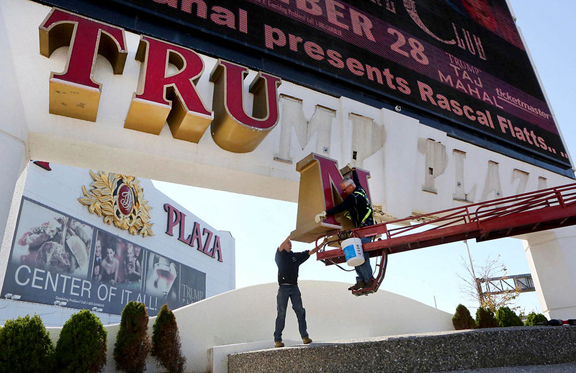
A much-ballyhooed plan to raise funds for charity by auctioning off the right to implode the former Trump Plaza Casino has been cancelled.

 According to news reports, bids had climbed to $175,000 when the auction was called off by the owner of the onetime Boardwalk casino, Carl Icahn. The charity in question isn’t out of luck, however—the billionaire said he’ll personally donate the same amount to the Boys and Girls Club of Atlantic City.

Former President Donald Trump, then a real estate developer, opened the property in 1984 at the foot of the Atlantic City Expressway, at the height of the city’s casino boom, when he owned three casinos emblazoned with his name. The casino closed in 2014 and has since fallen into disrepair, to the point where barricades were erected to keep pedestrians away. Demolition work began last year, and the structure was to have been imploded January 29, but the date has been pushed back to February 17.

“From the beginning, we thought the auction and any other related spectacle presented a safety risk, and we were always clear that we would not participate in any way,” a spokesman for Icahn said in a statement.

The auction was the brainchild of Atlantic City Mayor Marty Small, who hoped to raise more than $1 million for the Boys & Girls Club.

“We agree that public health and safety are the most important things in getting the building down,” Small said. “We do appreciate Mr. Icahn’s generous donation. We couldn’t be happier.”

Small came up with another scheme to raise money for the club, however. Working with New Jersey-based Bodnar’s Auctions, which ran the canceled implosion sale, the mayor has arranged for special “viewing locations” to be made available to onlookers for a donation. Bodnar’s is auctioning off 10 packages that include overnight accommodations at either Hard Rock or Ocean Casino, plus two tickets to an implosion viewing party at One Atlantic with the mayor. The packages also include dinner for two at either casino property.

Interested in attending? For details visit https://www.bodnarsauction.com/the-implosion-of-trump-plaza-for-charity.

New Live! Casino Opens in Philly

The view from the mid-level suites at the new Live! Casino & Hotel Philadelphia reveal just how unique the property is. It looks directly toward home plate at Citizens Bank Park, the home of Major League Baseball’s Philadelphia Phillies.

Sports are woven into the new property, which opened last week for reservation-only Preview Days ahead of its February 11 grand opening. The casino-hotel is located in the middle of the city’s Stadium District, surrounded not only by the Phillies ballpark but the Philadelphia Eagles’ Lincoln Financial Field NFL stadium and the Wells Fargo Center, home to NHL hockey’s Philadelphia Flyers. Live! Philadelphia’s collection of bars and lounges are adorned with huge LED screens beaming sports contests. Its extensive FanDuel Sportsbook and Lounge gives patrons the ability to bet on sports while lounging in style.

As remarkable as the new casino property’s sports vibe is the very fact that it’s opening in the middle of the Covid-19 pandemic. In fact, it’s the second Pennsylvania casino opened by Baltimore-based Cordish Companies in as many months. Through its subsidiary Stadium Casino, the developer opened Live! Casino Pittsburgh in December—the first of the state’s Category 4 satellite casinos to open, and likely the only one to open ahead of its host property.

Amid industrywide shutdowns, Cordish soldiered on with both construction projects. Last week, the effort culminated in the unveiling of a property that carries the Cordish Live! brand to Philadelphia with 5,000 jobs (3,000 in construction; 2,000 permanent) and an estimated economic impact in the neighborhood of $2 billion in the first five years of operation, at a time any economic stimulus is sorely needed.

“We think it’s fantastic what we’ve built here, and a fantastic opportunity to put a lot of people to work, when so much of the country right now is putting people out of work,” Rob Norton (l.), president of Cordish Gaming, told GGB News and other outlets at a media tour ahead of last week’s Preview Days. The operator has committed to living wages for all team members, with a minimum of $12 per hour.

The 510,000-square-foot Live! property features 2,200 slot positions, including 80 electronic table games. There are 121 table games with plans to expand to 150, a dedicated 29-table poker room, the FanDuel Sportsbook and Lounge, a six-room Event Center that includes 15,000 square feet of customizable meeting/entertainment event space, and a variety of food and beverage options that include a number of local favorites. An attached multi-level parking facility is augmented by some 2,000 spaces in an outdoor surface lot.

Across the property’s interior are nods to the Philadelphia region, not only sports but artwork from local artists, famous local food, and even the sculpture that meets customers at the entrance—a bright red replica of Robert Indiana’s famous “LOVE” sculpture that marks the Love Park plaza in downtown Philadelphia. Of course, this one says “Live!” instead of “Love.”

Restaurants include the Prime Rib, the top Zagat-rated steakhouse previously located in Center City Philadelphia for more than 20 years; Sports & Social Philly, a one-of-a-kind sports restaurant, gaming venue and social lounge; Luk Fu, “where the authentic flavors of Southeast Asia meet in South Philadelphia”; and the 10th Street Market, a food hall inspired by the great food markets in Philadelphia where guests will be able to enjoy a wide variety of food, as well as a bar open 24/7.

The F&B offerings include special touches like private dining and karaoke rooms in Luk Fu, the Asian fusion brand first developed at the operator’s flagship Cordish Live! casino in Maryland, adjacent to the Arundel Mills Mall in the Baltimore suburb of Hanover. Inside the room, a large circular table is equipped with giant lazy Susan for community dining.

The local-flavor 10th Street Market food court opens in early February featuring favorites like two Guy Fieri outlets—Guy’s Burger Joint and Guy’s Taco Joint—Morty’s Deli, Luckie’s Liquor and Termini Brothers Bakery (a 99-year Philly institution).

The 208-room luxury hotel features state-of-the-art technology in rooms at various price points, including two levels of suites offering killer views of the city.

Highlights of the casino include luxurious high-end rooms for both slots and tables, and unique offerings such as the Cordish FanDuel Sportsbook concept, which wraps the sports wagering into a best-in-class sports bar, featuring a 500-foot-long LED screen and different styles of entertainment. There’s even a large foosball table. “Truly, it is a full entertainment experience,” said Norton. “It is a best-in-class sports and social entertainment brand, with the best-in-class sports operator.”

In addition to all the newest slots, there are special offerings such as the R Bar, a unique interactive area featuring electronic table games arranged facing a 40-foot-long video screen. First conceived in the Maryland Live! property, the R Bar presents many of the property’s 74 dealer-assisted ETGs in a pit configuration that puts the live dealers in front of the attraction.

The ETGs offer players the opportunity to play two blackjack games, two baccarat games and roulette, all at the same time.

Joe Billhimer, Cordish executive vice president and general manager of the Pennsylvania Live! properties, commented that the R Bar concept created for the Maryland Live! property has been an unqualified hit that is still being copied by other operators. “This is the next evolution of the R Bar,” Billhimer said. “It is an entertainment experience. The R Bar in Maryland was the first of its kind, integrating ETGs into the bar concept. After that opened, we saw (similar venues) pop up all over the country.”

Other highlights of the casino include the two high-limit gaming rooms, each with its own private bar, its own cage, and personalized service. The slots—denominations ranging from $1 to $500—are each situated in a private, Plexiglas-enclosed station. According to Norton, while the private stations provide safety against spread of the Covid-19 virus, they actually were designed before the pandemic hit, simply as a way to give the best slot players their own space.

Everything in the new casino points to the elevated Center Bar, another sports-themed bar with giant LED TV screens, communal tables, lounge seating and live music, offering a 360-degree view of the gaming floor.

Each of the property’s 121 table games is equipped with ticket-in/ticket-out pay technology, allowing players to buy in with a ticket and cash out at a kiosk. According to Norton, the property’s Aristocrat Oasis casino management system is equipped to offer completely cashless play in the near future.

Covid-Safe

The technology at the tables, which reduces player/dealer touchpoints and cash-handling, is only one aspect of an operation designed with maximum safeguards against the spread of the Covid-19 virus.

Upon entering the casino, all guests and employees pass by thermal cameras to detect anyone with a fever. Once inside the casino, the sea of Plexiglas is striking, with barriers between slot games and in front of dealers at every table. Hand sanitizer stations are everywhere.

It’s all part of “Play It Safe,” the program initiated at the Maryland Live! property early last year to effect a safe return to operations following the pandemic shutdown.

“We’re opening in a very unusual period,” Norton said. “We’re excited about bringing a project of this magnitude to the Pennsylvania market, but we’re opening in uncertain times. Covid has definitely created a world of uncertainty for almost all the businesses. Our operations are no different.

“We opened two brand-new facilities in the middle of the Covid pandemic, which brought a lot of challenges. (We’ve taken steps) to address the general public’s concerns, and our employees’ concerns, and to try to make sure we’re best-in-class as it relates to health and safety.”

iGaming Assist

The customers who began to arrive last week for the Preview Days were no strangers to the Live! brand. In an industry first, Cordish launched PlayLive!, its Pennsylvania online gaming site, ahead of the opening of the physical property.

It was a concept successfully implemented with the 2012 opening of the Maryland Live! property. Prior to the opening of that property, Cordish launched a free-to-play social casino that allowed customers to become familiar with the Live! brand and to join the Live! player’s club online. This time, the site, launched in August, is a for-money iGaming site, utilizing the GAN online gaming platform.

“We’re the first casino anywhere to launch an online casino before the bricks-and-mortar facility is open,” Norton said. “We’ve used it to capture sign-ups and introduce the Live! brand to the commonwealth prior to the casino opening up.”

“A lot of people coming (to the Preview Days) have been playing with us for six months,” added Billhimer. “They were invited to the private opening. It was a great way for them to interact with our brand before the casino opened.”

The success of the new Live! casino stands to increase as the Covid-19 pandemic subsides—particularly when the major sports teams resume play with full attendance, when the Stadium District is typically crowded with fans and Cordish’s own Xfinity Live! attraction a couple of blocks from the casino is packed with customers. The operator has marketing partnerships either in place or in the works with all the city’s professional sports teams.

Cordish Companies, which operates Live!-branded entertainment and sports-related attractions around the country, had been pursuing a Philadelphia casino for years to complement its Xfinity Live! attraction. “I had been looking at this location and this market for 20-plus years, and we have the ideal location, with I-76 and I-95 nearby, and just great demographics in the city of Philadelphia and the surrounding area,” Billhimer told GGB News at the property’s topping-off ceremony last year.

Cordish has built a facility poised to take advantage of its prime location by employing its time-tested principle of offering entertainment first, with everything else second. “It’s the DNA of the Live! brand, and what makes us different is how we do things,” Norton said. “It starts with the fact we are a family-owned company, so we operate differently.

“Everyone who comes into the organization embraces the fact that Live! means it’s an entertainment concept first. It’s not a casino; it’s not about slots. It’s about the experience. And I think we bring that to the table unlike any other company out there.”