Author: Casino Connection Staff

Accel Faces $5M Fine In Illinois

The Illinois Gaming Board plans to fine Accel Entertainment, one of the nation’s largest video gambling operations, $5 million for allegedly making a deal with DraftKings to pay commissions to business owners who put Accel gambling machines in their establishments. Under the Illinois Gaming Act, it is against the law for video gambling operators to offer “inducements” to seek or maintain video gambling business. Regulators allege Accel paid out $21,000 in commissions.

Accel President and Chief Executive Officer Andrew Rubenstein said the company would fight the allegations. He said, “This was two public companies that absolutely knew what they were doing and following the law.” Accel attorney Donna More stated, “Accel is committed to conducting itself in accordance with all relevant gaming laws and regulations. As to the allegations in the complaint, the company disagrees with the Illinois Gaming Board and it intends to vigorously defend itself.”

The complaint alleges Accel would offer DraftKings advertising space on its video gambling screens, and Accel would receive $200 from each new customer it drove to DraftKings, provided certain conditions were met. Accel stated it could share those payments with bars or restaurants where the video gambling machines were located.

In its complaint, the gaming board quotes an email from Accel’s chief commercial officer asking that the agreement specify Accel will share some revenue from DraftKings with business owners who have Accel machines. “We want it in the agreement so the gaming board can see that we are operating as a pass-through for the commissions,” the email reads. Another email noted, “We’d like to use the language of ‘participating partner establishments’ and clarify that we are passing these funds from DraftKings to the video gambling establishments. This is essential as we are not allowed to provide compensation to the partner from our funds as it could violate the Illinois Gaming Board inducement rules.”

The gaming board alleges the agreement gave Accel had complete control over the payments, and planned to use them to keep and seek clients. Gaming Commission Administrator Marcus Fruchter signed the 8-page disciplinary complaint.

As of late 2019, Accel had gambling machines in 2,300 locations, or one-third of the machines, in Illinois. The state offers more places to make a bet than any state in the country, including Nevada, according to ProPublica Illinois and WBEZ. However, Illinois’ tax rates on the machines are among the lowest in the U.S., allowing Accel to gain hundreds of millions of dollars in revenue since video gambling machines online in Illinois in 2012.

EGT Interactive, 888 Partner in Romania

EGT Interactive has secured a multijurisdictional agreement, partnering with iGaming solutions provider 888 Holdings, which will initially target Romania with 999 content. The partnership will enable EGT Interactive to broaden the reach of its products and 888 to widen its footprint in Europe.

“We are extremely proud to set the beginning of this new partnership,” said Todor Zahariev, managing director of EGT Interactive, according to the CasinoBeats news site. “888 Holdings has a reputation as a leader in online casinos, and it’s a pleasure to partner with them. Through this deal, we will keep to provide and deliver quality slots to our loyal players.”

Guy Cohen, senior vice president of B2C at 888, added, “We are very excited by the opportunity for a strong partnership with EGT Interactive. The addition of EGT’s premium games portfolio to our casino platform will further strengthen our diverse range of engaging and entertaining titles.

“We are also confident this partnership allows us to extend our reach even further into the Romanian iGaming market and help us continue to deliver our commitment to a safe and enjoyable gambling experience.”

The partnership will arrive first in Romania, where players can access a selection of EGT Interactive games, including Zodiac Wheel, Shining Crown, Burning Hot, Amazons’ Battle, Book of Magic and many more. Future jurisdictions include Spain, Italy and Portugal.

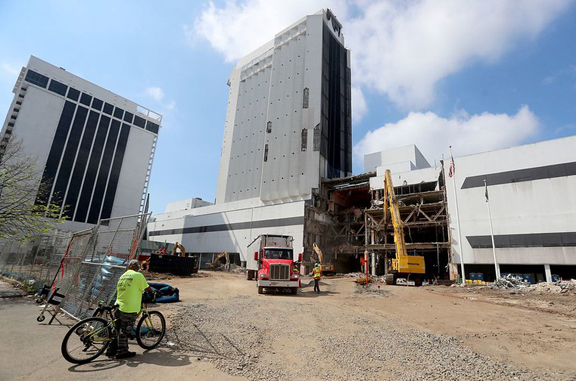
Atlantic City to Implode Trump Plaza for Charity

Bids have been coming in fast a furious for the chance to push the button to implode the shuttered Trump Plaza Casino in Atlantic City.

The former Trump Plaza Hotel & Casino, which shut it’s doors in 2014, will go out with a bang sometime in February, and the highest bidder can press the button to bring it down. Atlantic City Mayor Marty Small announced the charity auction last week, with proceeds going to the Boys & Girls Club of Atlantic City. “I wanted to use the demolition of this place to raise money for charity,” Small said.

Trump Plaza, which opened in 1984, is the last remaining structure that bears the president’s name in Atlantic City. Trump exited the Atlantic City casino market in 2009 after declaring several bankruptcies, but still received a 10 percent fee for use of his name. That fee disappeared in 2016 when billionaire Carl Icahn bought the company. Since then the building has fallen into disrepair, becoming a public safety hazard. Sections of the facade fell to the ground this year, along with additional debris. The city reached an agreement with Icahn to tear the building down. Small expects to discuss possible uses for the site with Icahn, who plans to redevelop it. The Plaza sits at the center of the Atlantic City Boardwalk.

An auction company will accept bids through January 19, when the top bids will be opened and a live auction held. The demolition could raise more than $1 million for the Boys & Girls Club of Atlantic City, according to the Associated Press. The Boys & Girls Club offers recreation, education and training programs for local children and teens.

So far the response has been vigorous, with bidding topping $50,000 within the first three days. One person in the running is the adult film star Stormy Daniels, who alleges Trump’s lawyer paid her off to remain silent about an alleged affair she had with the president in 2006. A St. Louis man has set up a GoFundMe campaign to hand the button over to Daniels if it raises the most money. Daniels, who’s real name is Stephanie Clifford, tweeted her support of the idea.

“I really want to do it…and we all know I’m good at pressing buttons. LOL,” Daniels tweeted.

Another celebrity supporter of the idea is singer and actress Bette Midler, who tweeted “Guess what? #Atlantic City is auctioning off the chance to push the button that blows up the #TrumpPlazaHotelAndCasino. Welp, there goes my daughter’s inheritance,” she tweeted. “Sorry, honey, Mommy’s got an itchy demo finger!”

If the Daniels campaign comes up short the organizers have pledged the money raised will still go to charity, starting with Ready Readers in St. Louis.

The auction has garnered national attention in the waning days of Trump’s presidency. The implosion was originally scheduled for the end of January but has been delayed for weather and safety reasons, Small said. The implosion will take place some time in February, bringing to an end the last remaining symbol of Trump’s casino empire.


New Jersey Leads the Way On New Sports Betting Record

Another month, another record. November saw New Jersey take in more than $931 million from bettors. Can $1 billion be far off?

Based on Division of Gaming Enforcement numbers released December 14, the state topped its own national record for the fourth straight month. In October, state sportsbooks took in $803 million, according to the Associated Press.

“Even if New Jersey can’t quite reach $1 billion in a month before the end of the NFL season, the mere possibility so soon after the industry launched in 2018 would have been close to inconceivable until just a few months ago,” said Dustin Gouker, lead analyst for PlayNJ.com.

Sports betting and internet gaming from the nine Atlantic City casinos, along with sports wagers from three race tracks, produced almost $289 million in revenue. But revenue from slot machines and table games in brick-and-mortar casinos fell some 35 percent from 2019 figures to $146.5 million.

While overall gaming numbers dropped, those at Hard Rock Hotel & Casino Atlantic City rose more than 32 percent to $34.6 million. Ocean Casino Resort increased 5.2 percent to $23.7 million. The properties that saw a drop in November ranged from Golden Nugget, off by 3.2 percent, to Caesars, which tumbled almost 55 percent.

The record shattering November featured a lighter sports calendar, with the NBA and NHL not yet in action. The NFL outperformed all sports, guiding football to a record $433.3 million in handle, which was up from $278.9 million in October.

“When the traditional major betting sports went quiet, most of the major online sportsbooks were really good at engaging their customers with an array of offerings, from golf to table tennis,” said Eric Ramsey, analyst for PlayNJ.com. “What is surprising is that those efforts continue to pay dividends even as the major sports have returned.”

Sports betting produced little more than $50 million in revenue in November. Meadowlands Racetrack in East Rutherford generated $24.8 million for the month. Online betting accounted for 93.6 percent of the overall handle, or $872.1 million, up from 92.6 percent in October.

Even retail sportsbooks showed improvement, inching from $59.2 million to $59.5 million in handle, despite restrictions. Meadowlands/FanDuel led the way with $3.6 million in revenue in retail.

New Jersey’s online casinos and poker rooms fell short of its first $100 million revenue month with $91.8 million, short of the $93.5 million record in October. Still, the results grew 86.9 percent and generated $13.8 million in state taxes, proving that interest in gambling did not wane during the pandemic, but just found another outlet to exert itself.

“With Atlantic City casinos struggling to remain open during the pandemic, the tax revenue generated by online casino games in particular has never been more needed,” Ramsey said. “New Jersey’s online casinos are the envy of every state with legalized online gaming and a model for any state looking to pass legislation in the coming year.”

Once again, the Golden Nugget led all online casinos again with $26 million in November revenue, though a slight decrease from $28.6 million in October. Borgata placed second with $23.4 million, with Resorts Digital next at $20.9 million.

New Jersey was just one of several states that saw their sports betting handle rise dramatically last month.

MISSISSIPPI

Sports betting revenue in Mississippi reached $8.1 million, or 113.2 percent more than $3.8 million posted in November 2019, but 8 percent lower than October’s $8.8 million. Year-on-year, sports wagering fell 3 percent to $54.4 million, 11.1 percent down from $61.2 million in October. Sports betting revenue at the coastal casinos was $4.4 million, more than half the November total.

At Mississippi coast casinos in November, sports betting handle was $35.9 million, including $26.2 million wagered on football, $1.3 million on basketball and $23,047 on baseball. About $4.7 million was wagered on other sports and $3.6 million on parlay betting. Mobile sports betting is still not approved in the state.

IOWA

Iowa sports betting handle set a new monthly record in November as gamblers wagered nearly $87.2 million, according to Iowa Racing and Gaming Commission data. Of that amount, $62.4 million in wagers were placed via online apps. In the five months of the current fiscal year, sports bets made online or at state-licensed casinos surpassed $314.6 million, with $222 million wagered online.

November’s sports bets generated $8.1 million for the state, bringing total year-to-date sports betting tax collection to nearly $1.87 million.

Gambling.com Group Vice President of U.S. Business Max Bichsel said, “The Hawkeye State’s enthusiasm for sports betting hasn’t peaked as we saw another record month for sports betting in November. It was impressive to see steady growth given the decreased volume of sports this month.”

Observers expect sports betting numbers to set even more records next month when the on-site registration requirement ends. When sports betting was legalized in Iowa on Aug. 15, 2019, state legislators and Governor Kim Reynolds required bettors for the first 18 months to travel to a state-licensed casino to establish an account in person. Effective January 1, Iowans age 21 and older who prove residency can establish an account online.

Iowa’s 19 state-licensed casinos posted adjusted gross receipts of $104 million in November, down slightly from October. Attendance figures dropped to 1,157,533 as the Covid-19 continued to cause visits to decline.

For the year, the state’s casinos have posted $584.5 million in adjusted gross revenue, producing more than $111.9 million in tax revenue for the state.

INDIANA

Indiana set a new record for the state in November, taking in $251.4 million, breaking the previous high mark of $230.9 million recorded in October, says the Indiana Gaming Commission.

Figures also showed that slot handle and table games dropped in every casino in the state except Hammond Horseshoe, the result of the coronavirus pandemic.

Football made up almost half the handle in November, thanks to successful seasons by Indiana University, Notre Dame and the Indianapolis Colts.

“There really isn’t any substitute in sports betting for a local team doing well, and Indiana is enjoying three at once,” said Dustin Gouker, lead analyst for PlayIndiana.com. “With both college and NBA basketball returning, December really sets up to be another jump forward.”

More than 40 percent of the sports bets came through East Chicago’s Ameristar Casino, which partnered with DraftKings online sports book. Next in line, the Blue Chip Casino in Michigan City took in 26 percent of the market, in conjunction with FanDuel.

Online wagers made up 85 percent of the total bets, compared to 83 percent in October.

Indiana finished behind New Jersey, Nevada, Pennsylvania and Illinois.

“I think some of the worries that Indiana would slip as its neighbors legalized sports betting are calming,” said Jessica Welman, analyst for PlayIndiana.com.

Capacity limitations led to a decline in retail casino revenue to $148.2 million, off 11 percent from October. Year to date figures fell some 17 percent. Horseshoe Casino in Hammond saw an uptick of 17.5 percent in November compared to October.

Steven Cox, Horseshoe vice president of finance, attributed the increase in part to VIP play.

“Ever since this property became a Horseshoe we’ve been known for the biggest odds and the highest limits, and I will say we continue to take that big action here,” Cox said.

Biden Names First Native American Interior Secretary

In an historic for Indian Country, President-elect Joe Biden has named New Mexico Congresswoman Deb Haaland as the new secretary of the Interior. Haaland, a member of the Pueblo of Laguna, will be the first Native American to lead the Interior Department in history.

And by directing the Interior Department she will oversee relations with 524 federally recognized tribes, a relationship that has often been stormy. She will also play a critical role the administration’s climate change policy, which includes a pledge to halt production of gas and oil on federal lands under the management of the Interior Department. New Mexico is a big oil-and-gas state but Haaland his on board with Biden’s plans.

“I come from New Mexico. It’s a big gas and oil state. And I care about every single job,” Haaland told the Washington Post. “We don’t want to go back to normal, right? We don’t want to go back to where we were because that economy wasn’t working for a lot of people.”

She was just re-elected to Congress for a second term. Prior to her election she was chairwoman of the tribal gaming corporation, the second-largest tribal gaming enterprise in the state.

Haaland herself through college and earned a law degree from the University of New Mexico by operating a salsa business she started. During her run for Congress, she noted that she was still paying off student loans.

The rocky relationship between the department and Native Americans goes back decades. Tribes were moved off their ancestral lands frequently at the orders of the department, including Yellowstone, when it became the first national park. In 1972, a group of militant Native Americans occupied the building of the Bureau of Indian Affairs for several days, an agency of Interior.

Relations with tribes had eroded under President Trump, whose Interior leaders removed protections from sacred tribal sites in Bears Ears National Monument in Utah and allowed drilling on sensitive land in Alaska.

Haaland said those things would end.

“The Trump administration has not been kind to Indian Country,” Haaland said. “He has thrown tribal consultation essentially out the window.”

Why Disney Now Embraces Sports Betting

Since its inception, the Walt Disney Company has billed itself as the purveyor of family and kids’ fare, banking on a talking mouse, a talking duck and G-rated fairy tales. The company viewed gambling as the antithesis of all that—in league with Maleficent, so to speak.

In 2018, Disney put its money where its mouse is, pumping millions of dollars into a campaign to stop the expansion of casino gaming in Florida. The effort proved successful, and kept the company’s Orlando theme parks free of competition.

But other seeds were planted in 2018 that gave Disney pause. That year, after a lawsuit brought by New Jersey, the U.S. Supreme Court struck down the federal ban on sports betting. The floodgates opened. States took the plunge and approved sports betting as a way to bring in revenue. Today, almost half of the country’s states offer sports betting or have legislation in the works to introduce legal wagers.

Even professional and collegiate sports leagues, which previously railed against such wagers as a threat to integrity, now see sports betting as a way to bring more eyeballs to their games, if not more money. Leagues and teams have lined up to make marketing deals with sportsbooks such as DraftKings.

Richard Schuetz, a veteran casino executive and CEO of Schuetz LLC, said Disney “developed the anti-gambling reputation because of different efforts to legalize gambling in Florida. This makes sense to protect the brand and market of the theme parks.”

But sports betting is another matter. John J. English, partner and managing director of sports & technology for Global Market Advisors, said,“The last three years, we’ve seen multiple sports teams and sports betting companies form partnerships with companies that have global brand recognition and have a large audience or active databases. The perception of sports betting in America has evolved; it’s now a very acceptable, extremely popular and growing industry.”

Even so, Disney’s interest took English by surprise. “Four years ago, I would have been stunned for sure,” he told GGB News. “They don’t even have casinos on their ships.”

But sports betting is entertainment, and today, Disney is an entertainment company involved in sports, at least since its acquisition of a large stake in ESPN. It’s simply a matter of separating the whole into its many parts. The components of Disney that target adult demographics should be expected to embrace sports betting, Schuetz said, “but those divisions that target a young or family demographic will not be interested in it, as well as those divisions addressing the theme parks.”

Truth be told, Disney has been tipping its hand a bit over the last couple of years when it comes to sports wagering involvement, according to Josh Swissman, founding partner of the Strategy Organization. It acquired a stake in DraftKings when it purchased 21st Century Fox in 2019. In September, ESPN partnered with both Caesars/William Hill and DraftKings to formalize sports betting and daily fantasy sports partnerships.

Still, Disney Executive Chairman Bob Iger drew a clear distinction between the gambling business and the sports betting content business in 2019.

“I don’t see the Walt Disney Company, certainly in the near term, getting involved in the business of gambling in any way,” Swissman said. “I do think there’s plenty of room—and ESPN has done some of this already—to provide information in coverage of sports that would be relevant to and of particular interest to gambling and not be shy about it, basically being fairly overt about it.

“But getting into the business of gambling? I rather doubt it.”

On Disney Investor Day, December 10, ESPN President Jimmy Pitaro said sports betting continues to be an important area of growth for ESPN. But he was speaking across all platforms, including the streaming ESPN+, said spokeswoman Kristie Adler. This includes content such as Daily Wager, a show produced in a new ESPN studio inside the Linq in Las Vegas, and extensive brand placement for William Hill and DraftKings on ESPN’s digital platforms.

At the heart of the marriage between Disney and sports betting is viewership of ESPN and ESPN+, Swissman added. ESPN+ has 11.5 million subscribers, fewer than other Disney streaming platforms, and the lack of wagering content is believed to be a contributing factor. The goal is to add another 500,000 regular viewers.

Brian Wyman, principal consultant for The Innovation Group said, “I think generating gambling content resonates well, particularly now, and you’re seeing all of the major networks planning for this.”

Beyond a quest for viewers, Disney’s eyes were opened during the post-Covid-19 NBA season, played inside the bubble at Disney World earlier this year. The volume of sports wagers further piqued Disney’s interest, and the proliferation of sports betting has lots of businesses rethinking how they interact with the gaming industry. More important for Disney is where sports betting fits on the gambling spectrum, according to Michael Soll, president and founding member of The Innovation Group. “It resonates differently than casino gaming,”

While Disney may not embrace sports wagering as completely as many of its media counterparts, “it is certainly leaning into the wagering business much more than it has historically,” Swissman said. “The betting public demands more wagering information delivered in a real-time fashion.”

Said Wyman: “I think this is a significantly different question than casino expansion in Florida. I suspect Disney’s position there is less about a moral opposition to gaming and more about trying to retain their share of visitors’ entertainment wallets.”

Concluded English, “Disney is a massive conglomerate, so it would make sense to leverage their existing investment in sports across their enormous portfolio. But in the immediate future, I’m pretty sure we’re not going to see Mickey himself promoting mobile betting and offering the best odds.”

Covid-19 Takes Toll in Atlantic City

Tourism and leisure businesses have taken a hit in 2020 thanks to the coronavirus pandemic. And if businesses take a hit, so do tax revenues generated by these businesses.

The one segment of tourism not hit as hard surprisingly is gaming. Through October, taxes paid by casinos decreased $12.7 million or 5.5 percent over 2019 levels, according to the Press of Atlantic City. The decline should have been worse given the almost four month closure of casinos and the restrictions placed since July’s reopening.

The reason: online revenue.

“Internet gaming revenue more than doubled year-to-date as of October. Taxes on that revenue significantly helped to offset losses in the tax revenue from brick-and-mortar slots and table games,” said Jane Bokunewicz, coordinator of the Lloyd D. Levenson Institute of Gaming, Hospitality & Tourism at Stockton University.

During the shutdown between March 16 and July 2, online gambling and sports betting continued and in fact increased as the only games in town. Plus taxes on internet gaming revenue are 15 percent compared to the 8 percent for brick-and-mortar casinos.

“For an industry looking at a year-to-date loss of nearly 23 percent of total gaming revenue due to pandemic-related challenges, an equal degree of decline might have been anticipated in the industry’s tax contributions,” Bokunewicz said.

Taxes from online casino gross revenue rose by more than $59 million through October over the same period in 2019. The $117 million in taxes generated represents around 54 percent of the year-to-date total of $217.4 million collected from gambling taxes. Online and mobile sports wagering revenue taxes also increased by more than $3.6 million.

Bokunewicz said when people return to brick-and-mortar casinos after restrictions end, it could be a boost for casinos and the state.

“Casinos would pay the lower gross revenue tax rate of 8 percent on slot and table revenue, but also benefit from additional spending by guests on nongaming amenities at their properties. The state would continue to benefit from the casino tax contributions on gaming plus other amenities (food and beverage, sales and room taxes), and also from the many jobs that are created by live table games, in-person wagering on slot machines and hotel operations,” she said.

Gaming revenue taxes go into the Casino Revenue Fund for programs that support seniors and the disabled. In 2019, the fund received $233 million from gaming taxes with an estimated $261.5 million for 2020, prior to the pandemic. The taxes derived from sports betting revenue are divided between the state General Fund and the Casino Revenue Fund.

In other Atlantic City news, in what seems like eons ago, a typical Saturday night in casinos often featured star power performances in showrooms, local bands jamming in clubs and this time of year, holiday parties. Restaurants were packed with diners. Festivities often heated up at 10 p.m.

These days, 10 p.m. marks the end of the night as clubs and bars shut down to help stem the surge of Covid-19 cases. Restaurants shift to take out only.

“It’s so discouraging,” said Joe Lupo, president of Hard Rock Hotel & Casino Atlantic City.

What was a 24-hour industry early in the year struggles to stay afloat by adhering to a series of protocols and through online gambling, according to the Philadelphia Inquirer.

The casino enforces masks, new outside air rotates into the property 10 times an hour, temperatures are checked on the way in, and masked dealers work behind plastic dividers.

In November Borgata laid off 73 workers and reduced the hours of 349 others after Governor Phil Murphy imposed a 10 p.m. to 5 a.m. prohibition. Its third-quarter gross operating profits dropped 97 percent from last year.

Hard Rock has stayed steady near the top of the pack, grossing $28.8 million in October, second to Borgata at $41.2 million.

“It’s going to be a long, slow winter,” Lupo said. “And there are going to be less people here and less people working.”

The pandemic economy has taken a severe toll on casino workers, especially cocktail servers and bartenders who depend on tips, said Bob McDevitt, president of Unite Here’s Local 54. Before the coronavirus pandemic, the union had 10,000 employed on the job. Now it’s 7,000.

All told, the nine casinos employed 22,000 people in October, down 17 percent from 2019.

McDevitt said the union had some 200 workers test positive for Covid-19, but “almost none of them we could trace back to work. It was almost always a family member, a gathering. The numbers in Atlantic City are far lower than you’d expect in a place where there’s a lot of people, eating and drinking going on,” he said.

In developments unrelated to Covid-19, add $1 million a year to the cost of doing business at Hard Rock. That’s the figure the property will shell out through 2032 as part of the settlement with two former tenants.

The agreement, reached in January, required the first installment of $1 million paid two months later. The remaining 12 payments are due annually beginning January 1 of each year, according to the Press of Atlantic City.

The tenants were not named in the casino’s financial filings and Hard Rock officials did not respond for confirmation. But when the resort opened in June 2018, the former Trump Taj Mahal Casino Resort included Robert’s Steakhouse and Scores Atlantic City gentlemen’s club, both operated by businessman Robert Gans. Both reopened with Hard Rock.

Earlier this year, both venues closed after being told their leases would not be renewed. The two companies had been involved in a lawsuit with Hard Rock that predated the casino’s reopening. The casino hotel did not believe it was legally required to honor a lease agreement from the former owner.

Pennsylvania Casinos Shuttered for Rest of Year

As if Pennsylvania casinos could take any more hits, Governor Tom Wolf last week re-imposed restrictions on entertainment venues, closing casinos starting December 12, with the earliest reopening date January 4. He closed all indoor dining as well, only allowing outdoor dining and take out services.

“With these measures in place, we hope to accomplish three goals. First, stop the devastating spread of COVID-19 in the Commonwealth,” Wolf explained during a news conference. “Second, keep our hospitals and healthcare workers from becoming overwhelmed. And third, help Pennsylvanians get through the holiday season—and closer to a widely available vaccine—as safely as possible.”

“This is a bridge to a better future in Pennsylvania,” he said.

Rivers Casino in Philadelphia had already been closed by a similar declaration from the city’s mayor, but now all the other state casinos will also be required to shut down. The affected casinos are:

  • Harrah’s Philadelphia
  • Hollywood Casino at Penn National Race Course
  • Lady Luck Nemacolin
  • Live! Casino Pittsburgh
  • Meadows Casino and Racetrack
  • Mohegan Sun Pocono
  • Mount Airy Casino Resort
  • Parx Casino
  • Presque Isle Racetrack and Casino
  • Rivers Pittsburgh
  • Valley Forge Casino and Resort
  • Wind Creek Bethlehem

Online gaming, including casino games and sports betting, is not impacted by the closings. Racetracks were not included in the order, so they will stay open. Parx, Harrah’s Philadelphia, Meadows and Penn National will continue to stage racing. Mohegan Sun at Pocono and Presque Isle Downs are normally closed this time of year.

Just one day prior to the announcement, Pennsylvania casinos had sent a letter to Wolf pleading to stay open.

“Our industry is one of the largest and most successful in the state,” the letter stated. “We generate more than $1.5 billion in annual tax revenues and invest more than $500 million in goods and services every year with businesses across the Commonwealth. Logistically, it is not feasible that we close our casinos’ doors within a few days’ notice. A casino is a massive business enterprise, and we are required to secure thousands of individual gaming devices; and move substantial sums of cash off-premises among other challenges.”

Wind Creek Bethlehem and Harrah’s Philadelphia said they would continue to pay their employees during this three-week shutdown.

Video games at gas stations and convenience stores have also been required to shut down. During the first shutdown, no specific order was given to close those games so many of them were left operational.

Loop De Loop: New, People-Friendly Transit Systems to Move Las Vegas

The Las Vegas Convention Center Loop set to open in January and a second transportation loop planned by Elon Musk’s Boring Company could be the start of what architect Paul Steelman calls “the greatest transportation system in the world.”

Ultimately, the systems will connect the whole city. At the very least, they will let people visiting the new convention center dispense with parking.

The $42.5 million Convention Center Loop includes three stops along the 1.4 miles of the 200-acre expanded convention center campus. Using the Loop will be free for convention attendees. It’s not to be confused with the recently announced seven-mile Las Vegas Loop, although both are being developed by the Boring Company. The Vegas Loop, now in the permitting stage, will be made up of two 40-foot underground one-way tunnels going as far north as Downtown Las Vegas, along the Strip corridor and south to Allegiant Stadium. Passengers will ride through the tunnels in Tesla electric vehicles. At first, they will be driven by humans; eventually, they will become autonomous or self-driving vehicles.

The Musk model works more like an Uber or Lyft. Travelers use an app to call a Tesla car, which will pick them up at any number of locations and whisk them at high speeds to the tunnel and their destination—on their timeline, unlike the mass-transit model with fixed schedules.

It doesn’t need stations. Casinos can simply build loading zones where the Tesla vehicles can pick up passengers and transport them.

Steelman, CEO of Steelman Partners, is designing one of these loading zones for Resorts World Las Vegas. “It’s not just a replacement for taxis, as some have called it, it’s completely revolutionary,” he told GGB News. “Because it doesn’t need a station built, you can build it quickly. Instead of spending many millions for a station, you can spend maybe a million for a loading zone.”

The Las Vegas Loop will be paid for by the Boring Company, with no contribution from taxpayers, said Lori Nelson-Kraft, senior vice president of communications for the Las Vegas Convention and Visitors Authority (LVCVA), which is funding the Convention Center Loop (working name: the People Mover). “We are facilitating the project. There will be an expense to any of the resorts who want to build a spur to the two one-way tunnels. The only expense the resorts will pay is building out that spur.

“The Boring Company will operate both,” she said. “The company will recoup its investment using a mobile app—like Lyft, you’ll be able to call for your Tesla at a nominal fare. As we begin operations for the Convention Center Loop, they will be driven by drivers until they move to automatous Teslas.”

The Convention Center Loop will provide an easy way for conventioneers and other visitors to move around. Once the $980 million expansion of the Convention Center is completed, it will be one of the top three largest convention centers in North America.

“We are finishing a 1.4 million-square-foot expansion,” Nelson-Kraft said. “When you look at the totality, it will stretch to a one mile walk for attendees, from the South Hall, Central Hall and North Hall. … The Convention Center Loop becomes a seamless way of getting you (around).”

Although the Convention Center Loop will be completed in January, there will be no shows in the building for a while, due to Covid-19. “So we may celebrate it and open it up to show people what it does, but it won’t be operational until the first full convention,” Nelson-Kraft said. The Convention Center Loop is designed to transport 4,400 riders per hour in each direction.

In November, the LVCVA and the Boring Company announced plans for the Las Vegas Loop. The latter is in the early stages of permitting with the city of Las Vegas and Clark County. “Following approvals, it would begin development shortly after,” she said.

The LVCVA also recently announced purchase of the Las Vegas Monorail, which had declared bankruptcy due to the effects of the Covid pandemic on ridership. That means the Boring Company will be able to tunnel under its right of way. The monorail had a non-compete clause in its contract with the city that prevented competitors from using its right of way. Now that issue is closed.

LVCVA won’t be closing the monorail, said Nelson-Kraft. “We’ve always viewed the monorail as an important transportation option. We believe there should be multiple transportation solutions. It has a stop at the Convention Center and has been an integral part of it. When we see the destinations return to full capacity, we’ll restart those operations.”

The Vegas Loop will relieve traffic congestion in the downtown area, she said. “Everything is underground so you’re taking people who might be in a rental car and putting them underground. You’re dramatically easing congestion. On a weekend, in addition to 150,000 rooms filled, there are typically multiple major events going on at one time—major arenas and concert venues with people trying to get to their shows. If you can move people underground and take people off Las Vegas Boulevard, that’s a win for everyone.”

Digging tunnels for transportation is hardly a new thing, but the Boring Company’s advancements in tunneling technology made it possible for something that would have taken many years to complete to be accomplished in a little more than a year.

“Elon Musk is innovative,” said Nelson-Kraft. “He retrofitted the big cutter on the boring machine so the cutters move faster than a traditional one, greatly reducing time to tunnel underground. Our Convention Center Loop, which was almost a mile long each way, would have taken about five to seven years the old way. Ours took 13 months.”

There are also environmental benefits to this system. “You’re using Teslas, with solar panels on the deck rooftops that will charge the vehicles. And the Las Vegas Loop takes more vehicles off the roads and reduces congestion.”

Nelson-Kraft predicts both loops will be great attractions. “When you’re used to sitting in traffic and you can get there in minutes—that’s pretty innovative.”

Don’t compare it to other famous modes of transportation, like San Francisco’s renowned Bay Area Rapid Transit, she added. “BART stops where it stops. The Loop only stops when you get to your destination. There’s no stop and go because it’s a straight tunnel. It saves visitors an enormous amount of time.” The Convention Center Loop will be able to take a visitor from one end of the campus to the other in two minutes.

Will being able to access Las Vegas’s attractions so much faster via the Loop generate more business for the downtown? Or will it just make things more convenient?

“In theory, it could probably accomplish both,” said Nelson-Kraft. “Convenience is definitely a factor, but when you have the ability to take out commute time, you can add more discretionary activity. It gives you more time at that experience or allows you to pack in more.”

She added that the innovation will undoubtedly attract the attention of other city planners. “It’s a first. Vegas is always looked at as that petri dish of what they’re doing now. I know the Boring Company has other plans, but we’re just looking at doing something cool and solving congestion when you have upwards of 300,000 people visiting in a day.”

Steelman is definitely a fan. “The Boring Company has designed a superior transportation system for Las Vegas,” he told GGB News. “Truly we will become the first 5G-connected city. Every project has its own challenges with the placement of the delivery area and how it fits into the system, but as I see it now its concept is perfect for Vegas.

“It’s a super-efficient cool transportation system. I love this tunnel design and layout…. Anyone who rides also will be captivated by its magic. Downtown and the Convention Center will benefit from these connections.” The systems will also save the city costs in road repairs.

Another benefit is that it will help reduce the need for massive parking garages in the city. “We can build and create a better urban environment—a more pedestrian-friendly environment,” said Steelman. “It will lessen the pollution levels in Las Vegas, especially during the colder months.” He credited Steve Hill, CEO of the LVCVA, and Steve Davis, president of the Boring Company, for bringing “this clever, well-thought idea” to Las Vegas.

Connecticut Tribes Shelve Satellite Casino For Now

Connecticut’s two gaming tribes have “temporarily” shelved a joint venture known as Tribal Winds, a satellite casino project planned for East Windsor.

The announcement, made December 2, recognizes the reality that the existing tribal casinos, Mohegan Sun and Foxwoods, have been operating at 25 percent capacity due to the ongoing pandemic. The gaming authorities reserved the right to revive the project at a later date.

Tribal Winds has hampered a political agreement that also includes lawmakers representing the largest city in the state, Bridgeport. Connecticut Governor Ned Lamont has always insisted that such an agreement was central to achieving an omnibus gaming bill.

MGM Resorts International, which operates the MGM Springfield, a dozen miles away, in Massachusetts, has fought the Tribal Winds casino by every means, legal and political, at its disposal. MGM has so far prevented a shovel from being put into the ground for the casino, and Lamont wants that impediment removed. He seeks what he calls a “global” bill.

The Mohegans and Pequots issued a joint statement: “We’ve been through so many ups and downs when it comes to the Tribal Winds project. There have been many moments where it was clear the easiest path would be to just walk away. And while there’s no way we could have accounted for this latest delay, we still believe Tribal Winds is a viable project that will come to fruition once markets improve and we’ve taken concrete steps toward restoring normal business operations.”

The announcement, although it doesn’t mention Lamont’s concerns about potential lawsuits from MGM, silently concedes the point, though MGM is less of a player in Connecticut due to the ravages of Covid-19. The company been forced to furlough or let go thousands of workers, and despite the millions of dollars it spent fighting the tribes, it does not currently have any lobbyists in the state.

Lamont reacted positively to the tribes’ announcement. “I think you know it was a source of aggravation to some of the outside casino places that had objections there,” he said at a press conference. “We’re trying to reach an accommodation where we can get sports betting and even iGaming going in the state—doing it in a way that doesn’t prompt a litigation war of sorts, and we’re trying to work that through. It’s going to take a little bit longer.”

He said he would continue negotiating with the tribes on sports betting but wouldn’t get into the specifics. “I don’t like to negotiate on TV,” he said.

Previously Pequot Chairman Rodney Butler said he would prefer that the state negotiate sports betting as a separate issue. “The easy solution, in the interim, if we can’t figure out all the bigger gaming issues, would just be to have sports betting at Mohegan and Foxwoods, and then we can save the more difficult conversations for down the line,” he said.

The man who will take over as House Speaker after the New Year, Matt Ritter, said the move by the tribes to drop East Windsor for the moment is not a surprise. He told the Hartford Courant, “I hope we are getting close to a deal. If that particular situation in East Windsor helps us get to a deal, that’s great news. … Maybe that’s a sign of where things are going with the governor’s office. I don’t know. Maybe it is.”

Foxwoods is hoping to claw back some revenues lost to the pandemic by its just-announced partnership with DraftKings to offer sports betting once the state legalizes it. The DraftKings-Mashantucket Pequot Tribal Nation deal is multi-channel and makes the Massachusetts-based sportsbook the official daily fantasy sports partner with the casino.

Matt Kalish, co-founder and president of DraftKings North America, hailed the agreement, saying, “This is a landmark deal in collaboration with the Mashantucket Pequot Tribal Nation as well as a critical next step to bringing America’s top-rated sportsbook app to sports fans in Connecticut.

“The national expansion of regulated sports betting is among our top strategic priorities. DraftKings today is live with mobile sports betting in 10 states, more than any other operator in the U.S., and teaming up with the tribe will allow us to extend our reach even further.”

Butler added, “Partnering with DraftKings, the most prominent name in sports betting, reinforces the Mashantucket Pequot Tribe’s position as a leader in the gaming and entertainment industry.” He added, “We’ve proven our ability to shape the future of gaming time and time again, and now we’re ready to drive sports wagering and online gaming for the state of Connecticut. Working through the tribal gaming compacts, we will help bolster our economy with much-needed revenue and virtual entertainment.

“We’ve proven our ability to shape the future of gaming time and time again, and now we’re ready to drive sports wagering and online gaming for the state of Connecticut,” he said. “Working through the tribal gaming compacts, we will help bolster our economy with much-needed revenue and virtual entertainment.”

Jason Guyot, interim Foxwoods CEO, noted that the partnership can begin immediately, even before sports betting is legalized. “DraftKings is a pioneer in the U.S. digital sports entertainment and gaming market,” he said. “Offering daily fantasy sports allows us to bring a new type of compelling and interactive online experience to our passionate sport fans. By combining Foxwoods’ 29-year gaming legacy with DraftKings’ deep digital expertise, we’re well positioned to continue leading gaming advancements in the region and beyond.”

Connecticut legislators have been debating sports betting ever since the U.S. Supreme Court lifted the federal ban on the activity in 2018. Governor Lamont, and both tribes, have always insisted that any legalization must include the tribes—who add their own insistence that they have a monopoly on it.

For more than two decades, the tribes’ compacts with the state have given them exclusive rights to offer casino gaming in return for paying 25 percent of slots revenue to the state. The tribes insist that sports betting is included in the definition of casino games. Some lawmakers and operators of off track betting parlors, are not so sure about that, including a former state attorney general.

Sportech, a UK-based company that owns the state’s rights to pari-mutuel betting, is lobbying for the right to offer sports betting. “It’s still very important to us,” said Ted Taylor, president of Sportech in Connecticut.

DraftKings and the tribe claim that the state could realize $175 million in tax revenues over five years if sports betting is legalized. Of 19 states that now allow sportsbook, DraftKings is operating in 12 of them, including offering mobile sports betting in 10 of them. The company hopes to leverage its association with the tribe into a reach into other New England states and New Jersey and New York.

Rep. Sean Scanlon, who will chair the finance committee, predicts a sports betting resolution, citing “overwhelming bipartisan support.” He notes that sports betting will probably be concentrated on mobile platforms, where much of the economy has gone during the Covid crisis. “The tribes understand that because the economy has changed,” he said. “I think that the stars are aligning.”

One thing that has changed is that Lamont is interested in leading the negotiations, rather than reacting to proposals by the tribes or lawmakers. He has also become open to iGaming, something he had opposed. He told reporters, “If we found out anything in the course of this horrible COVID cycle, more and more of the world is going virtual, more and more of the world is going online. That’s tele-health and tele-learning, but it’s also iGaming and sports betting. And I don’t think you want Connecticut left behind.”

The new money sports betting could generate is attractive, especially since all state governments are running on fumes due to Covid, and the months the two casinos were closed just contributed to that. Forced to operate at reduced capacities, their revenues have never approached pre-pandemic figures.

Longtime tribal ally Cathy Osten, the state senator whose district includes both casinos, told reporters, “Two of our largest employers have laid off many workers and the associated vendors with those two large employers have laid off many members, that’s what’s driving most of the issue in Norwich region.”

The bill she carried earlier this year would have given the tribes exclusivity on sports betting, plus opening a casino in Bridgeport and allow casino games on mobile platforms.

In a related development, Foxwoods is reacting to declining holiday traffic by temporarily closing the Fox Tower Hotel. It is also cutting casino hours and closing a casino it had opened for patrons over the age of 55, while furloughing 130 employees. Responding to a drop in traffic, Foxwoods, has announced the temporary closure of the Fox Tower Hotel, the cutting of casino hours, and the closure of the 55 and older casino, the Rainmaker, plus the temporary furloughing of 130 workers.

Guyot sent a memo to employees that said “the continued spread of the Covid-19 virus throughout our region has led to increased public concerns and continued state restrictions, which have all resulted in significantly reduced business volumes for us here at Foxwoods Resort Casino.” The casino is, in essence, returning to its Phase 1 reopening plan, which was used when the casino reopened in June, following a nearly three month shutdown mandated by Covid-19.

Besides shutting the casino on weekdays and only opening gaming Fridays through Sundays from noon to 2 a.m., the Grand Theater’s shows have also been curtailed for the time being. Bingo will be closed Mondays and Tuesdays and the Great Cedar Hotel will be closed midweek, although the Grand Pequot Hotel will stay open.

The casino resort has been hurt by restrictions on travelers from Massachusetts, which has always provided a large percentage of its patrons. The CEO emphasized that Bay Staters are always welcome to stay “multiple nights,” however currently Connecticut requires some residents from out of state to quarantine for 14 days or provide evidence of a negative test result for the coronavirus.


Nevada Governor Won’t Close Casinos Amid Latest Covid Surge

Nevada Governor Steve Sisolak said he will not order another casino closure as the state grapples with one of the worst rates of Covid-19 infection in the country.

While other states have reimposed lockdowns on the industry amid a raging wintertime surge in new cases and deaths from the virus, Nevada’s casinos are too important to the economy and employment to close, the governor said at a December 14 press conference.

“I know it’s hard for Nevadans to reconcile why some areas of our economy and public life are restricted while the state’s casinos are open. I get why it’s hard to reconcile that fact,” Sisolak said in announcing that mitigation efforts implemented around Thanksgiving would be extended until January 15. These include stricter mask requirements and 25 percent occupancy limits at casinos, restaurants, bars, recreation areas and other entertainment venues.

He said his concerns were with the rank-and-file workers who desperately need the jobs.

“I think it’s important to make this 100 percent clear,” he said. “When I think of the gaming industry, I am not losing sleep at night because I’m worried about their stock prices or whether gaming executives are going to make it through the pandemic and be able to keep a roof over their heads.”

What he doesn’t want, he said, is a return to the first months of the pandemic, when the industry was ordered closed for 78 days and 250,000 residents lost jobs, “the highest level ever reported by any state in modern history,” he said, far outstripping the 180,000 jobs lost during the Great Recession.

The press conference was called following a week in which the state reported 219 Covid-related deaths, the highest single-week total since the pandemic began.

Nevada currently has the highest rate of hospitalized Covid patients per capita in the nation and, as of last week, was reporting 2,700 new cases a day.

On the bright side, Sisolak said the Western States Scientific Safety Review Workgroup, comprising experts from California, Nevada, Oregon and Washington, have confirmed that the new vaccine developed by Pfizer and currently in nationwide distribution is “safe and efficacious.”

He said he hoped Nevadans would begin receiving it as soon as this week.

“Our state team is eagerly awaiting our first allocation of the vaccine to arrive so Nevada can begin the process to vaccinate our frontline health care workers, who continue to battle this virus every day on behalf of Nevadans across the state.”

Michigan Casinos Given OK to Reopen

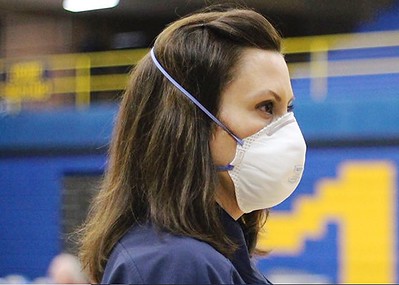
The lockdown of casinos in Michigan has ended for the time being. Governor Gretchen Whitmer last week allowed high schools, theaters and casinos to reopen beginning today.

The Michigan Department of Health & Human Services last week reported that new cases of Covid 19 have been declining for the past 27 days, the percentage of hospital beds occupied has gone down for two weeks and positive tests have declined for the last 11 days.

The order allows the state’s commercial casinos—MotorCity Casino Hotel, Greektown Casino-Hotel and MGM Grand Detroit—to reopen on Monday, December 21. They have been closed since November 18. While the state’s tribal casinos were also urged to shut down, many of the remained open, albeit with reduced capacity and other limitations.

The shutdown for bars and restaurants has been extended to January 15, but may reopen before that “if we substantially sustain progress” in lowering the number of new cases of COVID-19.

“The pause is working,” Gordon said at a Friday afternoon news conference with Whitmer at the state Capitol in Lansing.

New Yorkers Say iGaming, More Casinos Needed

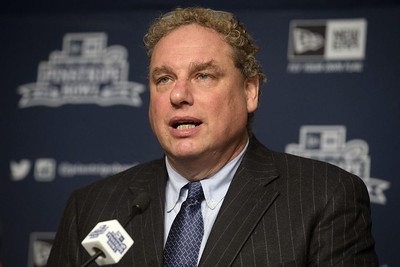
With Covid-19 creating havoc with the economy, New York Yankees Team President Randy Levine sees a partial answer in approving more casinos in New York City as well as mobile sports betting. Levine, writing in Empire Report, an online news site, said such moves could help alleviate budget shortfalls.

Most analysts credit New York City bettors for 25 percent of New Jersey’s sports betting handle, according to Casino.org, taking revenues away from New York State. Casinos in New York City would also produce jobs in addition to revenue, Levine said.

Governor Andrew Cuomo indicated the state needs $30 billion over the next two years. Cuomo wants the feds to make up the difference rather than lobby lawmakers for new revenue. Faced with a $9 billion hole in New York City, Mayor Bill de Blasio threatened to reduce the city workforce if it can’t fill the deficit.

Former Governor David Paterson said last month in an op-ed in the Albany Times-Union that issuing licenses to three downstate casinos could bring an immediate $1.5 billion to state coffers.

Right now, the only city casino is Resorts World Casino New York City at Aqueduct Racetrack in Queens.

“As New York now begins its recovery, we are proud to continue to provide critical support so that kids across the state have access to a higher-quality education, and we are ready to step up and elevate that support in both the short- and long-term for the state,” said Bob DeSalvio, president of Genting Americas East, which owns the property.

During a gaming industry conference held November 30, New York State Senator Joseph Addabbo and Assemblyman J. Gary Pretlow, rekindled hopes that online sports betting could be approved by the end of the year to help close the budget shortfall.

“My colleagues know that we need the money and there will be revenue deficiencies next year compared to this year, so I don’t think it’s a hard sell for the cause of tens of millions of additional revenues,” Pretlow said.

Speaking during the Betting on Sports American Digital conference, Pretlow said both the Assembly and Senate will include sports betting initiatives in their 2021 budget proposals if the measure fails to pass this year, according to Action Network.

Elected officials will have three months to decide on what will surely be a drastically curtailed budget. Cuomo called for a proposed $10 billion spending cut, including a 20 percent reduction in education funding.

“This could go some way, I wouldn’t even say a long way, but it could go some way back to our education system and providing funding for our young people,” Pretlow said.

Cuomo has dismissed sports betting as an insignificant revenue opportunity for the state, despite the billions wagered annually in New Jersey. Online casino gaming or real money poker has also attracted little interest from Cuomo.

Addabbo said lawmakers wish to avoid a veto situation should a mobile sports betting bill be approved.

“Once you override a veto, the governor is not going to look at sports betting very favorably at a time when we really need the revenue and educational funding,” Addabbo said.

Addabbo, as well as the state’s casinos, largely support a single-skin or license for each betting partner. This could aid in convincing Cuomo. Pretlow favors a multi-skin model similar to New Jersey. A single-skin model could shut out some top operators, hindering the potential.

Maryland County Restricts Casinos, Restaurants

Maryland’s Prince George’s County, home to the MGM National Harbor resort and casino, announced new restrictions in response to record numbers of new Covid-19 cases. In restrictions that took place December 16 and will last through January 16, indoor dining at restaurants and bars is prohibited, and the casino at MGM will be scaled back from 50 percent capacity to 25 percent capacity. Retail locations also are limited to 25 percent.

“We are headed in the wrong direction and we need to take swift action,” County Executive Angela Alsobrooks told Washington, D.C. TV station WUSA9. “These are not just numbers, but people we love.” She noted that the latest statistics amplify the danger of social gatherings. “We are now in a position where we are receiving numbers regarding Thanksgiving, and what it’s telling us is that those personal gatherings are very, very dangerous.”

AGA Executive: Hope for Lower IRS Slot Threshold

A senior official of the American Gaming Association said the organization is optimistic that the Internal Revenue Service will finally raise the threshold for reporting slot wins higher than the current $1,200 in 2021. The reporting threshold has been in place since 1977, and casino operators have argued that the rate of inflation alone is reason to rise the threshold higher

“We have a strong case (and) a growing base of support,” said AGA Senior Vice President of Government Relations Chris Cylke, in an interview with CDC Gaming Reports following the AGA’s first “G2E Insider Live” webinar.

Cylke moderated a panel during the webinar titled “The Post-Election Landscape and Implications for Gaming.” On the panel were Aurene Martin, president of Spirit Rock Consulting of Virginia; Phil Cox, founding partner of D.C. consulting firm 50 State; Todd Webster, principal of Cornerstone, a government relations firm based in Washington, D.C.; and Eric Zulkosky, a lobbyist with Fierce Government Relations.

“It’s anachronistic,” Webster said of the reporting threshold, which requires customers to stop playing and sign an IRS Form W2-G for tax purposes. “I can’t think of any other machine that’s taken out of service to comply with the IRS. That’s a penalty we’ll be hard at work trying to fix.”

Cylke and the panelists pointed to a House-approved provision that would direct the Treasury Department to review the threshold and report back to Congress within 90 days. Any revision would be attached to a spending measure eventually passed by both House and Senate.

“We’re optimistic,” Cylke told CDC. “It will give us a running clock for Treasury … and give us a good foot in the door to engage the incoming administration about this issue.”

In Massachusetts, MGM Springfield Posts Worst Month Ever

Casino profits in all three Massachusetts properties were dismal in November but worst of all was at the MGM Springfield, which recorded a record low for any month since it opened.

Gross revenue at the MGM was $10.5 million, compared to $17.5 million the month before, according to the Massachusetts Gaming Commission, which releases such figures for the Bay State each month. This was lower than the July this year when the casino reopened, which wasn’t a full month of operation. A year ago November the MGM Springfield raked in $19.9 million.

The casino opened in August 2018. When it was selling itself to officials of the commission and the city of Springfield, MGM executives promised an average gross of $34.8 million from slots and gaming tables. The actual figure has been an average of $21.5 million, with the highest being $26.9 million in the first full month it operated.

The casino is operating under reduced hours, reduced food service and about two-thirds of its tables and slots off line. The hotel is closed, the spa is closed and the cinema is closed.

MGM combined with Plainridge Park Casino and Encore Boston Harbor generated about $45 million in gross revenue last month, compared to $69 million in October.

The Encore took in $11.8 million in gross gaming revenue last month, compared to $17.4 million the month before and $24.5 million in 2019.

The Plainridge slots parlor raked in a gross of $7.6 million last month, compared to $10 million in October and almost $11 million in 2019.

Georgia Lawmakers Pre-File Gaming Legislation

The Georgia General Assembly will convene January 11, 2021 but bills that would legalize sports betting, parimutuel horseracing and casino resorts already have been pre-filed.

State Rep. Ron Stephens, chairman of the House Economic Development and Tourism Committee and a long-time gambling supporter, said, “If it’s going to happen, it’s going to happen in this next session. The people want it. Opinion polls and more importantly public hearings show that. It’s time the legislature give Georgians that opportunity.” Stephens has sponsored—unsuccessfully—legislation in each of the last three two-year legislative sessions.

State Rep. Calvin Smyre, the longest-serving member of the legislature (46 years), added legalizing gambling “requires heavy lifting, and heavy lifting always requires bipartisanship. I think we have that muscle right now.”

Changing the state constitution to allow gambling first would require that lawmakers pass a measure that Governor Brian Kemp would sign. Then a statewide ballot referendum would be a required, and local communities also would hold referendums.

Most likely, sports betting would pass first, Stephens said he noted thousands of Georgians already bet on football, basketball and golf online; the only infrastructure requirement would be a method to collect taxes on it. However, the state enacted an e-commerce tax in 2019.

Stephens added, legalizing sports betting is the “path of least resistance,” since it could be implemented without a statewide vote and operated by the Georgia Lottery “as just another game for them.” Still, sports betting would be less financially promising than casinos or horseracing. Analysts have projected sports betting could generate $30 million to $50 million in annual tax revenue.

Lawmakers have differing opinions regarding where to direct those tax revenues. In the past it was automatically assumed they would supplement the Georgia Lottery’s HOPE scholarship program. However, state Rep. Alan Powell said, “Casino gambling should go to the Number One hole in the budget: health care. There’s never been enough money and there never will be without it.”

Smyre stated, “I’m advocating for needs-based scholarships for those students who don’t qualify academically for the HOPE scholarship. And we need to come up with a stop-gap scholarship to help those already enrolled and close to graduation but have run out of money.”

Stephens noted both horseracing and casino gambling would be economic drivers and job creators. A pro-horseracing movement gained steam in 2019; supporters noted horses could be bred in rural areas that have lagged behind the state’s population centers in growth and development.

Casino proponents are pushing for destination resorts and have identified feasible locations like a large lakefront tract in Hartwell and interstate frontage near Augusta, Valdosta, Kingsland and Hinesville. Atlanta Speedway owners Bruton and Marcus Smith want to add a casino, horseracing track and sportsbook to their speedway complex outside the city.

Savannah is another likely site for a casino resort. Two interstates intersect nearby, and the city is on the state line with South Carolina where gambling is illegal. A casino on Hutchinson Island has been discussed as far back as 2014. However, several current members of the Savannah city council oppose a casino within the city limits on moral grounds, claiming gambling addiction would increase and low-income residents would be disproportionately impacted. They also stated most of jobs created by casino resorts would pay low wages. The council was about to draft an anti-gambling resolution just before the Covid-19 pandemic hit.

Stephens responded casino developers are more likely to consider property in areas of Chatham County along Interstate 95 than Savannah locations. “Look at a city like Port Wentworth, the first exit on the interstate on the Georgia side of the border. They’d end up with more new business and more tax revenue than they’d know what to do with,” Stephens said.

Boyd Gaming to Sell Nevada Casino

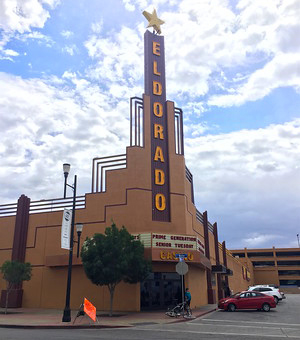
Boyd Gaming is selling the Eldorado Casino in the Las Vegas suburb of Henderson to DeSimone Gaming, operator of the city’s Railroad Pass Hotel and Casino, near Boulder City.

Terms of the deal were not disclosed, according to a report in the Las Vegas Review-Journal.

The Eldorado, a slots-only locals spot featuring restaurants, a sports book and 17,000 square feet of gaming space, is one of three Boyd casinos in Southern Nevada that never reopened when the state’s casino lockdown ended in early June.

Commenting on the sale, a Boyd spokesman characterized it as a “non-core asset” representing a “very modest part of our overall business.”

“It’s not a complete, full-service property like every other property they own,” industry consultant Josh Swissman told the Review-Journal. “They’re probably realizing that they’re able to retain and maintain a good portion of their data base and gaming revenue (without) those shuttered properties from other properties around town that are open.”

Boyd has not said when it will open the other two shuttered properties, Main Street Station in Downtown Las Vegas and Eastside Cannery on the Boulder Strip.

Despite Coronavirus, Indiana Gaming Surprisingly Strong

Indiana casinos were closed from March 16 through June 15 due to Covid-19. They have reopened with reduced occupancy, limited slot machine availability, caps on table game seating, closed poker rooms, reduced restaurant hours and no events or promotions. The Indiana Gaming Commission requires all casino patrons and employees to have their temperature checked before entering, and to wear a mask at all times unless eating or drinking at least six feet away from other individuals. With Covid-19 cases surging in October and November, these health and safety protocols are likely to remain in place for many more months.

Yet despite the limitations, in September the statewide casino win was $170 million, down just $8 million compared to September 2019. Also in September, sports betting handle topped $200 million for the first time as all the major professional sports leagues began or resumed their seasons. But those numbers pale in contrast to the $575 million casino win and $184 million in state and local tax revenue lost during the shutdown.

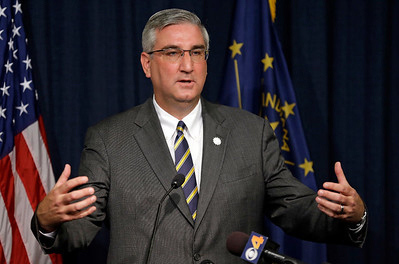
Governor Eric Holcomb said despite the tax revenue losses, “As our state works to slow the spread of coronavirus, I’m grateful for the years of exceptional stewardship that has allowed Indiana to be financially prepared to face this storm. We will remain dedicated to ensuring Hoosiers receive services without interruption while maintaining Indiana’s trademark fiscal responsibility as we adjust to this new normal.”

Still, local government officials immediately halted infrastructure projects and other municipal spending funded by casino receipts. East Chicago Mayor Anthony Copeland said, “I pray on bended knee that the industry will come back. But I’m far from foolish. I know that if they cranked up tomorrow, it still would take months and months before people that have been affected across the nation who go to these properties will have disposable income. So this is going to be more than a minute, and I realize that.”

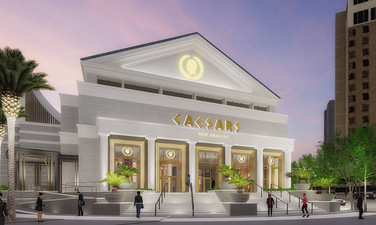
Caesars New Orleans Will Replace Harrah’s Brand

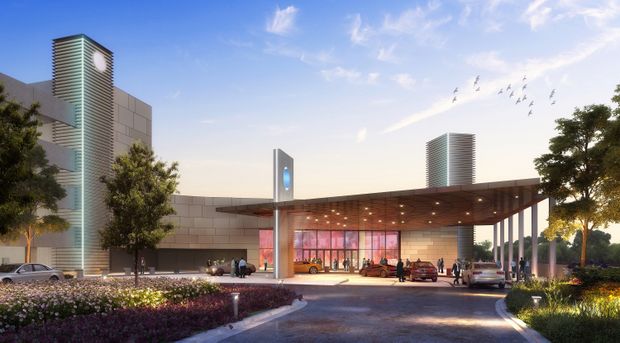
Caesars Entertainment has announced it will invest $325 million in Harrah’s New Orleans, adding a second hotel tower and renaming it Caesars New Orleans.

Company officials said the renovation will be complete by 2024. The New Orleans Building Corp. and the Louisiana Gaming Control Board still must approve the plans.

The venue’s interior and exterior will be remodeled, including the 115,000-square-foot casino. New restaurants and other amenities also will be added, said General Manager Samir Mowad. “(It) is only the beginning of a transformation,” Mowad said. “As a native of New Orleans, I am so proud that we are working with local architects and designers to help enhance an already incredible destination.” Mowad said Caesars will announce other details of the project in the coming months.

Caesars CEO Tom Reeg added, “We are excited to introduce Caesars New Orleans to the city. As the only land-based gaming operator in the city, we take great pride in our 20-year history in New Orleans, and this reinvestment is a testament to our continued commitment.”

The property, on Canal Street near the Mississippi River, opened in 2018 as the only land-based casino in Louisiana. The parcel and buildings associated with Harrah’s New Orleans are owned by real estate investment trust VICI Properties and leased back to Caesars.

The renovation is part of an agreement negotiated between Caesars and the Louisiana legislature to extend Caesars’ casino license through 2054. During its license application process last year, Caesars said it was necessary to add the new hotel tower to its existing 450-room hotel, opened in 2006, because it had to house VIP players at other city hotels due to the lack of rooms.

Caesars officials said the project will create 600 construction jobs. The company pledged to continue to employ at least 2,400 people and add 500 new jobs in 2024 when its renewed 30-year license begins. New Orleans Mayor LaToya Cantrell said, “We are excited that this expansion will mean hundreds of construction jobs during the project and hundreds more in sustainable and new jobs post-construction.”

She added the renovation of the property will help “move this city forward and fuel our economic recovery. The addition of Caesars New Orleans will strengthen our city’s position as the top cultural and entertainment destination city in the nation.”

Caesars also committed to finance various state and city infrastructure projects, promising $19.5 million over three years to the city.

Earlier this year, the Orleans Parish Assessor announced that, due to Covid-19, it would lower property valuations and thereby property taxes for 2021. As a result, Caesars will realize savings of $1.5 to $2 million.

In addition to Harrah’s New Orleans, Caesars now owns four casinos in Louisiana: Belle of Baton Rouge, Isle of Capri Casino Hotel in Lake Charles, Harrah’s Louisiana Downs in Bossier City and Horseshoe Bossier City. It has pending deals to sell Eldorado Shreveport (along with the operations of MontBleu Resort Casino in Lake Tahoe, Nevada) to Bally’s Corp. for a combined $155 million, Harrah’s Louisiana Downs Casino and Racetrack in Bossier City to Rubico Acquisition Corp. for $22 million and Belle of Baton Rouge to CQ Holding Company for an undisclosed price.