Author: Casino Connection Staff

2021 MLB Season Betting Preview

The 2021 MLB regular season begins on Thursday, April 1, with a full slate of 15 games to watch and wager on. Read below for a full breakdown of how BetRivers.com and PlaySugarHouse.com bettors are wagering on MLB futures ahead of the 2021 regular season.

World Series Outlook: The Los Angeles Dodgers (+350 World Series) are the odds-on favorite to repeat as World Series champs in 2021. Winners of eight straight division titles and three of the last four league titles, the Dodgers are backed by 24% of the total World Series handle and 33% of total World Series bets. But it is the Chicago White Sox (+850 World Series) that enter the season as the public favorites to win it all, backed by 55% of the total handle and 34% of all bets.

World Series Odds:
Dodgers +350
Yankees +550
Padres +800
White Sox +850
Braves +1000

American League Outlook: The New York Yankees (+230 AL) enter the 2021 MLB season with the shortest odds to win the American League, but the public is heavily invested in the Chicago White Sox (+380 AL), with 81% of the handle and 62% of the bets backing Chicago to win the pennant. The Yankees are backed by 9% of the handle and 23% of bets to win the AL, with the new-look Toronto Blue Jays (+875 AL) being backed by 3% of the handle and 4% of the bets. The largest MLB futures bet across all BetRivers.com and PlaySugarHouse.com brands is a $20,000 wager on the New York Yankees (+230) to win the American League, with a potential payout of $66,000.

American League Odds:
Yankees +230
White Sox +380
Twins +750
Rays +850
Blue Jays +875

American League Cy Young Outlook: White Sox ace Lucas Giolito (+450 AL Cy Young) has the third shortest odds to win the A.L. Cy Young Award, but is backed by 27% of the handle and 33% of the bets to win the award, more than any other candidate. Gerrit Cole (+350) is backed by the second most Cy Young handle (21%) and second most bets (13%). Two-time Cy Young Award-winner Jacob deGrom (+425 NL Cy Young) has the shortest odds and is backed by more money (37%) and bets (22%) to win the NL Cy Young Award in 2021.

American League Cy Young Odds:
Gerrit Cole (NYY) +350
Shane Bieber (CLE) +400

Lucas Giolito (CWS) +450
Tyler Glasnow (TB) +950
Hyun-Jin Ryu (TOR) +1300

American League MVP Outlook: Three-time AL MVP Mike Trout (+225 AL MVP) enters the season with the shortest odds to win the award, but is backed by just 2% of the total MVP handle and 3% of total MVP bets. The Chicago White Sox trio of Jose Abreu (+2500), Tim Anderson (+2500) and Yoan Moncada (+2500) are the public favorites to win the award, with Abreu leading the way with 63% of the total handle. Anderson is backed by 13% of all MVP bets, more than any other player. Moncada is responsible for the third-largest handle and the third-most bets.

American League MVP Odds:
Mike Trout (LAA) +225
Alex Bregman (HOU) +1200
Aaron Judge (NYY) +1200
Jose Ramirez (CLE) +1200
Matt Chapman (OAK) +1500

National League Outlook: In the National League, the Los Angeles Dodgers (+175 NL) enter the season as the betting and public favorites to win the NL for the second consecutive season. The public is backing the Dodgers with 24% of the handle and 56% of all bets to win the pennant. The San Diego Padres (+390 NL) are close on their heels, backed by 21% of the handle and 13% of the bets to win the NL. The Atlanta Braves (+500 NL) are backed by 6% of the handle and 8% of the bets to win the NL, while the New York Mets (+525 NL) are backed by 12% of the handle and 5% of the bets.

National League Odds:
Dodgers +175
Padres +390
Braves +500
Mets +525
Cardinals +1050

National League Cy Young Outlook: Chicago’s Kyle Kendricks (+6000), a relative longshot to win the award is backed by 12% of the handle and 17% of the bets to win the award. Last season’s winner, Trevor Bauer (+700), has the second shortest odds and is backed by 8% of the handle and 8% of the bets.

National League Cy Young Odds:
Jacob deGrom (NYM) +425
Trevor Bauer (LAD) +700
Max Scherzer (WAS) +950
Walker Buehler (LAD) +1000
Yu Darvish (SD) +1200

National League MVP Outlook: Young Nationals superstar Juan Soto (+750 NL MVP) shares the shortest odds to win the award with reigning NL MVP Mookie Betts (+750 NL MVP). But Soto is the public favorite, backed by 16% of the total MVP handle and 15% of total MVP bets. The dynamic Washington outfield isn’t a massive favorite, however. Dodgers infielder Corey Seager (+1500) is backed by 12% of the handle and 7% of the bets, while Braves outfielder Ronald Acuna (+800) is backed by 10% of the handle and 10% of the bets. Fernando Tatis Jr. (+850), one of baseball’s rising superstars, is also a popular pick, backed by 8% of the total handle and 12% of total bets.

National League MVP Odds:

Mookie Betts (LAD) +750
Juan Soto (WAS) +750
Ronald Acuna (ATL) +800
Cody Bellinger (LAD) +800
Fernando Tatis Jr. (SD) +850
BetRivers.com and PlaySugarHouse.com Sweet Sixteen and Elite Eight Betting Review

The Final Four is all set, and for the first time in NCAA Tournament history, all four schools are located west of the Mississippi River. Undefeated Gonzaga opened -14 against UCLA in the second National Semifinal, which ties the record for the biggest spread in Final Four history since the field expanded in 1985. But before the Final Four tips off this weekend, read below for a breakdown of how BetRivers.com and PlaySugarHouse.com bettors wagered on the Sweet 16 and Elite Eight.

The No. 1 seeds provided some of the biggest public wins of the second weekend, with the Baylor Bears again leading the way. The public backed Baylor -7.5 vs. Villanova and -8.5 vs. Arkansas with more money than any other bets of the second weekend. Both times, the Bears covered. On top of that, Baylor ML -325 vs. Villanova in the Sweet 16 was the largest winning ML handle of the entire weekend. The final game of the second weekend saw No. 11 seed UCLA advance from the First Four to the Final Four with a win over No. 1 seed Michigan in the most wagered-on game of the entire 2021 NCAA Tournament.

Most Wagered-On Games:
1. #1 Michigan vs. #11 UCLA (Elite Eight)
2. #1 Baylor vs. #5 Villanova (Sweet 16)
3. #2 Alabama vs. #11 UCLA (Sweet 16)
4. #1 Baylor vs. #3 Arkansas (Elite Eight)
5. #1 Gonzaga vs. #6 USC (Elite Eight)

Most Wagered-On Winning Bets:
1. #1 Baylor -7.5 vs. #5 Villanova (Sweet 16)
2. #1 Baylor -8 vs. #3 Arkansas (Elite Eight)
3. #1 Gonzaga -8.5 vs. #6 USC (Elite Eight)
4. #1 Gonzaga -13.5 vs. #5 Creighton (Sweet 16)
5. #1 Michigan -2.5 vs. #4 Florida State (Sweet 16)

Strongest Winning Bets by % of Total Handle:
1. 87%: Gonzaga ML vs. #5 Creighton (Sweet 16)
2. 86%: Gonzaga ML vs. #6 USC (Elite Eight)
3. 81%: Baylor ML vs. #5 Villanova (Sweet 16)
4. 76%: Baylor ML vs. #5 Villanova (Sweet 16)
5. 75%: Baylor ML vs. #3 Arkansas (Elite Eight)

Largest Payouts:
1. $38,200: $20K wager on #1 Gonzaga -8.5 (-110) vs. #6 USC (Elite Eight)
2. $23,850: $9K wager on #12 Oregon State +14.5 Live (+165) vs. #2 Houston (Elite Eight)
3. $22,400: $8K wager on #11 UCLA 1H ML (+180) vs. #1 Michigan (Elite Eight)
4. $21,600: $12K wager on #1 Baylor -4 (-122) vs. #3 Arkansas (Elite Eight)
5. $19,300: $10K wager on #1 Michigan -2.5 (-108) vs. #4 Florida State (Sweet 16)

Gaming and Covid-19, One Year Later

This time last year, March Madness became one of the first casualties of the Covid-19 pandemic. The shutdown of NCAA basketball was followed by the closure of businesses, sports, entertainment, casinos and more to counter the virus.

The tournament has returned, as have retail casinos and sportsbooks, but Covid-19 is never far from the conversation. This year’s March Madness games are being played in Indianapolis, in the bubble format that proved effective for the NBA last year. Fans can attend, but only up to 25 percent of capacity.

Similar limitations still hold sway in most casino hotel landscapes, although the percentages are increasing. Those increases are helping gaming halls in Atlantic City, Pennsylvania, Colorado and elsewhere, where amenities took a back seat for much of the past 12 months.

Online a Lifeline—to a Point

The saving grace, which possibly prevented a total collapse of gaming during the past year, was the rise in online wagering, including sports betting and iGaming. In Atlantic City, though revenues from in-person gaming dropped 48 percent in the 12 months that ended in February, at the same time revenues from remote gaming increased almost 92 percent.

Prior to its almost four-month shutdown last year, Atlantic City was on a roll, Steve Callender, president of the Casino Association of New Jersey, told GGB News. “We were on a 21-month winning streak of revenue growth, our sportsbooks topped Nevada’s and our diverse offerings were attracting new visitors.” Covid took care of that.

Significant increases in online gaming and sports betting, “while positive, do not drive tourism,” Callender said. “They don’t drive purchases by casinos from New Jersey vendors or sales by regional retail and restaurants. Most importantly, they don’t support employment or revenue at brick-and-mortar locations.”

The viral outbreak devastated AC’s meeting and convention business. For the 12-month period that ended in February, Meet AC reported a total of just 32 meetings and trade shows—89.2 percent fewer than the previous year. Nearly 600,000 fewer people attended meetings and conventions from March 2020 through February 2021. This resulted in almost $260 million less spending, a 90 percent year-over-year decline.

Rocky Mountain Higher

In Colorado, there’s reason for optimism when it comes to the state’s three casino hubs: Cripple Creek, Black Hawk and Central City, all former mining towns in the Rockies.

According to the Colorado Division of Gaming, which released the figures for January, statewide the industry rose $8.76 million, or 16.2 percent from December 2020. In Cripple Creek, adjusted gross proceeds (AGP)—the amount wagered minus payouts—increased 11.6 percent over December 2020.

In Black Hawk, AGP increased 16.4 percent. And in Central City, the figure rose 24.2 percent comparing January 2021 to December 2020. By contrast, in Black Hawk, AGP comparing January 2021 with January 2020 tumbled 10.8 percent and declined 4.9 percent in Central City.

“Although not as good as January 2020, which was pre-Covid, this is a good indication into how the industry will fare for 2021, as restrictions continue to be lessened,” said Jeff Mosher, marketing and events director for Cripple Creek Colorado. In February, after a months-long shutdown, table games opened up in Colorado, with most tables capped at three guests, and guests required to wash their hands before taking a seat.

But rebounds don’t necessarily mean full recovery, according to Doug Harbach, communications director of the Pennsylvania Gaming Control Board (PGCB). Nor can he say with any certainty that 100 percent capacity indicates normalcy compared to pre-Covid days. “Patrons will need to feel comfortable in a casino setting,” Harbach said, “and I don’t think anyone can clearly say when that would occur.”

For Kevin O’Toole, PGCB executive director, the worst part of the pandemic was its impact on casino employees, especially the mitigation steps that made it difficult to bring people back.

Total gaming revenue in Pennsylvania during the past 12 months went from $3.5 billion to $2.7 billion, a decline of $830 million. O’Toole has confidence that land-based casinos and online gaming will work together once the vestiges of the pandemic end.

Back in New Jersey, last week Governor Phil Murphy increased capacity for indoor dining from 35 percent to 50 percent. The 10 p.m. closing time for bars and restaurants also got the axe. A survey conducted by the Lloyd D. Levenson Institute of Gaming, Hospitality and Tourism (LIGHT) at Stockton University showed that more than 70 percent of respondents plan to visit Atlantic City within the next six months.

The survey, released March 16, found that of those who had yet to visit Atlantic City since casinos reopened in July, most stayed away because of the pandemic.

“This report tells a story of fewer public gatherings, a shift to virtual/remote activities, and the loss of thousands of jobs and hundreds of millions of dollars in the service sector,” said LIGHT coordinator Jane Bokunewicz. “But after the most challenging year in the history of casino gaming in Atlantic City, there are signs that a recovery is in sight.”

For Joe Lupo, president of Hard Rock Hotel & Casino Atlantic City, the recovery is not as clear-cut as he’d like. “With limited occupancy for entertainment and conventions—two elements of the Atlantic City market that drive a lot of volume—it’ll take some time.”

Still, Lupo expects a busy summer, even if the return of conventions and such might have to wait until 2022. “In this market, it’ll take 100 percent to come close to normal,” he said.

One of the key takeaways from a year with Covid was the importance of listening to customers, Lupo added. “It is and always will be the priority. Their advice and comments have allowed us to remain flexible and provide the safe environment they expect.”

Another takeaway: outdoor dining in the summer is a cherished amenity. “Our second level decks overlooking the Atlantic Ocean provide a great experience that we look forward to enhancing this summer,” Lupo said.

Time to Reopen Was ‘Yesterday’

Once Atlantic City is fully open, the market will recover quickly, said Michael Busler, professor of finance at Stockton University. “Most small businesspeople I spoke with tell me their revenue is 30 percent to 50 percent below the prior year. We needed to get to 100 percent capacity yesterday. I believe there’s a huge pent-up demand from people who’ve been locked down at least partially for more than one year.”

Busler believes New Jersey didn’t have to go through the kind of shutdown mandated by the governor. In states like Florida or Texas, more businesses remained open than in New Jersey, and mask mandates weren’t as long, yet their Covid numbers per capita were similar to California, a state that had near-total shutdowns, he said.

It’s been postulated that states such as California and New York, points of entry for people entering or returning to the continental U.S., initially had higher Covid infection rates, while states without the same level of precautions spiked later in the year.

Either way, according to Callender, “By this time next year, the pandemic will be behind us, and our city will be well on its way to a strong recovery from this unprecedented health and economic crisis.”

Haaland Sworn In as Interior Secretary

On March 15, New Mexico Rep. Debra Haaland made history with her confirmation as secretary of the U.S. Department of Interior, the first Native American in U.S. history to join a White House Cabinet. On Thursday, March 19, as she was sworn in by Vice President Kamala Harris, Haaland wore a traditional ribbon skirt, an homage to her indigenous heritage.

“Rep. Haaland’s confirmation represents a gigantic step forward in creating a government that represents the full richness and diversity of this country, because Native Americans were, for far too long, neglected at the Cabinet level and in so many other places,” Senate Majority Leader Chuck Schumer, said on the Senate floor before the 51-40 vote.

The new secretary will oversee some 500 million acres of land: almost one-fifth the collective mass of the United States, spanning 1.7 billion acres of coastlines and including national parks, wildlife refuges and natural resources such as gas, oil and water. She will also manage the Bureau of Indian Affairs and Bureau of Indian Education and lead a workforce of 70,000 employees.

According to Indian Country Today, Haaland is only the third woman to serve as interior secretary and stands eighth in line to the presidency. Yet her origins are modest. Born in 1960 in Winslow, Arizona to a 30-year combat Marine Veteran and his wife, a Navy veteran, Haaland is an enrolled member of the Laguna Pueblo of New Mexico. As a young single mother, she used food stamps to feed her family, and struggled to put herself through college. After earning degrees from the University of New Mexico and the UNM Law School, she started a small business producing and canning salsa.

Her career in politics began when she volunteered to boost voter turnout among Native Americans. In 2012, she joined the Obama campaign, and in 2014, ran unsuccessfully for lieutenant governor of New Mexico.

Haaland was the also first chairwoman of the Laguna Development Corp., where she was in charge of business operations for the second largest tribal gaming enterprise in New Mexico. According to the Laguna Pueblo website, the organization now operates two casinos and a satellite facility: the Dancing Eagle Casino near Grants, New Mexico, the Route 66 Casino in Albuquerque, and the Casino Xpress, built as a temporary facility next to the Route 66 property, but kept in operation due to high demand.
She was the U.S. representative for New Mexico’s 1st congressional district from 2019 to 2021; reelected in November, she has vacated that seat to assume the new role at Interior.

News of Haaland’s confirmation brought congratulations from across the Native American community. Carmen and Gary Davis, publishers of Native Business magazine hailed the appointment, saying they hope it will foster “regular and meaningful nation-to-nation consultation” among tribal, state and federal, and reaffirm “the United States’ important trust responsibility to Indigenous Nations.”

“The confirmation of Deb Haaland as the United States’ first Native American Secretary of Interior represents a remarkable moment for our nation,” agreed Ray Halbritter, CEO of Oneida Nation Enterprises, the business arm of the Oneida Indian Nation, with casinos in New York State. “Secretary Haaland has proven herself to be highly effective in uniting people of all backgrounds around shared purposes, and now, as Interior Secretary—her leadership will make an even more meaningful impact.”

Halbritter said Haaland’s ascent “marks a historical and significant triumph for Native people and Native children in particular to see a Native person represented at the highest level of U.S. government.”

In California, home of 109 federally recognized tribes and the site of hundreds of Indian casinos, legislative leaders applauded Haaland’s confirmation, calling it “a bridge to a new era.” Assemblyman James C. Ramos, chairman of the California Native American Legislative Caucus, said, “The appointment of a Native American as Interior secretary is a milestone I wasn’t sure would happen in my lifetime. Indian Country wishes her every success as we cheer her achievement with pride and hope.”

Ernie Stevens, chairman of the National Indian Gaming Commission, cheered Biden’s nomination of Haaland when it was announced in December, saying Haaland is “a fierce advocate for Indian Country” and “a trailblazer during her career in public office.”

“It is time that one of our own from Indian Country is at the head of the Department of Interior, and as the stewards of this land from time immemorial, we are more than confident that she will lead the Department into a future that protects our land and treaty rights as Native peoples,” Stevens wrote.

Tribal Chairman Jeff Grubbe of the Agua Caliente Band of Cahuilla Indians, one of California’s most prominent and successful gaming tribes, told the Los Angeles Times, “It’s good to have one of us in a position that represents the administration and the federal government, but also represents us. She’s the bridge.

“She understands how diverse tribes are,” Grubbe said. “Gaming is important to one, fishing is important to another, and then you have oil. Renewable energy is something she wants to push, and we look forward to working with her and seeing what opportunities there are. Tribes are starting to think that not everything should just be gaming—we need to diversify.”

Tribal Chairwoman Sara Dutschke of the Ione Band of Miwok Indian added, “Outside of the gaming context, it would be really nice to see some emphasis on economic development as well.”

As Haaland said during her confirmation hearing before the Senate Energy Committee, “If an indigenous woman from humble beginnings can be confirmed as Secretary of the Interior, our country and its promise still holds true for everyone.”

Vegas Bustling as Capacity Limits Wind Down

Huge crowds are reported to be swarming the Las Vegas Strip in the first week of a relaxation of capacity restrictions at Nevada’s casinos, restaurants and other businesses.

An order signed by Governor Steve Sisolak earlier this month bumped up the previous statewide occupancy limit of 35 percent to 50 percent as of March 15, with the promise of another increase on May 1 if new Covid infections remain at the relatively stable rates of the last several weeks.

State health officials recently reported 222 new cases of the potentially deadly virus last𑁋161 of them in Clark County, home to Las Vegas𑁋including some cases of the highly contagious UK mutation. One death was reported, bringing the state’s confirmed total to 5,118.

But that isn’t stopping the revelers, who’ve responded to the increased capacity with enthusiasm. Reports last week had crowds packed shoulder to shoulder on the sidewalks, casino parking lots filled, and most, though not all, visitors adhering to the state’s mask requirement.

“I think the increased capacity will help both consumer confidence and the bottom line,” said UNLV Assistant Professor of Hospitality Amanda Belarmino. “Guests will feel more comfortable and confident; therefore, they will be more likely to travel. The ability to have more guests on the floor at any one time should also help increase revenue by having more machines and tables open.”

It isn’t hurting either that the federal government’s $1,400 stimulus checks have begun to hit people’s bank accounts, making it more likely that cash will be flowing with greater momentum into Strip resorts in the weeks ahead.

The serendipitous timing of the NCAA Men’s Basketball Tournament should provide an added boost.

“March Madness,” as the tournament is known, began March 18, and before last year’s cancellation at the onset of the Covid crisis, was the second biggest betting event on the Las Vegas calendar after the Super Bowl. Normal years would see hotels fill up at near 100 percent occupancy, sports books packed with bettors, and resorts hosting elaborate watch parties and other special events.

“The numbers are exceeding expectations despite some of the limitations we’re still dealing with. These are positive signs that we’re inching back to normalcy,” Jay Kornegay, vice president of Westgate SportsBook, told the Las Vegas Sun.

“From everything I’ve heard and seen, we are expecting to have a great weekend to start March Madness,” said Lisa Motley, director of sports marketing at Las Vegas Convention and Visitors Authority. “Obviously, it’s all under capacity limits so it won’t be what we’re used to but it’s a shot in the arm for the destination to come out of the gate with something this exciting and celebrating what we think might be the start of a return to a little bit of normalcy.”

In March 2019, gamblers wagered a record $498 million on basketball in Nevada, most of which, no doubt, was March Madness betting, although state statisticians don’t break out specific events.

If anything, the long months of national self-isolation and the virtual disappearance of public entertainment have whetted bettors’ appetites. Nevada’s sports books set a single-month handle record with $660 million wagered in October and an all-time win mark of $56 million on football in November.

The Westgate SuperBook, to take one example, has seen record handle in five of the last seven months, according to Kornegay.

“Sports betting is so popular right now. People don’t have a lot of options these days, and sports betting is one of them so they’re taking advantage of that.”

Observers across the larger Las Vegas scene, meanwhile, are steadily more optimistic, albeit with all the qualifications inherent in the slow approach to a “new normal,” whatever that may turn out to be.

Nehme Abouzeid, president and founder of tourism consultancy LaunchVegas, said the new capacity level of itself “won’t have earth-shattering effects.”

“But increasing capacity for retail, dining, entertainment and events is critical to Vegas getting its groove back,” he told the Las Vegas Review-Journal. “A vacation is not a Vegas vacation until it includes all of the things that we excel at, like headliner shows, luxury shopping and over-the-top gourmet dinners.”

Brendan Bussmann, director of government affairs for gaming consultants Global Market Advisors, agrees.

“The continued increase in capacity continues to show that Las Vegas is beginning to reopen. It is a welcome number that has not been seen since last fall when capacity was cut by 50 percent by the governor. The hope is that this trend continues by reopening the economy so that we can continue the recovery that was started last June.”

He added, “The key, though, will be the return of meetings and conventions and other amenities. While other destinations have started to fill that void, the sooner the destination can get back to hosting these events, the better it will be for its long-term recovery.”

NBA A Pioneer of Sportsbook Partnerships

The Philadelphia 76ers opened their second half March 11 with a win against the Chicago Bulls, keeping them atop their division. The regular season will continue through May 16.

Unlike last season, when the coronavirus pandemic shortened the second half and remaining games took place in a bubble in Orlando, Sixers’ games this year are beinig played at home, at the Wells Fargo Center in Philly, and at arenas around the country.

Whether Joel Embiid & Co. stay in first place remains to be seen. But from the vantage point of sports betting, the fans are sure winners. The NBA has been out in front, helping break the stranglehold of opposition from professional leagues to sports wagers.

Out Front

The NBA was the first major U.S. sports league to see sports betting as a positive. It did so even as New Jersey lawmakers pressed their Supreme Court case to overturn PASPA.

In a 2014 op-ed by NBA Commissioner Adam Silver, “he noted there was an estimated $400 billion illegally wagered on sports each year in the U.S.,” said Scott Kaufman-Ross, senior vice president and head of fantasy and gaming for the NBA, in comments to GGB News.

In 2018, with New Jersey victorious and legal sports betting starting to spread around the country, the NBA embraced the new world. The 76ers now partner with 30 authorized sports betting operators including DraftKings, BetMGM and Caesars Interactive. The NBA itself has partnered with MGM Resorts International and earlier this month, forged an alliance with Bally’s Corp. These two-way street benefit both sides.

Take the DraftKings partnership. The sportsbook is now the exclusive daily fantasy partner of the 76ers as well as a sportsbook and online casino partner. “The 76ers are proud to continue to stand alongside DraftKings as we create and amplify expanded and differentiated opportunities for fans to engage with our team, dynamic players and sport,” said 76ers President Chris Heck when the agreement was announced in early 2020.

For its part, DraftKings offers VIPs a “Court of Dreams” excursion, giving them an all-access inside look at the 76ers’ training complex plus season tickets and suites for hospitality and promotional use. In exchange, the team provides various signage and other promotions for DraftKings.

The sportsbook has similar deals with the Indiana Pacers and Boston Celtics.

The 76ers highlight BetMGM on digital and social platforms as well as the 76ers app. BetMGM also has prominent signage in the arena during games, Molly Mita, 76ers’ director of communications, told GGB. MGM Resorts’ Borgata Hotel Casino & Spa in Atlantic City is designated as an “Official Away Game Host of the Philadelphia 76ers,” an activation that will feature events onsite when it’s deemed safe to do so, Mita said.

Borgata will also host a co-branded season ticket member and VIP event in the future featuring casino games, appearances by 76ers legends, autographed memorabilia raffles and other exclusive prizes.

The 76ers have also partnered with Harrah’s casino and Caesars online, which includes a team app predictor game slated to launch during the second half of this season, along with Caesars signage on television broadcasts.

‘New, Creative, Engaging’

“Partnering with the NBA is an exceptional opportunity for Bally’s,” Bally’s CEO George Papanier said in a statement to herald its new arrangement with the league. “Together with the NBA, we’ll unlock significant opportunities to provide a greater population of NBA fans with new, creative and engaging sports betting products and services.”

It’s all part of the NBA’s strategy to help build the legal, regulated, transparent sports betting industry made possible by the overthrow of PASPA, and minimize the impact of the offshore market, Kaufman-Ross said.

“These partnerships, which provide Bally’s with access to official NBA marks and logos, will enhance fans’ engagement with their favorite NBA teams,” Adi Dhandhania, Bally’s vice president, strategic transactions and interactive development told GGB. “We intend to incorporate these assets across our interactive platforms, which will significantly improve players’ sports betting experience.”

There are several components the other side has to provide, Kaufman-Ross said.

“These include a commitment to provide certain information to help us protect the integrity of our games, collaborations on responsible gaming practices, opportunities to innovate with partners on new ways to engage fans who choose to interact with the NBA through a betting lens,” he said.

There’s also financial compensation for use of the official data feed, IP rights, and, in some cases, other assets such as marketing rights and inventory on NBA digital assets.

Bally’s agreement with the NBA adds to its burgeoning sports betting alliances and acquisitions. Last year, the company struck a strategic partnership with the Sinclair Broadcast Group and its 19 regional sports networks, which host more than half the teams in the NBA. And in February, the corporation partnered with the National Hockey League.

Bally’s continues to be open for new opportunities and relationships, Dhandhania said. “It’s part of our strategy to become a leader in the U.S. online sports betting and iGaming space,” he said.

It’s also a model for other companies, teams and stakeholders on how to slam it home.

Podcast with Joe Hasson

Virgin Hotel Las Vegas, located at the former Hard Rock Casino Hotel, opened March 25. Mohegan Gaming & Entertainment will operate the casino, marking its first entry into the Las Vegas market. To lead that effort, MGE has hired Joe Hasson, a longtime Station Casinos executive who ran Green Valley Ranch and most recently the Graton casino in California. Hasson explains how this opening is different from others in that he has an experienced employee pool and a focus on gaming only, as well as the deep database he can leverage from several sources. He spoke with Casino Connection and GGB Publisher Roger Gros via Zoom in early March.

► Listen in iTunes and Subscribe to GGB Podcasts.

► Listen on Spotify

Nevada OKs Caesars William Hill Buy

The $3.7 billion deal agreed to by Caesars in April to buy the William Hill sports betting business was approved by the Nevada Gaming Commission last week. William Hill has more than 120 sports books in the state and also conducts mobile sports betting. Caesars had previously acquired 20 percent of the company, but Caesars CEO Tom Reeg wanted it all.

“We wanted to sit at the steering wheel ourselves,” Reeg said. “We’re essentially going from a 20 percent to a 100 percent position.”

Caesars operates 54 properties in 16 states, which will all feature William Hill books in the states were sports betting is legal. William Hill operates books in some non-Caesars casinos, and Reeg said the company will not use any Caesars branding in those locations.

As stated back in April, Caesars will sell the international business of William Hill to concentrate on growing the U.S. side. William Hill operates many bookmaking locations in the UK as well as mobile sports betting across Europe. A bidding war could be building for those assets, with 888 Holdings and Betfred interested in making a bid. Analysts expect the international assets could draw as much as $1.65 billion.

Chicago Casino Gets Real

In early April, the city of Chicago will issue a request for proposals (RFP) to bring a “world-class casino resort” to the city. Mayor Lori Lightfoot says the project is a “tremendous opportunity” for the right operator.

In a March 4 news conference, Lightfoot said Chicago is ideally positioned to host a casino resort, based on location and population.

“It’s a world-class city, at the crossroads of a lot of different intersections. It’s within a five-hour drive of a lot of destination points in the Midwest and Upper Midwest, the heartland and the border states. A Chicago casino has been a long, long time coming.”

In fact, as a young attorney Lightfoot who was part of a blue-ribbon panel called by then Mayor Richard M. Daley to promote a Chicago casino. Daley suggested the casino should be government-owned in order to deal with “all the repercussions of gambling.”

“You don’t want a casino to hurt all your restaurants,” Daley said. “You want a casino only to be for a casino—not for food and beverages and everything else. You go in there for one reason: to gamble.”

Lightfoot departs from that view. “If you look at casinos that have come online in the last 10 years, the ones that have been really successful aren’t just a box. They’re really the whole package.

“It’s not just people putting coins in a machine or gathered around a table,” she said. “Gaming has evolved significantly over the last few decades. and we want to take full advantage of that trend.”

A summary of the RFI reported that most respondents share the same vision: a true integrated resort model with a hotel, food and beverage outlets, a “multipurpose space to be used for conventions, entertainment and events,” and a retail district as well as parking. Suggested land requirements ranged from just 10 acres to 100.

Global Operators Interested

In December, 11 companies responded to the city’s initial request for information (RFI) about a Windy City casino. On the list were some formidable names: MGM Resorts International, Wynn Resorts, Illinois-based Rush Street Gaming and Hard Rock International, owned by the Seminole Tribe of Florida.

A real estate investment trust, MGM Growth Properties, also participated, as did four real estate developers, a casino consultant and the Chicago Neighborhood Initiative.

Lightfoot told GGB News she was glad to see Vegas-caliber names. “We want an RFP that’s going to be attractive to the top gaming ventures in the world—my hope is that many of them will have Las Vegas addresses. For us, the sky’s the limit.”

She added, “We’re not putting our thumb on the scale for anyone, we just want someone who shares our vision about how tremendous an opportunity this is.”

A portion of tax revenues will be earmarked for the city’s pension system, “which is desperately needed,” Lightfoot said.

‘Built-In’ Customer Base

Some metropolitan casinos—in cities like Detroit, New Orleans and Baltimore, for example—have fallen short in terms of performance expectations. Asked why Chicago will be different, Lightfoot said, “Number one, we have an incredibly diverse and robust economy that’s different from almost every other city in the country. Year after year, we’re identified as one of the key destination points for tourists from across the country and the world. That gives us a head start … Chicago is a fertile ground (with) a built-in class of customers. We’re not generating that from scratch, we already have it, and this will just amplify existing strengths.”

The originally proposed tax rate has been whittled down from an effective rate in the 72 percent range to about 40 percent. According to Lightfoot’s Chief Financial Officer, Jennie Bennett, the initial tax structure “was clearly untenable,” and the revised rate “is supportive of financing a casino that will be viable in Chicago.”

Lightfoot added, “We want to set up the chosen operator for success, and we’re committed to partnering in a way that makes that happen.”

Grant Govertsen, Union Gaming principal and author of a study on the Chicago casino project called the city’s single license “among the best casino-resort development opportunities right now. Covid-19 casino shutdowns, financings to bolster balance sheets and industry teams putting development plans on ice resulted in the Chicago casino opportunity largely flying under the radar last year. Now the combination of available capital and attractive Chicago market metrics make the opportunity prime for a Las Vegas-style integrated resort.”

Govertsen told GGB News that three factors combine to make this a matchless opportunity. The first, clearly, was paring down the original high tax rate, which “left no meat on the bone, with 70 percent of every dollar going to taxes.”

Second was the addition of a backward-looking reconciliation payment, which replaces an upfront multimillion-dollar fee, allows the operator to spread the payment over a number of years, and bases the fee on revenues.

The third factor was the new “site-agnostic” approach.

“When we were retained to do the feasibility study, we got five specific sites within the city, and all of them were economically distressed; they probably wouldn’t have been first choice for any casino developer,” Govertsen said. “Now, whatever site a developer can get their hands on is fair game.”

That could mean a downtown casino, in a town that’s already highly built up, even congested. How will that work?

“It’s not like there are massive plots of land lying around in prime locations,” Govertsen acknowledged. “That could mean a more vertical project, like the Cosmopolitan—it’s on eight acres on the Las Vegas Strip, which is nothing. Or it could be something towards the convention center, McCormick Place, where you could get some crossover from the convention business. A casino developer would need to do some work there to find the right site. You want as exclusive a zone as possible, and I imagine a lot of developers would look centrally.”

In fact, eight of the 11 RFI respondents said the casino should be downtown or “near downtown.” And all of them “expect to leverage existing Chicago facilities such as existing hotels, convention centers, theaters, sports venues, and cultural and other attractions.”

Perhaps most importantly, as Govertsen observed, “Chicago is unserved or underserved in terms of gaming. The city has multiple millions of people, more than enough to support a large casino. The revenue potential is there.”

Lightfoot is all in for the project. “This could have such a catalytic effect on the economy of our city,” she said. “Believe me, I worked the phones, I really pitched folks to get this over the threshold. I certainly expended my own personal political capital, because I knew how important it was.”

Asked if the city could support two casino resorts, Lightfoot replied, “Listen, I love it. But getting just one from our state legislators had the gestation cycle of an elephant. One at a time.”

Fast Lane Opens for New York City Casinos

Plans to fast-track the licensing of three New York City casinos have made their way into a state Senate budget bill for the upcoming fiscal year.

The aggressive proposal calls for the New York State Gaming Commission to issue a request for applications by July 1 and for the commission to award the highly coveted licenses within 150 days of that.

“Neighboring states have authorized forms of gaming that are siphoning New York state dollars and travel industry-derived revenue to other out-of-state markets,” the proposal states.

“Simultaneously, as a result of the Covid-19 emergency, state and local revenues have been devastated,” it continues. “This is particularly alarming given the potential effect on the state’s education funding. The Legislature recognizes that downstate gaming resorts have the potential to significantly boost revenues for education support, create thousands of quality jobs and support the local economy downstate.”

The proposal also includes a mechanism requiring New York City Council approval of the casino locations, setting up the strong possibility of months of heated debate among the powers that be in the greater metro area.

To advance, the plan will have to be reconciled with the Assembly’s budget bills, which don’t include any action on casinos, and with the much more deliberate thinking of the administration of Governor Andrew Cuomo,

The governor’s budget proposal called for a request for information on potential downstate casino licenses𑁋“to seek information from parties interested in developing and/or operating one of the three remaining gaming facilities” and “assess interest in the unawarded licenses by focusing on determining the appropriate size and scope of development, the value of the gaming facility licenses and the process that should be used in award consideration.”

But for a state reeling from the economic and financial devastation of the pandemic𑁋and a governor battling a sexual harassment scandal that has diminished his power𑁋the go-fast approach could prove more compelling than it might have been in normal times.

The Senate proposal promises an instant $1.5 billion windfall from a minimum license fee of $500 million for each of the three licenses, plus an annual tax on gaming revenue of 45 percent contingent on business levels and other factors.

It also includes a mechanism for the state’s struggling upstate casinos to seek breaks of up to 20 percent on their taxes if they meet a list of criteria, including “the inability of the operator to remain competitive under the current tax structure.”

Conceptually, the administration agrees with this, its budget proposal calling for a “a petition process for the casinos to demonstrate their need for a lower tax rate based on certain criteria, including their financial projections, the use of the additional funds, impact on the overall competitive landscape and other economic factors.”

The 2013 law that authorized up to seven full-scale casinos in New York imposed a 10-year moratorium on downstate expansion to give the four upstate properties time to establish themselves. Despite a five-year head start their performance has been mixed at best, and in a statewide market saturated with gaming options, all four have consistently failed to meet their initial financial projections. At the same time, casino giants like Las Vegas Sands, MGM Resorts International and Genting and their New York allies have been lobbying to scrap the moratorium. But in the face of opposition from Cuomo it wasn’t expected they’d succeed. Then everything changed in the wake of the Covid crisis, and the likelihood that the Legislature will rewrite the rules sooner rather than later suddenly looks very real.

“Let’s not waste time with a process,” said Queens Senator Joseph Addabbo, who chairs the Committee on Racing, Gaming and Wagering in the upper house. “We know there’s interest. Let’s have a process that’s time-constricted and we can recognize the revenue this year.”

The go-fast approach also favors the two incumbent operators, MGM and Genting, which operate massive racinos at Yonkers Raceway and Aqueduct and naturally oppose the creation of three new license in their respective backyards.

This would be less lucrative than awarding three new licenses, according to a study conducted by Spectrum Gaming under contract with the state. But it would still be hefty, generating upwards of $4.2 billion in gaming revenue and around $500 million in taxes annually.

It also enjoys the support of those who see a quick solution to two of the licenses by simply allowing the two properties, both well-established in their respective markets, to scale up to full casinos by adding house-banked slots and table games. Their support is reported to include powerful labor groups such as the Hotel Trades Council.

If this is the way it goes, and it seems likely, it would leave the decision of where to place the third license, which promises its own raft of complications, given the range of competing interests in a city the size of New York. Manhattan would be the obvious choice, but this has at least as many influential opponents as supporters, many of them concerned about the effects of cannibalization on what the city traditionally offers to tourists and residents.

As Clyde Barrow, a former SUNY professor now resident at the University of Texas-Rio Grande Valley, told metro-area news site City Limits: “It’s not just an additive process where you build a casino and it attracts new growth. A very significant proportion of a casino’s revenue will come from existing facilities.”

There is also the question of how the various market forecasts will fare in the face of the arms race that is likely to ensue if New Jersey moves ahead with a competing casino in the Meadowlands, if Connecticut OKs a third casino to defend the market share that Foxwoods and Mohegan Sun will lose, and a new Indian casino springs up on lands owned by the Shinnecock Tribe on Long Island.

“New casinos in New York City would likely siphon off some of the business the state’s existing video lottery facilities now get, making them candidates for a tax break, too,” said Barrow. “And if the city casinos spur new casinos in other states, and those cut into local casino profits, what then? It becomes this never-ending downward spiral where you keep building in what is essentially a saturated market, and the more you build the less the state collects.”

Is Trump Doral a Possible Casino Site for Miami?

In Florida, rumors are flying that Republicans may submit legislation to legalize casinos in areas where they’ve long been opposed. If that happens, Eric Trump, former President Donald Trump’s son, said he may turn the family’s Trump National Doral golf resort in Miami into a casino. People already are taking sides and gearing up for a serious battle, especially because of Governor Ron DeSantis’ relationship with the former president.

A possible bill would allow developers to transfer gambling licenses to properties in areas where casinos have long been prohibited, barring local municipal governments from intervening. Longtime gambling opponent Miami Beach Mayor Dan Gelber said, “My understanding is they are trying to take the gambling permits that are in South Florida and make them portable and preempt local governments from stopping them.” The Miami Beach City Commission plans to hire outside legal counsel to challenge that provision if the bill passes.

Eric Trump said in a statement to the Washington Post, “Many people consider Trump Doral to be unmatched from a gaming perspective. At 700 acres, properties just don’t exist of that size and quality in South Florida, let alone in the heart of Miami.”

The Doral property has experienced a tremendous drop in business due to Covid-19 and Trump’s controversial presidency. During his term, revenue at the heavily indebted club fell 44 percent in 2020, according to Trump’s government disclosure form.

Trump built an Atlantic City casino empire that ended in bankruptcies in the early 1990s. Prior to entering politics, he repeatedly advocated for the expansion of casinos in Florida.

Currently, gambling in Florida is limited to Seminole Tribe of Florida and Miccosukee Nation casinos and horseracing properties. Observers said this year’s proposal may have a chance to succeed. “We’ve been trying to do this for eight years, and this is the closest we’ve gotten,” said an insider.

The rumor mill says the bill is being shepherded by Senate President Wilton Simpson and could be introduced soon. Simpson’s spokeswoman Katie Betta said in a statement that “gaming negotiations are extremely complicated, and while Simpson believes the efforts are worthy, it is also important to be realistic about where we are.” She added Simpson “has been involved in these negotiations for years, and if they get to a place where he believes an agreement would benefit the state of Florida and have the support of his colleagues in the legislature as well as the governor, he would be happy to discuss further details.” Betta added Simpson has not discussed gambling with Trump.

Observers also said DeSantis recently met with owners of gambling facilities whose business might be hurt by new casinos. Prior to his 2018 election, DeSantis worked to build a relationship with Trump and strongly supported his reelection.

Trump ally and Florida lobbyist Brian Ballard also is working to expand gaming in Florida, said a person close to him who added Ballard is not working on behalf of Trump but for sports leagues and other clients.

Although Republicans control the state House, Senate and executive branch, support for gambling expansion has not always fallen along partisan lines. Miami-area leaders of both parties have teamed up with Disney and the Seminole Tribe of Florida, which operates tribal casinos, to defeat past proposals. The state constitution also requires that voters ultimately approve gambling through a ballot measure.

Republican real estate developer Armando Codina, who has developed numerous properties in the Doral area, said he was against the proposal to open a casino at Trump’s property, especially since the negotiations “have happened in a dark room,” he said. Codina said the legislation could make Trump’s resort worth hundreds of millions of dollars more if a casino opened there. But, he stated, “I think this would be bad for Florida, and I think it would be terrible for Miami-Dade County. We’ve created a venue that is a family venue. If this was to happen in Doral, we would over time probably sell a bunch of our interests.”

South Florida billionaire and philanthropist Norman Braman said the Miami area had no need for casinos. “It’s nonsense that tourists will come here to gamble. It just doesn’t make sense. It will feed off the community,” he said.

Both Codina and Braman recently met with Miami Beach city commissioners to express their opposition to the proposal. So did state Rep. Michael Grieco who represents the area. Grieco said he was closely watching the legislature. “I will be the tip of the spear when it comes to anything coming across the House floor,” he said.

After buying the Doral resort for $150 million in 2012, Trump hired a top Florida lobbyist to try to get gambling approved. He told the Miami Herald in 2013, “I think gambling is a good thing for Miami.” During a 2015 Republican primary presidential debate, gambling opponent Jeb Bush, who served as Florida’s governor from 1999 to 2007, accused Trump of trying to buy support for new casino licenses through campaign donations. Trump said, “I promise, if I wanted it, I would have gotten it.”

Trump has a $125 million loan on the property from Deutsche Bank, according to government records. The full extent of its losses is unknown, but according to the New York Times, the resort had lost $162.3 million through 2018.

Besides Trump’s Doral resort, the Fontainebleau Miami Beach hotel also is considered a casino candidate. Owner and developer Jeffrey Soffer has promoted gambling expansion and recently purchased a parimutuel casino and former dog racetrack north of Miami, renaming it the Big Easy Casino. He was also behind the failed Fontainebleau project in Las Vegas that is still an empty shell.

The site of the former Miami Herald headquarters owned by Malaysia’s Genting also has been considered as a potential casino location.

Two people familiar with the proposal said it probably would legalize sports betting and allow the Seminole tribe to control a majority of that market as part of a revised gaming compact with the state.

Florida state Rep. Joseph Geller, a Democrat who tracks gambling issues, said he had not seen any details of the bill. “Usually the whole thing is done behind the scenes,” he said. He noted the former argument that gambling was necessary to plug state budget holes doesn’t apply anymore, since President Joe Biden signed a $1.9 trillion Covid-19 stimulus package that directs about $10 billion to Florida. Geller added although Trump remains popular among Republicans, he may not have the support he needs to open a casino. “This guy has bankrupted every casino he’s ever run. How do you bankrupt a casino? I don’t think we need a failed casino. We don’t want to be the next Atlantic City,” Geller said.

Lamont, Connecticut Tribes Reach Gaming Agreement

Connecticut Governor Ned Lamont has reached an accord with the Mashantucket Pequot and Mohegan tribes on a gaming expansion plan that includes sports betting and online gaming, the three parties announced March 18.

Lamont declared, “Connecticut is on cusp of providing a modern, technologically advanced gaming experience for our residents, which will be competitive with our neighboring states.”

According to the Associated Press they agreed that the state would tax online gaming offered by the tribes at 18 percent for the first five years and 20 percent thereafter. Sports betting would be taxed at 13.75 percent. Reportedly the sticking point in the negotiations was that the Pequots were holding out for a lower taxation rate. Currently the tribes pay 25 percent of their slot machine profits to the state.

This agreement comes at a propitious moment for the Pequot tribe. Moody’s Investors Service has attached a “limited default” notation to the debt rating of the tribe, which owns and operates the Foxwoods Resort Casino in Connecticut.

Moody’s applied the designation after the tribe was again able to postpone the due date of a major loan of $275 million that has had several extensions. Moody’s considers this to be a “missed payment,” noting that $255 million of that loan was outstanding as of September 30, 2020.

Mashantucket Pequot Tribal Chairman Rodney A. Butler called the designation “technical in nature,” and said it was removed after the lenders agreed to extend the maturity date to February 16, 2022. “No payment default has occurred,” he said.

Before Thursday’s announcement the governor previously announced a separate agreement with the Pequots sometime rival the Mohegan tribe on those issues, which caused resentment with Butler, who called it “disrespectful.”

In recent days, however, indications of an agreement including tribes were evident. His chief of staff, Paul Mounds, “Any negotiation, all parties got to come to a conclusion on it. At the end of the day, a global agreement on gaming is a win for the Connecticut taxpayer. There’s always a lot of give and take that has to do with a negotiation of this magnitude.”

Springfield Master Plan Would Benefit MGM Casino

The city of Springfield, Massachusetts has adopted the first phase of a master plan for the Main Street corridor that runs near the MGM Springfield casino. The plan’s purpose is to revive the downtown area.

According to the city’s chief development officer, Timothy Sheehan, the plan, which was developed in cooperation with MGM, “to provide a roadmap and strategies to guide near, mid and long term potential.” He said the plan is “critically important” in letting developers and investors know what the city would like to see on Main Street.

When the city approved of the $960 million MGM Springfield, the expectation was that it would help spur redevelopment in the downtown area. Since its 2018 opening that expectation hasn’t yet caused the “catalytic economic development and vibrancy outside the confines of the casino district,” that plan calls for.

The first phase of the plan calls for “leveraging the energy of MGM Springfield and its plaza by extending it out to Main Street,” encouraging street level business such as retail, dining and entertainment. It would also improve infrastructure and “assist, control or acquire” “languishing” properties. It would also seek to revive the MassMutual Center.

The city will also be applying for $5 million in federal loan guarantees to “jump start the redevelopment of priority parcels” according to the plan.

In related news, the Massachusetts Gaming Commission has agreed to bring back blackjack and craps to the MGM Springfield and Encore Boston Harbor casinos in response to declining numbers of infections from Covid-19. It was acting on a request by the two casinos, who said it will increase customer participation and allow them to bring back some employees.

The panel voted 3-1 to bring back blackjack and 4-0 to bring back craps.

MGC Chairwoman Cathy Judd-Stein told MassLive: “There is a lot of comfort in knowing that our enforcement measures are heightened… and we will continue to rely on the compliance efforts of the two licensees here.”

Blackjack games will continue to have clear plastic partitions but will be allowed four players—up from three—and three feet of social distancing between players.

Craps will be returning for the first time in a year. Six players maximum will be allowed, with partitions between players and dealer. Four feet of distancing will be required. Dice will be sanitized and no non-players will be allowed to congregate around the action.

In Virginia, Rush Street Plans Casino, No Hotel

Officials at Chicago-based Rush Street Gaming presented an update on the $300 million Rivers Casino planned for Portsmouth, Virginia at a recent city council meeting. With a projected opening date of fall 2022, the venue could be the first casino in the state, expected to open as soon as fall 2022. It will feature a gaming floor, sportsbook, event center, outdoor entertainment venue and several restaurants and bars and create 300 construction jobs and 1,400 permanent jobs. However, the officials said even though a hotel appears in all the marketing materials, they can’t commit to when it will be built.

Rush Street Senior Vice President Mike Tobin said, “Our goal is to be the first permanent casino open in the state of Virginia. So we are really focused on getting the casino as open as quickly as possible. Our goal is to get the hotel open at the time that it can be most effective for being a successful addition to the community of Portsmouth.”

Tobin noted Covid-19 has impacted hotels over the past year and new hotels especially need to consider guests’ concerns and expectations. Tobin said rushing into a hotel and ending up with empty rooms could hurt the overall project. “The last thing any of us want to do is have a hotel that opens to the wrong time relative to the hospitality market and is not successful. Because that will hurt the community and be detrimental to the revenues of the casino,” Tobin said.

Portsmouth Vice Mayor De’Andre Barnes said he had concerns about competing without a hotel. “I’d rather see it all happen at once. If the casinos in Norfolk and Richmond have hotels and more places to stay and things to do nearby, where would people choose to go? Too many people in the city operate as if Portsmouth is already a destination. We still have to make it a destination.”

Interim City Attorney Burle Stromberg explained Rush Street Gaming’s development agreement with the city allows the firm to begin construction on the hotel at any time, but requires work to start the when the Portsmouth venue when it reaches certain revenue benchmarks once Norfolk’s casino opens. As explained previously, if Portsmouth’s casino earns a profit of $175 million in one year or $250 million over two years while competing against Norfolk’s casino, then Rush Street must begin building the hotel within a year. However, if work on the hotel hasn’t started after four years of the Portsmouth casino’s opening, then the city’s economic development authority will take over the project and can seek a new builder.

Rush Street Gaming officials have not publicly explained why the approval of Norfolk’s resort casino would have impacted when or if it builds the hotel for the Portsmouth casino. However, Portsmouth’s economic development director said “market conditions” would play a role in what is ultimately built in Portsmouth.

The whole situation has frustrated Portsmouth Vice Mayor De’Andre Barnes, who said, “The citizens believe all of the amenities will be here at the same time. They have to meet those checkpoints, if they don’t in four years, then the city is the one who will have to basically build the hotel. If the casino is not performing, who will build the hotel?”

Tobin told council members “absolutely we are building a hotel,” but when pressed by Barnes for a timeline, he couldn’t give one, citing again the need to study the hotel market in Hampton Roads. “I’m sorry that I do not have a more definitive answer, because I don’t have a more definitive answer,” Tobin said.

Meanwhile in Richmond, city officials held the second of two virtual public meetings about a new casino there. The city received six proposals from casino operators. In May or June, an evaluation committee will select which proposal to recommend to the city council and a referendum will be held in November to determine if voters want a casino.

New Orleans-based consultants, Convergence Strategy Group, estimated new tax revenue from the casino could generate $270 million to $284 million in annual revenue, and produce $30 million annually for the city.

At the public meetings, most of the questions were about social costs and safety. Richmond Director of Economic Development Leonard Sledge stated, “We are mindful of issues and concerns that individuals have. As a part of the conversation and dialogue that we’re having broadly, it’s so we can hear the issues and concerns, but also discuss ways that we mitigate the impacts of those.”

Last year the legislature passed a bill allowing casino gambling in five cities: Norfolk, Portsmouth, Danville, Richmond and Bristol. All except Richmond have held referendums already and are partnering with casino operators to develop the venues. The Virginia Lottery will regulate the new casinos.

Maryland Eases Covid-19 Restrictions

Maryland casinos are now permitted to double the guests allowed in their properties, as Governor Larry Hogan last week eased restrictions put in place in December that had limited casinos and restaurants to operating at 25 percent capacity.

Casinos, restaurants, and other large outdoor and indoor venues are now permitted to operate at 50 percent capacity, the same as last summer when they originally reopened following a shutdown of several months due to the Covid-19 pandemic. Hogan cut the capacity in half last December to prevent the kind of surge in Covid-19 cases over the Christmas holiday that occurred over the Thanksgiving holiday.

The mask mandate, physical distancing and other safety protocols will remain in place for the foreseeable future, although quarantine requirements related to out-of-state visitors have been lifted.

Penn’s Mini-Casino to Open in Pennsylvania; Bally’s Ready in State College

The formerly disrespected Category 4 casinos are suddenly heating up. Category 4 casinos, created by Pennsylvania’s 2017 gaming expansion law, were intended as satellite facilities to current licensees, to be located in underserved areas with facilities limited to 750 slots and 30 table games at opening, with an additional 10 table games authorized by petition after opening. The gaming board opened bids to outside operators after auctions drew no bids from current licensees.

With Pennsylvania’s first Category 4 satellite casino up and running after Cordish opened Live! Casino Pittsburgh in December, other operators are working to get their own Category 4 properties open. Next to open looks to be Hollywood Casino Morgantown, one of two satellite facilities licensed to Penn National Gaming.

Category 4 casinos were created by Pennsylvania’s 2017 gaming expansion law. Initially, they are to be tied to a current casino licensee, with the aim of filling in areas in the state deemed to be underserved by gaming supply. Commonly called “mini-casinos,” the facilities are limited to 750 slot machines and 30 table games at opening, with another 10 table games permissible by petition after opening. The law authorized 10 Category 4 facilities.

Penn National was the first operator to be granted a license for a Category 4 facility, with a successful auction bid of $50.1 million for a facility at the York Galleria mall. It turned out to be the most bid for any of the satellite facilities, as smaller bids were subsequently successful as the demand for the facilities waned. Penn won the license for Morgantown with a bid of $1 over the minimum $7.5 million requirement. (The subsequent auction after that drew no bidders.)

The $111 million Hollywood Casino Morgantown will open with the maximum allowable 750 slots and 30 table games. It will be located just off the Pennsylvania Turnpike’s Morgantown exit in Caernarvon Township, Berks County, around 48 miles from Philadelphia.

Penn National spokesman Jeff Morris told the PennLive news site the casino is on track to open by the end of the year, after construction delays due to the Covid-19 pandemic torpedoed the original planned late 2020 opening for both Morgantown and the York casino. “We have utilized this additional time to reimagine our offerings at these properties, and will have more information to share in the coming months,” Morris told the news outlet.

Bally’s Corp., along with former Pennsylvania State University trustee and investor Ira Lubert, announced that their new Category 4 casino will be built in a former Macy’s anchor store at the Nittany Mall, in College Township near the Penn State campus in College Township in central Pennsylvania.

Bally’s and the investor won the license with a $10 million bid in a September auction held by the Pennsylvania Gaming Control Board. The partnership beat out one other bidder to become the first Category 4 licensee that is not also a Category 1 (racino) or Category 2 (large stand-alone) licensee.

Bally’s, the former Twin River Holdings, indicated the new $120 million casino will open with the maximum allowed 750 slots and 30 table games, along with a sportsbook, a restaurant and entertainment facilities. A fact sheet and local impact report released last week by College Township stated, “Tax revenues to the township from the casino will be a significant net positive to the township budget.”

“Expanding our rapidly growing, national footprint into the attractive Pennsylvania gaming market represents yet another major milestone for Bally’s and a great way to cap off a truly extraordinary year,” George Papanier, president and chief executive officer of Bally’s Corp., said in a January statement.

“Regional, land-based casinos remain the cornerstone of our portfolio diversification strategy, providing the necessary support for the growth, development and success of our future sports betting and iGaming initiatives. We look forward to combining our own proven track record of greenfield development with Ira Lubert’s local knowledge and expertise to bring Bally’s first-in-class gaming experience and amenities to customers and sports fans across Pennsylvania.”

Lubert, a 1973 Penn State graduate and former chairman of the university’s board of trustees, is a real estate and private equity investor.

“I am excited to have Bally’s as our partner to complement our vision, industry experience and financing capabilities,” Lubert said in the January statement. “Together, I believe we will make this transformative project successful for all stakeholders and look forward to the positive impact the redevelopment will have on the community.”

The new Bally’s casino will be the third in Pennsylvania to be located inside a retail mall, following Cordish Companies’ Live! Casino Pittsburgh in Westmoreland Mall and Penn National’s Hollywood Casino York in the York Galleria.

Criticism Follows PA Gaming Board Appointment

The top Republican in the Pennsylvania Senate, Senate President Pro Tempore Jake Corman, is facing criticism for naming the wife of a colleague to the state’s Gaming Control Board. According to a story in the Allentown Morning Call, it raises questions anew “about whether the regulatory panel has become a lucrative landing ground for the politically connected.” Another local paper, the York Dispatch, called it the “friends and family plan.”

The Centre County Republican appointed Frances Regan to serve a two-year term on the board, one of the higher-paid positions in state government at $145,000 a year. Regan is married to Senator Mike Regan of York. She was sworn in with no announcement or press release about her appointment, the newspaper noted.

When asked for Regan’s resume, board officials at first said they didn’t have one; the next day, they produced a biography of Regan saying she served almost a quarter century with the federal probation office, conducting background and criminal investigations. For the past six years, she has been a small business owner, “holding public and private fitness classes to empower women and their personal safety.”

In a February 2 interview, Corman said he chose Regan because of her background in law enforcement, and added that he interviewed five other people for the job.

“Just because your husband is involved in public service doesn’t mean you shouldn’t,” he said.

Of the 31 people who have been named to the Gaming Control Board since 2004, 16 have either served in state government or legislative jobs or have been state lawmakers themselves, according to an analysis by Spotlight PA.

Just last month, state Rep. Frank Dermody, a Democrat who lost reelection last year, was recruited by House Minority Leader Joanna McClinton to sit on the board, a position that could boost his state pension.

Christopher Borick, a political science professor at Muhlenberg College in Allentown, said the bar should be higher than usual when it comes to political appointments. “You would expect a clear case to be made,” said Borick, “about why you are the person to add value to an important board. That is the missing link. You don’t see that anymore.”

Regan replaced outgoing board member Merritt Reitzel, who was appointed by Corman’s predecessor, Republican Joe Scarnati of Jefferson County. At the time, her appointment drew scrutiny because Reitzel was the sister-in-law of Scarnati’s then-chief of staff. The state Senate has since hired Reitzel to serve as a lawyer to the committee that oversees gaming regulations, according to Corman.

Maryland House Approves Sports Betting Rules

State lawmakers in Maryland have approved a plan to implement both in-person and online sports betting across the state.

The state House of Delegates passed a sports betting implementation bill that calls for 22 retail sports betting locations with 10 additional licenses to be added later; and 15 licenses to conduct online/mobile sports betting.

Among the retail locations approved by the bill, which now goes to the state Senate, are Maryland’s six casinos, the state’s three major professional sport stadiums, and horse racing tracks. Under the measure, the stadiums of the Washington Football Team, the Baltimore Ravens and the Baltimore Orioles also can create their own online betting sites.

Licenses would be granted to racetracks including Pimlico in Baltimore, Laurel Park, and the state fairgrounds in Timonium. Another license created under the measure would go to a “riverboat” off-track betting parlor on the Potomac River in Charles County.

The measure would authorize wagering on both professional and college sports, as well as international sporting events and fantasy sports betting.

The bill calls for a 15 percent state tax on the first $5 million in sports betting revenue, raising to 17.5 percent on revenue above that.

The measure, which would implement a November statewide ballot decision, was sponsored by House Speaker Adrienne Jones.

Golden Nugget Mobile Sportsbook Licensed in Virginia

Golden Nugget Online Gaming (GNOG) announced that it’s won one of the online sports gaming licenses to be awarded in Virginia. GNOG has been granted a temporary permit to commence online sports wagering in the state. The company now has market access to 10 states, legislation and regulatory approvals permitting.

GNOG President Thomas Winter stated, “We thank the Virginia Lottery for the opportunity to expand our online business into the commonwealth of Virginia. Together with our partner, Virginia Sports Technology Group, we will not only provide Virginians with a mobile sportsbook, but we will also be proudly sharing our revenues with Virginia’s historically black colleges and universities.

“We will be working hand in hand with the regulators over the next couple of months to complete all of the required and standard platform testing so that we will be in a position to start taking bets this summer.”

GNOG is one of three operators receiving temporary permits to operate sports betting in Virginia, along with Barstool Sportsbook and Bally’s Corp. Golden Nugget officials told Legal Sports Report that it expects to launch sports betting operations by summer.

NBA Star Jalen Rose Signs with BetMGM as Brand Ambassador

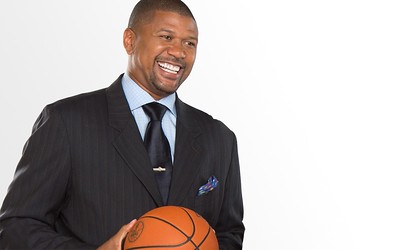
On March 15, sportsbook BetMGM announced that it had signed Michigan basketball great Jalen Rose as a celebrity brand ambassador. Rose, who is also an award-winning sports analyst will be featured in BetMGM’s upcoming marketing campaigns and participate in a variety of BetMGM fan events.

Rose came to fame as part of the Michigan Wolverines “Fab Five,” one of college basketball’s most famous teams. He went on a 13-year career in the NBA before becoming a multi-media personality and ESPN analyst and columnist.

Rose will engage with BetMGM customers and MGM Resorts’ M life Rewards loyalty members, both virtually and in person. He also will appear in BetMGM social media content and make guest appearances on radio and television programs nationwide.

BetMGM Chief Revenue Officer Matt Prevost said, Rose is “an All-Star addition to the BetMGM team. The impact he has had on the game of basketball is surpassed only by the exceptional analysis he provides fans daily. We anticipate a great relationship and look forward to the initiatives we’ll pursue together.”