Author: Casino Connection Staff

D.C. Launches Sports Betting—With No Sporting Events

There may be few sports to wager on, but the District of Columbia will still kick off sports betting before March blows out of here. The city’s Office of Lottery and Gaming (OLG) said the app is currently in the user acceptance testing phase to ensure functionality and compliance with DC and federal laws.

“We are revising our launch strategy now based on the current state of world events/no games happening, but we will be ready to fully debut our sportsbook when it is safe for the sports world to return to the court, field, etc.,” Nicole Jordan, director of marketing and communications for the OLG told Legal Sports Report.

Intralot, the provider for D.C., went live with its first U.S. operation in Montana last week. The majority of odds offered by the Montana Lottery’s Sports Bet Montana were worse for both sides compared to other U.S. sportsbooks.

Intralot was the only possible supplier in Montana because sports betting was defined as a lottery game. While the lottery oversees sports betting in Washington, other options exist.

The District is also allowing bars and restaurants as well as sports venues to apply to provide sportsbooks but only within the confines of their business.

For example, William Hill is partnering with Monumental Sports for a sportsbook in Capital One Arena. William Hill is currently the only other operator that has applied.

Maryland Senate Clears Sports-Betting Bill

A key committee of the Maryland Senate voted unanimously last week to clear Senate Bill 4, which would put a sports betting referendum on the November ballot.

The bill cleared the Senate Budget and Taxation Committee by a unanimous vote, sending the measure to the Senate floor for a vote. If it becomes law, a positive vote from Maryland voters in November would grant nine sports gambling licenses.

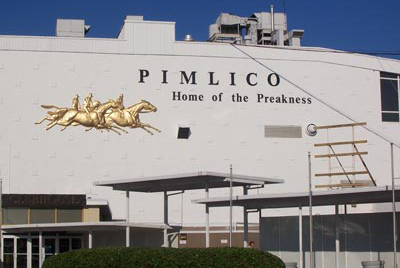
Six would go to the state’s casinos. Pimlico Racecourse and Laurel Park, the state’s busiest horsetracks, would share a license. Sportsbooks also would go to the State Fairgrounds in Timonium and to a new stadium for the NFL’s Washington Redskins in Prince George’s County.

Each license would carry an upfront fee of $2.5 million, except casinos with fewer than 1,000 slot machines, which would pay $1.5 million. Licenses would be good for five years, with a renewal fee at 25 percent of the original cost.

Under the measure, the state would take 20 percent of net sportsbook revenue. Nineteen percent would go to the state, and 1 percent would go into a minority contracting fund. Most of the state portion would fund K-12 public education.

“This is something that we hear Marylanders want,” said Sen. Craig J. Zucker (D-Montgomery), a member of the committee and the legislation’s chief sponsor, according to the news site marylandmatters.org. “This is something that they’ll have a chance to vote on come this next election. And it will make sure that we’re making sure that we’re doing what we can to invest in the future of Marylanders’ education.”

The inclusion of the Washington Redskins license is designed to keep the team’s stadium in Maryland. Its current stadium, FedExField, is in Prince George’s County, but the team has considered moving to the District of Columbia, where legal sports betting already has led the NHL’s Washington Capitals to plan a sports betting lounge at Capital One Arena, and Major League Baseball’s Washington Nationals are considering such a facility for Nationals Park.

The 19-page bill may well undergo further amendment. “We’ll hear from our friends in the back,” according to marylandmatters.org—a reference to the lobbying contingent present for the committee’s debate.

The measure now goes to the full Senate.

On-Site Registration A Handicap in RI

The latest customer figures for Rhode Island sports betting continue to highlight the limitations of an in-person registration requirement.

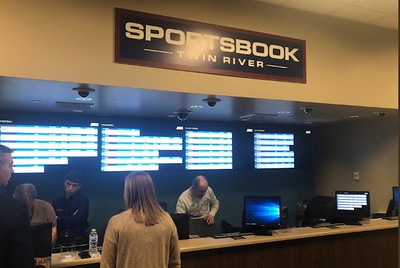
Of the 23,564 mobile registrations in Rhode Island through March 4, just 43.3 percent went to one of the state’s two Twin River casinos to complete the registration process. In addition to Rhode Island, Iowa and Nevada require in-person registration.

Twin River, the operator of the two casinos for the state lottery, expected to initiate a program in January to boost in-person registration. The program was still on the drawing board, according to Legal Sports Report.

Rhode Island sports betting’s online share in January remained the lowest in the country at 28.9 percent. That improved to 31.7 percent in February, according to the Department of Revenue. But both figures are still significantly lower than Nevada’s 49 percent online share in January. Iowa reported a 66.4 percent online share for February.

The state had 1.1 million online bets as of March 4 since the mobile app launched in September. From launch through January, online handle was $34.1 million, or just 21.4 percent.

Sportradar Inks Deal with Formula 1

Sports data and content company Sportradar and Formula 1 announced the introduction of new, live in-race betting markets for the 2020 season.

Sportradar will utilize official Formula 1 data to make pre-race and in-race markets available from each of the 22 rounds in this year’s championship, according to SportBusiness.

Sportradar said on March 12 the live odds product will rely on untapped,

historical data to create new models. Existing pre-race models include the winner, podium and top 10 finishes, along with group winners, drivers to be classified, race head-to-heads and pole position head-to-heads.

Sportradar managing director of sports partnerships, David Lampitt, said the launch of the in-race wagering represents “a ground breaking move that will increase engagement and bring new fans to the sport.”

Adam Crothers, Formula 1 head of digital media rights said the sport has been synonymous with data. “It is such a key component, and this agreement will allow us to bring that data to life through Sportradar’s in-race betting.”

Detroit Sports Betting Launch Hammered by Virus

Local sports fans lined up at MGM Grand Casino on March 11, hoping to be among the first to legally place a bet in Detroit.

“I’ve been waiting for this day for a long time,” Mike Silicilia told Click on Detroit as he waited to bet on March Madness.

Alas, March Madness never happened. Nor the NBA, NHL or MLB. All were casualties of the coronavirus.

MotorCity Casino is partnering with FanDuel Group to operate a newly designed, two-story sportsbook. MGM Grand and Greektown Casino opened their sportsbooks the day before.

“Everything kind of came to a halt pretty quickly,” said Mike Huff, a sports lawyer at Mika Meyers PLC in Grand Rapids. “There weren’t any games to bet on.”

Not only does the shutdown impact bettors, but taxes on casino revenue earmarked for education and schools around the state, money the fund won’t receive until sports events return. “The state projected to have revenue going into the school aid fund. That will likely be substantially less now than what the initial expectations were,” Huff told Fox 17.

Montana Sports Betting Debut Feels Viral Impact

The Montana Lottery Commission issued 142 licenses for sports betting but must still wait for the go-ahead to accept bets.

Local media outlet KULR8 reports that the Commission is “still installing” the infrastructure and ensuring that all workers tied to the state’s sports gambling operations receive the necessary training on Montana’s Sports Bet Montana gambling kiosks.

The installation of betting equipment began March 11, hours before the NBA suspended its season after a Utah Jazz player tested positive for COVID-19. Other leagues followed suit.

“The concern is for the community and not for sports betting,” said lottery spokeswoman, Jennifer McKee. “Sports betting will pick up as sports resumes.”

Unlike other states, Montana permits any business with a liquor license to install a Sports Bet Montana kiosk, which means that more than 1,400 businesses across the state are eligible to operate as a sportsbook if approved for a license.

In addition to the kiosks, bettors can wager online, but the online sports gambling app only works at one of the Sports Bet Montana locations. The app allows bets of up to $1,000 where in-store kiosks have a limit of $250 per wager.

Virginia Lawmakers Pass Casino, Sports Betting Bills

After extending its legislative session one day, Virginia lawmakers last week approved bills to legalize casinos and sports betting.

A battle broke out over whether the state should allow wagers on college games involving Virginia teams. A compromise was reached, with lawmakers agreeing to prohibit betting on Virginia colleges and universities, in return for lowering the tax rate on sports betting revenue from 17.5 percent to 15 percent.

The measure also requires the use of official league data and bans prop bets on any individual collegiate athlete.

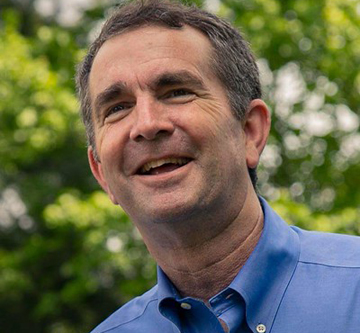
The sports betting and casino bills now await the signature of Governor Ralph Northam, whose spokesman said, “The governor’s philosophy has always been that Virginia needs to be thoughtful in its approach. If we are going to expand gaming, we must do so responsibly.”

If Northam signs the legislation, sports betting could launch with mobile apps and websites by the end of the year. Casinos would take longer, since voter referendums would be required in the five approved cities: Bristol, Danville, Portsmouth, Norfolk and Richmond. Those referendums could take place in November.

The bill calls for the Virginia Lottery to oversee sports betting. The lottery director may issue four to 12 permits, with sportsbooks paying $250,000 for a three-year permit. Renewals would cost $200,000. Established sports betting operators like FanDuel and DraftKings would be eligible, as well as other gaming interests, such as Colonial Downs and companies creating casino sportsbooks.

Another provision in the bill allows professional sports to set up their own sports betting platforms, as long as they’re headquartered in Virginia. This would allow the Washington Redskins to offer sports betting if the team builds its new stadium in Virginia.

The measure also would allow Colonial Downs Group, owners of the New Kent County horseracing track plus satellite facilities with off-track betting and historical horseracing machines, to add another 2,000 machines to its 3,000 limit, including 1,650 at a new venue in Dumfries.

Colonial Downs lobbied for the extra machines to protect itself from the financial blow it could take when casinos open. “The final outcome helps to protect the 300-million-dollar investment we have made in the Commonwealth and the more than 1,000 employees we have hired,” Colonial Downs Group said in a statement.

The gaming legislation also lowered the taxes assessed on sports betting to 15 percent of adjusted gross revenue. Of that, the state would set aside 2.5 percent for problem gaming assistance, and the balance would go to the state’s general fund.

The casino bill was a re-authorization of a bill passed last year, allowing up to five casinos in the state. State Senator Louise Lucas, sponsor of the casino bill, said lawmakers finally realized how much money Virginia has been losing to neighboring states. “It was just like a huge sucking sound—ching, ching, ching—our cash just leaving Virginia,” Lucas said.

After intense discussion, lawmakers eventually agreed to a tiered tax structure: a casino with adjusted gross revenues of up to $200 million would be taxed at 18 percent; between $200 million and $400 million, 23 percent; and more than $400 million, 30 percent. Cities would receive 6 percent of the first $200 million in adjusted gross receipts, between $200 million and $400 million, 7 percent and more than $400 million, 8 percent.

In addition, the bill stipulates if a Virginia Indian tribe operates a casino, 1 percent of tax revenues would go to the Virginia Indigenous People’s Trust Fund. Eight-tenths of a percent would go to the Problem Gambling Treatment and Support Fund, and .2 percent would go to the Family and Children’s Trust Fund. The balance would go to the state’s general fund.

The Pamunkey Tribe, which plans to build a casino resort in Norfolk and another in Richmond, issued a statement saying it is “eager to move forward with its plans to build a world-class resort and casino in Norfolk, and ready to respond to Richmond’s Request for Proposals to bring a casino to the River City.

“After centuries of disenfranchisement and social injustices, the Pamunkey Tribe is on the verge of ensuring the long-term success of the tribe. Its plans to build two resorts with casinos will allow the tribe to provide needed programs and services to its members. It will be a great partner for Norfolk and Richmond. The tribe will keep profits in Virginia through reinvestment locally and will provide tremendous benefits to these regions of the commonwealth for decades to come.”

Norfolk signed a development agreement with the tribe in January, but the Cordish Cos., operators of Norfolk’s Waterside District, has threatened to sue the city if it doesn’t terminate its agreement with the tribe. A lawyer representing Cordish stated the city is in “material breach of multiple provisions” of its agreement with Cordish, and that the city must make the necessary changes within 90 days. The attorney said Cordish’s agreement with Norfolk in 2013 to redevelop the Waterside District included language allowing the company to expand the complex into a casino if gambling became legal in Virginia.

A separate piece of legislation, allowing lottery tickets to be sold online, was signed by Northam. The measure passed the legislature on February 20 and takes effect July 1. Lottery Board spokesman John Hagerty said, “We appreciate the overwhelming bipartisan support in the General Assembly. This legislation benefits the consumer and enables the lottery, just like any business, to meet its customers where they are. It makes the lottery relevant for consumers who expect to be able to do everything on their smartphones.”

Virginia will become the seventh state to offer online lottery sales, after Georgia, Illinois, Kentucky, Michigan, New Hampshire and Pennsylvania. Bill sponsor state Senator Tommy Norment said the legislation was designed to expand lottery sales in anticipation of casinos in five cities.

Virginia Lottery sales have grown an average of 5 percent annually for the past 10 years, reaching $2.3 billion and contributing nearly $650 million to public education in fiscal 2018-19. The 2019 joint legislative report indicated the lottery could lose 3.6 percent or $105 million in sales in 2024, the first year all five casinos are projected to begin operation.

Europe Football Championship Postponed a Year

European football governing body, UEFA, has postponed its flagship international event, the European Championship, for one year due to the coronavirus. The competition was scheduled to take place in June and July across Europe.

“The health of all those involved in the game is the priority, as well as to avoid placing any unnecessary pressure on national public services involved in staging matches,” UEFA said in a press release.

Flutter Entertainment and GVC Holdings said the suspension of sports and reduction of retail traffic due to the virus would lead to EBITDA declines of more than £100m (US$120.5m), according to ESPN.

Playoff matches to determine the last four entrants to the tournament have also been delayed from late March to early June.

Lamont v. iGaming in Connecticut

A bill introduced by Connecticut state Senator Cathy Osten in January would allow the Mohegan and Mashantucket Pequot tribes to offer online gaming.

Governor Ned Lamont said last week that he opposes Osten’s bill and will refuse to sign it. Instead he supports a bill that would only legalize sports betting, but instead of limiting it to the tribes, would share it with the Connecticut Lottery and off-track betting providers. He also opposes the provision in Osten’s bill that would authorize the tribes to invest in a commercial casino in the state’s largest city, Bridgeport.

Governor Lamont isn’t alone in opposing online gaming. He is joined by Rep. Caroline Simmons, co-chairman of the legislature’s Commerce Committee, who said last week, “I think we need to be cautious. It’s a major policy shift.”

Senate Majority Leader Bob Duff, who supports the bill, isn’t sure exactly how much support it has. But Senate President Pro Tem Martin M. Looney is completely onboard, arguing, “Whatever we can do to have a robust line of revenue for the state, absolutely.”

Looney does concede that online gaming makes a gaming bill harder to pass, because there will be a learning curve for lawmakers who don’t know all the ramifications involved. He said, “We haven’t gotten to the point yet of the specifics.”

Some lawmakers support tribal exclusivity for sports betting, but don’t automatically endorse online gaming. Others, like Rep. Tom Delnicki, whose district includes East Windsor, have one specific interest: He wants the tribes to be able to offer sports betting at the casino they have been authorized to build in that city.

Osten is adamant that multiple interests be offered something to generate wide support for her bill. Her bill links iGaming to more revenue for municipalities. She told the CT Mirror: “The only way to get the revenue to the towns is put the iGaming piece there, and that’s why it’s all in there.”

It’s also seen as an enticement for the tribes to spend $100 million build a casino in Bridgeport, which they see as feeding off the profits of their existing Foxwoods and Mohegan Sun casinos, without expanding their number of customers.

Negotiations over sports betting ground to a halt last year, although for a while it looked as though the governor and the tribes had a meeting of the minds. Lamont and many lawmakers dispute the tribes’ claim that sports betting is a casino game, and therefore granted to them by their gaming compact. They have threatened to withhold the 25 percent of slot profits they pay to the state, saying if the state doesn’t grant them exclusivity, it will be in violation of the compacts. Last year, they paid about $255 million to the state.

The state disputes the tribes’ claims, but apparently doesn’t have the stomach to call the tribes’ bluff by taking them to court.

Pequot Chairman Rodney Butler last week issued a statement that claimed that last year Lamont hadn’t really tried to reach a deal with the tribes. His statement said, “We are at a loss to explain the timing and tone of the statement issued by Governor Lamont.” He added, “While he refers to his attempt to negotiate a ‘gaming solution,’ the governor and his staff have had little to no communication with the tribes over the last several months — despite our repeated attempts to meet.”

Butler called on all parties to reach a compromise, and said he sees “a path forward on gaming if there is a will to take it, and we stand ready to work with any and all parties to make it happen.”

The Mirror asked Butler if the tribes insist on iGaming as a component of a bill, and he answered, “That’s not really the sticking point, it’s just a piece of the puzzle.”

A spokesman for the governor pointed out, “Currently, neither tribe can conduct sports betting at their respective casinos, which only puts them at a competitive disadvantage to their neighboring casinos.”

Noting that previous legislation has attracted lawsuits from MGM, which wants to be allowed to compete in the state, the spokesman said Lamont’s proposal was more likely to weather a lawsuit, whereas Butler’s proposal would “invite seriously legal challenges from a host of competitors.”

Red, White & Blue Online in PA

Red, White & Blue, one of the most iconic traditional reel-spinners produced in the 1990s by International Game Technology, is now available online in Pennsylvania. Penn National Gaming announced that the legendary game is now available on the Hollywood Online Casino.

“In an age where extravagance and innovation tends to grab the eyes of casino slot players, Red White & Blue goes against the grain by offering a more traditional user experience,” said Hollywood Online Casino in a statement on the site. “With its classic throwback 1990s feel, this simplistic three-reel game has long been one of the most widely played slot games at top retail casino locations around the world.”

The popular three-reel slot, which features multiple “7” combinations in red, white and blue with the top jackpot returned for mixing those colors in order in “7” combination, is offered exclusively online at the Hollywood site, Penn National having secured the rights.

EU Body Demands Enforcement of Single-Market Rules

The European Gaming and Betting Association (EGBA) is demanding that single-market regulations in the EU be “enforced more strongly across all sectors, including online gambling.”

In a statement, the industry body said the need for stronger enforcement “is particularly clear in those sectors which are not yet harmonized, such as online gambling,” and added that the 16.5 million Europeans who bet online “experience 27 different sets of national online gambling policies.”

It estimates the value of the EU online gambling sector at €22.2 billion (US$24.63 billion), growing 10 percent each year.

The EGBA says single market-rules are especially important in the online space, as more people go online to purchase goods and services and partake in entertainment such as iGaming.

Philippine AML Council Finds POGOs At Risk

A risk assessment conducted by the Philippines’ Anti-Money Laundering Council (AMLC) concluded that Philippine Offshore Gaming Operators (POGOs) are at greater risk for money laundering and terrorism financing.

POGOs have “a low level of awareness” of the threat of fraudulent activities, said the AMLC, and therefore has not sufficiently guarded against them. The report found a number of unregulated or unsupervised “service providers” to the online industry and flawed identification about who owns companies involved in the iGaming business.

Service providers were identified as companies that offer products, such as gaming software or content streaming, to licensed POGOs, according to CNN Philippines.

In a March 11 news release, the anti-money laundering watchdog said POGO licenses and certificates of operation given to service providers must be “re-evaluated” in light of the increased threat.

But President Rodrigo Duterte has defended the operations of POGOs, saying the country needs the funds collected from the industry, according to local media reports. He urged the nation’s congress to tighten regulations for POGOs, instead seeking to shut them down.

Playtech Halts Italian Operations

Online gaming software supplier Playtech last week announced it is halting its operations for at least a month in Italy, officially on lockdown due to the coronavirus.

Playtech, a supplier of online games and technology to the iGaming industry worldwide, counts Italy and China among its major markets. Company officials have already acknowledged the supplier is going to take major revenue hits in both markets, the epicenters of the virus outbreak in Europe and Asia.

Playtech was on track for a strong 2019, initially reporting revenue growth of $1.7 billion, 23% higher than last year, and adjusted EBITDA up 11% to $433.28 million. However, according to a report in CalfinAyre.com, discontinued operations and tax liabilities forced a $22.16 million loss for 2019.

Playtech also the owner of Italy-based sports gambling firm Snaitech, of which it purchased a controlling 70.6 percent stake in 2018.

Norway Limits Gambling to iBingo

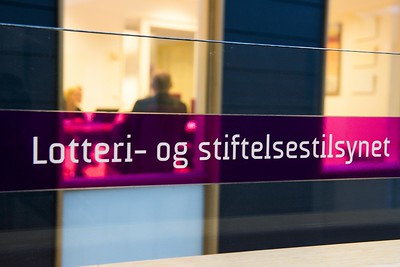
Norway’s gaming authority, Lotteri-og stiftelsestilsynet or Lottstift, has ordered the country’s bingo halls to operate online only, hoping to slow the spread of the Covid-19 virus.

Norwegian gambling regulations state that consumers can play bingo online but must be linked to games occurring in a land-based bingo hall, reported iGamingBusiness.com.

Games may only be offered for 12 hours a day, from 10 a.m. to 10 p.m. and each licensee can only offer one game at a time. New players no longer need to register for accounts in person.

The rules will be in place until March 29, but Lottstift reserves the right to extend them.

In Atlantic City, Coronavirus Beats the House

In Atlantic City, the lights are on, but no one’s home.

At 8 p.m. Monday, by order of New Jersey Governor Phil Murphy, the city’s nine casinos closed their doors “until such time as it is deemed safe for their reopening,” doing their part to curb the spread of the Covid-19 virus.

“It is no longer time for business as usual,” Murphy scolded at a televised press conference yesterday afternoon. “Stop believing folks who say this isn’t real.”

Cory Morowitz of Morowitz Gaming Advisors likened the impact of the pandemic to Hurricane Katrina—if Hurricane Katrina had been nationwide.

“It’s unprecedented,” he said, speaking to GGB News several hours before the shutdown. “It’s one thing one thing to close down for a few days. Now we’re talking about weeks.”

Asked how the local industry is reacting to the development, Morowitz said, “Everyone’s in survival mode. The people I’m talking to are thinking about emergency planning: how do you marshal cash to get through the next couple of months? If you own your building, how do you pay your bond payments? If you’re part of a REIT, how do you pay your rent? Will there be a federal response that’s going to be helpful?

“The casinos are figuring out how to be fiscally responsible, and planning ahead so they’ll be ready to get back in the game.”

He agrees that the federal government must play a pivotal role, with a stimulus policy that creates liquidity so banks, businesses and individuals can weather the storm. He acknowledged that, for the approximately 30,000 Atlantic City casino employees facing weeks without work, the crisis could be life-altering. “A lot of them are just a few weeks away from being underwater.”

It’s a tough time for Atlantic City to take such a gut punch. In the past few years, its gaming industry, hammered by the recession of 2008, had come roaring back—after a grim period in which four casinos closed, revenues plummeted and 10,000 people lost their jobs.

The industry in the resort town had been especially buoyant of late, with two new casinos on the fabled Boardwalk—Hard Rock and Ocean, which opened in 2018—gaming revenues up 18.4 percent in February, and sports betting on fire.

Rummy Pandit, executive director of the Lloyd D. Levenson Institute of Gaming, Hospitality & Tourism at Stockton University, said last month’s results were the highest for February since 2011. According to the Press of Atlantic City, the industry had been enjoying “a monthly hot streak that (was) quickly approaching two years.”

That hot streak has now gone cold. Some analysts hope iGaming will pick up the slack. “Yes, some casinos can generate cash flow that way—it’s certainly one opportunity,” said Morowitz. “But the people I’ve talked to are not really banking a lot on online betting.”

With no sports to bet on, mobile sportsbooks will have to get creative to deliver betting options to all those hungry fans (according to PhillyVoice.com, Turkish soccer may continue, if anyone’s interested; the website also suggested taking bets on the temperature, the primary election results, and celebrity deaths.)

So, what’s next? Morowitz said the shutdown of casinos along with restaurants, bars, movie theaters and other entertainment venues “will create a lot of pent-up demand” that will have to be satisfied after the viral contagion has passed—if people have any money at that point.

He predicts the impact will be long-lasting, into late 2020 in a best-case scenario, but more likely continuing into next year. In China, he noted, “Once they quarantined the entire country, it took about four weeks for (virus) cases to level off, and now you’re starting to see factories come back online. But they’re still well behind the eight-ball. It will take months to get to full productiveness.”

Now may be the moment to recall the famous line by late New Jersey state Senator Jim Whelan, a former AC mayor, who once quipped, “I always say Atlantic City is like Dracula—you can’t kill it, no matter how hard you try.”

Morowitz went so far as to liken the industry’s response to Elizabeth Kubler-Ross’s five stages of grief, starting with denial, then moving on to anger, bargaining, depression, and finally, acceptance.

“At least we’re beyond denial now,” Morowitz said. “It’s anger and sadness. The entire country is shutting down. There’s a lot of uncertainty out there about how we’ll come back.”

He expressed the hope that, following those five stages, the sixth and final stage will be rebirth.

U.S. Casinos Close Due to Pandemic

While the coronavirus crisis has slammed share prices of public gaming companies, now the situation has worsened, with governors in several states ordering casinos in their jurisdictions to shut down.

On the east coast, the governors of three states—New Jersey, New York and Connecticut—have ordered casinos to close, along with restaurants, bars and movie theaters.

New Jersey Governor Phil Murphy, who initially exempted casinos from closing because players could use “social distancing” to remain safe, reversed himself on March 16, ordering all casinos in Atlantic City to close. That order went into effect the following day.

Murphy said the casinos would remain closed until it is deemed safe for them to reopen. “It is no longer time for business as usual,” he said. “This is real. Stop believing folks who say this isn’t real.”

The news came just days after many of the casinos, including Hard Rock and Tropicana Atlantic City, had canceled their entertainment schedule well into mid-April.

The first closing in Las Vegas was announced late Sunday, March 15, when Wynn Resorts said it would shut down its Wynn and Encore casinos. The company said it would continue to pay its employees for the two weeks that the casinos will be closed.

MGM Resorts quickly followed, announcing it would close its 10 casinos on the Las Vegas Strip (as well as other casinos in Michigan, Maryland, Mississippi and Massachusetts). MGM Chairman Jim Murren explained the decision.

“As the coronavirus pandemic has intensified in the United States over the past week, the people of MGM Resorts have worked to try to find a way to continue delivering high-quality hospitality and entertainment experiences for our guests, while keeping our employees doing the jobs they love in a safe environment,” he said in a statement. “Welcoming people from around the world is what we do, and our employees have tremendous pride in their work.

“Despite our commitment to dedicating additional resources for cleaning and promoting good health, while making difficult decisions to close certain aspects of our operations, it is now apparent that this is a public health crisis that requires major collective action if we are to slow its progression.

“Accordingly, we will close all of our Las Vegas properties as of Tuesday, March 17th, for the good of our employees, guests and communities. This is a time of uncertainty across our country and the globe, and we must all do our part to curtail the spread of this virus. We will plan to reopen our resorts as soon as it safe to do so, and we will continue to support our employees, guests, and communities in every way that we can during this period of closure.”

MGM Resorts said it would pay employees for the first two weeks of the closure, and if layoffs become necessary, will extend health benefits through the end of June.

Las Vegas Sands, meanwhile, said its properties—the Venetian and Palazzo—would remain open, but would be flexible with employees who needed time off to care for children who are out of school due to the situation.

“The health, safety and livelihood of our team members and their families is our most important consideration right now,” a company statement said. “Our property remains open, and we will continue taking the recommended precautions necessary to keep our team members and guests safe. We will also be working with our team members impacted by the school closings in our community.”

“The company is not considering layoffs or any changes to any of our existing health care benefit plans. Our team members are our most valuable asset, and we have every intention of getting through this challenging situation together.”


Tribal Take

While Connecticut Governor Ned Lamont said casinos would close in his state, he actually has no authority to close the two tribal casinos, because they operate on sovereign land.

Mohegan Sun says it’s closed large areas of the casino, but is in discussions with Lamont’s office about whether to close entirely.

“Working closely with and taking guidance from Mohegan Tribal Health officials and state and federal health authorities, while continuing to increase the overall safety of our guests and team members, Mohegan Sun today announces significant changes to our operations,” said Jeff Hamilton, president and general manager of Mohegan Sun. “These are difficult times the state and nation are facing, and as such, they bring about difficult decisions for Mohegan Sun and Mohegan tribal leadership.”

Foxwoods has also closed large swaths of its casinos, and is doing a deep clean on the portions that remain open.

New York Governor Andrew Cuomo has ordered the closing of all commercial casinos in the state, including the racinos in the New York City area. But as in Connecticut, Cuomo has no authority over the state’s tribal casinos, which are operated by the Seneca, Oneida and Mohawk tribes. However, those tribes have agreed to close down their casinos for at least two weeks.

In Michigan, Governor Gretchen Whitmer has also ordered casinos closed.

“We know that’s where masses of people congregate,” she said. “There is a lot of close contact in a casino. I think that’s why it’s front and center in a lot of places across the country.”

While tribal casinos on sovereign land could make their own decisions, Gun Lake Casino in Wayland, Michigan actually closed prior to the order. Since then, some of the largest casinos have closed, such as Firekeepers, but the Pokagon’s Four Winds remained open.

Mississippi’s casinos will close at midnight on Monday until further notice. It’s not clear at this time whether the Choctaw tribe will close its casinos in the state.

Louisiana casinos were also closed for at least 14 days. The Coushatta Casino Resort will close for the same period, but it’s unclear if the casinos operated by the Tunica-Biloxi and Chitimacha tribes will follow suit.

In Alabama, the Wind Creek Casino closed for a full day on Sunday, but reopened Monday. The tribe said a deep cleaning of the property was conducted on Sunday after a guest who had visited Wind Creek later tested positive for coronavirus.

In California, where on Sunday the Pechanga and San Manuel tribes announced their casinos would close for two weeks, some other tribes decided to shut down as well. The casinos owned by the Chumash, the Table Mountain Rancheria, the Rincon (Harrah’s) and Yocha Dehe Wintun (Cache Creek) have all agreed to close.

The chairman of the California Nations Indian Gaming Associate, James Siva, commented on the situation.

“California’s tribal governments are working closely with the state and federal governments to ensure the safety of our tribal communities, including our economic development operations,” he said in a statement. “Tribal governments are taking all appropriate necessary action, as the health and safety of our employees, patrons and tribal members is paramount.

“Tribal governments are also monitoring their local environment and making decisions that best suit their geographic region.

“California’s tribes join the millions of Californians concerned over this pandemic, and are dedicated to implementing best practices to assist in containment,” he said.

The National Indian Gaming Commission (NIGC) noted that, even though tribal casinos are largely on sovereign land, they have regulatory oversight from the NIGC and their tribal gaming regulatory authorities (TGRA).

“The NIGC shares a common interest with tribal regulators in preserving the integrity of the Indian gaming industry,” wrote Chairman E. Sequoyah Simermeyer. “That common interest will continue to guide the NIGC collaboration with tribes as we monitor public health and safety threats.

“There are numerous requirements to an Indian gaming facility’s operation. One requirement is that tribal government’s attestation that tribal gaming ordinances and related laws that apply to a gaming facility’s environment, public health and safety standards are effective and in place.”

Simermeyer says regular visits by NIGC staff to tribal gaming properties are under way to make sure those standards are being upheld and to collaborate with TGRAs to encourage best practices during this time.

All the casinos that remain open are using the social distancing principal. No table game has more than three seats, and slot machines are turned off so players will have some distance from one another.


International Impact

After Philippine President Rodrigo R. Duterte declared Manila a quarantine zone, the Philippine Gaming and Amusement Corporation (PAGCOR) announced that casinos would be closed in the region for the next month. While it didn’t immediately extend to PAGCOR casinos outside of the Manila metropolitan area, experts expected those casinos to eventually shut down as well.

In Canada, all casinos were closed in British Columbia and Ontario.

in Australia, Crown Resorts and Star Entertainment casinos remained open but with the social distancing strategies.

All casinos were closed in Chile and in Germany, casinos in Lower Saxony, Bavaria and Baden-Württembergishe Spielbanken will be closed until the end of the month.

Atlantic City Host Awards Nominations

The Annual Atlantic City Host Awards are now accepting nominations! The deadline is March 20, 2020.

The Atlantic City Host Awards honor employees in the tourism/hospitality industry who enhance the experience for Atlantic City visitors. These awards are presented to employees who distinguish themselves through enthusiasm and exemplary service, while promoting the destination. Nominations are open for 27 hospitality categories.

The awards ceremony will be presented on May 6, 2020 in the Adrian Phillips Theater at Historic Boardwalk Hall.

Who Is Eligible?

Non-managerial employees in the hotel, restaurant, retail, tourism or hospitality-related fields, including the public sector. Employees should have direct contact with, or provide support to, visitors and customers and distinguish themselves by promoting Atlantic City through exemplary service and customer satisfaction.

Criteria For Awards:

  • One nomination per award category may be submitted.
  • Nominations may be submitted by management personnel only. The person nominated must hold a non-managerial position. No past winners are eligible.
  • Nomination testimonials should be no longer than one page. No attachments may be submitted.
  • The individual’s service must be outstanding and the candidate must project a positive image of Atlantic City as a destination, as well as a positive image of their company.
  • All nominations must be received at the Casino Reinvestment Development Authority by office March 20, 2020.

For details visit: https://accvafoundation.org/foundation-programs/host-awards
Click Here to nominate your best employees.


In Atlantic City, A Sports Betting Snapshot

As the nascent legal U.S. sports betting market continues to expand, educating the public on tried-and-true wagering techniques will be key to profiting from both casual and seasoned bettors.

That was the take from some of the leading bookmaking operators and media who are spreading the word about sportsbooks in the U.S., as sports tech venture capital company SeventySix Capital held its first “Sports Innovation Meetup” last week at the Tropicana Atlantic City.

For the first in what is planned to be a series of monthly Sports Innovation Meetups, Jess David, director of marketing for SeventySix Capital, moderated a panel that included Sharon Otterman, chief marketing officer of William Hill, and two of the leading media figures in the emerging sports betting market—Josh Appelbaum, sports betting reporter for Vegas Stats & Information Network (VSiN); and Aubrey Levy, vice president of marketing & content for Canada’s theScore, the first media company in North America to operate a mobile sportsbook in the U.S.

“The sports industry is booming,” said session host Wayne Kimmel, managing partner of SeventySix Capital. “We want to bring together entrepreneurs, people that are in the sports industry, and people who are interested in investing in the sports industry, to figure out ways we can all work together… We want to find those entrepreneurs, and we want to make investments in the sports tech industry, in the esports industry, and in the sports betting industry.”

While it’s been less than two years since the U.S. Supreme Court overturned the Professional and Amateur Sports Protection Act and its ban on sports betting, the industry is growing fast, Kimmel said. “Twenty-one states have passed laws (authorizing sports betting), including the District of Columbia,” he said. “You’ve got 14 states that are live right now. The amount of money that has been bet online and inside the properties has been incredible.”

The Sports Innovation panel examined how the sports wagering industry is evolving, and what needs to be done to promote “smart” wagering, while maintaining a profit for the operator.

Appelbaum, who last year authored The Everything Guide to Sports Betting, commented that VSiN, the information network headed by sports broadcasting legend Brent Musburger and centered at the South Point in Las Vegas, is combining the advice of seasoned Vegas bookmakers with information on how to best utilize the mountain of data that is available.

“At VSiN, our goal is to teach bettors how to make smart bets,” Appelbaum said. “It’s the Wild West of sports betting right now, where everyone’s trying to get into it. People want to bet, and all bettors lose when they start. When you lose, betting is hard, but you can really turn a profit long-term if you view it as a market.

“Betting is hard. But you can win if you’re disciplined and follow the data. We teach bettors how to make smart bets so they can make betting sustainable.”

“Our job is to empower the fan’s experience,” said Levy, who helped launch theScore’s sports media app and its “holistic mobile sports betting experience” that is now available in New Jersey. “How we’re approaching sports betting is very focused on creating experiences. TheScore is the intelligent sports network in Canada… We curated a younger audience, and devised a more authentic way of speaking to them.”

Otterman, a veteran of ESPN who was formerly chief marketing officer of the Madison Square Garden Company in New York, is currently overseeing William Hill’s plan to open a sportsbook/F&B lounge at Capital One Arena, home of the NHL’s Washington Capitals. She noted that sports teams are aware that wagering increases interest in their product, and while at ESPN in the early 2000s, “media companies realized back then that fan engagement increased if people had a more vested interest.

“Whether it’s a media company or sports company, it’s all about the consumer,” Otterman said. “That hasn’t changed, and it will continue to be the case, but how you engage the consumer is what has evolved over the years. Today, with marketing automation, really engaging the consumer through awareness throughout their journey is really important.”

While most wagering in markets like New Jersey and Pennsylvania is being conducted online, Otterman said retail sportsbook facilities are important in courting a younger audience. “When you talk to consumers today, they want experiences over things, especially millennials,” she said. “The William Hill Sportsbook at the Tropicana makes you understand why you want that in addition to having your mobile phone.

“We believe there is a place for in-person experiences, to get together with your friends, and still have that mobile, digital experience.”

In addition to the William Hill Sportsbook at the Tropicana—which offers the most seats of any New Jersey book—and the book at Monmouth Park, the book that will open at Capital One Arena will offer a lounge atmosphere with food and beverage in addition to the wagering, which in the District of Columbia must be done within a two-block radius of the sports arena.


Making Informed Bets

Media companies like theScore and VSiN are linking the age-old bookmaking art to today’s nascent bettors through education. “What I’m proud about working at VSiN is that we give the bettor the opportunity to make informed bets,” said Appelbaum. “Our leader is Brent Musburger, an absolute legend in the field, but what I love about VSiN is that I came from a very data-oriented field. With VSiN, we have some old-school approach based on things maybe you can’t quantify. There’s an old-school way of betting that I’m now learning about, which is awesome.

“At VSiN we give you both sides—we give you the old-school way of ‘capping games like you’ve seen in the movie Casino, but you also a new way of doing it. I have a daily podcast where I break down games. It’s very important to me to be honest with listeners and viewers… I’m excited about being at VSiN, because I have the data side, but now I’m learning from the true sharps, the true wise guys. The Brent Musburgers. Combining both is how you succeed in the long term.”

Appelbaum said he educates listeners on techniques such as “contrarian betting,” or betting against the trend. “You want to bet against the public, because the public always loses,” he said. “They may win here and there, but in the end, the house always wins.”

One strategy to accomplish this is watching line movements. He offered an example of a game between the New England Patriots and the Philadelphia Eagles in which 80 percent of the bets are on the Patriots. “The Patriots open minus-7, but you see it move to minus-6-1/2, or minus 6… That would be called reverse line movement. So even though you have heavy betting on the Patriots, the line moved to the Eagles.

“That’s an easy way to locate sharp action. It will tell you that the sharps—who are experienced, pro bettors with a long track record of success—got down hard on the Eagles plus 7 to cause that line to move.”

Another example of advice Appelbaum offers bettors is to avoid parlay bets. “People love parlays, because they’re super fun,” he said. “But they’re also a huge moneymaker for the house. Basically, a parlay is tying multiple bets into one. You can cash out big, and make a ton of money. But when I was researching my book, I realized I never hit any parlays. If I have a five-team parlay, I win the first four, and I always lose that last one.

“It’s kind of a get-rich-quick thing. A hold percentage for an average major sports book is 5 percent. With parlays, it’s about 30 percent for the house. The house makes a killing on parlays, so I advise to avoid them. You’re betting to risk rather than betting to win.”

He also advises bettors to shop around for the best wagering lines. “If you’re going to buy a car, you’re not going to just go down the street and buy one from your local dealer,” he said. “You’re going to shop around and get the best number. With sportsbooks, whoever gives the fairest numbers, offers the lowest juice (the commission bookmakers charge on wagers), that’s going to be where the consumer goes.

“I think data is really important—being contrarian, shopping for the best line, and avoiding parlays.”

TheScore’s Levy notes that the other side of the emerging sports betting market consists of casual bettors who are not interested in studying the various betting lines and finding the lowest juice. “Our philosophical view is about the merging of mobile media and mobile betting together, and our philosophical perspective is that we don’t think anyone places a bet in isolation,” he said. “They place a bet as a component of some piece of their fan consumption and experience.

“We’re truly leaning into the casual bettor, providing an experience and user interface. If you just want to put $20 on the Knicks game, you don’t care (about the technicalities). Maybe that’s a good opportunity to seize upon.”

Otterman added that today’s in-play wagering adds a dimension to the wagering experience that has nothing to do with the traditional sportsbook strategies. “All that data and content integration makes things a lot more interesting once the game has started,” she said. “That will continue to be a bigger part of our business.”

NJ Track Seeks Sports Betting License

When New Jersey launched the first sportsbooks after the 2018 ruling by the Supreme Court permitting each state to develop sports betting, the Meadowlands and Monmouth Park went all in. But Freehold Raceway got left at the starting gate.

That situation looks like it might be resolved. The track seems ready to build a sportsbook with an application to the state Division of Gaming Enforcement seeking a license, according to the Asbury Park Press.

The track, owned by Pennwood Racing—a partnership between Penn National Gaming and Greenwood Racing—has provided Freehold Borough with a basic plan for a sportsbook within the existing grandstand.

“What we have is a very preliminary two-page document that states their plan is to do some renovations within the envelope of the existing structure,” said Freehold Borough Administrator Steve Gallo. “They’re not adding anything new. It’s not going to trigger any major land use application or anything like that, and this is their first step towards getting a license from the DGE.”

Meadowlands and Monmouth Park have brought in $250 million in gross revenue, with $42 million of that number generated at Monmouth Park. There is a 1.25 percent local tax on revenues, with .75 percent going to the municipality and .50 percent going to the county.

New Jersey racetracks and casinos together reported gross revenue of $299.4 million in 2019.

“It‘s good to see,” said state Senator Vin Gopal, a Monmouth Democrat, who sponsored the sports betting legislation in New Jersey. “They have something that is pretty valuable…so I am glad they are utilizing it and hopefully it helps the area and brings people in.”

An official for Penn National Gaming declined to comment for this story.

“They finally seem like they want to move forward,” Gallo said. “It would certainly be a shot in the arm for the facility and a new experience for the region, so we are inclined to be supportive of the move.”

Pennwood purchased the track in 1999 for $46 million. Sports betting would provide another source of revenue to go with the races.

Still unanswered is who will partner with the track for sports betting?

Penn National, which operates in 19 states, signed a deal last year with DraftKings, PointsBet, theScore and The Stars Group to be its online sports betting partners in various states. In New Jersey, DraftKings has already partnered with Resorts Casino in Atlantic City.

Monmouth Park’s selected William Hill, while the Meadowlands went with FanDuel.

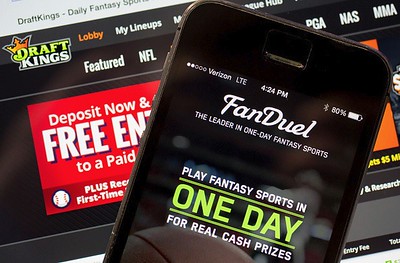
Daily Fantasy Sports = Gambling, Says NY Court

The New York Appellate Division last month sided with a 2018 Supreme Court ruling that invalidated legislation that defined daily fantasy sports as mostly a game of skill, not chance.

The courts said that while some skill may be involved in DFS, there are too many factors left to chance.

Hence, it’s gambling. Hence, it’s unconstitutional.

The state attorney general’s office has decided if it will take an appeal to the Court of Appeals, the highest court in New York,.

In 2018, Acting Justice Gerald W. Connolly of Albany County Supreme Court agreed with the plaintiffs—four people affected by problem gambling—who said lawmakers acted properly when they exempted daily fantasy sports from the penal code.

The legislation resulted from a lawsuit filed by the New York attorney general against FanDuel and DraftKings; that suit also declared daily fantasy sports as a form of gambling. According to the New York Times, the bill, known as the Racing, Pari-Mutuel Wagering and Breeding Law, also featured tax regulations, consumer safeguards and other details.

The law brought both DFS giants back to the state, only to have the court take another swipe at the sporting games. FanDuel said in a statement, “We expect that there will be an appeal, and we’ll be able to continue to offer contests while that appeal is decided.”

DraftKings also issued a statement, calling the original legislative action authorizing fantasy sports in New York “constitutional and in the best interests of taxpayers and fantasy sports fans.”

According to Lexology, while the court accepts that fantasy sports involve some level of skill, it also ruled there’s a material degree of chance, as participants cannot influence how athletes perform on the field.

“Allowing the legislature unfettered discretion to determine what is not gambling would render meaningless the constitutional prohibition,” the appellate court majority said. “Daily fantasy sports are not excluded from the constitutional meaning of ‘gambling’ merely because the legislature now says that it is so.”

According to Sports Handle, the judges concluded there also is a “material degree of chance” based on variables such as injuries, unexpected weather, inaccurate calls by officials, and “a selected player having a particularly bad day or an unselected player having a particularly good day.”

Judge Stan L. Pritzker dissented. While agreeing with the concept that the legislature’s power to declare what is or isn’t gambling isn’t unlimited, he said the court should stay out of this issue, as “the record demonstrates with vigor that the lawmakers, without caprice, acted rationally, carefully and with measured consideration.”

Pritzker added that the plaintiffs “assert their own opinions as facts, but at the same time, brand opposing opinions as fiction.”

“We’re very gratified by the decision,” plaintiff attorney Neil Murray told the Associated Press. We think the integrity of the New York state constitution has been upheld.”

The lawsuit was coordinated by the group Stop Predatory Gambling. Les Bernal, its national director, said, “The reason New York state has a constitutional prohibition on commercialized gambling promoted by the state is because it’s a form of consumer financial fraud.”

Mark Conrad, a sports business professor at Fordham University, told the seventh annual Penn Law Sports and Entertainment Law Symposium that New York’s laws on the issue are somewhat complicated.

“New York has a very broad definition of gambling, and that’s part of the problem. Most would think that if something is more a game of skill than chance, that’s not gambling. (New York) sees it instead as if a significant level of chance could be gambling. This is a unique New York problem that has reared its head,” Conrad said.

According to NJ Online Gambling, Cory Fox, counsel for policy and government affairs for FanDuel, said the courts have decided that previous definitions of gambling by the legislature should be followed.

“But the legislature also has said that fantasy sports are not gambling,” Fox said. “So to me, it’s a flawed decision, and I think the attorney general will have some luck with this.”

New York gaming law professor Marc Edelman said it’s not that simple. “The recent ruling is more adverse to the fantasy sports industry,” he said. “It not only overturned the regulations, but at the same time it said that deeming fantasy sports a game of skill was not permissible as well.”

The Fantasy Sports & Gaming Association, an industry group, estimates that 59 million people played fantasy sports in the United States and Canada in 2017, more than double the numbers in 2009. Two out of three were men, their average age was 32, and each user spent an average of $653 annually on the sites.

And DraftKings and FanDuel, which operate in 43 states, including New York, together accounted for almost all the $390 million in revenue generated by DFS in 2019, according to Chris Krafcik, a managing director at Eilers & Krejcik Gaming, a research and consulting firm.