Author: Casino Connection Staff

Virginia Issues Phase 2 Sports Betting Regulations

The Virginia Lottery recently issued its second set of proposed sports betting regulations, including 17 new rules regarding operations, internal controls and enforcement. Phase 1 proposed regulations were released July 15, addressing consumer protections, self-exclusion and applications, among other topics. The definitions section of Phase 1 proposed rules also was updated.

Virginia sports betting law allows statewide mobile sports betting and retail sports wagering at five yet-to-be-built casinos and specific professional sports venues.

The proposed rules follow the law in terms of permitted wagers, including prop bets for all events except collegiate events or a wager placed on an injury, and allows in-play wagering as defined by the statute. Wagering on events involving Virginia college athletic programs is prohibited. However, bettors still will be able to wager on college events in Virginia that do not involve Virginia teams.

The proposed regulations stop short of mandating the use of official league data to settle certain bets, with an option for a sports governing body such as the National Football League to formally request operators to use that data. Under the proposed regulations, once a sports governing body requests the use of official league data and the Lottery approves the request, operators must begin using official league data within 60 days.

Here are more highlights of the proposed regulations:

  • Operators must keep a reserve of $500,000 cash, have $5 million in liability insurance and $15 million in errors and omissions insurance
  • For integrity monitoring, operators must be members of the Global Lottery Monitoring System and must immediately notify the Lottery Director of suspicious activity
  • Operators must not advertise to individuals under the age of 21, and must not target potential vulnerable groups through advertising campaigns, including self-excluded bettors

A public comment period now is in effect through September 9. The legislature approved sports betting in April and the law took effect July 1. The lottery board’s next meeting is scheduled for September 15. Regulations must be approved by that date and the lottery expects the first licensed operator to take sports bets before the end of the year.

D.C. Sports Betting Starts Slow

Sports betting in the nation’s capital failed to excite in its first two months in business. The DC Lottery, which regulates sports betting in the city, reported just $1.2 million in handle through August 3. The wagers produced $237,000 in revenue. The GambetDC platform launched at the end of May while the mobile app came on line a month later.

When D.C. first approved sports betting in 2018, supporters predicted $92 million in new revenues over four years. The Covid-19 pandemic, coupled with 18 months to get the program running, didn’t help the bottom line.

A major advertising and marketing campaign was held until the return of more traditional sporting events, said Nicole Jordan, director of marketing and communications at the Office of Lottery and Gaming. Still GambetDC released a number of emails offering free bets on MLB, the NBA, NHL, MLS and the PGA Tour. The results included a week and a half of MLB games, five days of NBA and three days of NHL.

GambetDC also offered odds on Korean baseball, darts, UFC, NASCAR, international soccer and other lesser-known competitions.

The city receives more per wager than other states, thanks to the odds offered by Intralot, which runs the app for the city.

By contrast, Colorado, with 5 million more residents than D.C., enjoyed $25 million in wagers in May, and $38 million in June. That netted the state more than $300,000 in revenue for those two months. In June alone, bettors in Colorado wagered nine times as much money on ping pong as D.C. saw wagered in the first two-plus months of live wagering.

Then again, Colorado has 20 different mobile apps available, compared to one in D.C.

“Because it is really much more of a monopoly, the odds that were being offered to consumers were not terribly appealing for them to want to place a bet,” said Sara Slane, head of Slane Advisory, one of the top sports gaming consulting firms in the country. “I just think it’s been a lackluster experience so far and hasn’t really attracted the demand the city was hoping would be created.”

In addition to the online sportsbook run by Intralot’s GambetDC, William Hill launched sports betting at the Capital One Arena at the end of July with a temporary sportsbook in its box office. A permanent version is expected by the fall. Increasing competition could negate any advantage the city enjoys, according to WTOP News.

Slane said the overall lack of popularity of the app could be a problem in the future as more ways to bet on sports pop up in D.C. and the surrounding area. Sports betting is also expected to begin in Virginia early next year, while Maryland might get in the game, too.

“I think you’re going to see far more choices happening outside the District and more opportunities for consumers to place bets in the neighboring states,” she said.

New Hampshire Sportsbook Opens

New Hampshire’s first sports betting retail location has opened. The DraftKings Sportsbook at the Brook at Seabrook, approved to host sports betting by voters this year, allows wagering on professional and college sports.

To mark the opening, Governor Chris Sununu declared, “This retail sportsbook represents the next evolution for the New Hampshire Lottery and DraftKings, which have already established New Hampshire as the go-to destination for sports betting in the Northeast.”

The Brook is owned by Eureka Casino Resorts, which purchased it last year. Brook CEO Andre Carrier stated, “We built the Stadium at the Brook to be the best place to watch sports anywhere in New England.”

Cordish Launches PA Online Casino

Baltimore-based Cordish Companies’ Stadium Casino subsidiary, in a first, is launching its Play Live! online casino brand before its two brick-and-mortar facilities in Pennsylvania are open.

Stadium Casino is in the midst of construction for its Live! Hotel & Casino Philadelphia, slated to open early next year, and its Live! Casino Pittsburgh Category 4 mini-casino connected to that license, which could open by the end of 2020.

Last week, Cordish conducted a three-day test of its playlive.com iGaming site. The operator was expected to go live with the site on Friday with 98 slot games, including titles such as Divine Fortune, DaVinci Diamonds, Gonzo’s Quest, Wolf Run, and multiple Wheel of Fortune options. It also offers four versions of roulette plus Blackjack Classic, baccarat, and three video poker choices, according to a report on the pennbets.com news site.

The site also is offering a generous welcome bonus—a 100 percent match up to $500 on customers’ first deposit of $30 or more.

Twin River Signs iGaming Deal in AC

Twin River’s purchase of Bally’s Atlantic City has paid dividends as the casino company signed a multi-year partnership with PointsBet August 6 to offer an online gaming site in New Jersey.

The Rhode Island-based Twin River agreed to purchase Bally’s from Caesars Entertainment for $25 million. New Jersey regulators must approve the transaction, according to CDC Gaming Reports.

George Papanier, Twin River CEO, said the online gaming site will help improve Bally’s product offerings. “We are also extremely excited to have the opportunity to participate in the best-in-class mobile gaming environment that New Jersey has created and that we believe will bring new and innovative offerings to the market,” he said.

Papanier also said the company has an ambitious redevelopment plan “to fundamentally transform the property.” The transformation includes rooms, the gaming space, restaurants, and upgrading the convention space.

Internet Giant IAC Buys Big Stake in MGM

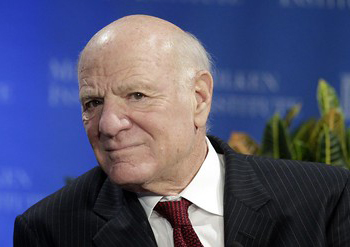
Billionaire Barry Diller’s IAC/Interactive has amassed a 12 percent stake in MGM Resorts International in a bid to expand its media and technology empire into online gaming.

The Las Vegas-based casino giant’s stock (NYSE: MGM) jumped 20 percent following announcements filed with the U.S. Securities and Exchange Commission last week that IAC had spent more than $1 billion to acquire 59 million MGM shares in a series of purchases dating back to June.

“IAC’s foundational concept of seeking opportunities to build interactive businesses is our base rationale,” Diller said in a statement. “There is a digital-first opportunity within MGM Resorts’ already impressive offline businesses, and with our experience, we hope we can strongly contribute to the growth of online gaming.”

MGM Chairman Paul Salem responded by welcoming IAC as “a long-term strategic partner” and offering the company a seat on the board of directors.

Diller, 78, the founder of Fox Broadcasting Co. and USA Broadcasting and chairman of online travel giant Expedia, is worth around $3 billion, according to Forbes. New York-based IAC, which he formed in 1995, commands a portfolio that includes Vimeo, Dotdash and Care.com, among others, and holds majority stakes in Match Group𑁋parent company of popular dating platforms Tinder, OkCupid and Match.com𑁋and ANGI Homeservices, which owns HomeAdvisor, Angie’s List and Handy.

As Salem noted, Diller and IAC Chief Executive Joey Levin “bring vast experience in both entertainment and online commerce, and we will take full advantage of their experience.”

The fact that it is “unusual” for IAC to acquire equity in the public markets is an indication for Deutsche Bank gaming analyst Carlo Santarelli him the company “is clearly, and stated as much in its investor letter, taking a long-term view of the online opportunity within gaming.”

This is not surprising. Since the coronavirus pandemic hit, observers in the U.S. are growing steadily more bullish on the future of remote gambling and betting compared with bricks and mortar casinos.

As Eilers and Krejcik analyst Chris Grove put it to industry newsletter CDC Gaming Reports, “The amount of marketing money that will be sloshing around legal online gambling in the U.S. all but ensures that media companies will explore every viable angle into the market.”

MGM’s BetMGM remote platform, developed in partnership with UK-based internet betting giant GVC Holdings, is live in seven states and plans to be operating in four more by the end of the year.

Analyst James Wheatcroft, who covers GVC for Jefferies in the UK, said, “We anticipate that i-gaming is the next logical step in the legislative process, with casino-oriented MGM well-placed to benefit.”

Everi Expands iGaming Deal with PA’s Parx

Everi Digital, the online gaming division of Everi Holdings Inc., extended its online gaming partnership with Pennsylvania’s Parx Casino and its Parx Online online casino. Seven of Everi’s player-popular stepper titles—Atomic Meltdown, Double Ruby, Red Alert, Shamrock Spin, Smokin’ 777, Star Magic and Triple Threat—are now available to the Parx Online player community in New Jersey with additional titles expected to follow in the coming months.

“This expansion with Parx Casino and Parx Online builds on the success of our December 2019 launch with their online casino in Pennsylvania,” said David Lucchese, Everi’s executive vice president, sales, marketing and digital. “Their online player community in New Jersey can now enjoy the same highly entertaining and proven three-reel mechanical and video slot content.

“With Parx Online live, Everi Digital is now offering its world-class content via its remote game server (RGS) to more than 13 online operators in New Jersey, with more properties expected to come online later this year.”

“Our ability to offer some of Everi’s most popular land-based stepper and video slots to our online players in both Pennsylvania and New Jersey aligns with our mission to provide the absolute best gaming and entertainment experience for our customers,” said Gil Bushkin, head of marketing, interactive gaming and sports at Parx Casino.

“The process of integrating with Everi’s RGS for our New Jersey launch was as seamless as it was in Pennsylvania. Everi’s RGS also provides data analytics and real-time reporting features, which expedites game performance data collection and drives our decision making,” added Tim Cogswell, head of product and analysis, interactive gaming and sports at Parx.

Everi’s RGS currently supports a library of more than 30 titles, which the company expects to further expand on an annual basis. Everi designed its proprietary RGS using state-of-the-art system architecture, enabling it to develop and distribute player-preferred content directly to operators.

This content includes award-winning three-reel mechanical games and video slots, all built to deliver the exact same look, game features and math as their land-based counterparts, with the added ability to display games in landscape or portrait mode. Everi’s RGS also offers robust data analytics and real-time reporting and can support custom-built games for operators.

PA’s Wind Creek Launches Pala Interactive iGaming Platform

Wind Creek Hospitality and Pala Interactive announced the full public launch of Wind Creek Casino’s online gaming platform in Pennsylvania, powered by Pala Interactive.

As part of this partnership, Pala will provide Wind Creek with its online player account management system and real-money casino. In addition to the online gambling offering, Wind Creek will be adding Pala content to its existing free-to-play social casino platform.

“Pala Interactive is honored to have been selected as Wind Creek’s technology partner,” said Pala CEO Jim Ryan. The Pennsylvania Gaming Control Board approved the launch of the Wind Creek real money online casino on July 24.

This launch represents completion of the first phase of a multi-stage real-money and social casino plan. The next phase will be the introduction of the Wind Creek sports betting offering in partnership with BetFred USA Sports and Scientific Games Corporation, expected to launch in the fall.

“Pala Interactive has been a great partner supporting our needs throughout the preparation for this launch,” said Jay Dorris, president and CEO of Wind Creek Hospitality. “We are impressed by the quality of their online gaming platform, their knowledge and guidance related to all matters necessary to securing regulatory approval, supplier content, payment and other relevant supply agreements.

“Together we are positioned to deliver our customers a state-of-the-art online gaming experience, and we look forward to a long-term and successful relationship.”

Podcast with Joe Lupo, President & CEO, Hard Rock AC

Atlantic City casinos reopened in early July, but New Jersey Governor Phil Murphy prohibited indoor dining just days before they opened their doors. Casinos had to scramble to add this to their long list of protocols, but Joe Lupo, the president of Hard Rock Atlantic City, says they’re making the best of it. At the Hard Rock, outdoor terraces have become dining experiences. Other casinos are making similar changes, as the expanded protocols seem be working in attracting customers, albeit a tad younger than usual. Lupo spoke with GGB Publisher Roger Gros over the phone for an Atlantic City executive panel to be published in the September edition of Gaming Law Review.

A.C. Visits Down, But Visitors Younger

Cell phone records culled after the reopening of casinos in Atlantic City reveal that visitation dropped more than half from 2019 figures, according to Professor Bruce Mizrach of Rutgers University.

“It’s definitely Covid-related,” said Mizrach, also an economic consultant. “If (health experts) could announce that they’ve come up with a vaccine and everyone could immediately have immunity to coronavirus, we might see a very, very quick rebound. But forecasting the economy, we think, is similar to forecasting the disease.”

Mizrach, along with research assistant Max Miller analyzed New Jersey casino visits compiled by SafeGraph, which taps cell-phone signals from 45 million users in North America. Their analysis covered June 29 through July 20, the first three weeks after eight of the city’s nine gaming halls reopened. The authors updated the numbers for CDC Gaming Reports with data through July 26, the day the ninth, Borgata, reopened.

Casinos saw significant declines in foot traffic from comparable weeks last year, from 20 percent for Ocean Casino Resort to 71 percent for Harrah’s. But total casino visits rose gradually each week, from 11,331 for the week ending July 5 to 21,957 for the week ending July 26.

“There’s still a long way to go until (casinos) are fully recovered in terms of foot traffic,” Miller said.

The figures suggest that the disease drives economic activity more than actions taken by state governments. Consumers choose to “avoid… going to casinos if they’re fearful of the disease,” Mizrach said. “The best way to fix the economy is to slow the progress of the disease.”

The fear skews more towards older visitors, casino officials say. In the aftermath of reopening, younger crowds have taken on new significance, driven to a large extent by the pandemic’s impact on older players.

The presence of younger gamblers and the number of families staying at the hotels has increased at most of the city’s casinos since the industry was permitted to reopen July 2, several executives and employees said, according to the Press of Atlantic City.

“I agree that the crowd is younger and we have many families. But, I think, they have always been coming,” said Steve Callender, regional president for Caesars Entertainment Inc., which operates four of the city’s casinos.

More younger people have booked hotel rooms and signed up for loyalty cards, said Ron Baumann, senior vice president and general manager for Caesars Entertainment. In the first two weeks of July, almost 6,000 new Caesars Rewards cards were activated, many by people in the 29 to 39 age range.

“The ones that (already had rewards cards) are increasing their visitation more so than they were pre-Covid,” he said.

Joe Lupo, president of Hard Rock Hotel & Casino Atlantic City, reports the same experience. “We are seeing that the older the customer is, the less we are seeing that customer compared to last year,” he said, noting that trend is similar at other casinos across the Hard Rock brand. “I think it’s expected that the older customer segment is a little bit more leery of going out with the risk of Covid-19.”

“I think it’s going to take a while for the more mature visitor to feel comfortable enough to come back,” said Bob Ambrose, a gaming industry consultant, writer and adjunct professor of casino management and hospitality.

Yet Ambrose said industry protocols are safer than supermarkets or retail stores. “I think over time, we will see a little bit more of the older demographic as they understand (what the casinos are doing),” Lupo said. “We need to build confidence and trust that our protocols are doing their job, and I think we’ve seen that.”

Affordability contributes to skewing younger and attracting first-time visitors.

“Our hotel rates, as are most of our competitors, are more affordable this summer than they’ve been probably in I don’t know how long,” Baumann said. “So families can now take advantage of coming down here … especially during the weekdays, we’re definitely seeing more families.”

Still, Ocean Casino Resort has not seen that younger demographic, said Mike Donovan, chief marketing officer and senior vice president.

“I think (the crowd) is probably a little bit older, just for us, because we don’t have those things and that were such a big piece of business last year,” he said. “That nightlife, sports betting and entertainment would bring … 10,000 people on your property in one day that are all primarily under 40.”

Meanwhile, New Jersey Governor Phil Murphy has reduced the maximum number of people at indoor gatherings in the state from 100 to 25, while limiting the capacity to 25 percent in an effort to stem the spike in Covid-19 cases. The latest move is viewed as putting a lid on house parties.

“Unfortunately, the actions of a few knuckleheads leave us no other course,” Murphy said. “This will help us curtail the dangerous actions of a few that put many at risk.”

The number of positive cases of Covid-19 in New Jersey totaled 182,614, with the deaths reaching 13,971. There are 738 people hospitalized across the state, including 144 people in intensive care and 49 people on ventilators, Murphy said.

In related news, a pair of casino relief bills have not budged in Trenton. But Majority Leader Louis Greenwald said the proposals still have a high priority.

“It’s just really a very fluid situation as the virus continues to change and how we manage the virus, while supporting the industry and trying to figure out what’s the best way to move forward,” he said. “We’re really focused on how we can establish a strong and reliable consumer base that is managing the virus in a safe and efficient manner.”

Greenwald and Speaker Craig Coughlin have discussed a plan to reduce gaming-revenue taxes for one year, as well as eliminate hotel fees through the end of 2020, among other provisions, according to the Press. The relief could save the industry as much as $93 million in a year’s time.

“It’s not really so much about the tax relief as it is about how can we get the men and women in the workforce back into the casino (and) stabilize that portion of the industry,” Greenwald said.

The second bill offers interest-free loans to casino companies who made payments in lieu of taxes during the pandemic-induced shutdown. The Senate has not acted on the legislation.

The legislation has added importance since the casinos do not qualify for business relief from the feds, said Ocean Casino Resort CEO Terry Glebocki.


For VICI, Caesars-Eldorado Deal Is Ace in the Hole

One day, the Las Vegas Strip will recover. When it does, VICI Properties could play a key role in shaping its growth.

The real estate investment trust (REIT) began life as a spinoff when Caesars Entertainment emerged from Chapter 11 back in the fall of 2017—a liquidity vehicle designed to help fund the company’s recapitalization by acquiring ownership of a big chunk of the Las Vegas gaming giant’s massive portfolio of landed assets.

A lot has changed since then. The $17.3 billion acquisition that merged Caesars with regional casino giant Eldorado Resorts, which created the largest gaming operator in the world by number of assets, has also made VICI a major industry landlord.

VICI was a factor from the start, paying $1.8 billion to acquire three Harrah’s casinos in Atlantic City, New Orleans and Laughlin, Nevada, which it leases back to Caesars for $154 million in annual rent. At that point, VICI already owned the land and buildings of two Strip mainstays, Caesars Palace and Harrah’s Las Vegas.

Ahead of the merger’s official close last month, VICI provided the newly combined company with $400 million through a five-year mortgage loan on the Caesars Forum Conference Center, one of the largest facilities of its kind in the world, with 300,000 square feet of flexible MICE space situated just east of the Strip behind Caesars’ Linq Promenade and High Roller Observation Wheel, a short walk from more than 8,000 hotel rooms.

VICI also has purchased 23 prime developable acres from Caesars adjacent to the venue, running along the Las Vegas Monorail. Added to VICI’s existing holdings behind Bally’s Las Vegas, Paris Las Vegas and Planet Hollywood, it amounts to 50 acres uniquely positioned for eventual development.

CEO Ed Pitoniak, who recently described the land as “the only large-scale opportunity to deepen the Las Vegas Strip at its center,” said its best use may still be five or 10 years out, but when it happens it will be one of the keys to the city’s “long-term growth.”

“We see that land as giving us a chance to participate, not only in the growth of Las Vegas tourism, but in the growth of Las Vegas as a place where people choose to work and live as well as to play,” he said.

Union Gaming Group’s John DeCree agrees. “Although some analysts have taken issue with no direct income being associated with the (23-acre) Strip land purchase, we see immediate value creation due to the purchase price ($103.5 million) that was below normalized market value and the long-term optionality it provides for future growth in Las Vegas.”

To date, VICI owns the real estate of 31 gaming properties in nine states as part of lease agreements with Caesars, Hard Rock International, Jack Entertainment, Century Casinos and Penn National Gaming as operators.

In the last quarter, total revenues were up almost 17 percent to $257.9 million. That’s more than $1 billion a year.

It’s not likely the company is done buying either, especially as more operators look to shed real estate to raise cash and reduce costs while they dig out from the pandemic.

VICI management “expects to remain active in mergers and acquisitions and believes sale-leaseback may be a more attractive capital source for operators,” Jefferies gaming analyst David Katz said in a recent client note.

The Eldorado management team that’s now in charge of Caesars has indicated they’d like to sell a Strip resort. They’ve also been ordered by Indiana regulators to part with three of Caesars’ five properties in the state.

“These are all opportunities for VICI to execute on a potential right of first refusal and/or expand its tenant roster, which historically has led to future deals with new tenants,” DeCree said. “While deal volume has inevitably slowed, we do believe VICI can find unique transaction opportunities.”

Wynn Sports, Wynn Casino Enter N.J. Market

New Jersey has welcomed Wynn Sports as the 18th sports betting app in the state. The app debuted August 4 after a five-day soft launch. The Las Vegas-based company enters the market through a Caesars Interactive skin.

Wynn has joined the largest regulated sports betting market in the U.S., a market that’s super-competitive, according to Casino.org. New Jersey sportsbooks won $12.6 million in June with a limited athletic schedule.

Wynn Sports lines will come from European digital sports company BetBull, so Garden State odds could differ from those posted in Las Vegas. In 2018, Wynn entered into a strategic partnership with BetBull Ltd. to pursue sports betting opportunities in the emerging U.S. market.

While considered a minor player in sports betting, Wynn has a partnership with Full House Resorts, Inc., with access to Colorado and Indiana—two of the fastest-growing sports wagering markets in the country.

During a second-quarter conference call with analysts and investors, the New Jersey app did not come up for discussion. Neither did the New Jersey debut of the online gaming site, Wynn Casino. The state produced almost $85 million in iGaming win in June.

New Jersey, Indiana Investigate FanDuel Errors

An error can cost teams runs in baseball. In betting circles, an error can cost a sportsbook thousands of dollars. That’s what happened when FanDuel made a pricing error on a Major League Soccer game in July—and then withheld payment to winners.

The decision not to pay off led the New Jersey Division of Gaming Enforcement to investigate. The issue also surfaced in Indiana which could result in potential action after a review from the compliance committee of the Indiana Gaming Commission. The determinations could have a major impact on the U.S. sports betting market.

The error came after FanDuel listed FC Cincinnati at +5 (-134) against Atlanta United. An industry source told Legal Sports Report the incorrect line was up for about a day, and some dozen bets came in. Except for one, all wagers took place in New Jersey.

A man at the Meadowlands told ESPN he bet $5,360 after the teller received supervisor approval. Another bettor at Blue Chip Casino in Indiana placed bets that would have paid out around $60,000 but it was canceled before he cashed out.

Sportsbook operators can cancel bets in Indiana in case of an obvious error. The New Jersey investigation may end up allowing something similar.

FanDuel had another error in September 2018. During an 18-second stretch, FanDuel accidentally listed the Denver Broncos at +75,000 instead of -600.

FanDuel wanted to pay the winners, including one who wagered $110 to win more than $82,000, at what they thought were the right odds. After a discussion with New Jersey regulators, the bets were paid.

The decision to make good on the error bet may make it hard to avoid a similar result now.

Nevada Resort Workers Win Covid Protections

Nevada’s Senate has given its OK to controversial legislation that advances Covid-19 protections for hospitality workers but leaves out other key groups, such as teachers and healthcare workers.

The bill, which cleared the upper house on August 4 by an 18-3 vote, was part of a package of provisions that will buffer businesses, including casinos and hotels, along with government agencies including schools and non-profits𑁋but not hospitals or health care facilities𑁋from most forms of liability in the event of Covid-related lawsuits.

Brin Gibson, Governor Steve Sisolak’s interim general counsel, said the legislation grew out of conversations with “some of the most important members of Nevada’s economy.” Supporters included the casino industry, business groups and the politically powerful Culinary Union.

“They struck this language, and they decided that based on how the various weights and balances that are out there, that these elements should be included in here in this way, and what I would say is that based on that yield, this is where we ended up,” Gibson said.

In essence, the bill sets up a higher standard before a Covid-related personal injury or death lawsuit against a business or entity can be filed, stating that all entities covered under the bill are immune from such litigation as long as they are in “substantial compliance with controlling health standards” or unless plaintiffs can prove the entity violated those standards with gross negligence.

That bill defines “substantial compliance” as “good faith efforts” to help control the spread of the virus, including establishing policies to enforce and implement “controlling health standards” in a “reasonable manner.”

“Controlling health standards” is defined as any federal, state or local law or regulation or any written order by a governmental body that “prescribed the manner in which a business must operate at the time the person allegedly failed to comply.” This includes existing mandates on facial coverings and limits on gatherings of more than 50 people but not many of the technically non-binding recommendations suggested by the governor’s office and health officials since the pandemic hit this spring.

It does not include “isolated or unforeseen events of non-compliance,” meaning that merely contracting of the virus in a location would not meet that standard required to bring a lawsuit.

The Culinary Union, which represents some 60,000 hospitality workers across the state, hailed the legislation, which also beefs up cleaning policies for large casinos and hotels in Las Vegas and Reno and enhances protections for their employees.

Among its provisions, the bill requires the governor’s office to develop regulations including protocols on social distancing, access to hand-cleaning, sinks and soap, hand sanitizer and personal protective equipment, such as gloves or masks, at no cost to employees.

It requires that local and state health officials regularly inspect resort hotels every two months and hotels with more than 200 rooms every three months for compliance with health standards and authorizes them to administer fines of $500 for an initial violation and $1,000 for each subsequent violation.

It also provides paid time off for casino workers awaiting Covid test results if they are in close contact with a guest or other employee who tested positive for the virus. Also, any employee who tests positive will be allowed a minimum of 14 days off, including 10 paid days.

“We hope today that we will ensure workers and their families are protected from the spread of Covid-19 in the workplace,” Culinary Secretary-Treasurer Geoconda Arguello-Kline said in written testimony to lawmakers.

Several casino companies also voiced their support.

“Unfounded litigation has the potential to cripple Nevada’s businesses, leading to more closures and greater economic difficulties,” said Sasha Stephenson, a lobbyist for MGM Resorts International. “The targeted liability protection itself will have the opposite effect. It will allow good actors to stay open as long as they remain vigilant in keeping employees and guests safe.”

In opposition are the state’s trial attorneys association, teacher unions and hospitals, which believe they’ve been unfairly excluded.

Both the Nevada State Education Association and Clark County Education Association voiced concerns the bill would incentivize schools to cut corners and not take full safety measures thanks to the lifted threat of litigation.

“While it is encouraging that kids don’t get sick and die in the same numbers as adults from Covid-19, evidence is mounting that they can be significant vectors,” NSEA lobbyist Chris Daly said.

“Even with the best safety measures in place, educators and students will still be at risk,” said Marie Neisess, president of the CCEA. “Putting a bill in place that protects the employer rather than the employee is unacceptable. Yet this bill asks educators to be OK with possible exposure to a life-threatening disease that will hold our employer free of any responsibility.”

Bill Welch, CEO of the Nevada Hospital Association, said the bill puts the state’s hospital capacity “at risk.”

“Throughout this pandemic, we have worked closely with Governor Sisolak and his office to fully support his goals to flatten the curve and protect hospital capacity. As written, this bill undermines our efforts to protect Nevadans’ health. Nevada hospitals are the front line of this pandemic. Hospital capacity is critical for providers to treat this fast-spreading virus.”

Though only three senators voted against the measure, the opposition crossed party lines.

“I’m here to represent, as far as I’m concerned, represent everybody, all the workers in the state of Nevada,” said North Las Vegas Democrat Marcia Washington said. “My main concern is about all of the workers, and not just the Culinary. What about the other essential workers and the school district and the hospitals, construction, etc.?”

Republican Senator Ira Hansen, whose district comprises much of the west and northwest of the state, including Reno, complained that health care facilities were being offered up as a “sacrificial lamb” to the legal community so “the other guys can get protection.”

“That is just unacceptable,” said “We cannot have our entire medical community being subjected to lawsuits while we give exemptions.”

U.K. Prime Minister Halts Casino Openings—Again

U.K.’s casinos came tantalizingly close to reopening this month, until Prime Minister Boris Johnson said no dice.

Concerned with a potential resurgence of the coronavirus pandemic, Johnson shelved plans for an August 1 reopening date, pushing it back two weeks to August 15. Planned trials of sporting events with some fans in attendance also will not take place until later this month at the earliest.

Johnson’s announcement followed a move to reimpose restrictions on more than 4 million people in northern England, including Manchester. “We simply cannot take the risk,” said Johnson, who himself contracted the coronavirus in TK, and has recovered. “We will continue to study the data carefully and move forward with our intention to open up as soon as we can.”

The prime minister said prevalence of the virus in England is at 1 person per 1,500, up from 1 in 2,000 at the start of July. On July 31, the Office for National Statistics indicated that infection rates are rising, with around 4,200 new infections a day, compared with 3,200 a week ago.

“We can’t afford to ignore this evidence,” Johnson said. “Unless people follow the rules and behave safely, we may need to go further.”

The U.K.’s Chief Medical Officer, Chris Whitty, said the country has reached the limit for easing lockdown restrictions. “The idea that we can open up everything and keep the virus under control is clearly wrong,” he said. “We are at the outer edge of what we can do.”

Johnson’s government was initially criticized for being slow to lock down at the beginning of the pandemic. Now it’s gone in the other direction, rushing out new restrictions with little warning.

Michael Dugher, chief executive of the U.K. Betting and Gaming Council (BGC) is worried about potential job losses; casinos in the country employ more than 14,000 people directly, and support another 4,000 indirect jobs that were worth £5.7 million (US$7.5 million) in taxes per week in 2019.

“There is no evidence that casinos are ‘higher risk’ venues,” Dugher told SBC News, and pointed out that casino operators have invested heavily in making their properties Covid-secure.

The BGC criticized the government over a lack of clarity about its position. In a letter to Finance Minister and Chancellor Rishi Sunak, Dugher described the U-turn as “highly illogical, inconsistent and deeply damaging to those businesses and thousands of staff they employ. Casinos are a fundamental part of our leisure, hospitality, entertainment and tourism industry.

“The support from HM Treasury, such as the Job Retention Scheme, has really helped, but now our members will be forced to pay National Insurance on top of salaries in August while they remain closed,” Dugher said. “The government is swinging a wrecking ball right through the middle of our industry, and large-scale job losses, which ought to be unnecessary and avoidable, now look inevitable.”

Genting UK, which holds 43 casino licenses in the country, has also expressed its frustration, and slammed the “whack-a-mole approach” in policymakers’ lockdown strategy.

“After weeks of meticulous planning, we find it incredible that we have been given less than 24 hours’ notice as to this change of plan, which in itself has caused huge damage to the business,” said Jon Duffy, Genting director of corporate assurance and regulatory affairs. “Significant numbers of staff have been brought back from furlough to prepare for the reopening, and this is devastating news for our entire team who now faces further worry and uncertainty.”

Meanwhile, Scotland’s First Minister Nicola Sturgeon has set a provisional date of August 24 for the country’s casinos and bingo halls to come back to life after a coronavirus pandemic lockdown.

Scotland reported 30 new Covid-19 cases on August 1 and no new deaths. But the government has cautioned that all its reopening schedules are contingent on the rates remaining low.

Scotland’s 11 casinos, with around 800 employees, have gone above and beyond the Covid-19 requirements, said Dugher. “They’ve demonstrated their commitment to ensuring the safety of their staff and customers, and it’s great that this has been recognized by the Scottish government.”

Danville, Virginia Casino Closer To Ballot

The Danville, Virginia city council unanimously passed a resolution requesting a November referendum on whether a casino should be developed in the city.

If voters approve, Caesars Entertainment has proposed investing $400 million in the casino resort development. Officials said it would create 1,300 jobs paying between $35,000 and $47,000 annually and generate $34 million in annual revenue for Danville.

The proposed casino resort would offer 2,000 slots, 75 table games, 16 poker tables and a sportsbook, plus a 500-room hotel, 35,000-square-foot conference center, 2,500-seat live entertainment venue, restaurants and bars.

A Danville Circuit Court judge must sign the order for a writ of special election by August 14 so the issue will appear on the ballot.

Also in Virginia, an entity associated with the Pamunkey Indian Tribe purchased 12.4 acres in Manchester for $4 million, city property records show. About six months ago the tribe announced plans to build a $350 million casino hotel in the area. A tribal spokesperson said the land could be developed for a casino resort but nothing has been decided.

In the past few years, the Pamunkey Tribe has acquired land throughout Virginia, including 600 acres in New Kent and in Norfolk, where the tribe is planning another casino. Recent legislation allows the tribe to pursue commercial gaming in Norfolk and Richmond if approved by voters in those cities. Norfolk is planning a referendum on casino gambling this November and Richmond is looking to November 2021.

If voters don’t approve casino gambling, the federally recognized tribe can apply to the U.S. Department of the Interior to take the land into trust.

Danville, Richmond, Portsmouth, Norfolk and Bristol were approved by the legislature to build casinos if approved by voters in those cities.

Hefty Raises On Tap for New Caesars Execs

Thousands of Caesars Entertainment workers have been furloughed or lost their livelihoods in the Covid-19 crisis, and it’s fairly certain many more will follow. But that isn’t stopping several top executives from lining up for hefty pay raises.

The company’s reconstituted board of directors, now controlled by merger partner Eldorado Resorts, whose $17.3 billion acquisition of the Las Vegas-based casino giant closed last month, voted increases for Executive Chairman Gary Carano; CEO and director Thomas Reeg; Carano’s son Anthony Carano, who is president and COO; CFO Bret Yunker; and Chief Legal Officer Ed Quatmann.

Carano and Reeg were the principal architects of the aggressive acquisitions strategy that grew Eldorado from a family-owned operator of three Reno casinos to a publicly traded regional gaming giant in the space of five years, culminating in the 2019 deal for Caesars they engineered with corporate raider Carl Icahn, who at the time had amassed a controlling stake in Caesars for the purpose of forcing a sale.

A Caesars filing with the Securities and Exchange Commission announcing the salary increases said they “reflect the increased roles and responsibilities of the named executive officers going forward.”

Carano, who was chairman of Eldorado, will see his base pay rise from $1.1 million to $1.4 million.

Reeg, who was Eldorado’s CEO and a member of the board, will see his base rise from $1.6 million to $2 million, with bonus opportunities increasing to 200 percent and 350 percent longer term.

Anthony Carano, who was president and COO of Eldorado, is getting a $300,000 raise to $1.3 million. Yunker, who was Eldorado’s CFO, is moving up from $750,000 to $1 million. Quatmann, who was Eldorado’s CLO, is moving up from $600,000 to $750,000.

In addition, Yunker’s bonus potential is rising to 125 percent of his new base and Quatmann’s to 100 percent with the potential for 150 percent long-term.

“A lot of this was agreed to, probably, before the pandemic hit,” Brendan Bussmann, director of government affairs for industry consultants Global Market Advisors, told the Las Vegas Review-Journal.

Toni Repetti, an associate professor at the William F. Harrah College of Hospitality at the University of Nevada, Las Vegas, agreed to the extent the raises may have been contemplated beforehand to ensure continuity while the merger was pending.

“When there are mergers or acquisitions, there is fear that until it closes, you may lose top employees, and they are needed to continue the current organization,” she said.

Bussmann added that the raises are not incompatible with compensation granted to top executives elsewhere in the industry.

MGM’s newly appointed President and CEO William Hornbuckle is getting an annual raise from $1.1 million to $1.5 million plus bonuses starting at 175 percent of his base.

Others in top management have taken pay cuts since the crisis hit or have relinquished their salaries or accepted shares of stock in lieu of pay. Hornbuckle, who had been serving as MGM’s acting CEO since March, had elected to take his previous salary in restricted stock.

Caesars decline to comment on the raises, the Review-Journal report said.

“Had it not been the times we are in now, I am not sure anyone would think this is out of line,” said Repetti. “Unfortunately, this deal is coming down at the same time as Covid, and in times like this when they are cutting jobs it looks bad.”

In Las Vegas in the meantime, the furloughs and layoffs continue, the latest coming at M Resort in Henderson, which announced it will permanently cut some 350 jobs by the end of August, citing “significant drags on our business will likely continue for the foreseeable future.”

Owner Penn National Gaming, which also owns the Tropicana Las Vegas, has said more than 600 workers there will be let go for good in October.

Las Vegas Sands, which will continue paying employees at least through October 31, is the only one of Nevada’s largest operators to date that has not furloughed or laid off staff.

Four New PA Truck Stops Introduce VGTs

Four truck stops in Pennsylvania’s Cumberland and Lebanon counties have introduced video gaming terminals under the state’s 2017 gaming expansion law. The terminals are operated by Second State Gaming, an authorized Pennsylvania VGT operator.

The terminals will be available at Love’s Travel Stops located at:

  • 1165 Harrisburg Pike, Carlisle (Cumberland County)
  • 3700 Mountain Road, Hamburg (Berks County)
  • 22 Old Forge Road, Jonestown (Lebanon County)
  • 440 W. 3rd St., Mifflinville (Columbia County)

Second State Gaming will oversee, operate and maintain the terminals, the company said.

Pennsylvania’s law authorizes up to five VGTs at truck stops selling at least 50,000 gallons of fuel monthly, and meeting other stringent state requirements. Second State Gaming said its machines go through rigorous testing and undergo a validation process to ensure they meet compliance with national and state standards in order to be approved by the Pennsylvania Gaming Control Board.

“We’re thrilled to be able to provide truck stop owners in Pennsylvania with new state-approved gaming options,” said Jennifer Caruso, vice president of operations for Second State Gaming. “VGTs will allow these Love’s locations in Carlisle, Jonestown, Hamburg and Mifflinville to expand their offerings, grow their foot traffic and increase revenues. We look forward to serving gaming patrons and helping these locations succeed.”

Sahara Las Vegas Accused of Safety Slips

The Sahara Las Vegas has become first Strip casino to be face fines for failing to comply with the Nevada Gaming Control Board’s Covid-19 guidelines on health and safety.

The board issued a two-count complaint against the casino hotel on August 5 for alleged violations that included hosting a luncheon in the conference center that exceeded the allowable maximum of 50 people and failing to enforce social distancing requirements at table games and slot machines.

The property did not say if it planned to challenge the complaint.

“We acknowledged and immediately corrected conditions related to state-mandated social distancing protocols inside the resort identified shortly after reopening in June,” management said in a statement.

It added, “We take our duties as a licensed gaming operator very seriously and work continuously to adhere to the health and safety standards set forth by the governor and Nevada Gaming Commission.”

The complaint was the fifth filed against gaming operators since the industry reopened on June 4 after a 78-day state-imposed shutdown.

Three involve Northern Nevada properties: Hotel Nevada in Ely, C.O.D. Casino in Minden and Incline Bowl in Incline Village, the latter a restricted licensee cited for not turning off its bar-top slot machines in accordance with a July directive from Governor Steve Sisolak closing gaming taverns in seven counties to stem a surge in coronavirus cases in those areas.

A slot machine route operator, Century Gaming, also has been cited for allowing bar-top slots to operate at a venue in Winnemucca after the governor’s directive.

In all, the Control Board said it has opened 156 regulatory cases relating to non-compliance with its guidelines.

Churchill Downs Mum On Indiana Purchase

In a second-quarter earnings conference call, Bill Carstanjen, chief executive officer of Kentucky-based Churchill Downs, said he shouldn’t comment on any “asset that’s in the marketplace” when asked about possibly bidding on the historical racetrack’s major competitor, Caesars Southern Indiana casino, located 12 miles down the Ohio River.

In early July, the Indiana Gaming Commission approved the $17.3 billion merger of Eldorado Resorts and Caesars Entertainment, provided Eldorado would divest three Indiana properties to avoid concerns over market concentration.

The newly named Caesars Entertainment Inc. would control 50 percent to 60 percent of Indiana gaming revenue, so it needs to drop at least two of those properties to end up at about 40 percent or less. Eldorado Chief Executive Officer Tom Reeg said Caesars Southern Indiana probably would be put up for sale by the end of the year.

Ed Feigenbaum, publisher of Indiana Gaming Insight, characterized the purchase of Caesars Southern Indiana by Churchill as “a no-brainer.” He said the deal could easily pass state regulatory requirements. “Churchill can protect its backyard, add to its Indiana customer base and obtain a missing link between its Chicagoland properties and Louisville,” Feigenbaum wrote.

He added, “The company has the resources (particularly given that it could back off some of its defensive Louisville investments), and should have no trouble being licensed (it already received approval for its sports wagering partnership with Rising Star Casino).”

Opened in 1998, Caesars Southern Indiana has cannibalized millions of dollars from the Louisville racetrack, which was forced to spend hundreds of millions of dollars to refurbish the aging facility. Meanwhile, since the late 1990s, Churchill has dramatically expanded by purchasing racetracks and casinos, and making major investments on online gaming, sportsbooks and mobile betting platforms.

Two years ago, Churchill opened the $65 million Derby City Gaming, offering historical racing machines. The venue was an immediate success, luring Caesars’ customers from Kentucky and significantly impacting its slot revenue. Last December, Caesars fought back with a new $90 million land-based casino, featuring a dining and entertainment complex and a 500-room hotel. Despite the effects of Covid-19, the casino generated $20 million for the host county.

Returning to the second-quarter earnings call, Churchill reported its net loss was $118.8 million compared to net income of $107.1 million for the same period in 2019. Besides Covid-19, a $95.2 million net loss from discontinued operations impacted the overall results. Revenue declined 61.2 percent to $185.1 million compared to $477.4 million in 2019.

Jefferies Gaming Analyst David Katz said, “The upside in the quarter demonstrates the breadth of the growth avenues for Churchill Downs. It reflects the relevant potential of the digital offerings, which should continue to accelerate. Regional gaming also indicated strong margins, consistent with those of other operators.”

Churchill Downs also announced it will launch its BetAmerica sports betting and online gambling platform in Michigan in partnership with the Hannahville Indian Community, pending licensing and regulatory approvals. Under the deal, the partners will open a physical BetAmerica sportsbook at Island Resort & Casino in Harris, Michigan and debut the BetAmerica online sportsbook platform statewide. BetAmerica sportsbooks already are offered in Indiana, Mississippi, New Jersey, and Pennsylvania.