Author: Casino Connection Staff

Updates On Virginia Casinos

Casino projects are taking shape in Virginia, with a few notable glitches.

For example, in Portsmouth, the city council delayed until May 25 voting on issuing grant use permits and rezoning the property for an entertainment district on behalf of the $300 million Rivers Casino and Hotel. Interim City Attorney Burle Stromberg noted those votes will be the final ones the council will make to approve the casino. The project is expected to create 1,400 construction jobs and 1,300 permanent jobs.

Council members who approved delaying the vote said two weeks wasn’t much time, considering a casino operator license probably would not be issued by the Virginia Lottery Board for several months. City officials have said they hope that approval will be granted this fall. At a recent Lottery Board meeting, Lottery Executive Director Kevin said he expected to open the operator license application process “in a matter of weeks,” then conducting the “in-depth financial and criminal background investigations” of the applicants could take up to a year. The license fee will be $15 million.

Voting in favor of delaying zoning permits, Councilman Paul Battle said he’s heard other council members say they were “blown away” by developer Rush Street Gaming’s plans but so far he’s underwhelmed. “I want to get blown away, too,” Battle said. Councilman Christopher Woodard stated Portsmouth shouldn’t try to be just the first city to open a casino, but it should be the best casino, referring to Rush Street officials’ earlier comments that they want Rivers Casino to be the first to open in Virginia.

Councilman Bill Moody said he was ready to approve the zoning changes and permits. “To defer it, I think there needs to be a valid reason, and I haven’t heard a reason,” he said. Councilman Christopher Woodard and Councilwoman Lisa Lucas-Burke both visited Rush Street’s Philadelphia casino and were impressed by what they saw, including the positive effect on the surrounding community. Those in favor of an immediate vote also noted two-thirds of voters in the November election said they favored the casino project.

In another casino-approved city, Richmond, attorney Dennis Cotto said he plans to file a lawsuit in Richmond Circuit Court later this month to determine if the city’s casino selection process is legal. Cotto, representing the Golden Nugget Hotel and Casino which was eliminated from the casino competition, claims the city had no authority to ignore procurement laws that would have granted Golden Nugget “an administrative process from which to seek redress or appeal.”

Cotto said, “This is a matter of principle. There cannot be a procurement which is not subject to procurement rules and procedures” to prevent fraud, corruption and arbitrary decision-making. He added, “I’ve lost bids before, but I’ve always gotten a debriefing. I wasn’t always happy with what I was told, but at least I had my day. This time, I was told there would be no debriefing as to why Golden Nugget’s proposal was rejected, and that is a first in my experience.”

Cotto previously took his complaint to the Virginia Lottery, which regulates state gambling; it declined to intervene, noting the state’s new casino law giving the city sole authority to select its preferred casino operator. Cotto also appealed to state Attorney General Mark R. Herring but has not heard back from him.

Cotto said other procurement specialists he consulted agreed he has a strong case. He noted the Virginia Legislature did not include any language exempting the city from the state purchasing statute or the procurement ordinances in Chapter 21 of the City Code. By ignoring those laws, Cotto said, Richmond has eliminated bidders’ rights to due process, which he called a fundamental element of public procurement.

Cotto added City Hall’s March 24 announcement that the six casino bidders had been reduced to three finalists was issued two weeks before the official end of the city’s publicly advertised virtual meeting and online comment period. Also, Cotto said the city’s reason for eliminating the Golden Nugget was invalid.

He said Leonard Sledge, the city’s development director and the contract officer for the casino procurement, wrote in a March 25 email that the Golden Nugget did not have site control of its preferred South Side location and did not provide a timetable for selecting an alternate site.

Cotto said neither is required by the RFP the city issued, and in fact, Golden Nugget did provide a timetable. However, Cotto said, since the city is ignoring procurement laws, Golden Nugget has no way to challenge the decision.

The city is seeking a casino resort that would create 2,000 jobs, opportunities for minority business suppliers and $30 million or more in new annual tax revenue.

Cotto said his lawsuit could prevent the city’s chosen casino from appearing on the November 2 ballot for voter approval before early voting begins Friday, September 17. One of the two remaining finalists is the Cordish Companies, which proposes a casino on the Movieland site and is opposed by 14 civic organizations over traffic, crime and other concerns. Public support seems to be growing for Urban One, the other finalist, which has proposed a casino resort in a commercial area and has the support of two civic groups, the Richmond Highway Neighborhood Civic Association, have announced support.

Meanwhile in Bristol, world-renowned poker player JJ Liu has purchased the Bristol Arcadia Inn, located near the coming Hard Rock Hotel and Casino Bristol.

The Taiwan-born Liu is a real estate developer, broker, investor and former Silicon Valley software engineer. She’s won more than $3.3 million in poker tournaments and is a member of the Women’s Poker Hall of Fame.

She said she visited Bristol and moved quickly to purchase the 84-room, former Comfort Inn near the Hard Rock development as soon as the city’s gaming referendum passed last November. “I understand the business can bring in a lot of opportunities here, so I was very excited,” she said.

The hotel was completely booked the recent race weekend and Liu knows poker tournaments can draw in thousands of visitors to a location. “Two weeks ago in Fort Lauderdale, Hard Rock Casino, all the hotels sold out. Usually they have tournaments for months to two months. This is a great event for business,” she said.

Liu added, “People here are very nice, very loyal. It’s just incredible community and such a nice place to live. You know I travel all over the world, and it’s just such beautiful place. Bristol, I think, is paradise.”
Resorts World LV Gears Up for Cryptocurrency

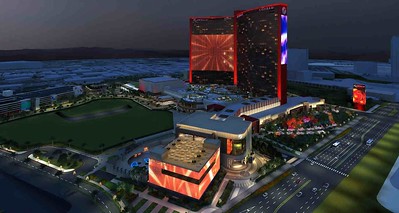
The first ground-up casino hotel to open on the Las Vegas Strip in a decade will also be the first to accept cryptocurrencies such as Bitcoin.

Genting Group’s Resorts World Las Vegas has announced a partnership with cryptocurrency exchange and custodian Gemini that will allow the property to deploy a Gemini crypto wallet “across all areas of the integrated resort experience” outside of the gaming floor.

The 3,500-room resort, set to open June 24, “is committed to integrating innovative technology conveniences to enhance the overall guest journey,” President Scott Sibella said. “By partnering with Gemini, a leader in cryptocurrency exchange, we are taking another step toward providing progressive guest experience solutions for today’s Las Vegas traveler.”

Gemini co-founder and CEO Tyler Winklevoss said his company is “incredibly excited” about the launch.

“Whether it’s the ability for their customers to use cryptocurrency at Resorts World Las Vegas or convert dollars into crypto, being one of the first to support crypto is a great way to provide a 21st century experience.”

Currently, two Downtown Las Vegas casinos, The D and Golden Gate, accept the Bitcoin in areas such as dining, hotel reservations, gift shops and at the front desk, although, in line with Nevada gaming regulations, their casinos accept only U.S. currency.

Bitcoin can also be utilized at the Downtown Events Center.

“Nevada does not allow cryptocurrencies to be used directly in gaming,” Gaming Control Board Chairman Brin Gibson told the Las Vegas Review-Journal.

However, it is permissible to exchange it on-site for cash for gaming purposes, he said.

Cryptocurrency is a blanket term for a digital or virtual currency that is secured by cryptography, which makes it nearly impossible to counterfeit or double-spend. Many cryptocurrencies are decentralized networks based on blockchain technology; a distributed ledger enforced by a disparate network of computers.

Gemini is a platform that allows customers to buy, sell, store and earn cryptocurrencies like Bitcoin, Ether and DeFi tokens.

Maryland Sports Betting Official

Maryland Governor Larry Hogan last week made the state’s new sports betting industry official, signing HB 940 into law. The new law authorizes sports betting at casinos, racetracks sport stadiums and small businesses across the state.

Under the law, the state’s casinos, racetracks and sports stadiums are eligible for Class A licenses for retail sportsbooks. In addition to the three stadiums—the Washington Football Team’s FedEx Field, the Baltimore Ravens’ M&T Bank Stadium and the Baltimore Orioles’ Oriole Park at Camden Yards—each of the state’s six casinos is expected to add a sportsbook.

There also are 30 Class B licenses available for small businesses to open retail sportsbooks, including the Maryland State Fairgrounds and six other named entities. Retail license holders can also apply for online licenses. There will be 60 available online sports betting licenses, more than any other state has issued yet. Should there still be demand for more licenses, the state can reconsider the number in December 2025.

The final legislation sets the state tax rate at 15 percent on sports betting revenue.

The state General Assembly passed the bill April 12, the last day of the session. Voters easily approved the constitutional amendment authorizing sports betting in last November’s elections.

The Maryland State Lottery can now start to develop regulations and appoint commission members immediately. The first sportsbooks are expected to go live by September, in time for the new NFL season, baseball playoffs and the World Series.

“We were going to get (sports betting) done this session,” state Senator Craig Zucker told Legal Sports Report. “Voters approved this almost 2-to-1. They sent us to Annapolis with a mandate and the General Assembly delivered.”

In the same bill-signing session—Hogan signed more than 200 bills into law at the Tuesday event—the governor signed a bill into law allowing college athletes to earn money from endorsements.

The Jordan McNair Safe and Fair Play Act is named after the former University of Maryland offensive lineman who died in 2018 after suffering from heatstroke at a team workout. In addition to allowing college athletes to earn money from use of their name, likeness and image, it requires athletic departments to implement guidelines to prevent, assess and treat serious sports-related conditions.

“The bill is an important statement that our state government is going to prioritize the health and financial needs of our student athletes,” said Del. Brooke Lierman, a Democrat who was a bill sponsor, according to the Associated Press. Added Republican sponsor Senator Justin Ready, “The NCAA has dragged its feet for so long on this issue. It makes no sense to me why a student athlete can’t earn money based on their name, image and likeness.”

Baffert Faces Suits Over Drug Test for Derby Horse

Bob Baffert, trainer of Kentucky Derby winner Medina Spirit, faces class-action lawsuits filed by bettors in Kentucky and California after the horse tested positive for steroids after the race. The lawsuits accuse Baffert of fraud, racketeering and negligence after betamethasone was discovered in the blood test, according to the Louisville Courier Journal.

Bettors want compensation for the wagers they lost and one suit seeks Baffert’s removal from horse racing. One of the lawsuits also accused Baffert and Churchill Downs of negligence for failing to detect the substance prior to the race.

“We all think it’s a long shot,” said plaintiffs Justin Wunderler. “But if we don’t [speak up] for the bettors, it’s just going to keep on going. Nothing will change in my opinion.”

Wunderler and three others claim the situation kept them from collecting at least $54,000. A plaintiff in the second lawsuit, Anthony Mattera, said he and his partners expected to win $1 million.

“As horseplayers, we’re used to being abused and mistreated,” said Mattera, who supports the creation of a fund to settle wagers involving disqualified horses. “We’re always left holding the bag, and there never seems to be any consequences for those who are in a position to prevent something like this from happening but won’t. It’s way past time that trainers and racetracks get held to account for their actions and failures.”

Baffert’s attorney called the lawsuit “completely frivolous, with zero legal merit.” The Hall of Fame trainer admitted he treated Medina Spirit with an ointment containing betamethasone for dermatitis shortly before the Derby. But according to the rules, use of any medication needs to stop 14 days prior to the race.

Baffert blamed the positive test and his suspension from Churchill Downs on “cancel culture.”

Wynn Resorts to Spin Off WynnBET

Wynn Resorts Ltd. has revealed a plan to spin off its WynnBET mobile sports app and merge it into a new publicly traded company through a special purpose acquisition company (SPAC) in partnership with William Foley, principal owner of the NHL’s Vegas Golden Knights hockey team.

The company’s top executives revealed the plan last week during Wynn’s quarterly earnings call. It was announced the company has signed an agreement with Foley’s Augerlitz Acquisition Corp. SPAC to create a new public company from what is now Wynn Interactive Ltd., the operator’ subsidiary. The new company will retain the Wynn Interactive name and will relist on the Nasdaq exchange under the symbol WBET.

“We are confident that this transaction will unlock the tremendous potential of Wynn Interactive to further accelerate growth and enable the business to capture the massive opportunity in North America,” said Wynn CEO Matt Maddox, according to the Las Vegas Review-Journal.

“Bill Foley is the ideal partner to ensure continued success—his track record with business combinations, extensive experience growing marquee consumer brands and partnering to maximize value in businesses like ours will be invaluable as we continue scaling.”

According to the company, the deal is expected to raise around $640 million in cash to fund operations and growth initiatives. Current Wynn Interactive shareholders will retain around 79 percent of the new company, with Wynn Resorts holding a 58 percent controlling interest.

“We knew that we had to stick with what we do, which is build great product and provide the best customer service,” Maddox said. “Wynn Interactive is now a company with over 300 people. We have some of the luminaries from European gaming, the co-founders of Bwin (Interactive Entertainment) that are responsible for a lot of the product that we’re developing in this 300-person team.

“As we looked out into the future and we realized this likely going to be as large a commercial casino revenue opportunity of $40 billion over the next five-plus years… we knew that this was an opportunity that we had to capitalize on.”

“Wynn Interactive is rapidly establishing a leadership position in what will ultimately be a $45 billion North American online sports betting and iGaming market through our relentless focus on product features, user experience and customer service,” Wynn Interactive President and Executive Director Craig Billings said during a presentation posted following the earnings call.

Billings further predicted that WynnBET will grab a 20 percent-30 percent market share in Massachusetts, where discussions on sports betting are ongoing in a state where current estimates place potential gross gaming revenue from sports betting in the neighborhood of $850 million, with Wynn’s Encore Boston Harbor resort in the middle.

“We’ll be ready to go on day one (in Massachusetts);” Billings said. “We have a very strong home-court advantage there . We have a $2 billion-plus asset in the middle of Boston, and it will prove to be very fruitful.”

WynnBET is currently active in six states—New Jersey, Colorado, Virginia, Indiana, Tennessee and Michigan, Currently available in New Jersey, Colorado, Michigan, Virginia and Indiana, with market access opportunities in 10 states and several pending license applications in process. With more than 13 million users, the mobile sports and casino betting app provides unique social betting mechanics, and a high-quality user interface.

According to Billings, the app will soon be fully integrated into the Wynn Rewards player loyalty system, meaning users will earn points that can be redeemed at Wynn properties worldwide.

Wynn Interactive this year has announced several content and marketing affiliate partnerships, including the sports podcast network Blue Wire, Players’ Tribune and FanSided parent Minute Media, the NBA’s Memphis Grizzlies and Detroit Pistons, and NASCAR.

The combine value of the merged companies is expected to be $3.2 billion.

Four Operators Vie for CT Sports Betting Partner

The Connecticut Lottery has narrowed the number of potential sportsbook operators to four from the 15 that responded to its request for qualifications, which went live May 11.

According to Rob Simmelkjaer, president of the lottery board, “The companies who were invited were invited primarily based on their qualifications that were presented and based on our expectation of the law, the language of the law that we expect to be in the bill to be voted on by the legislature.”

He added, “So we invited companies that we felt were capable of complying with that likely legislative language, as well as companies that fit with our current business strategy about how to execute sports betting in the state.”

The lottery is expected to announce its choice by June 10. Although details could change if the legislature changes the language of the enabling legislation, the lottery expects to operate one online sports betting skin and 15 retail locations.

The partner would be required to invest a minimum of $5 million in the first year and $10 million per year in the next nine years. Simmelkjaer said the share percentage will be “very competitive.” As examples, New Hampshire is paid 51 percent while New York gets 50 percent.

The Mohegan Tribe, one of two gaming tribes in the state, have estimated that the sports gaming market will be worth about $200 million by the fifth year of operation. The tribe has partnered with Kambi for its sportsbook.

Missouri House Committee Considers Sports Betting Bills

Four bills that would authorize and regulate sports betting in Missouri all recently advanced to the House of Representatives Emerging Issues Committee, which deals with bills involving ethics, public safety and utilities. Any of the bills that pass will move to the Senate and ultimately a floor vote.

House Bill 1024, sponsored by state Rep. Cody Smith, would authorize online and land-based sports betting through the state’s casinos. The bill would prohibit any sports betting taking place outside of licensed premises and as well as targeting minors and vulnerable people to place bets. It would tax wagering revenue at 6.25 percent and charge sports betting platform operators an annual fee of $50,000.

House Bill 619, introduced in January by state Rep. Wes Rodgers would modify certain provisions regarding sports betting. It would charge sports betting platform operators an annual fee of $10,000 and would tax sports wagering revenue at 6 percent.

House Bill 730, introduced by state Rep. Phil Christofanelli, the measure would allow online and land-based wagering. It would impose a tax rate of 6.75 percent on sports betting revenue and charge platform operators an annual fee of $20,000.

And House Bill 1364, introduced by state Rep. Dan Houx, includes a variety of regulations. One would require operators to keep for at least three years information about bettors who wager $10,000 in 24 hours. The bill also would allow licensees to have up to three online skins; the other bills allow only one skin. Houx’s measure also states operators of interactive sports wagering platforms must pay an annual license renewal fee of $20,000, and that sports wagering revenue would be taxed at 6.75 percent.

If this bill passes, it directs the Missouri Gaming Commission to take applications for gaming licenses starting July 1, 2021, with license holders allowed to start operations on September 1, 2021.

Kalispel Tribe, Washington State Reach Sports Betting Deal

The Kalispel Tribe of Indians and the Washington state Gambling Commission have reached an agreement that would allow sports wagering at the tribe’s Northern Quest Resort by football season.

Kevin Zenishek, executive director of casino operations at Northern Quest told the Spokane Spokesman-Review, “This is pretty monumental. This is a big deal.” He said the tribe hopes to offer wagering in time for the NFL season. “We worked with the state to make sure that we could do this. The goal here was to bring a form of sports gambling that was legal and honest.”

The state is negotiating similar agreements with its gaming tribes, and several others have been given preliminary approvals, said Brian Considine, legislative manager of the commission.

All agreements will need the nod of the Bureau of Indian Affairs and the signature of Governor Jay Inslee. In addition, the commission will need to draft licensing and regulations that will be considered at a hearing on June 10.

Last year the legislature passed House Bill 2638 that authorized tribes to exclusively offer sports betting at their brick and mortar casinos. It allows betting on college sports, but not on college sports in the state. It also doesn’t permit wagering on minor league teams based in Washington. Online sports betting is only allowed on the premises of the casinos.

The Kalispel Tribe has already started the remodel to convert the Turf Club Lounge into the Turf Club Sports Book.

Massachusetts Senators Try Again on Sports Betting

Sports betting is among the almost 1,000 amendments filed to the Massachusetts state budget for FY 2022. Debate will begin May 24.

State Senators Bruce Tarr and Paul Feeney have filed competing bills that would allow sports betting, but their bills are just two of several that have been filed. Governor Charlie Baker’s January budget proposal indicated his support for sports betting, which he estimated would bring in $35 million the first year.

However, there isn’t any current support in the House, which did not include a sportsbook element in its budget.

Nebraska Lawmakers Compromise on College Bets

In an effort to appease various parties involved in sports betting, Nebraska lawmakers agreed to permit wagers on college games of in-state schools, but only for away games. Senator Steve Lathrop told the Associated Press the compromise was part of legislative “sausage making” necessary to get the bill over the goal line.

“You may not like it, but in the end, we need to get (the bill) across the finish line,” Lathrop said.

A total ban on bets on teams like the Nebraska Cornhuskers just drives business to neighboring Iowa to place wagers. “We’re pretending like this isn’t occurring,” said Senator Asam Morfeld.

The latest revision also requires keno at casinos to follow the same rules as at other venues.

Legislators still have to vote again before it goes to Governor Pete Ricketts.

Baltimore Ravens Name BetMGM as Gaming Partner

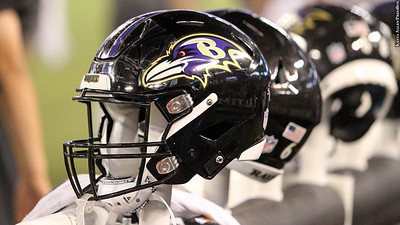
The NFL’s Baltimore Ravens and BetMGM, a leading sports betting and digital gaming company, announced a multi-year partnership under which BetMGM becomes the Ravens’ first Official Gaming Partner. The parties will collaborate to create cobranded promotions for Ravens fans. BetMGM-branded signage will be present throughout M&T Bank Stadium, digital media, and integrated social media content.

“When we began the process of carefully identifying sports betting and digital gaming partners, one of our top priorities was finding unique ways for Ravens fans to further engage with the team,” said Ravens Chief Sales Officer Kevin Rochlitz. “We are excited to partner with BetMGM and look forward to the specialized entertainment experience the company will provide for our fans.”

Under terms of the partnership, BetMGM will have a private hospitality suite within M&T Bank Stadium. Additionally, the BetMGM app will feature Ravens-specific promotions and marketing campaigns.

BetMGM Chief Revenue Officer Matt Prevost said, “The Ravens are an incredible organization with a rich history, and we’re proud to have BetMGM as the team’s first official partner in the gaming space. We look forward to offering Ravens fans new ways to engage with their favorite football team on our market-leading platforms.”

Maryland residents voted in favor of a referendum to legalize sports betting in November 2020. While mobile and retail sports betting has been legalized, the regulatory framework in the state is currently being established.

Jorge Perez, president and chief operating officer, MGM National Harbor, said, “BetMGM’s partnership with the Baltimore Ravens comes at a pivotal time for MGM National Harbor, as we usher in the era of legalized sports betting in Maryland. We are confident that we will provide Ravens fans throughout the DMV with new and innovative ways to experience football season before, during and after games at our entertainment resort.”

PointsBet, WNBA Announce Sports Betting Partnership

Global sportsbook operator PointsBet and the Women’s National Basketball Association (WNBA) last week announced a new partnership that makes PointsBet an authorized gaming operator of the WNBA.

The relationship adds to PointsBet’s impressive list of partners in the U.S., including the National Basketball Association (NBA). Notably, it represents the company’s first deal with a women’s professional sports league.

“We are thrilled to align with the WNBA and bring the world-class PointsBet experience to one of the most digitally-engaged fan bases on earth. The WNBA has done a phenomenal job with growing fan engagement, and PointsBet is excited to be a piece of that puzzle moving forward,” said Johnny Aitken, CEO of PointsBet USA. “In owning and operating our technology from end to end, PointsBet can innovate our product and personalize our offerings according to fan interest and needs – WNBA supporters will appreciate this competitive advantage, as well as our app’s market-leading speed and ease of use.”

As part of the partnership, PointsBet will integrate the WNBA into its betting platforms and receive WNBA sponsorship and brand visibility opportunities. This partnership is another bold move for the WNBA, a league looking to grow in the sports betting landscape, by bringing on operators who are looking to support the best women’s basketball in the world while also growing the game using their wide audience reach.

“Innovating at the WNBA and enhancing the fan experience starts with recognizing how our fans want to interact with the players, teams, and the league, and PointsBet will enhance a second screen experience that digitally-engaged fans are looking for,” said WNBA Commissioner Cathy Engelbert. “We’re excited to partner with PointsBet to continue expanding in the sports betting space and look forward to the innovative ideas they will bring to our game.”

Viewed as an industry leader for responsible gaming efforts and awareness, PointsBet and the WNBA will also work together on best-in-class practices to protect the integrity of WNBA games.

FanDuel to Open Facility in Atlanta

FanDuel will open an office in Atlanta to handle product development and technology operations. The $15 million-plus investment will result in 900 new jobs.

With 12 million customers, FanDuel ranks as the top online sports betting and gambling company in the U.S., according to the Associated Press. Their services are in 10 states, but not Georgia which has yet to approve sports betting. The Atlanta office joins FanDuel’s locations in New York, Los Angeles and Orlando, all states without mobile sports wagering yet.

The company has yet to decide where it will locate in Atlanta or what kind of assistance it will seek from various government agencies. FanDuel will tap local colleges to train and recruit employees as well as provide workshops and mentorships to reach out to local residents.

Ohio Sports Betting Bill Inches Forward

Step by slow step, Ohio lawmakers’ inch closer to approving sports betting. The latest modification, approved by a state gaming committee, permits casinos to submit an application for a retail sportsbook.

If passed as is, the bill would open up online licensure to all 11 casinos and racinos. Look for the usual sportsbook names to seek licenses: BetMGM, Barstool, FanDuel, PointsBet, and DraftKings to name a handful.

Under terms of the bill, 20 Type A licenses for the four casinos and seven racinos can contract with an unlimited number of mobile apps. The 20 Type B licenses for brick and mortar sportsbooks can also be awarded to casinos or racinos.

Each online license holder can also contract with an unlimited number of sportsbook partners, which will likely create one of the largest sports betting markets in the country, according to The Action Network.

One of the oddest elements to the bill permits non-gaming concerns to hold a license, even Ford Motor Company… theoretically.

It remains to be seen which entities will apply, or ultimately be eligible to do so, but the bill’s proponents believe this will help spark controlled sports betting participation beyond the established brick-and-mortar gaming establishments.

Under the legislation, license holders would be charged a $1 million fee renewable every three years. The fee could keep smaller, less lucrative businesses away. Online and retail sports betting gaming revenues would be taxed 10 percent, the median national average.

The Casino Control Commission would oversee the sportsbooks. Lawmakers also require commissioners consider regional distribution so license holders are spaced out throughout the state.

The bill would also legalize e-bingo at fraternal and veterans’ organizations, according to the Statehouse News Bureau.

The House and Senate split last year over control between the Commission and the state lottery, a split that helped tank 2020 sports betting efforts. To soothe ruffled feathers after lawmakers tapped the Commission over the lottery, the latter will offer be able to offer sports betting options.

Sponsors hope the bill mollifies sportsbook operators, casinos, sports leagues, small businesses and other entities that lobbied for sports betting rights. Still, someone is likely to be upset at the final bill.

Louisiana Sports Betting Bills Move Forward

In a 77-24 vote, the Louisiana House, members approved House Bill 697 which would create the regulations and tax rates for sports betting. Last year, 55 of the state’s 64 parishes voted to legalize sports wagering. “The people spoke,” said state Rep. John Stefanski, who sponsored the bill.

The measure would tax net revenue from on-site betting at 10 percent and net revenue from mobile betting at 18 percent. Also, the measure authorizes the Louisiana Lottery to oversee sports betting and place kiosks in bars and restaurants. Stefanski said this provision would help retail establishments that offer video poker terminals and are concerned that legal sports betting could cannibalize business.

The bill currently requires 30 percent of tax revenue to go to services for residents developmental disabilities; 5 percent to parishes where bets are placed; and most of the balance would go to education through the state’s Minimum Foundation Program.

The Senate’s legislation, Senate Bill 202, sponsored by Senate President Page Cortez, would allow the state to issue 20 licenses to sportsbook operators at the state’s 16 casinos and four horseracing tracks. If those venues don’t seek all 20 licenses by January 1, 2022, fantasy sports betting operators and video poker establishments in the parishes where sports wagering is legal could apply for any available licenses. Any operator who receives a license to conduct sports betting onsite also could offer online or mobile betting.

Senate Bill 142, sponsored by state Senator Rick Ward, would require licensing fee revenue to be deposited in the general fund; however, some lawmakers are expected to want the funds to go to early childhood education.

The Senate bill also requires players to be 21 or older and establish an account with a sports betting operator in Louisiana and be physically located in a parish that approved sports betting. State Senator Rick Ward said, “If you live in one of the parishes that did not vote for this, you’ll have to drive into one of the parishes that did.” Also, athletes, coaches and referees would not be allowed to bet on a sports event they’re involved in.

The bill now will go to the full Senate for debate unless it’s diverted to the Senate budget committee for a second review.

Oakland A’s May Move to Las Vegas

Several years ago, pro sports wouldn’t dream of relocating major league teams in Las Vegas. Minor leagues, sure. But the big boys? The Show? No way.

Then the NHL’s Golden Knights chose Las Vegas in 2018. Fire and brimstone did not descend on Las Vegas. No one turned to salt. Indeed, the team reached the Stanley Cup finals in its inaugural year and is the favorite to win the Cup this year. The NFL’s Oakland Raiders moved to Las Vegas last year.

The latest talk involves yet another Oakland team, the A’s, who may leave the Bay area if a new stadium is not forthcoming. On May 11, MLB gave the A’s permission to explore options, and one of those options in Las Vegas. Other potential landing sites include Portland, Vancouver, Nashville, Charlotte and Montreal.

The Raiders moved because of the conditions at the Oakland Coliseum. The same issue affects the A’s. MLB agrees the A’s need a new stadium to compete.

“MLB is concerned with the rate of progress on the A’s new ballpark effort with local officials and other stakeholders in Oakland,” MLB said in a statement to the Las Vegas Review-Journal. “The A’s have worked very hard to advance a new ballpark in downtown Oakland for the last four years, investing significant resources while facing multiple roadblocks.”

Raiders’ owner, Mark Davis, isn’t surprised. “It’s what we went through.

Henderson, Nevada, will likely make a pitch, similar to one pitched to the Diamondbacks in 2018. The team remained in Arizona.

“We could resurrect that,” Mayor Debra March said. “I would be interested in having a conversation, certainly.”

Oakland wants to work this out as well. The team picked out a waterfront site with a price tag of $1 billion that could be ready in 2027. The Coliseum, its lease up in 2024, has been the A’s field since 1968 and suffers from lighting and flood issues. The team is willing to privately finance the stadium but is asking the city to provide almost $500 million in infrastructure improvements.

NBA Spends More Lobbying Money in States Than D.C.

As gambling, especially sports betting, expands in the states, the NBA is spending less and less money trying to lobby Congress.

Records show that Major League Baseball and the NFL will each spend about $300,000 each on lobbying Congress. Whereas the NBA is spending a $5,000 to engage the services of sports lobbyist Phil Hochberg, who represents several professional leagues.

NBA spokesman Mike Bass explained why in an email: “As necessary and appropriate, the NBA engages with government officials and speaks publicly regarding matters that affect our sport.” He added, “In Washington, we have found that members of both parties are open to hearing our point of view directly.”

The most recent large expenditure by the NBA to influence Congress was in 2015, on a variety of issues, but then former commissioner David Stern retired and his successor Adam Silver appears to have prompted a change in strategy. It is a change that nobody is really willing to talk about.

The end of big spending in Washington appears to have been the beginning of big spending in state capitals, especially since 2018 when the U.S. Supreme Court ended the federal ban on sports betting.

From 2019-2020 the NBA spent $138,581 Connecticut lawmakers, and $142,,875 to do the same in Massachusetts. Both states have been working on sports betting legislation, and Connecticut just reached a deal with its gaming tribes that allows its expansion.

Golden Nugget Online Gaming Boasts Strong Quarter

Golden Nugget Online Gaming has a proven track record in New Jersey since 2013, long before the Covid-19 pandemic offered a jolt in business. With added success in Michigan and agreements to enter Colorado and Iowa, the company is not surprised over first quarter results which produced $26.7 million in revenue. The figure represented a 54 percent increase over the $17.3 million for the three months ending March 31, 2020.

“We feel increasingly confident about what Golden Nugget Online Gaming can be as we expand into our new geographic areas and continue to build our scale,” said GNOG CEO and Chairman Tillman Fertitta on May 18 during an earnings conference call.

Last year, Fertitta spun off GNOG as a separate public company from Golden Nugget Casinos. By then, the firm had added Pennsylvania to the mix, with additional agreements in Illinois and West Virginia signed in 2020, according to CDC Gaming Reports.

This year’s new agreements for online sports betting and iGaming involved Colorado through Maverick’s Z Casino, and Iowa through the Wild Rose Casino. Both await enabling legislation and approval by regulators.

“We’re now under agreements in geographies that represent nearly a third of the U.S. population,” Fertitta said. “Put very simply, we have a very strong playbook to run from based on our experience in New Jersey.”

GNOC President Thomas Winter said three factors drove the results in the first quarter: the growth of iGaming, player loyalty to the Golden Nugget brand and strong player acquisition and retention.

“In our first full month of operation (in Michigan), we generated $3.9 million in gross gaming revenue, which took us more than four years to achieve in New Jersey,” Winter said.

He expects to go live in four more states this year.

GAN Buys Ainsworth Game Rights in U.S. iGaming Deal

GAN Ltd., a leading gaming and sports betting provider, has made a deal with Australian supplier Ainsworth Game Technology that gives it exclusive rights to all of Ainsworth’s real-money iGaming titles in North America as well as future titles.

Ainsworth’s existing online operations in New Jersey are part of the agreement, too, as are planned expansions in Michigan and Pennsylvania.

More than 75 unique slots titles are included in the agreement, including the QuickSpin brand of wheel games and top-performing high-denomination titles. Ainsworth will provide a variety of new game content on a regular basis, including derivatives of titles that have been successful in the New Jersey online casino market such as Pan Chang, Lucky Break and Kanga Cash.

“This agreement with GAN capitalizes on the strength of both companies and provides strong competitive advantages in the rapidly growing U.S. online market,” said Jason Lim, online general manager for Ainsworth. “This partnership provides Ainsworth with a significant revenue base as we continue to work to grow our digital footprint across global markets. It positions Ainsworth to be focused on ensuring development of quality and high performing land-based content into online markets.”

Ainsworth will continue to ensure current partners have continual access to the same strong content through this partnership with GAN, the company stated.

GAN Chief Commercial Officer Jeff Berman said the deal “recognizes the benefit of marrying our distribution to Ainsworth’s content and is an important step toward becoming a leading force within the competitive distribution channels in the U.S. online gaming segment. This agreement ensures that GAN possesses differentiated and exclusive access to what we believe will be an ever-growing focus on recognized retail gaming content naturally sought-after by Americans engaged in playing online casino games.”

Berman added that GAN will “continue to build a leading portfolio of U.S. casino games to benefit our diverse clients and establish ourselves as exclusive providers of premier U.S. content. We are excited to extend our long-standing relationship with Ainsworth, as they have built a global reputation for developing award-winning games for both the online and land-based channels.”

Ainsworth Chief Operating Officer Ryan Comstock added: “We have a suite of strong performing games and several key online casino partners. This partnership with GAN will assist to ensure the timely access to expanded online distribution channels of our unique and recognizable brands.”

LeoVegas to Enter U.S.

Despite the name, LeoVegas is a Swedish company that provides online casinos and sports betting. And its initial launch in the U.S. will not happen in Las Vegas.

Instead, the debut will be in New Jersey through Caesars Entertainment in the first half of 2022. The company will offer its innovative gaming experience to mobile phones.

“The American market has immense growth potential, and players are just now discovering online gaming,” LeoVegas CEO Gustaf Hagman said. “Establishing ourselves with our proprietary platform is a strategic decision, and we know from other markets that having full control over our technology is a key competitive advantage.”

Caesars will offer LeoVegas’ games like live blackjack, poker, and roulette as it seeks a place in the New Jersey online gaming market, one that produced over $1 billion in revenue in 2020.

The games will be launched through Rhino, LeoVegas’ proprietary technical platform, pending approval from regulatory authorities in New Jersey.