Author: Casino Connection Staff

Flutter Gives Up Bond in Kentucky-PokerStars Spat

Bet PokerStars rues the day it set up shop in Kentucky. And Flutter Entertainment PLC may rue the day it bought PokerStars after Franklin County Circuit Judge Thomas Wingate told the U.K.-based gambling company to surrender $100 million in secured bonds.

The funds are a mere down payment on a judgment that is hurtling towards $1.6 billion and climbing.

PokerStars previous owner, Amaya Gaming, posted the bond in 2016 as part of its appeal of $870 million decision related to the poker company’s alleged illegal dealings. Wingate first issued a ruling against PokerStars in 2015, only to see the Kentucky appellate court overturn the decision only to see it reversed by the Kentucky Supreme Court.

Meantime, interest has accrued at more than $500,000 a day. PokerStars next move is to appeal to the U.S. Supreme Court. Whether the court agrees to hear the case is anyone’s guess, according to Cardschat.

Flutter asserts other remedies remain. Either way, Kentucky faces an uphill climb collecting as the commonwealth would have to take the issue to the U.K. where different rules may make it more difficult to get the money due.

“The statute in the United Kingdom treats the entire judgment as void and unenforceable,” Flutter’s Kentucky counsel Sheryl Snyder told the court.

That possibility may prompt both sides to seek common ground to settle.

DraftKings, LeBatard Make a Deal

Onetime ESPN talker Dan LeBatard is moving to Meadowlark Media, where he will broadcast his program, “The Dan LeBatard Show with Stugotz,” across multiple media platforms. The show is sponsored by DraftKings, reported SportsPro.com.

The Miami Herald reports that the deal is worth $50 million.

“DraftKings believed in us, our principles and our mission enough to give us a freedom no scared corporation or traditional media partner ever could or ever would,” LeBatard said in a statement. “To our fans, know that DraftKings is the reason you aren’t behind a paywall, and I’m promising you the money won’t change the show or corrupt us in any way.”

Former ESPN president John Skipper launched Meadowlark Media in January shortly after LeBatard left ESPN. Meadowlark has also signed former ESPN hosts Jemelle Hill and Adnan Virk.

“John Skipper and Dan LeBatard have established a deep roster of content creators that will continue to expand quality and original programming,” DraftKings Chairman and CEO Jason Robins said in a statement. “Our relationship with Meadowlark Media demonstrates DraftKings’ dynamic approach in bringing premium content to skin-in-the-game sports fans through numerous channels.”

Ohio Teams Want Sports Betting Approved

The Ohio legislature’s stagnancy when it comes to passing sports betting does not rest well with the pro sports teams in the state. They want a deal before the legislature adjourns for the summer. The Ohio Professional Sports Coalition says the delays leave millions of dollars on the table, according to the Statehouse News Bureau.

The devil is not in the details of the betting apparatus, but in which agency should regulate the industry. The teams favor the Ohio Casino Control Commission to regulate sportsbooks at the state’s four casinos and seven racinos. Alas, others want it under the Ohio Lottery Commission which would expand eligible operators.

Curt Steiner, the Coalition spokesman, says since other states have succeeded, the legislature does not have to reinvent the wheel.

“Ohio has the opportunity to get it right and the way to get it right is to allow the sports teams to have fair market access, to have healthy competition, to limit the number of licenses, and to give fans the opportunities to engage with their favorite teams.”

State Senator Kirk Schuring told WOL-AM that the legislature is close to bringing legislation to the floor.

“I think we are near consensus,” he said. “We’re going to wrap it all together.”

The proposed bill permits mobile and retail sportsbooks for casinos, racetracks, and professional teams, and e-bingo veterans and fraternal organizations. Still undecided is whether bowling alleys, bars, restaurants and convenience stores will be able to become operators or who will regulate the sportsbooks.

Pennsylvania Adds More Online Poker Apps

PokerStars PA may soon have competition for the online poker market in Pennsylvania.

Both BetMGM Poker and Borgata Poker expect to be running after a two day test concluded on April 28, Pennsylvania Gaming Control Board spokesman Doug Harbach told PlayPennsylvania.

BetMGM poker falls under the BetMGM online casino as part of the Hollywood Casino Grantville‘s license. Borgata poker comes with the Borgata casino app under the Rivers Philadelphia iGaming license.

Both poker sites will be linked when it comes to player pools.

Entain powers both the BetMGM Poker and Borgata Poker sites in New Jersey. The new sites have little flash, which makes it easier for players to concentrate on poker.

There is a tab for “My Tournaments” where players can access tournaments in which they are currently registered. When it comes to game types, both sites are limited to offering just three variants:

  • No-Limit Hold’em
  • Fixed-Limit Hold’em
  • Pot-Limit Omaha (Hi and Hi-Lo)

PokerStars PA offers a wider array of stud games and other variants.

Both the new sites feature daily and weekly tournaments with guaranteed prize pools. In the future, the sites could include marquee tournaments and more frequent tourney series.

The competition could motivate the apps to offer more bonuses, rewards and promotions.

The BetMGM and Borgata poker apps in Pennsylvania link to MGM’s M Life Rewards program, so poker players can earn tier credits for tournament and cash game play. Players can also easily switch between poker, online casino play and sports betting.

Racing Blocked from N.Y.’s New Mobile Market

New York’s new mobile betting market will not include horseracing, at least not for the time being, according to guidance issued by the state Gaming Commission.

“There appears to be no allowance of horse racing with mobile sports wagering and no integration of existing online horse racing advance deposit wagering systems,” the commission stated.

State Senator Joseph Addabbo, who sponsored the mobile betting provisions written into the 2021-22 state budget bill signed into law last month, seconded this, saying the New York Racing Association already has an online wagering platform, NYRA Bets, as it’s called, and will be left out when the law takes effect at the end of this year or early in 2022.

Addabbo and other betting advocates in the Legislature wanted mobile to be extended to kiosks at racetracks and OTB parlors but weren’t able to work it into the final version of the law over expected opposition from the administration of Governor Andrew Cuomo.

NYRA isn’t happy about the commission’s interpretation and wants to see it updated.

“Allowing horse racing content and wagering to coexist within the mobile sports marketplace would grow the sport in New York, deepen the industry’s economic impact and create jobs,” said a spokesman.

“NYRA will continue to make the case in the coming weeks, and we look forward to working with the New York State Gaming Commission as they develop the all-important rules and regulations that will determine New York’s mobile sports wagering landscape.”

Stardust Casino Reborn Online

Stardust Casino has a storied past as one of the original Las Vegas Strip casinos. It opened in 1958 and closed in 2006.

The name has returned if not the casino itself. The Stardust has become an online casino in Pennsylvania and New Jersey under Boyd Gaming Corp. and FanDuel Group. The iGaming version expects to tap into the nostalgia the name invokes, along with throwback graphics, according to Play Pennsylvania.

“The new Stardust Casino will retain all of the great games that customers love on Betfair Casino, while incorporating a new stylish look that captures the glitz, glamour and nostalgia of old Las Vegas,” said Amy Howe, president of FanDuel Group.

Stardust will kick off with 88 slot titles. Jackpot slots include Divine Fortune and Mercy of the Gods, along with familiar names such as

  • Treasures of the Pyramid
  • Wheel of Fortune Triple Extreme Spin
  • Fortune Coin
  • Cleopatra
  • Starburst
  • Asgardian Stones
  • Gonzo’s Quest
  • Butterfly Staxx
  • Guns N’ Roses

Table games include blackjack, baccarat, and American, European and French roulette, along with video poker. Stardust partnered with leading live dealer game supplier Evolution Gaming and currently has the following live dealer games: blackjack, baccarat and roulette.

Michigan Casino, Parx Partner In Online Casino

Gun Lake Casino in Wayland, Michigan recently launched the online gaming platform Play Gun Lake, in a partnership with Pennsylvania-based Parx Casino which will operate it. Play Gun Lake offers a variety of online slots and table games accessible throughout Michigan. The digital slots offering includes classic , video slots and progressive jackpot slots. Table games like blackjack, roulette and baccarat also are available. Live dealer table games will become available soon, and online sports betting also is planned, Gun Lake officials said.

For a limited time, in honor of the new platform, first-time players will receive a sign-up bonus of $20 in online casino cash. Play Gun Lake also will offer bonus rounds, free spins and more.

Jose Flores, vice president and general manager at Gun Lake Casino, said, “We are thrilled to officially announce the launch of Play Gun Lake, powered by our partner Parx Casino. Together, we are excited to offer Michigan players the latest high-quality online gaming platform. Our guests can now play their favorite casino games online while expecting the same trusted entertainment experience provided by Gun Lake Casino.”

Matthew Cullen, senior vice president of interactive gaming and sports for Parx, added, “We are very happy to bring the state of Michigan our excellent product and execution know-how. Partnering with a trusted name as Gun Lake Casino is nothing short of thrilling. We look forward to this exciting year ahead and expanding our digital presence in the Great Lakes State.”

In Michigan, iGaming, Helpline Calls Soar

In late January, in the first 10 days that Michigan residents could gamble and place sports bets online, operators collected $42.7 million in gross receipts, according to the Michigan Gaming Control Board. In February, the Michigan Problem Gambling Helpline took 563 calls—more than five times the number of calls placed in February 2020.

Michelle Malkin, a Ph.D. candidate studying problem gambling at Michigan State University’s school of justice, said, “Casinos are at limited capacity right now because of the pandemic. The only thing that could really explain this is the growth of online gambling. Because that’s really the only big change that’s happened in Michigan.”

Online gaming took off as soon as it was opened in January this year. Operators collected almost $260 million in gross receipts from January through March, according to the Michigan Gaming Control Board. They paid more than $36 million in taxes that go to local and state funds that pay for internet gaming law enforcement, problem gambling prevention, a fund for first responders and more.

In 2019, when Governor Gretchen Whitmer signed online gambling and sports betting legislation, the Michigan gambling helpline received 50 to 150 calls per month, officials said. The calls started to increase in October, two months after Michigan’s nontribal casinos were allowed to reopen. Call numbers still are well above average compared to call volumes since 2017.

Jim Loree, a mental health and addictions therapist at the Lansing Institute of Behavioral Medicine, noted for every call to the helpline, at least 10 more people are dealing with a gambling addiction. “The real problem with gambling addiction is when somebody gambles for the first or second or third time and they win really big. Then they get in their mind that they won once, they can win again. And the truth is they can win again. The problem is, we’re talking about probability. The probability is they won’t win again or they won’t win frequently enough to make up for the losses. Hence why so many venues for gambling are still around,” Loree said.

Besides legalized online gambling, Covid-19 also had a major impact on Michigan’s gambling industry last year. According to Alia Lucas, MDHHS Gambling Disorder Program specialist, much of the advice problem gambling prevention specialists used to give, like “avoid going alone” or “play with a specific amount of cash, not your credit card,” doesn’t apply anymore. She said, “With the changing landscape and accessibility to gambling, the concern now is that an individual can sit at home on their couch with their phone and gamble to their heart’s content.”

Lucas said the state’s Gambling Disorder Program is working on increasing public awareness of gambling disorders and treatment and reaching younger people. The program actually has more money thanks to online gambling and sports betting, which direct $1 million annually to the Compulsive Gaming Prevention Fund. Now the fund has an annual budget of $5 million, Lucas said.

Malkin, who researches gambling addiction, noted, “The biggest expansion has been through the internet. And each time there’s an expansion they’re getting a new crowd of people with the potential to end up being a problem gambler.”

She believes Michigan should do more to educate people, particularly young people and parents, about problem gambling. “If anybody’s watching TV these days they’re inundated with commercials about all the different ways to access online gambling. You’re not seeing an equal number of things about what to do if you have a problem,” Malkin said.

The Michigan Problem Gambling Helpline is available at 1-800-270-7117. Counselors provide free, confidential service 24/7. The helpline can connect people with the state’s disassociated persons list, which allows them to sign themselves up for a 5-year or lifetime ban from Detroit casinos. Also, the internet gambling responsible gaming database allows people to ban themselves from online gaming platforms or limit the amount they have to gamble with daily.

Social Casinos Vulnerable to ‘Patchwork’ Regulations, Lack of Clarity

In February, a court in Washington State approved the settlement of a class action lawsuit against Churchill Downs Inc. (CDI) and Aristocrat Leisure Ltd.

The suit was filed by two patrons of an online social casino called Big Fish Games, acquired by Aristocrat from CDI in 2018. The plaintiffs alleged that the site constituted illegal gambling, because it allowed players to buy virtual chips when they used up their free play.

Both co-plaintiffs reported spending $1,000 or more to top off their pile; they claimed their purchases were equivalent to losses, and said BFG was “exploiting the same psychological triggers as casino operators.”

While the operators denied breaking the law, they agreed last fall to jointly pay $155 million “to avoid the uncertainties and expenses associated with continuing the case.” It was a tough blow for BFG, which shouldered most of the payoff; within 24 hours of the announcement, the company laid off some 250 people in its Seattle office.

The case isn’t an isolated one. In 2018, disgruntled social gamers took on Huuuge Games, also Washington-based, for similar reasons in a case that was settled for $6.5 million. Other targets have included DoubleDown Interactive, High 5 Games and Playtika. One plaintiff claimed losses as little as $20, another as high as $300,000.

According to gaming attorney Harry Jackson, senior associate with the law firm Fox Rothschild, part of the problem is that gambling laws “are handled on state-by-state basis; there’s no federal standard for what’s defined as gambling activity.”

Three Pillars of Gambling

“When we look at different states,” said Jackson, “there are three pillars that define gambling: a prize based on some chance-based determination, following some sort of consideration or payment.”

If any of the three is missing—the payment, the prize, or the element of chance—in most states, it’s not gambling.

While the social casino model includes the prize (virtual chips or tokens), and the element of chance (the games use random number generators to determine the outcome), the games are free to enter, so in Jackson’s view, the third pillar is missing.

“You get a certain amount of chips when you first log in, and once they’re used, there might be a cool-down period of a few hours or days before you get more,” he said, “but you’re not being charged to play the game.”

Judge Milan D. Smith of the Ninth Circuit of the U.S. Court of Appeals took a different view. According to Smith’s interpretation, the virtual chips in the Big Fish games had actual value, though they hold no intrinsic monetary worth and cannot be cashed out. Smith defined gambling as any game that “risks something of value on the outcome of a contest of chance or a future contingent event.”

“All it took was for one court to agree to that,” said Jackson, “and now it’s sort of thrown into chaos the social casino model in Washington State,” home of a number of tech and gaming companies.

“Other games may be inadvertently pulled in, too—any kind of game with a free-to-play model where you can buy in for more chances to play. If a rogue court out was really proactive and sided with the Washington court, it could pull in match-3 games like Candy Crush as well. And that’s alarming for any kind of social game operator, at least in Washington.”

In Search of Clarity

The settlements have created a minefield for operators, but also led lawmakers like Washington Senator Mark Mullet (D-Issaquah) to try to clarify the definition of gambling and remove the threat.

Mullet’s bill, as well as one filed in the House by former Rep. Chad Hudgins, seeks to “close the loophole, and really solidify the fact that, no, these companies are indemnified from any of these kinds of lawsuits as long as the chips cannot be cashed out for real money,” said Jackson.

If that happens, the short-term pain could be offset by a more airtight business model. In the language of the bills, Mullet et al. recognized that the class-action suits “pose a substantial financial risk for video game development in this state. The further possibility exists that companies based in Washington will move their base of operations to other states, which would remove thousands of jobs from the state” along with “a currently incalculable, but materially significant, amount of tax dollars.“ The legislation wants to “remove this economic uncertainty.” And it really matters in Washington, which is home to about one-fifth of the social gaming industry.

Such cases aren’t limited by geography. A lawsuit filed in California alleged that tech giant Apple illegally profited from social casino apps on its App Store. That complaint included some breathtaking language—it accused Apple of “racketeering activities,” “collection of unlawful debts,” and violating California law by running online casinos.

Like the Big Fish suit, this one was filed by two players who reported spending thousands of dollars on virtual currency after they ran out of the free stuff. A third lawsuit in Alabama takes aim at social casino apps available on Google’s Android and Apple’s iOS platforms.

Another Solution: Flip from FTP to RMG

Ross Krasner, co-founder and CEO of RYU Gaming, suggests that social casinos should dispense with the free-to-play model and elevate to real-money gaming.

The San Francisco-based tech startup helps developers add real-money tournaments to their suite of mobile games. “Game developers see this exciting, emerging trend of skill-based real-money gaming, but they struggle to get into this industry,” Krasner told GGB News. “One, you need state-by-state compliance. Two, it’s kind of a challenging technical product to build because you have to match up players by skill; you don’t want a beginner coming in and getting crushed by a veteran player.”

RYU Gaming’s software development kit (SDK) streamlines those processes for an industry that’s expected to skyrocket. The end products have been categorized as skill-based, “hyper-casual” games. According to Krasner, “We’re much closer to esports tournaments in terms of competitive game play, but having money on the line does make the games more exciting

“It’s similar to the early days of daily fantasy sports. It’s not gambling, it’s a specific exemption it allows for more players in more areas to be able to participate in this type of real-money gaming. This is the direction we’re moving, and an industry that’s in its infancy. I like to say we’re in the bottom of the first of a nine-inning game.”

According to a March issue of App Developer magazine, competitive cash tournament gaming or esports are expected to reap more than $1.1 billion in 2020, up 15.7 percent from 2019. It noted the potential pitfalls of state-by-state regulation, and said Ryu’s cash-tournaments SDK “makes navigating this regulation easy, enabling developers to turn any mobile game into a cash tournament game.”

Could these game categories be vulnerable to interpretation, like social casino games? The kingpins of DFS like DraftKings and FanDuel spent several years and millions of dollars to convince state legislatures that their skill-based contests didn’t amount to gambling, but last year, the Internal Revenue Service ruled otherwise. Once again, its determination was less than clear-cut, and still leaves the final call to the states where DFS operators do business.

According to the IRS memo, “A DFS operator may try to differentiate taxable wagers from non-taxable entry fees into skill-based contests. In state courts and state legislature discussions of DFS, the issue of DFS’s legality within each state typically turns on whether DFS is a game of skill or a game of chance (that is, gambling) under the state’s laws.”

Either way, shifting from free-to-play to real-money games is no simple task, said Jackson. “It’s complicated and expensive to the point of being cost-prohibitive. It all comes back to those three pillars of gambling, how these games may fit if all three pillars are present, and how a state defines ‘consideration.’”

While all this is being worked out, “We may see a lot more lawsuits,” he added. “The Big Fish suit was successful, so a lot of plaintiffs in other states will want to see if the argument can stick there. All you need to do is find one sympathetic court, and you can get a windfall for your plaintiffs.”

As for social games, should there be across-the-board federal regulations? “Well, I think it would help clarify how social games are different,” said Jackson. “It would help unify the structure so you don’t have different states interpreting the issue in different ways. We do have a patchwork system across the country, and it’s difficult for some operators to know how to avoid running afoul” of courts in different states.

Meanwhile, the Big Fish Casino website, which offers 100,000 free chips to start playing, continues insists through a disclaimer that its games “(do) not offer gambling or an opportunity to win real money or prizes. Practice or success at social gaming does not imply future success at gambling.”

Did Canada’s Atlantic Lotto Use Pandemic to Push iGaming?

During the depths of the Covid-19 pandemic last year, Atlantic Lottery Corp. saw in the shutdown an opportunity to build up its online gaming market.

Seeing “unprecedented growth” in online gaming as millions of Canadians in the country’s four Atlantic provinces were forced to stay home, Atlantic Lottery in April 2020 made a hard sell pitch to the provincial governments to act “immediately” to authorize online casinos to raise governmental revenues.

CBC News learned of this when it acquired a copy of a revised business plan Atlantic Lottery sent to the government of Prince Edward Island in April. Apparently, the same business plan was sent to the other three Atlantic provinces. In it, Atlantic Lottery told its provincial governments: “Covid-19 has dramatically altered the gaming landscape, as citizens are encouraged to stay home as much as possible while non-essential services have been suspended.” It also advised: “Interest for in-home entertainment options are [sic] at an all-time high. Internet gambling is up across the globe.” But it warned, “Opportunity will diminish if launch is post-Covid.”

Online casinos was not a new idea for Atlantic Lottery. It had promoted the idea for ten years—but when the pandemic hit the company saw its opportunity. New Brunswick was the first province to follow its advice in August. Now Nova Scotia and Prince Edward Island (P.E.I.) are on the verge of following its lead.

When the business plan surfaced on April 22, Atlantic Lottery issued this statement: “Atlantic Lottery regularly updates its shareholders on a variety of topics. This was particularly true during the early stages of the Covid-19 pandemic when our operations experienced significant changes.”

The company noted that the estimated 3,000 illegal and offshore sites that offer online gaming increased advertising last year as Covid infections spiked. “This raised the risk that more people in our region would be drawn to these sites, which may not offer the same level of player protection and do not keep revenue within Atlantic Canada.” It added, “Atlantic Lottery would not introduce a game to Atlantic Canadians if it wasn’t possible to do it responsibly.”

As brick and mortar casinos closed all over Canada in March and April last year, Atlantic Lotto’s website’s sales increased by a factor of 2.5 to one over two weeks with 3,000 new customers signing up in March alone.

Robert Henderson, a member of the P.E.I. called Atlantic Lottery’s pitch a “diabolical home gambling plan” that sought to “exploit Islanders during this pandemic while they were home.”

On April 21 he demanded of Finance Minister Darlene Compton: “Did you inform Atlantic Lottery Corp. and your appointed board of directors that their efforts to exploit the pandemic were not merely distasteful, but simply wrong?”

At the time, Compton had replied to Atlantic Lottery: “Our government is fully focused on helping Islanders weather a public health emergency. We are not interested in expanding access to gambling during this time.” But by December 22 the government had changed its mind and authorized the lottery commission to go forward.

On April 21 Compton told reporters that the goal of online casinos is to bring home residents who are wagering on the offshore sites. She said most players would prefer to support a home-based online casino “where you know the profits that are made come back to the province to support all of the services that Islanders expect.”

She has promised to earmark all government profits from the online casinos to mental health and addiction programs.

Critics have compared that to pouring gasoline on a fire and then increasing resources to firefighters.

Meanwhile, defending against possible criticism that online gaming is associated with gambling problems, Atlantic Lottery in 2019 commissioned a report by Responsible Gambling Council (RGC) that concluded, “the causal link between online gambling and gambling problems is not clearly established.” RGC provides certification for online and physical casinos.

The report, not intended for public consumption, was obtained by CBC News using a freedom of information request. Atlantic Lotto has said such reports were part of its “years of planning and independent expert reviews” that led to its operating of online casinos beginning earlier this year on the Atlantic provinces. The reports’ conclusion obviously came before the advent of the Covid pandemic.

According to the Lottery, the reports conclude “no substantial evidence that the introduction of online casino gambling would have a measurable impact on vulnerable players, nor that problem gambling has become more prevalent in the other Canadian jurisdictions where online casino games are already available.”

The RGC did warn that there is a risk factor associated with “easy and constant physical access” to online gaming combined with social isolation. It also cited the risks of relying on credit cards and digital currency, which could lead to the cash being “digitally abstracted” by players.

The other report it commissioned was by gaming consultant Richard Wood, who, while agreeing with that conclusion, added, “tentative evidence that online casino games can be problematic for at-risk players.”

Atlantic Lottery’s president and interim CEO Patrick Daigle has vigorously defended opening the online casinos, declaring, “Our perspective on this is that the most irresponsible thing to do is nothing while these offshore illegal operators are taking money from Atlantic Canadians.”

EGBA: Norway iGaming Hampered by State Monopoly

A state monopoly on iGaming in Norway means operators are losing out to the competition, unregulated offshore providers.

According to Maarten Haijer, secretary general of the European Gaming and Betting Association (EGBA), the domestic operators, Norsk Tipping and Norsk Rikstoto, are “losing control of its online gambling market.” Norsk Tipping manages lotteries and sports betting, and Norsk Rikstoto is in charge of horse race wagering.

In an article on the EGBA website, Haijer said it’s “not surprising” that Norwegian bettors are moving away from the state monopoly, instead looking to international operators which offer them “better choices and prices.”

“It is estimated that 66 percent of Norway’s online gambling activity now takes place on international websites, meaning the country has lost control of over half of its online gambling market, is losing out on about 2bn NOK in additional tax revenues each year, and many of its gamblers are not protected by Norwegian laws.

“This is a significant problem for ensuring the monopoly does what it says: controlling online gambling and protecting players. If Norwegians play with international websites there is no way for the state to control their activity or protect them.”

“Norway justifies its monopoly under the premise that the state is better placed, than private companies, to control online gambling and protect players from problem gambling,” he remarked. “But this argument, like Loki’s Wager, is based on a fallacy: it’s a country’s regulations and consumer protections which control online gambling and protect players, not whether there is a monopoly or not.”

Haijer said gamblers are “sensitive to prices and innovation” and “actively search for greater choice and alternatives” to those offered by the state monopoly, perhaps going for value and variety rather than the assurances that come with legal, regulated bets.

Instead of a state monopoly, Haijer recommends a multi-licensing system like those in Sweden and Denmark. “In a multi-licensed market, licensed companies must apply a range of regulations and consumer protections which are part of the local licensing rules,” he said.

“Compliance with these licensing rules is monitored and enforced by the country’s gambling regulator, ensuring that the responsibility for controlling the level of consumer protection remains with the authorities.”

Japan’s Okada Manila Approved for Philippines Online Gaming

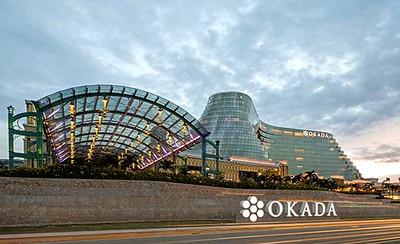
The Philippines’’ gaming regulator PAGCOR (Philippine Amusement and Gaming Corp.) has approved of the Japan-based Tiger Resort, Leisure & Entertainment, Inc (TRLEI) a subsidiary of gaming conglomerate Universal Entertainment Corp. to offer online gaming from its integrated casino resort Okada Manila in the Philippine capital.

TRLEI is authorized to provide online table games and electronic slot machines, making it the first among the four integrated resorts in Manila’s Entertainment City to do so.

Universal issued this statement: “The group considers this online gaming as the first step and will continue to develop online sports betting gaming using its proprietary technology.”

It also stated: “The system is scheduled to go into operation after clearing various conditions, such as confirmation of compliance with casino regulations and test simulations, including proper collection of casino license fees and anti-money laundering regulations.”

The timing is good since Okada Manila suffered $86 million in losses last year. Several Manila casinos suspended operations beginning last March in response to the Covid-19 pandemic.

BetRivers Lounge Opens at PPG Paints Arena

For Pittsburgh hockey fans and sports enthusiasts alike, there’s a new branded, hi-tech addition to PPG Paints Arena. The all-new BetRivers Lounge at PPG Paints Arena will officially open on Saturday, April 24, for the 12:30 p.m. Penguins game vs. the New Jersey Devils. The lounge is located on the FedEx level, third floor, section 119.

Last fall, Rivers Casino Pittsburgh and Rush Street Interactive’s BetRivers.com announced an exclusive deal with the Pittsburgh Penguins to build a sportsbook-style lounge at PPG Paints Arena. The new space features two rows of ticketed bowl seats, a lounge area with club chairs, a generous bar top, hi-def video screens, and streaming odds boards. The BetRivers Lounge at PPG Paints Arena is designed to elevate the game-day experience by integrating BetRivers, the market-leading retail sportsbook and popular online casino, into the arena.

Rivers Casino Pittsburgh and BetRivers.com are the “Official Casino” and the “Official Sportsbook” of the Pittsburgh Penguins.

Guests 21 or older who have BetRivers.com accounts can watch and wager on Penguins games and other sporting events from BetRivers Lounge, anywhere in PPG Paints Arena, at Rivers Casino Pittsburgh, and elsewhere throughout the Commonwealth. All wagering is via personal mobile devices using the BetRivers Pennsylvania app. In addition, while in attendance, in-game betting allows fans to continue to stay engaged throughout the game.

The sportsbook-style lounge at PPG Paints Arena matches the look and feel of the popular in-casino sportsbook at Rivers Casino on the North Shore, and it’s created by the same designer, DMAC Architecture of Chicago. 

“The BetRivers Lounge is yet another investment delivered under our Rivers partnership to enhance fan experiences inside PPG Paints Arena,” said David Morehouse, president and CEO of the Penguins. “The lounge will provide a safe and exciting space for fans to enjoy an innovative and multimedia experience while attending Pens games and other live sporting events year-round.”  

“Rivers Casino Pittsburgh is particularly proud of our longstanding relationship with the Penguins, and we’re delighted that the BetRivers Lounge is now open,” said Bill Keena, general manager of Rivers Casino Pittsburgh. “The architectural renderings have come to life perfectly, and the views of the ice are terrific.”

“The BetRivers Lounge symbolizes our strong partnership with the Penguins, five-time Stanley Cup champions, and our commitment to Pittsburgh sports generally,” said Mattias Stetz, chief operating officer of Rush Street Interactive, the operator of BetRivers.com. “The new lounge enhances the experience of watching live and wagering in real-time. We are proud to be the exclusive sportsbook of this winning franchise.”

Rush Street Interactive was the first online gaming company to launch online sports wagering in Pennsylvania. It also operates online sportsbooks in Illinois, New Jersey, Indiana, Virginia, Iowa, Michigan, and Colorado.

Lucky Snake Arcade Coming to Showboat

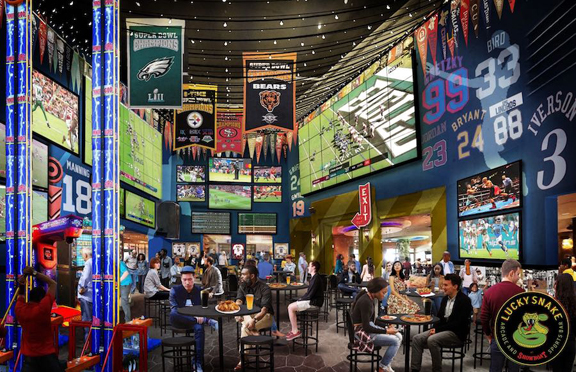
Philadelphia developer Bart Blatstein, CEO of Tower Investments, Inc., is doubling down on non-casino family entertainment by launching New Jersey’s largest arcade, which includes multiple entertainment concepts under one roof at the Showboat Convention Hotel in Atlantic City. After receiving approval for the license last week, Blatstein plans to move forward with the expansion with the opening date planned for Saturday, May 15. The entertainment concept, branded as Lucky Snake at Showboat, will include a massive arcade, New Jersey’s largest, along with a sports bar with a boxing ring, indoor venues for live entertainment, a speakeasy, and improved convention and meeting spaces.

Located on Atlantic City’s iconic boardwalk, Showboat is the largest non-casino hotel in New Jersey and will now also host the state’s largest arcade with over 100,000 square feet. These games will include the world’s largest crane game, rising from floor to ceiling, in addition to the classics from the 80’s through today and the hottest new titles and virtual reality games, as well as basketball games, pinball, skee ball and more. The arcade will offer some of the best redemption prizes around, including everything from candy to designer purses and jewelry, cars and motorcycles, and even all-inclusive vacations. The arcade’s reward program will be comparable to the most advanced and favored customer loyalty programs in the casino industry. Packages offering guests unlimited game play or game play with food and beverage will also be available.

The 25,000 square foot sports bar will include an e-sports gaming area, as well as a 20×20 foot boxing ring. Live entertainment will be programmed seven days a week at the indoor entertainment venues which will host areas for music performances and street performers. The speakeasy concept will be the only one of its kind in Atlantic City and will feature the famous Riviera sign that was once a staple on the Las Vegas strip. The enhanced convention and meeting spaces, in addition to the rest of Lucky Snake’s offerings, make for perfect opportunities for VIP and customized group experiences.
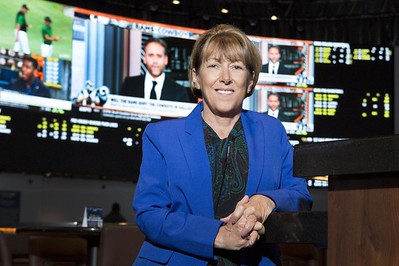
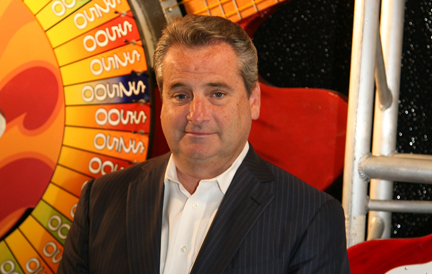
“This is a very exciting time for us,” said developer Bart Blatstein. “We at Tower Investments are extremely proud of this hotel and are thrilled to further expand on its offerings for guests of all ages, especially families. It has always been our mission to deliver an unforgettable experience for our guests and we are delighted to bring a family-friendly and year-round resort option to Atlantic City.”

Glebocki Tapped to Lead NJ Casino Association

Until now, leadership of the Casino Association of New Jersey (CANJ) has been a male fraternity, the most recent being Steve Callender, who retired at the end of March. But that ceiling fractured on April 14 with ascent of Terry Glebocki, CEO of Ocean Casino Resort, as president.

Glebocki’s appointment speaks to the increasing number of women in top posts throughout the resort. Of the nine casino properties, women run three, according to the Press of Atlantic City.

“I am proud of my fellow female executives who are paving the way for other talented women to join the leadership ranks, further transforming the gaming industry into a more diverse and dynamic workplace,” Glebocki said in a statement. “I am looking forward to being at the helm during this challenging yet exciting time for our industry.”

Glebocki praised Callender for his role in leading the industry during the worst of the Covid-19 pandemic. “We are grateful for the strength and leadership he has shown. I am thrilled to help Atlantic City and the region recover from this devastating pandemic and continue the ongoing revitalization of this world-class destination resort.”

Glebocki has a resume of 30 years of financial management experience, with top positions at Tropicana as well as Ocean.

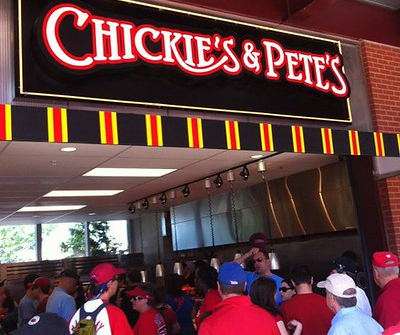
Philly Locals Rally Against Chickie’s and Pete’s Sportsbook

Local South Philadelphia residents from the Packer Park neighborhood crowded into the parking lot of Chickie’s and Pete’s restaurant and sports bar last week for a rally against the restaurant’s plan to host a Parx Casino sportsbook.

More than 100 residents waved signs and made speeches in opposition to the increase in gambling available in the neighborhood.

“I wanted people to know what was going on,” said Barbara Capozzi, president of the Packer Park Neighborhood Association, according to South Philly Review. “The legal process alone is probably not going to stop Pete (Ciarrocchi). It’s Parx, too. They’re a great organization but it’s all about money to them. This is our neighborhood, and there is no neighborhood in this city that fights harder for ourselves.”

Ciarrocchi is the chairman and CEO of Chickie’s & Pete’s Crab House and Sports Bar, a chain of 16 locations in Pennsylvania and New Jersey. His position is that the advent of mobile sports betting has made the actual location of wagering irrelevant. He also has said offering a sportsbook will better allow him to compete with the new Live! Philadelphia casino in the neighborhood.

“When they leave here, there will be nothing in their pockets,” said Packer Park Civic Association board member Rob Rabena at the rally. “They’re going to look in cars and break in. A lot of us lived here for a long time. We have to draw the line and say enough is enough. We don’t want gamblers 50 feet from these houses right here.”

Homemade signs at the rally said, “Gambling Destroys Families,” “Crab Fries – Yes, Gambling – No” and “Greedy Petey.”

Podcast with Jim Allen, Chairman, Hard Rock International

Hard Rock International has been on a roll lately. After opening the Guitar Hotel in Hollywood, Florida in 2019, the company has opened or gained licenses/agreements in Cincinnati, Gary, Indiana; northern Illinois, southern California and added a collection if iGaming veterans to elevate the company’s online operations. Jim Allen has been directing the company, owned by Florida’s Seminole Tribe, for 20 years, and sat down with GGB Publisher Roger Gros to talk about these developments, sports betting in Florida and more. This interview was conducted in late March prior to the compact negotiations with Florida breaking down.

AC Casinos Showed Profit in Pandemic Year

Profits at Atlantic City casinos cascaded down 80 percent in 2020. No one would be too surprised at those numbers released April 9 by the Division of Gaming Enforcement. More surprising was that seven of the nine gaming halls turned a profit.

The industry reported $117.5 million in gross operating profit compared to the $594 million in 2019. Credit the decline to the coronavirus pandemic that closed casinos for more than three months and have limited capacity ever since, according to the Associated Press.

Gross operating profit is defined as earnings before interest, taxes, depreciation and other expenses.

“Atlantic City and its casinos endured their most challenging year in history,” said James Plousis, chairman of the New Jersey Casino Control Commission.

Ocean Casino Resort, the only casino which reported a profit increase, posted the largest operating profit at $21.8 million, up from $6.7 million in 2019.

“Despite 2020’s extraordinary challenges, Ocean showed continued growth, emerging as an industry leader in gross gaming revenue,” Terry Glebocki, Ocean’s CEO, said in a statement. “Thanks to our team’s hard work and determination in the months before and after our temporary closure due to the global pandemic, Ocean had a successful year. As restrictions ease and we reopen additional areas of our business, I’m optimistic we’ll continue to see gaming growth throughout 2021.”

The other casino results:

  • Tropicana: $18.7 million, down 78 percent
  • Hard Rock: $10.9 million, down 72 percent
  • Caesars: $10.4 million, down 84 percent
  • Harrah’s: $8.5 million, down 90 percent
  • Golden Nugget: $7.2 million, down 74 percent
  • Borgata: $650,000, down 99.7 percent from 2019
  • Resorts: $10.5 million loss
  • Bally’s: $10 million loss

While Covid-19 forced the closure of the casino hotels in Atlantic City, went online to find blackjack, roulette and slots. Casinos touted online gaming in commercials during the lockdown, and those revenues soared 101 percent to more than $970 million.

Results for internet-only entities:

  • Resorts Digital: $21 million, up $8.5 million
  • Caesars Interactive Entertainment-NJ: $20 million, up 45 percent
  • Golden Nugget Online Gaming: $18.6 million

Restaurants, bars and similar businesses have suffered as much as any industry during the year-long coronavirus pandemic. So New Jersey Governor Phil Murphy signed a law in Atlantic City April 9 to provide $35 million in federal aid. Murphy and his wife, Tammy, also received the first dose of the Pfizer vaccine in Atlantic City during the visit.

“We need a lot more,” Murphy said. Under the American Rescue Plan, the state will get $6 billion from the $1.9 trillion approved.

Meanwhile, AC Mayor Marty Small Sr., who fought the state takeover of the shore resort in 2016, concedes that parts of the takeover improved the life in the resort. As a result, Small is not so averse to extending the takeover for up to five more years. The state lets his administration operate autonomously, but with some oversight. Between 2016 and 2020, the city budget fell 11.5 percent, and the budget for the current year will fall below $200 million for the first time in years. The city shed more than 100 jobs as well.

“The law is to be used when it needs to be used,” Small said. “I’m already having preliminary discussions about what a new bill would look like.”

Bally’s Buys Tropicana Las Vegas

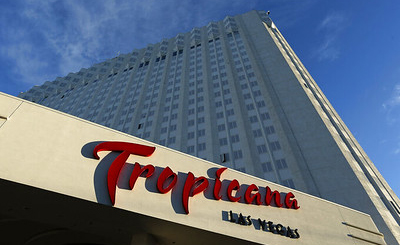
With its purchase of the aging Tropicana resort, Bally’s Corp. has achieved a much-desired presence on the Las Vegas Strip without having to spend a lot to get there.

A “key step for us,” is how CEO George Papanier characterized the agreement with industry REIT Gaming and Leisure Properties. With the latest deal, the 65-year-old resort will change hands for the fourth time in six years.

Rhode Island-based Bally’s will pay GLPI $150 million to own and operate the Trop and an initial $10.5 million a year to lease the 34-acre site, which encompasses 1,470 hotel rooms, a 50,000-square-foot casino, a 1,200-seat showroom and 100,000 square feet of convention and meeting space.

GLPI also will buy Bally’s casinos in Black Hawk, Colorado, and a casino Bally’s is acquiring in Rock Island, Illinois. Paying $150 million, the REIT will rent the operations to Bally’s for an initial $12 million a year.

The two companies also have agreed to join forces down the road, with GLPI having a right of first refusal to fund possible acquisitions and developments in New York, Michigan, Maryland and Virginia.

As J.P. Morgan analyst Joe Greff broke it down, GLPI gets $22.5 million” in incremental rent in exchange for the value of the Tropicana Las Vegas as well as a pipeline of acquisition-related growth.”

Bally’s, in return, gets a sizable footprint on the Las Vegas Strip at a relatively modest price point.

Bally’s Chairman Soo Kim says that his company needed to be in Las Vegas.

“If we have aspirations of being a national brand, we had to have a presence on the Strip,” he explains. “Now we have a place to send our customers who want to make that annual trip to Vegas.”

He believes Bally’s got in at a reasonable price, but time was of the essence.

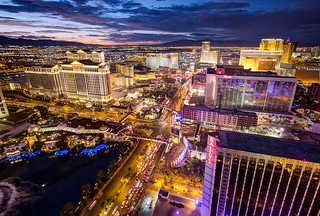
“The Tropicana is 36 acres at the beginning of the Strip,” he says. “It only has 600 slots and in some instances it feels like it hasn’t been touched since 1960. We truly believe that Las Vegas is going to recover quickly, and this gives us a chance to be there, invest a little money, and decide later what would be the best fit as a real attraction.”

Kim didn’t comment about whether the Tropicana would be rebranded as a Bally’s. But with Bally’s Las Vegas being the only Bally’s brand left in the Caesars’ portfolio, one has to wonder whether it would make more sense to be re-branded a “Horseshoe” casino, the third powerful mark behind Caesars and Harrah’s, a valuable asset for the company. Judging by how quickly Bally’s has been making deals, and given the good relationship Bally’s has with the management team at Caesars Entertainment, Tropicana may be Bally’s if a deal can be worked out.

Penn National Gaming bought the Trop in 2015 for $360 million and sold it to GLPI last April in exchange for $337.5 million in rent credits.

“While we think it’s possible GLPI could have gotten a higher price tag, we believe the wider Bally’s relationship was likely an overriding consideration,” said Truist Securities analyst Barry Jonas.

Papanier said the purchase “will significantly enhance Bally’s customer base and player data base as well as unlock marketing opportunities to leverage the iconic Bally’s brand,” including in the online space, where the company made headlines recently with an offer of $2.8 billion to buy UK-based betting operator Gamesys Group.

“We saw an opportunity that might not come again in the future,” said Kim.

The deal was announced on April 13, just a week after Nevada regulators granted Bally’s a license and the company closed on its $155 million purchase of Lake Tahoe’s Montbleu Resort Casino & Spa from Eldorado Resorts.

It crowns a shopping spree that began in 2019 and has seen publicly traded Bally’s (NYSE: BALY), formerly Twin River Worldwide Holdings, buy or plan to buy 10 gaming properties in almost as many states. The company currently owns or operates 12 properties and will grow that to at least 15 in 11 states over the next couple of years.

Papanier said Bally’s envisions a “significant redevelopment” of the resort but is in no hurry.

“The light financial burden of this transaction allows George and his team to go in and get the operations in order,” Kim said. “We’ll wait for the right time to redevelop it.”

Nevada Could Open Fully by June

Nevada Governor Steve Sisolak says it’s possible the state’s 17 counties will be back to running at 100 percent capacity by June 1.

The plan is scheduled to kick in May 1 when the state restores to local officials some of their powers to respond to the Covid crisis in their own ways. The state’s mask mandate will remain in effect, Sisolak said, and restrictions could tighten again if the situation deteriorates, but for the first time since the pandemic hit last March, counties will be able to set capacity and social distancing guidelines for themselves.

“Some counties may make the decision to move to 100 percent capacity as early as May 1 when they gain the authority and others may not,” the governor said at an April 12 news conference. “Each county in Nevada is unique and has different factors to consider,” he said, such as vaccination coverage, infection rates and the prevalence of variants of the potentially deadly virus.

In neighboring states, Colorado Governor Jared Polis lifted mask mandates in roughly half of the state’s counties on April 2 to account for different severities in rural and urban parts of the state. In Arizona, Governor Doug Ducey lifted capacity restrictions and some mask mandates throughout the state in late March. In California, Governor Gavin Newsom has announced plans to lift some capacity restrictions by June 15, depending on the progress that’s made locally to contain the virus and vaccinate people.

In Nevada, county officials have begun presenting their reopening plans to a state task force.

In Washoe County, home to the Reno and Lake Tahoe gaming markets, County Commissioner Bob Lucey, an outspoken opponent of the state’s mask mandates, said “I applaud the governor for reopening the state on June 1 and getting our economy moving again.”

Sisolak credited the Nevada Gaming Control Board and the casino industry with efforts to set up vaccination sites on their properties to speed up the inoculation of their employees, which is viewed statewide as one of the keys to getting tourists to return.

In related news, the shoots of a recovery in the Vegas convention market began to sprout last week with the arrival of the city’s first large-scale trade show since the Covid pandemic hit more than a year ago.

Las Vegas Market, a twice-yearly gathering of buyers and sellers in the home furnishings and décor industries, was expected to draw upwards of 10,000 attendees from April 16 through April 21 at a new $103.5 million addition to Downtown’s World Market Center.

The Expo, as the new space is called, features 315,000 square feet and is designed to serve as a gateway between temporary exhibits and permanent showrooms at the sprawling 5 million-square-foot facility near the intersections of US95 and Interstate 15.

“People are anxious to get back face-to-face. There’s no question about it,” said Bob Maricich, CEO of International Market Centers, owners of the World Market Center.

“In many ways, they’re Zoom-fatigued and they can hardly wait,” he told the Las Vegas Review-Journal. “And the economy is just really robust for furniture, gifts, home décor and fashion. There’s a real economic need to get back at a market like this.”

The severe travel restrictions and limits on public gatherings in force over most of the last year has created a robust appetite for the show’s offerings, attendees said, and it’s estimated that around 20 percent of those exhibiting and shopping at the Expo last week were first-timers.

“People use Zoom, they use all the different technologies, but there’s only so much you can do,” said Gerard O’Keefe, vice president of sales at Nourison, a New Jersey company specializing in rugs, carpets and home décor. “We’ve done virtual markets, we’ve done Instagram things and social media. But our business𑁋it’s about aesthetics and it’s about a tactile business. People want to touch and feel, and they want to see true colors. And, at some point, they want to get back to seeing the product in person.”

Observers in and around Las Vegas are hoping similar needs will drive a speedy resurgence in the conventions and meetings that are integral to hotel occupancy, especially midweek, and non-gaming spending.

At a gathering last week of gaming and tourism leaders at the Las Vegas Convention Center’ newly expanded West Hall the mood was optimistic.

“We’re making great strides, and I think things will continue to move quickly,” said Steve Hill, president and CEO of the Las Vegas Convention and Visitors Authority.

“People are ready,” said Stephanie Glanzer, chief sales officer and senior vice president of sales for MGM Resorts International. “Groups have been surprised by how popular face-to-face gatherings are.”

Mike Massari, chief sales officer for Caesars Entertainment, said meetings and shows are picking up where they left off in 2019.

“We’ve booked more in the past 12 months than we’ve had” leading up to the closure, he said. “And that’s how you grow.”

World of Concrete, the first major show at the expanded West Hall, is slated for June 8-10. The event drew more than 60,000 attendees in 2019.