Author: Casino Connection Staff

Judge Rules That Kentucky Gamblers Can Sue To Recover Losses

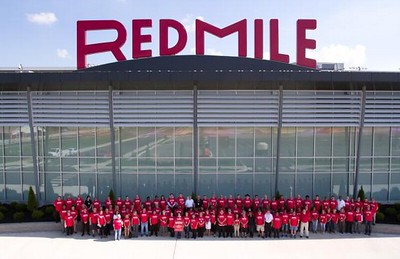
In Kentucky, Fayette Circuit Court Judge Thomas Travis recently overruled a motion by the Lexington racetracks Keeneland and Red Mile to dismiss a lawsuit over losses on historical horseracing machines, which the Kentucky Supreme Court found to be illegal.

Travis ordered attorneys for the tracks and for the gamblers who filed the lawsuit to begin preparing for trial. A pretrial conference is scheduled July 7.

According to the suit, a dozen plaintiffs “sustained thousands of dollars of losses,” documented by the loyalty program the gambling parlor used. They based their lawsuit on existing Kentucky statute on illegal gambling, referring to state Supreme Court ruling last September that HHR machines were not parimutuel. In February the General Assembly passed a bill declaring the machines to be legal.

According to the lawsuit, the gamblers are seeking to recover losses “by persons gambling on historical horse racing machines within the last 5 years,” operated jointly by Keeneland and the Red Mile at the Red Mile. The lawsuit also seeks punitive damages under the Kentucky Consumer Protection Act.

In court filings, the tracks argue the machines were considered legal at the time because the Franklin Circuit Court had ruled they were parimutuel.

“Indeed, until the Kentucky Supreme Court’s decision in Family Trust Foundation, all court orders held that HHR wagering constituted parimutuel wagering,” the tracks stated in their motion to dismiss. They also argued that legislation passed by the General Assembly in February redefining parimutuel wagering explicitly legalized machines “previously or hereafter approved.”

However, Travis found those arguments insufficient for dismissal and instructed the parties to prepare for a potential trial that could have significant impact on the horseracing industry.

According to the Kentucky Horse Racing Commission, as of May 2021, the machines have taken in more than $12 billion. More than 4,200 operate in six locations. Average daily handle for each machine is more than $4,000.

Poll: Pennsylvania Residents Want to Ditch Horse Race Subsidies

A new poll shows that 83 percent of Pennsylvania residents favor shifting gaming tax funds long funneled to the horse racing industry be allocated to other state needs.

The poll, commissioned by the Education Voters of Pennsylvania, showed wide support for re-channeling the $240 million annual allocation of casino tax revenues to the horse racing industry through the Race Horse Development Fund, established with the original 2004 Pennsylvania gaming law—which was titled the Pennsylvania Horse Race Development and Gaming Act—that legalized casinos.

The poll follows debate throughout the state generated by Governor Tom Wolf’s proposal last year to shift horse development funds to his proposed Nellie Bly Scholarship Program, designed to aid state university students deal with high tuition and high debt.

The, conducted by the research firm Franklin & Marshall, was conducted June 7-13. It sampled 444 voters, including 205 Democrats, 177 Republicans and 62 Independents and has a margin of error of 6.4 percent.

The 83 percent of the poll’s respondents favoring a shift of the horse racing funds to other purposes compares to only 10 percent that favored keeping the funds with the horse racing industry.

“There is clearly little appetite for taxpayer-funded horse racing,” said Susan Spicka, executive director of Education Voters of Pennsylvania, said in an interview with the Pittsburgh Post-Gazette. “With so many other more pressing needs, it’s hard to justify continuing this program.”

Pete Peterson, a spokesman for the Pennsylvania Equine Coalition, told the Post-Gazette that the survey is flawed. “I know from experience that third-party groups can pay Franklin & Marshall to ask specific questions in its poll, which I assume is what happened here,” Peterson said. “So I don’t believe F&M is asking these questions or phrasing them this way.”

He noted that horse racing supports some 20,000 jobs in the state.

Pennsylvania allocates up to 12 percent of slot tax funding to the Race Horse Development Fund, which pays for purses, breeder incentives, drug testing and enforcement activities.

Penn’s York Mini-Casino Slated for August Debut

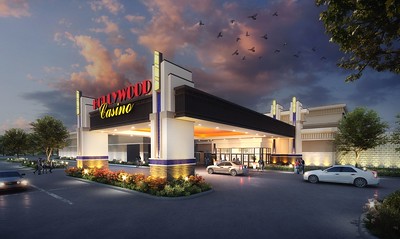
Penn National Gaming’s Hollywood Casino York in eastern Pennsylvania is expected to open in early August, according to testimony of the Category 4 casino’s general manager before the Pennsylvania Gaming Control Board.

During last week’s monthly gaming board meeting, Ruben Warren, general manager of Hollywood Casino York, told the board the casino was “a little less than eight weeks away” from its grand opening.

Also at the meeting, the board granted the casino’s request and approved its petition to offer table games, and heard casino representatives outline construction progress and difficulties in hiring sufficient personnel for the opening.

“My concern is having adequate staffing and having experienced staffing,” PGCB Chairman David Barasch commented on the hiring difficulties. “If you open with a bunch of rookies who may not be up to task…better to not open than open poorly.”

“Our goal is to open the property and make sure the dealers we have get the experience on the casino floor in order to operate the right way for our customers and regulators,” responded Warren. “We fully expect to open the property with all table games in operation.”

New hires are getting free training from a school set up at Penn National’s flagship Hollywood Casino in Grantville, and the casino is holding hiring fairs at the York Galleria Mall, the location of the new casino. Penn is offering hiring incentives including a $1,500 signing bonus, paid training, and entry to a sweepstakes for a Harley-Davidson motorcycle, to be awarded to a new-hire who remains at work until the holidays. (Harleys are manufactured in York.)

According to a report on the PlayPennsylvania news site, the casino is still short 45 dealers.

Hollywood Casino York is Penn’s first Category 4 casino, created under Pennsylvania’s 2017 gaming expansion law to place gaming in underserved areas. Category 4 casinos, also known as mini-casinos,” are restricted to 750 slot machines and a maximum of 30 table games upon opening, with the ability to add 10 more tables on petition after opening.

Hollywood York plans to open in an 80,000-square-foot former York Galleria anchor store with 500 slots, 24 table games, 10 electronic table games, two restaurants, and the first Barstool Sportsbook on the East Coast. Penn acquired 36 percent of Barstool Sports last September.

Hard Rock Begins Sacramento Casino Expansion

Hard Rock Hotel & Casino Sacramento at Fire Mountain has begun two projects totaling $65 million. They include the addition of a gas station, Rocktane Gas and Smoke and a 2,500 event venue called Hard Rock Live.

The project is expected to be completed May 2022.

The gas station will have 16 pumps and a 24/7 smoke shop and convenience store. The 65,000 square foot event venue will be convertible into an emergency shelter.

According to Glenda Nelson, chairwoman of the Enterprise Rancheria, “We would set up the Hard Rock Live by bringing in all the cots and necessities for sleeping and for food, and any needs the community could have.”

The tribe saw the need for such a facility when, during 2017 Oroville Damn Crisis, when the dam’s spillways were damaged, causing more than 180,000 people living along the Feather River to be evacuated.

Casino President Mark Birtha said in a statement, “Rocktane Gas & Smoke is the second Hard Rock branded gas station – the first on the West Coast right here in Northern California.” He added, “What’s happening here in Sacramento will become the prototype for similar amenities at Hard Rock International properties worldwide.”

He added, “We are committed to growing our property in a way that provides our customers, and our team members, unique experiences and unparalleled value. And, at the same time, reinvests in our local community to create employment and additional benefits to the overall economy.”

PA Lawmakers Turn Against ‘Skill Games’

The legislative tide in Pennsylvania began to turn against the proliferation of unregulated gaming machines that purport to be “skill games,” as several prominent lawmakers, including the most powerful state senators and the speaker of the House, announce they are returning tens of thousands of dollars in campaign contributions and lobbying dollars to the manufacturers of those games, the most prominent being Georgia-based Pace-O-Matic.

The move gave new hope to opponents of the games, which number more than 20,000 across the state and are active in locations ranging from gas stations and convenience stores to pizza parlors, mom-and-pop stores, and even laundromats.

The manufacturers argue that the slot-like machines are not gaming machines because they involve a simple decision, usually whether to wager again when shown the result of the next spin, by the player and therefore are governed by skill and not luck. Small operators of the game have said the additional revenue saved them in the wake of the Covid-19 pandemic.

Opponents have argued that the “skill” factor does not overrule the fact that people are wagering money and are paid in cash for winning results—and that many of the machines allow the player to override the skill decision to make play identical to slot play. They also argue that even if skill were involved, the games are not subject to scrutiny over fairness, license fees or taxes to benefit the local communities, making them unfair competition to regulated casino slot machines, and dangerous to communities in which they are located where anyone, even children, can play them.

The rejection of lobbying money from the skill-game industry also gives new hope to legislation that would explicitly ban the machines, currently up for debate in both chambers of the General Assembly.

“I’d like to see them banned,” state Senate President Pro Tempore Jack Corman said in an interview with USA Today. “At minimum, they should be regulated.” Corman said Pennsylvania offers a “healthy gaming environment” because it’s “heavily regulated and heavily taxed.”

Corman and Senate Majority Leader Kim Ward both returned campaign contributions from skill-game manufacturers, calling the games “illegal gambling.”

“The industry is paying a lot of money to keep the status quo,” Corman said. “I became concerned about the amount of money spreading around and returned it.” Corman said he was returning more than $27,000 in contributions. Ward’s office said he returned $16,500, and Senate Minority Leader Jay Costa returned $10,000. “I’m very much opposed to skill games,” Costa told the Ellwood City Ledger. “They are not regulated, and I do not think they are good for Pennsylvania.”

After USA Today published it initial story on skill-game money being returned, state House Speaker Bryan Cutler announced he is returning $35,000 in contributions from a skill-game political action committee headed by Pace-O-Matic.

“Skill games should be subject to the same state regulations as any other gaming system in the Commonwealth,” Cutler said in a statement to USA Today. “In fact, I have said previously they should face additional scrutiny because of their location in non-traditional gaming settings where children may be present and should be limited and regulated accordingly.”

Others returning money included Rep. Matt Bradford of Montgomery County ($16,000), House Majority Leader Kerry Benninghoff ($12,500), Senator Gene Law of Lycoming County ($11,000) and Senator Camera Bartolotta of Washington County ($10,500).

Rivers Pittsburgh Resumes Hotel Construction

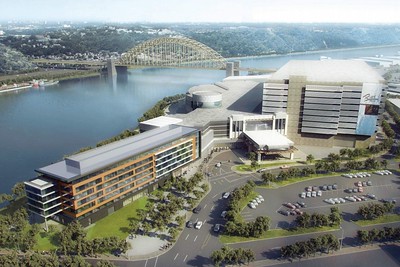
Rivers Casino Pittsburgh has resumed construction of the $60 million, 219-room Landing Hotel, which will be adjacent to the casino in Pittsburgh’s North Shore District. Construction was halted early last year due to the Covid-19 pandemic.

“We’re excited to get The Landing Hotel Pittsburgh back underway,” said Rivers Assistant GM Bud Green in an interview with the Pittsburgh Post-Gazette. “It’s been a long time coming, and we’re eager to add this new hospitality venue to our North Shore offerings.”

Contractor Massaro Corp. resumed work on the steel beam framing of the seven-story, four-star hotel, which will include 10 luxury terrace suites with private first-floor patios. Rooms in the hotel will feature expansive window offering views of the showcase fountain at Point State Park and of Mount Washington, the imposing hill that overlooks the city.

The project is reportedly generating 1,400 construction jobs, and 128 new permanent jobs after opening.

The hotel is expected to support the events center and other amenities, as well as sports fans, with the Pittsburgh Steelers’ Heinz Field nearby.

Revamped Harrah’s Debuts in Las Vegas

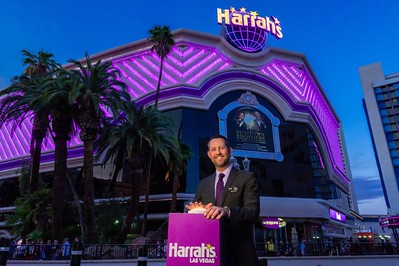
The newly renovated and refurbished Harrah’s Las Vegas opened to the public last week following a four-year, $200 million upgrade.

Harrah’s renovated the Valley Tower rooms in phases in 2016 and 2018, and completed the redesign of all 2,542 rooms and suites in 2020. Design work on the rooms was completed by Marnell Architecture. The suites now feature oversized tubs, separate living and dining spaces with wet bars and the option to connect to two bedrooms.

Harrah’s Las Vegas opened in 1973 as the Holiday Casino, and was rechristened in honor of Harrah’s founder Bill Harrah in 1992. Only six hotels on the Strip are older than Harrah’s.

According to Harrah’s, entertainer Donny Osmond will begin a multi-year residency at the property starting on August 31. It will be his first solo effort sans sister Marie.

Chicago Bears Bid for Illinois Track

The bidding period closed June 15 for Churchill Downs Inc.’s Arlington International Racecourse in Arlington Heights, Illinois, one of the state’s three remaining racetracks. . Churchill Downs officials said they received “strong proposals from numerous parties” interested in purchasing the historic 93-year-old property.

The most interesting bid came from the NFL’s Chicago Bears, which have been looking for a site to build a new stadium after spending years at Soldier Field in downtown Chicago. That stadium we renovated in 2002, but has the fewest seats in the NFL.

Chicago Mayor Lori Lightfoot dismissed the bid as “leverage.” She told the Chicago Tribune that the bid is “clearly a negotiating tactic that the Bears have used before.” The Bears have been pushing for a further renovation for Soldier Field. The team has played there since 1971 and has a lease with Chicago through 2033.

Arlington Heights Mayor Tom Hayes says his village would welcome the Bears.

“(Arlington Park) is a one-of-a-kind location,” he said, “and we are glad that the Bears ownership sees its tremendous potential. The village will be working with the listing broker to closely review proposals by all potential users in the coming months. Whether the final purchaser is the Chicago Bears or someone else, our goal is to determine which concept will be most beneficial to Arlington Heights from a long-term economic and community-development perspective.”

A spokesman for Churchill Downs declined to say how many proposals were submitted. But Arlington Heights Mayor Thomas Hayes said he had met with “less than 10” possible bidding groups prior to the deadline. Only one of those, led by former Arlington Park President Roy Arnold, has gone public with an offer that would keep horse racing going past September 25.

Churchill Downs shocked the state’s horseracing industry in the summer of 2019 when it announced it would not allow Arlington to become a racino, even though it previously had fought hard to do just that. Horse owners and trainers who run at the track considered the move a major betrayal and accused Churchill Downs of trying to stifle competition against its Rivers Casino in Des Plaines.

Churchill Downs officials denied the track would be sold, but put out the for-sale sign in February. As a result, the Illinois Thoroughbred Horsemen’s Association urged Illinois Attorney General Kwame Raoul’s office to open an antitrust investigation into the corporation for alleged “efforts to neutralize the threat of major gaming competition.”

Arnold’s bidding group said they would turn Arlington into a racino “consistent with the intent” of the state’s 2019 gambling expansion, and also keep running races well into the future. The group led by Arnold, a hospitality consultant who served as president of Arlington from 2006-11, also includes the Loop development firm Sterling Bay and other “high net worth individuals,” he said. Arnold stated, “We have the capital and the passion to make thoroughbred racing work at Arlington Park. We look forward to continuing the legacy that is Arlington.” Arnold did not disclose the group’s offer price for the 326-acre property.

His group’s plans also include a mid-size arena “suitable to host a minor league hockey team,” he said, plus an entertainment district, 300-unit housing development and 60 acres of industrial space.

In May, Arlington Park board members passed an ordinance banning certain uses for the property, including warehouses, distribution facilities, gas stations and Hayes said, “adult uses and other things that are not befitting our community and the legacy of the property.”

He continued, “Arlington Park has been a big part of our community for almost 100 years. We have a horse head on our village flag. It’s a huge part of our community from an image, an attraction and an employment standpoint. We want to see it put to its highest and best use.”

Canadian Single-Game Sports Betting Approved

Sports betting on single games has passed Canada’s Senate and only needs royal assent to become legal. Once that happens, provinces and territories will be free to regulate betting on hockey, football and other sports as they see fit, and bettors will be able to wager on teams like the Toronto Maple Leafs, the B.C. Lions and the Toronto Blue Jays.

It’s possible Canadians could be placing wagers on single-game contests by this fall, perhaps in time for the NFL season, which begins September 6.

By a vote of 57-20, the Senate approved MP Kevin Waugh’s Bill C-128, the Safe and Regulated Sports Betting Act. It amends the federal criminal code, which currently allows only combination wagers, known as parlay wagers, and betting on horse racing. The bill passed in the House of Commons several months ago.

Its passage will go a long way to helping Canada rake back some of the gambling proceeds that are now being sucked up by offshore websites such as Bet365 and Bodog, black-market bookmakers, and casinos in the United States. Since the U.S. Supreme Court lifted a federal ban on the wagers in 2018, 26 states have jumped on the sports betting bandwagon, with more waiting in the wings.

The author of the Senate bill, David Wells, says a legal industry will redirect that illicit revenue into provincial taxes. During the final debate on the bill, he declared, “Canadians are placing billions of dollars’ worth of bets annually through these offshore sites, that go entirely unregulated in Canada.” The Canadian Gaming puts that figure at north of $4 billion.

TheScore, which operates a betting app, estimates the market to be as high as $5.4 billion annually. And DraftKings estimates the market for sports betting and iGaming in Canada could be worth up to $8 billion a year.

Wells said in a statement: “This bill, once it becomes law, will make it possible for single-event sports betting to be regulated—and it will increase consumer protections and safeguards. Revenue streams going to illegal actors will dry up and be redirected to Canadian communities in a way that is legal and taxable.

“This is a critical moment for Canada, as single-event sports betting will finally be brought into the light of day.”

Provincial governments have called for the ability to regulate gaming for years because, they say, they could use the revenue.

The bill was rare in that it won approval from all four main political parties. Similar bills had almost reach this point: one was passed in the House of Commons in 2015 but died in the Senate when a federal election was called, suddenly putting the brakes on all legislation. Another try in 2016 didn’t even get that far.

However, more than 20 senators did vote for amendments that would have sent the bill back to the House. One of them, Senator Vern White, commented, “This piece of legislation has many tentacles that could have been and should have been looked at more closely.” White had wanted to amend the bill to make match fixing a crime. However Senator Brent Cotter argued that the existing Criminal Code that addresses “cheating at play,” already deal with that issue.

Cotter also insists that it’s the minor leagues where players earn less than the big leagues that game fixing is a problem—one that has been exacerbated by illegal betting sites.

Professional sports organizations such as the Canadian Football League (CFL) and National Hockey League support the change. The CFL trumpeted the change and predicted that legalization “will move sports wagering out of the shadows and into the light of day where it belongs.”

Some provinces aren’t waiting for the ink to dry before getting ready. British Columbia Public Safety Ministry spokesman Travis Paterson announced that the B.C. Lottery Corp. is “positioned to allow single-event wagering online almost immediately” on its website, PlayNow.com.

BCLC’s interim president and CEO Lynda Cavanaugh said in a statement: “We’re excited to soon provide our players these new offerings on PlayNow.com, which is B.C.’s only legal gambling website and delivers important revenue back to the province of B.C. to support things like health care, education and community programs.”

In Ontario, Attorney General Doug Downey promised to “land the framework by this fall,” with regulations and rules for licensing in place by the end of 2021.

Although Canadian casinos could benefit from the expansion of sports betting, British Columbia and Ontario are promising to make it available more widely than that.

Supporters of sports betting have been nervous for months as the bill wended its way through the House of Commons and then the Senate. There is considerable tension between Prime Minister Justin Trudeau and the opposition party that could, at any time, lead in Trudeau calling for an early election, which would have ended all legislative efforts. With that possibility always waiting in the wings, sponsors of C-218 worked feverishly to pass the bill as quickly as possible.

This was complicated by several amendments that were introduced, one to prohibit match fixing and the other to specifically include Indigenous nations as entities that could participate in sports betting. Both were batted away.

However, Senator Wells, who is a mountain climber, compared his strategy in pushing the bill to an assault on a peak. He told SportsHandle.com, “In high-altitude mountaineering the biggest thing is not the climb, it’s the preparation.

“If you go in with a solid plan, it’s not unlike doing a climb like Kilimanjaro or Elbrus. If you do your preparation, your chances of success are good even with the closing window that we had.”

Philadelphia Zoning Board: No Chickie’s & Pete’s Sportsbook

When it comes to sports, Chickie’s & Pete’s is a Philadelphia institution. Ever since the bistro bar grew from its roots in the late 1970s as a neighborhood taproom to multiple locations offering up famous crab cakes and crab fries, the brand has been known for its sports bar. In fact, in 2011, ESPN voted Chickie’s & Pete’s the No. 1 sports bar in North America.

The brand will continue to showcase sports. What it will not have for the time being is a sportsbook.

The Philadelphia Zoning Board of Adjustment last week voted to deny a request for a special-exception permit for Parx Casino to move its South Philadelphia Turf Club sportsbook into the Chickie’s & Pete’s restaurant in the South Philadelphia Stadium District.

The vote, conducted during a Zoom hearing, was not even close at 4-1. The decision was in part a reaction to furious local opposition to the idea, headed by the Packer Park Civic Association. The association president, Barbara Capozzi said the group was “thrilled” by the decision.

“This heroic decision reaffirms that good, hard-working, tax-paying residents have a right to determine what happens in their community,” Capozzi said in a statement emailed to the Philadelphia Inquirer. “We work so hard here to keep people in the city, keep our own community safe and drug-free, and support working families by providing a safe and welcoming community.

“We testified that we feel we have earned the right to say no to a use that will only serve to erode the beautiful community that we have built. This renews our faith in the system, and in the hard work that our community and Civic Association has always done to defend itself.”

Parx attorney Mark S. Stewart’s statement to the Inquirer, of course, took a different tone. “We are very disappointed in the Zoning Board of Adjustment’s vote today on the application for 1526 Packer Avenue,” he said. “Their action was contrary to the City Planning Commission’s favorable recommendation and the strong record justifying the special exception. We will await the board’s written decision before making any decisions on next steps.”

Zoning Board Chairman Frank DiCicco registered the lone “yes” vote on the proposal.

Louisiana Governor Signs Final Sports Betting Bills

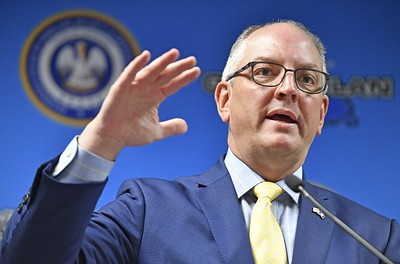
Louisiana Governor John Bel Edwards recently signed the final pieces of legislation to make sports betting legal in the state. He signed SB 247 and SB 142, the two primary regulatory and appropriation bills and previously signed HB 697, outlining the tax and fee structure. The three measures establish the main framework for retail and mobile sports betting. Legislative sponsors said sports betting could launch this fall with 41 potential licenses; each of the state’s 20 casinos can have two online skins, and the Louisiana State Lottery also will be allowed to open a mobile sportsbook, plus kiosks at hundreds of restaurants and bars.

Altogether, sports betting could generate more than $2.5 billion in annual wagering by its third year, plus more than $200 million in operator revenue. Analysts said with online bets taxed at 15 percent and retail bets at 10 percent, the two combined could generate up to $30 million in annual tax revenue.

Louisiana voters approved sports betting in 55 of 64 parishes in 2020. Under the legislation, bettors age 21 or older and physically located in those parishes can place a bet with a licensed operator from their phone or mobile device; in-person registration is not required. Athletes, coaches and referees may not bet on a sporting event in which they are involved. Bets can’t be placed on high school or youth sports events. And, an individual who lives in a parish that didn’t approve sports betting can drive over to a parish where the wagering was legalized to place a bet.

The state offers an action-packed sports scene, with a National Football League and National Basketball Association franchise, five major college football programs and 12 National Collegiate Athletic Association Division I men’s basketball programs.

Eric Ramsey, analyst for the PlayUSA.com network, said, “Louisiana should be able to outperform its relatively small population. In fact, as a market, Louisiana shares many of the same attributes that have made New Jersey and Nevada sports betting Meccas. The state has long been home to a thriving casino industry, New Orleans itself can draw tourists from all over the country and Louisiana is not bordered by another state that offers both retail and online sports betting.”

Dustin Gouker, lead analyst at PlayUSA.com, added, “The basic framework will be appealing for sportsbook operators, and that will help the state reach its potential. Even more, Louisiana set up a relatively open and competitive market, which benefits consumers while making the industry a reliable revenue producer for the state for years to come.”

Gouker said New Orleans is particularly appealing as a sports tourism market, attracting fans from all over the country for regular season games and special events. He said residents from neighboring states will regularly travel across state lines to place bets.

Senate President Patrick Page Cortez sponsored the regulatory bill providing up to 40 licenses. State Rep. John Stefanski sponsored the tax and fee structure bill, which establishes a $250,000 initial application free with a $500,000 license fee for the first five years. Of the 20 available licenses, casinos and racetracks have first priority until January 1, 2022. If they do not use all the licenses, fantasy sports betting operators and video poker establishments can apply.

State Senator Rick Ward sponsored SB 142 which distributes sports betting tax revenue as follows:

  • 25 percent, or up to $20 million, to the Early Childhood Education Fund
  • 10 percent to the Sports Wagering Local Allocation Fund
  • 5 percent to the Sports Wagering Purse Supplement Fund
  • 2 percent to the Behavioral Health and Wellness Fund, or $500,000, whichever is greater
  • 2 percent to the Disability Affairs Trust Fund, up to $500,000
  • The remainder would to the General Fund.

Most major U.S. sportsbook operators are expected to apply for one of Louisiana’s 41 licenses, including DraftKings, FanDuel and BetMGM. Observers said Caesars also is expected to open online and retail sportsbooks. The parent companies of Barstool Sportsbook, Golden Nugget, TwinSpires and B Connected all operate casinos in Louisiana and are likely to launch sportsbooks. It’s expected that college sports betting will account for at least 15 percent of total handle.

Louisiana regulators now will finalize rules for sportsbook operators, which should take a few more months. After final rules are posted, sportsbook operators can apply for licenses. The legislation allows casinos and horse racetrack operators to receive temporary licenses.

Ohio Senate Passes Sports Betting Bill

The Ohio Senate approved legislation June 16 to legalize sports betting. SB 176 creates three license categories:

  • A licenses: for online gaming, with as many as 25, regulated by the Casino Control Commission
  • B licenses: for brick-and-mortar casinos, racinos and other in-person sportsbooks, with as many as 33, also regulated by the commission
  • C licenses: for self-service terminals at bars, restaurants, bowling alleys and other liquor permit holders. No more than 20 would be issued and regulated by the Ohio Lottery

The legislation charges a 10 percent tax on net revenue, with 98 percent of tax income funding K-12 public and private education. The remaining 2 percent goes to the Problem Sports Gaming and Addiction Fund, according to Cleveland.com.

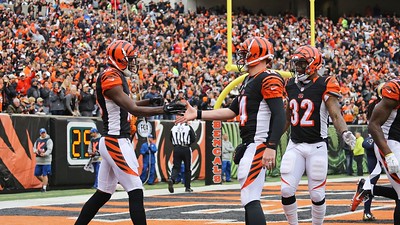
“Sports provides that intangible in our society,” said Senator Niraj Antani, a sponsor of the bill. “It’s with your friends, watching the Bengals throw that Hail Mary at the end of the game. Watching the Cavaliers drain that buzzer beater, or watching the Reds, one run down at the bottom of the ninth, with a man on third and the batter with a full count. It’s about rooting for the home team in a very, very divisive time in our society.”

The bill also allows Ohio fraternal and charitable organizations to have up to 10 electronic instant Bingo machines, regulated by the Ohio Attorney General’s Office.

Not everyone is happy with the legislation. But only 20 businesses in the coalition can offer sports betting.

“Right now, 10,700 businesses in all 88 counties have the opportunity to be able to provide this through the lottery,” said Greg Beswick, of the Fair Gaming Coalition of Ohio, which represents the bars, taverns, restaurants, bowling alleys and other businesses that sell Ohio Lottery products. “It’s giving a monopoly to the four entities again, the casinos around the state, instead of cutting it into 10,700 small businesses.”

Brick-and-mortar sportsbooks are limited to counties with a population exceeding 100,000 with no more than three permitted. Opponents also say limitations would allow sports betting in 27 of the 88 counties, according to Statehouse News Bureau.

“Let the casinos and racinos have sports betting. That’s where the large bets can go. But let the 10,700 small businesses that are lottery providers be able to participate at this at the keno kiosks that you see in businesses throughout the state,” Beswick said.

But the concerns go deeper than that. The bill gives pro teams priority for brick-and-mortar sportsbooks.

It assigns the 30 total sportsbooks to counties based on population. If professional sports teams in Cleveland, Columbus and Cincinnati all decided to apply for licenses, casinos and racinos in Cuyahoga, Franklin and Hamilton counties would be shut out, according to the Associated Press.

“An artificial cap that locks out gaming companies in the biggest, most populous counties doesn’t make a lot of sense,” said Dan Reinhard, a senior vice president for the JACK Cleveland casino. “We know how to do this. This is the business we are in. We’re going to work with all parties to make sure this cap is dealt with.”

Casinos and racinos were excluded from the original Senate legislation and added later.

Curt Steiner, a spokesperson for the pro sports coalition, said members control one retail sportsbook “at or in close proximity to the applicable sports venue.”

Rep. Bill Seitz is less than pleased with the Senate version that would prohibit a sportsbook in a casino or racino in Hamilton County because the two licenses would go to the Reds and Bengals should they apply.

D.C. Sports Betting Results Below Expectations

The District of Columbia had vision of sports betting revenues dancing in its collective head when the council voted to legalize such wagers in 2018.

But the reality has fallen far short of the vision.

In fact, revenue projections have been revised downwards in the wake of start-up costs, legal battles, and the coronavirus pandemic. With Virginia in play and Maryland to soon follow suit, the pressure builds to change the city’s fortunes.

The District’s Committee on Business and Economic Development budget oversight hearing June 17 said for the first three quarters of the fiscal year, revenues were around $230,000, according to WTOP.

“This fiscal year has been difficult for us because of the Covid restrictions and we’re looking forward to next fiscal year being able to significantly increase that, once we get retail-based sports wagering operational,” said Ridgely Bennett, the D.C. Lottery’s general counsel, which oversees sports betting.

With tourists and commuters returning to the city, the GambetDC app should see an increase in activity.

“Once we open retail sports wagering, you’ll be able to go to a location and pay with cash,” said Bennett, who argued that bettors prefer cash to using the verification process required to set up online mobile accounts. However, such a process has not hindered activity in New Jersey.

Bennett added that bettors prefer to stand in line at the Capital One Arena or use the William Hill app in proximity to the arena because the brand has greater recognition than GambetDC. This fiscal year, bettors have wagered $92 million through William Hill sites. GambetDC users wagered only about a third of that, despite the expansive availability compared to the arena or park.

BetMGM just launched its sportsbook at Nationals Park and vicinity, giving bettors another option.

“What we believe will happen now that the city is opening up, now that sporting events are actually occurring, you’ll see how that model will bring in a significantly greater revenue to the District than what the privately operated sports wagering will do,” said Bennett. “We’ll have to see, but that’s how the program is designed and we’re still confident in the model.”

Arizona Sports Betting Launch Expected September 9

The Arizona Department of Gaming (ADG), at a virtual meeting June 18, announced that it’s aiming for a September 9 launch of sports betting in the state and plans to finalize rules by mid-July.

ADG Director Ted Vogt promoted the idea of a group launch in September so no single operator could drag out the process. More than 90 interested parties “attended” the first of two meetings. FanDuel, which has partnered with the Phoenix Suns, asked about the use of official league data and whether in-play wagering is allowed.

The public comment period ran from June 15 to June 21. Answering criticism that the comment period was too short, Vogt said there would be a second round after the rules are updated. Most attendees indicated that they favor a “single skin per licensee” approach.

If Arizona is able to launch on schedule, it will be third out of 20 states to do so in less than five months. It differs from other states in that it will allow operators to decide if they will use official league data or not.

There was also discussion of in-play wagering and whether wagers can be voided before an event commences. The ADG was also asked to consider including credit cards on the list of permitted ways to fund an account.

The law that made sports betting possible calls for a total of 20 “event wagering operators,” with 10 set aside for professional sports franchises and 10 for gaming tribes. One question up in the air is how the ADG will determine which tribes to award those licenses to.

Ten “limited event wagering operator” licenses will be made available for OTBs and racetracks, but they will need to partner with a tribe or sports franchise to offer retail sports betting.

Massachusetts Poll Shows Broad Support for Sports Betting

A poll of Massachusetts voters shows that politicians have been too slow to legalize sports betting in the Bay State.

The poll, commissioned by Plainridge Park Casino and Encore Boston Harbor, found that 61 percent of the 500 surveyed strongly or “somewhat” strongly support sports betting. Ten percent “somewhat” opposed and 14 percent strongly opposed the wagers.

Although the Massachusetts House passed a sports betting amendment almost a year ago, the Senate hasn’t spent much time talking about it, though the House has begun another set of hearings.

Both casinos have said they would like to set up sportsbooks if the bets were legal. Pollster David Paleologos issued this statement: “Massachusetts voters robustly support legalizing sports betting. This survey’s results show that sentiment is broad across all of the Commonwealth’s regions and demographic constituencies.”

The casino owners says voters want sports betting because of the expected economic benefits, reclaiming revenues that other states are now collecting from Bay State bettors, and civil liberties.

When taxes of sports betting are earmarked for K-12 education, support among the public peaks at 72 percent. According to Paleologos, spending more on education is “increasingly seen by voters as the most important public funding priority for new sources of revenue emerging from the pandemic.”

The House’s Joint Committee on Economic Development and Emerging Technologies heard five hours of testimony on June 17. Those who spoke represented casinos, sportsbook operators, simulcast facilities and professional sports teams. No one expected them to say anything new, and no one was disappointed.

Jennifer Thompson, town administrator for Plainville, where the slots parlor is based, spoke about small businesses being left in the dust by sports bettors who travel to New Hampshire and Rhode Island.

Lawmakers also heard that a “significant” number of bets placed in those two states are made by Bay Staters. Rep. Andres Vargas said he sees no reason why a resident can buy a keno ticket for $35 in his home state, but can’t put that amount on a sports team at the same location.

Those who are going to bat for mom-and-pop stores argue that they should be allowed to have sports betting kiosks. One restaurant owner told the committee: “How much more can you do to hurt us?”

But casino owners argue strenuously that they should have a monopoly on sports betting. Penn National VP of Public Affairs Jeff Morris spoke in favor of tethering sports betting licenses to casinos, such as Plainridge Park.

Currently 20 bills that would legalize sportsbooks have been filed. The first job for lawmakers is combining the best elements into one bill. Lawmakers have until the end of the year to craft a bill.

Massachusetts Gaming Commission Executive Karen Wells concedes that once a law is passed, there will be a strong push by the public to go live as soon as possible. How that law is written will strongly influence when that happens, she said.

Massachusetts-based DraftKings, seen as one of the main players in any sportsbook landscape, said it could be taking bets within weeks. Ayesha Molino, MGM Resorts’ vice president of public affairs, said MGM Springfield needs the revenue and has spent millions in anticipation of offering a sportsbook lounge. MGM projects that it could welcome 20,000 more customers during the football season.

Bally’s Will Offer Kansas Sports Betting

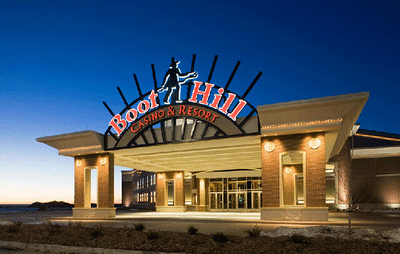
Bally’s Corp. recently signed a multi-year agreement with Boot Hill Casino & Resort in Dodge City, Kansas to offer its Bally Bet mobile sportsbook when state lawmakers legalize sports betting.

Boot Hill Casino is operated by BHCMC LLC, a gaming management subsidiary of Butler National Corp. on behalf of the Kansas Lottery. Bally’s currently is renovating the Casino KC, formerly Isle of Capri Kansas City, in Kansas City, Missouri.

Clark Stewart, president of Butler National and CEO of Boot Hill, said, “This is an exciting time in Kansas gaming history, and as a manager for the Kansas Lottery, we are thrilled to embark on this pivotal endeavor with Bally’s. Bally’s has demonstrated impressive growth and has an outstanding operating track record. We are confident that bringing Bally’s diverse and interactive suite of online sports betting solutions to the Boot Hill Casino will significantly enhance the gaming experience for Kansas sports fans.”

Bally’s secured a media partnership late last year with Sinclair Broadcast Group, exposing its brand to viewers at 19 former Fox Sports regional networks, including Bally Sports Kansas City. Now, the new agreement with Boot Hill Casino will expand the company’s mobile sports betting platform into its 14th state. In addition, Kansas will be the third state where Bally’s will operate strictly through its online platform since Kansas does not have a land-based casino.

Bally’s CEO George Papanier said, “With the approval of pending sports betting legislation in the state, we can’t wait for Kansas sports fans to engage in our best-in-class online sports betting offerings.”

Opened in December 2009, Boot Hill Casino was the Kansas’ first state-owned and -operated casino. It offers 650 gaming machines, 16 table games and a 150-seat restaurant.

Sports Stars Buy Vegas Lacrosse Team

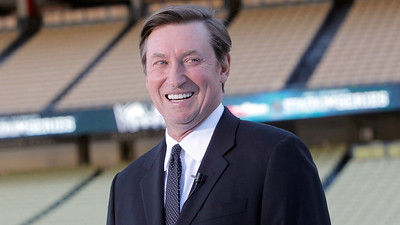
Among the co-owners of Las Vegas’ as-yet-unnamed National Lacrosse League (NLL) team are hockey giant Wayne Gretzky, Brooklyn Nets head coach Steve Nash, professional golfer Dustin Johnson and Brooklyn Nets owner Joe Tsai. Mark Fine has been named the CEO of the team

The NLL will play its home games at Michelob Ultra Arena inside the Mandalay Bay Resort and Casino beginning in the 2022-23 season. The Las Vegas franchise will be the NLL’s 15th team, reported Fox 5 Las Vegas.

The team has asked fans to help name the team with submissions at www.lasvegaslacrosse.com.

DraftKings Survives Hindenburg Report Claim

In early 2020, a sports betting platform known as SBTech merged with DraftKings. A recent report published by the Hindenburg Research group alleged that SBTech has its hands in black market illegal activities. Rather than shocking industry executives, the news elicited little more than a yawn, according to CDC Gaming Reports Jake Pollard.

The details seemed impressive enough and Pollard called it an “eye-catching” release. But do not dismiss the seriousness of the allegations nor the goal of driving down DraftKings share price. FYI: Pollard worked for SBTech for some nine months and did not have the most pleasant of experiences, he said.

In the end, shares fell 4 percent. And most industry folks supported DraftKings in this issue.

The most egregious allegations focused on SBTech’s operations in China and the Middle East. The report said several third-party resellers connected to SBTech work in those markets—where gambling is banned—which could account for half the company’s revenue.

DraftKings is knowingly benefiting from these operations, something the sportsbook giant denies.

Hindenburg said industry people wondered about DraftKings “model of aggressively burning cash on promotion and marketing to acquire customers in the near term, despite a lack of evidence of long-term customer brand loyalty.”

Truist Securities said SBTech’s business didn’t contribute enough to   DraftKings’ revenues, so risks were “more limited to reputation and market sentiment.”

The team at Jefferies said it really doesn’t matter as others do the same thing.

But the charges may curtail efforts to bring sports betting to additional states as those responsible for establishing the ground rules “could possibly feel compelled to examine digital gaming companies’ exposure to gray markets more closely going forward.”

Credit Suisse estimates that the percentage of revenue from DraftKings could be 10 percent in 2021 and 8.6 percent for 2022.

Industry analysts anticipate DraftKings will cut off many of the B2B deals it inherited from SBTech. And operators running SBTech are already discussing alternatives.

Bears Partner with Rivers Des Plaines, BetRivers

The NFL’s Chicago Bears announced the signing of an agreement with Rivers Casino Des Plaines, under which Rivers will become the official casino of the Bears, in a deal to include cross-marketing such as stadium advertising.

The team also announced a multi-year partnership with BetRivers, which will become the exclusive sportsbook of the Bears.

“We are incredibly excited to announce BetRivers and Rivers Casino as our first multi-year exclusive partner in the Sportsbook and Casino categories,” Bears President Ted Phillips said in a statement published by the Chicago Sun Times. “We look forward to connecting with our fans in fun and unique ways through these avenues, and couldn’t be prouder to be building this relationship with a hometown company.”

BetRivers and Rivers Casino will have in-stadium signage and “digital, social and print assets” as part of the deal, the Bears said in a press release.

Rivers Casino is owned by Churchill Downs Inc., which also owns Chicago’s Arlington Park Racecourse. The Bears announced that they have put in a bid to purchase the Arlington Park site in Arlington Heights, with the presumed intent of building a stadium there, reports the Sun Times.

‘Mattress Mack’ Bets $3.35 Million on Astros

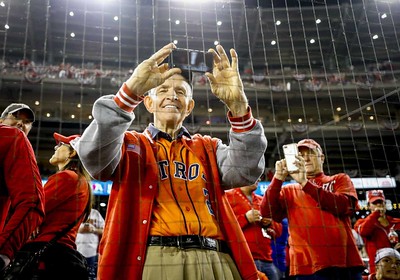
It isn’t even July, but Jim “Mattress Mack” McIngvale has already put his money where his mouth is for his beloved Houston Astros to win the World Series. The Houston furniture store owner has more than $3 million on the line and he is just getting started.

On June 22, McIngvale bet $2 million on the Astros at 10-1 with Caesars Sportsbook by William Hill in Indiana. The bet would pay a net $20 million, making it one of the largest sports betting payoffs in U.S. history.

McIngvale also has $1 million on the Astros at 10-1 with FanDuel in Indiana, $250,000 with DraftKings and $100,000 with The Score sportsbook in Colorado, where odds are 16-1.

Here’s where the fun begins. Customers who spend at least $3,000 at his Gallery Furniture store will get their money back should the Astros win the series. Of course, the method to his madness is that McIngvale will win $35.6 million and free publicity.

As of June 22, the Astros rode a nine-game winning streak and have the best record in the American League. So, the bet is not a long shot.

“The Astros have six good pitchers and a lot of great hitters, so we’ll see what happens,” McIngvale told ESPN on Wednesday. “I thought at 16-1 and 10-1 it was definitely an overlay, so I’m in it to win it. Go Stros.”

According to Caesars Sportsbook by William Hill, 13 teams have attracted more bets to win the World Series than the Astros.

“This wager certainly makes baseball season a little more exciting for us, and we’re looking forward to seeing how that plays out,” Eric Hession, co-president of sports for Caesars Entertainment, said in a company release.

McIngvale had more than $11 million in play on the Astros to win the 2019 World Series. Houston lost to the Washington Nationals.

He lost $1 million wagering that the Houston Cougars to win the NCAA men’s basketball tournament earlier this year. But he won $2.7 million on the Tampa Bay Buccaneers knocking off the Kansas City Chiefs in the Super Bowl in February.

“I’m sure I’ll be placing more [on the Astros] as we go on to the end of the season and hopefully get to the playoffs,” McIngvale said. “I’m not done yet, but I’m about 80 or 90 percent done.”