Author: Casino Connection Staff

NHL, Sportradar Form 10-Year Partnership

Sportradar and the National Hockey League finished the details of a new 10-year deal. The Swiss company will have rights to supply league data to sportsbooks and media in the U.S. and beyond.

Sportradar will distribute live streams to gambling operators and help the NHL with international betting sponsorships, like a recent deal with OlyBet in the Baltics and Tipsport in the Czech Republic and Slovakia.

“The NHL is a huge opportunity for us in a lot of markets where we have big betting operator clients, in Scandinavia, Eastern Europe and elsewhere,” said Steve Byrd, Sportradar’s U.S. head of sports content and partnerships.

The partnership fully unfolds in the 2021-22 season. Both sides declined to comment on the final terms or say whether the NHL received equity as part of the deal, according to Sportico.

Unlike the NFL and the NBA, the NHL accounts for a small percentage of bets, but numbers are on the rise especially outside of the U.S.

With the growing importance of official data feeds Sportradar and the NHL could make money from sportsbooks and media companies willing to pay for such feeds. Starting this season, the NHL put sensors in its pucks and on every player’s jersey, making it easier to track games in real time, including player skating speed, shot velocity and distance travelled.

“We’re admittedly just at the starting point of this journey on tracking and using the data to tell stories,” said Stephen McArdle, the NHL’s senior executive vice president for digital media and strategic planning. “Having another partner who is fully invested in learning along with us the right ways to share that data, to present that data, and in the sports betting context the right ways to use that data, that’s very important to us.”

Bally Bet Begins Mobile Sports Betting In Iowa

Bally Bet brought its mobile sportsbook to Iowa June 29, almost two months after the launch in Colorado, its debut. The Iowa version comes via a partnership with Elite Casino Resorts instead of a Bally’s casino. Bally Bet’s platform will originate in-house through Bet.Works, which the company bought for $125 million last November, according to Sports Handle.

“We are very excited to have achieved yet another milestone with the expansion of our mobile sports betting platform in Iowa,” said Adi Dhandhania, Bally’s Corporation’s senior vice president, strategy and interactive, in a statement. “As a state that has embraced legalized sports betting since 2019, Iowa was an attractive market for Bally Bet.

Bally Bet hopes to enter two more states in 2021, with more the following year.

In the first five months of this year, almost $590 million has been bet online in Iowa, amounting to 85.7 percent of the overall wagers. From its August 2019 launch through December 2020, the $523.7 million placed on bets via smartphones and other online platforms represented 66.5 percent of all handle generated.

WynnBET Studio to Begin Operation Ahead of NFL Season

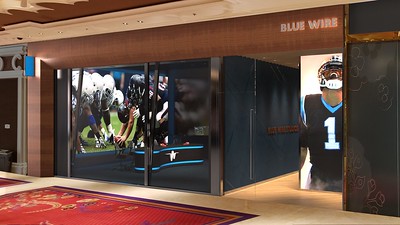
The WynnBet mobile sports betting app by Wynn Resorts plans to begin operating its Blue Wire podcasting studio at the Wynn Las Vegas before the next NFL season begins in September.

The space, capable of seating 1,700 will be ready to begin operations in August generating year-round sports-related audio, video and social media content. It will create content from the Blue Wire network of more than 175 podcasts that are downloaded more than 50 million times annually.

Craig Billings, president of Wynn Interactive, said in a statement: “The production and distribution of engaging, ‘only at Wynn’ content is an important part of our strategy to build the WynnBET brand.” He added, “Our partnership with Blue Wire will create unique storytelling-based sports content, much of it produced at Wynn Las Vegas. The onsite studio will energize our physical sportsbook and promote the WynnBET experience.”

Blue Wire CEO Kevin Jones commented, “This partnership gives Blue Wire a national stage inside Wynn Las Vegas to compete with top publishers in sports and entertainment.” He continued, “We’ll continue to work with emerging talent and create original content from the floor of the resort, becoming an activation hub for events such as the NBA Summer League, the 2022 NFL Draft, and beyond. We can’t wait to start hosting creators, partners, and fans this August.”

Mohegan Gaming to Expand iGaming Division

Mohegan Gaming & Entertainment (MGE) has announced its entry into the iGaming industry with the launch of Mohegan Digital.

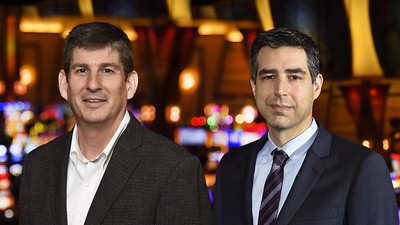
With the appointment of Rich Roberts as president and Aviram Alroy as vice president, the new division plans to create an iGaming experience at the flagship Mohegan Sun Connecticut.

This was made possible after Connecticut’s two gaming tribes signed an amendment tribal state gaming compact with Governor Ned Lamont earlier this year.

MGE CEO and President Ray Pineault said in a statement: “We’ve consistently seen strong growth in digital gaming across our properties, especially in this past year, and as legal sports betting continues to expand in the U.S., the timing was right for us to launch Mohegan Digital.

“With Mohegan Digital, we are looking to expand and enhance these efforts to elevate the experience and deliver on our promise to provide world-class entertainment for our guests on a digital scale. With Rich Roberts and Aviram Alroy at the helm, we are excited for what’s to come for Mohegan Digital.”

Roberts was previously executive business consultant for RSD Consulting, a firm that helps businesses enter sports digital media. He was CEO of FaceOff, a social/skill sports gaming platform.

Alroy has worked for MGE since 2014 as vice president of interactive gaming, a division that will now be assimilated by Mohegan Digital. In his new role he will be responsible for product strategy and developing and launching online sports betting and other iGaming solutions, mobile apps and websites.

Betway Launches PA Online Sportsbook, iGaming Site

Malta-based Betway, a longtime presence in European sports betting and iGaming markets, officially became the 13th online sportsbook in Pennsylvania, as well as the state’s 17th internet casino site, following a three-day test period last week.

The operator secured its licensing approval May 19, but has not publicly announced which casino it will be linked with. In Pennsylvania, iGaming sites must be linked to one of the land-based casino licensees. However, in an interview with the Penn Bets news site, Pennsylvania Gaming Control Board spokesman Doug Harbach said the company is under an agreement with the Live! Philadelphia casino, owned by the Cordish Gaming Group.

Betway USA is part of Digital Gaming Corp., based in Hoboken, New Jersey, as the U.S. version of a brand whose roots in Europe go back to 2006.

PlayStudios Celebrates Nasdaq Debut

PlayStudios, an award-winning developer of free-to-play casual mobile and social games, celebrated its first day of trading as a public company on June 22 and is now poised to make new investments that will expand its content portfolio and attract new brand partnerships for its playAWARDS loyalty marketing platform.

Trading under the ticker symbols MYPS and MYPSW, the debut of PlayStudios on the Nasdaq marks the recent completion of the company’s business combination with Acies Acquisition Corp., a special purpose acquisition company. The milestone is the culmination of a decade-long effort to establish and maintain the company’s position as a leader within the mobile gaming sector.

“Becoming a public company is validation of all of the hard work that we’ve put into developing our games and our playAWARDS loyalty program,” said Andrew Pascal, PlayStudios founder, chairman and CEO. “We will now move forward with the resources that we need to accelerate our growth.”

PlayStudios launched in 2011, and it continues to grow its portfolio of apps—myVEGAS Slots, my KONAMI Slots, myVEGAS Blackjack, POP! Slots, and the just-released myVEGAS Bingo. Game play is enhanced by the playAWARDS platform, in which players are able to exchange loyalty points for real-world rewards from more than 290 brands.

In 2021 alone, PlayStudios has expanded its catalog of brand partners to include IHG Hotels & Resorts, Innovative Music and Wine Brand City Winery, Global Hospitality Brand, Sycuan Casino Resort and Singing Hills Golf Resort, Las Vegas Ballpark (home of the Las Vegas Aviators professional baseball team) and a partnership expansion with MGM Resorts International to bring MGM Northfield Park to playAWARDS, the 18th MGM Resorts International property to join the loyalty platform.

“Mobile gaming is a highly competitive industry, and long ago we recognized the need for something that is compelling and unique to rise above the noise, while also rewarding players for their time spent in the games,” Pascal said. “PlayAWARDS works because we are able to deliver compelling rewards to our players wherever they are—on vacation or in their own neighborhoods.”

In an interview with the Nevada Independent, Pascal added that going public opens up the possibility of strategic acquisitions.

“As a private company, we had the resources to compete and grow organically, to self-fund new projects and new initiatives, and reinvest our profits back into the business,” Pascal said. “That had been our general approach. We are now able to find and acquire companies that are a great compliment to us,” Pascal said. “It gives us the flexibility to exploit our growth opportunities even more.”

PlayStudios games are available to download free on iOS, Android, Kindle, and Facebook.

Swedish iGaming Sector Optimistic as Government Changes

The Swedish Trade Association for Online Gambling, or Branschföreningen för Onlinespel (BOS), has expressed optimism about the industry’s future with the forced resignation of Prime Minister Stefan Löfven.

BOS Secretary General Gustaf Hoffstedt said Löfven’s government including Minister of Social Protection Aradalan Shekarabi didn’t have the industry’s best interests at heart.

He said Shekrabi “made life miserable for the privately owned and international gambling industry” and offered “state-owned and/or state-governed gambling operators special treatment.”

He added, “Almost all political parties agreed on the agenda regarding gambling regulation five to 10 years ago. Nowadays the opposition often criticizes the minister for his action in areas related to gambling, claiming that he has abandoned the agenda that jointly was decided prior to the reregulation in 2019.”

If the government had not been forced to step down, Hoffstedt feared an omnibus gaming bill would have been introduced in the Riksdag before September 2022, when the general election is scheduled.

“It is however impossible for the government to propose such bill at the moment,” he cautioned. “Preparations may continue, but it is likely that the process is slowing down. This is positive.”

MGM Resorts Launches 100MW Solar Array in Las Vegas

MGM Resorts International, a global leader in the battle against climate change, has launched its 100-megawatt solar array, the hospitality industry’s largest directly sourced renewable electricity project worldwide. The array’s clean energy now produces up to 90% of MGM Resorts’ Las Vegas daytime power needs, spanning 65 million square feet of buildings across 13 properties and more than 36,000 rooms on the Las Vegas Strip, including Bellagio, ARIA, Mandalay Bay, MGM Grand and The Mirage, among others.

“With MGM Resorts’ significant scale and resources, we’re positioned to make a meaningful difference in the fight against climate change, and we recognize our responsibility to build a more environmentally sustainable future,” said Bill Hornbuckle, CEO and President, MGM Resorts. “We’re marking a significant step forward in our environmental sustainability initiatives in Las Vegas and our long-term vision to protect the planet and achieve an enduring, positive impact in our communities worldwide.”

The launch marks a milestone in MGM Resorts’ long-term climate strategy and significantly accelerates progress toward its 2025 goal to reduce the company’s emissions by 45% per square foot. MGM Resorts also is announcing two new goals it has developed in line with guidance provided by the Science-based Targets Initiative, and has submitted for consideration by the Initiative:

  • Reduce absolute scope one and two[1] Greenhouse Gas (GHG) emissions 50% by 2030 (2019 base year)
  • Source 100% renewable electricity in US and 80% globally by 2030

Nevada Governor Steve Sisolak said, “MGM Resorts has long been Nevada’s largest private employer and has shown a clear commitment to using their size and scale to lead on important issues like climate change, renewable energy and sustainability. This solar array is among the most significant steps our industry has taken in terms of tackling climate change and promoting renewable energy. Powering so much of the Strip with clean, renewable energy sends a powerful message about Nevada’s role as a national leader in renewable energy and our commitment to fighting climate change.”

Located in the desert north of Las Vegas, MGM Resorts’ Mega Solar Array features 323,000 panels arranged across 640 acres. The array’s renewable electricity production will be equivalent to the amount of power used by approximately 27,000 average U.S. homes annually. MGM Resorts is the sole user of the renewable electricity generated.

The array’s development and launch follow multiple significant efforts by MGM Resorts to achieve its long-term climate goals. MGM Resorts’ commitments to date include:

Investing over $60 million in energy efficiency in its U.S. properties from 2007 to 2019, including major upgrades to energy-efficient lighting and heating and air conditioning systems.

Pursuing green building certification for all new property developments since 2009. CityCenter – where ARIA and Vdara resorts are located – earned six LEED[1] Gold certifications from the U.S. Green Building Council when it opened in 2009 and remains the world’s largest privately funded LEED certified development. MGM Springfield is the first private-sector hospitality development to earn LEED Neighborhood Development certification at the site level.

Developing the 8.3-megawatt array at Mandalay Bay in 2015, America’s largest contiguous rooftop solar array on a convention center.

Transitioning to distribution-only service in its local utility grid in 2016, allowing MGM Resorts to take control of its energy future and accelerate use of renewable power.

The Mega Solar Array project was developed in partnership with Invenergy – a leading privately held developer and operator of sustainable energy solutions – and structured through a 20-year Power Purchase Agreement (PPA). In early 2021, Invenergy sold a 75% interest in the MGM Resorts Mega Solar Array to AEP Renewables, a subsidiary of American Electric Power, one of the nation’s largest electric companies. Invenergy Services, a subsidiary of Invenergy, will provide Operations and Maintenance and Balance of Plant services under a long-term agreement.

Through this 100-megawatt array and MGM Resorts’ ambitious new goals, the company further affirms its commitment to its company-wide social impact and sustainability platform, Focus on What Matters. This platform articulates the company’s approach to making a positive impact on society. Focused on What Matters’ pillars include Fostering Diversity and Inclusion, Investing in Our Communities and Protecting the Planet.

Fourth of July Fireworks

Fireworks Displays

Fourth of July Fireworks Spectacular
Borgata Hotel Casino & Spa, Atlantic City, NJ
Sunday, July 4

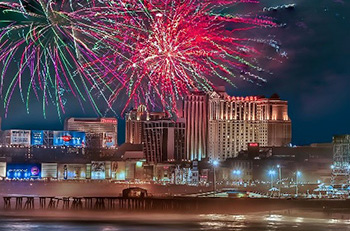
Celebrating this Independence Day with a BOOM, Borgata Hotel Casino & Spa will present a Fourth of July fireworks spectacular on Sunday, July 4. World-renowned Fireworks by Grucci will transform the night sky with a curated showcase of pyrotechnic artistry for patriotic spectators to revel in with amazement. Public viewing is available from the property’s Surface Lot with access starting at 6 p.m. Self-parking ($5) or valet ($10) is available onsite.

New Jersey’s 19-year old Mara Justine, who sang her way to top finalist on both Season 9 of America’s Got Talent and Season 16 of American Idol, will perform the National Anthem live on stage to kick off the show. The 20-minute display of colorful explosions will burst into the air starting at 9:20 p.m., choreographed to inspirational, celebratory music. South Jersey radio station 95.1 WAYV will broadcast live for all listeners to enjoy the sounds of the festive fireworks explosion and music programming.

Tropicana Atlantic City July 4th Fireworks
Beachfront – Tropicana Casino Resort, Atlantic City, NJ
Sunday, July 4

Tropicana’s Free Fireworks show will take place Sunday, July 4 and can be viewed all along the beaches or boardwalk of Atlantic City.

NJ Governor OKs Fixed-Odds Wagers; Collegiate Wagers Move Forward

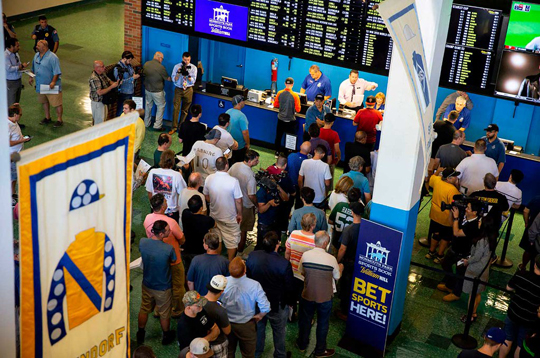
New Jersey Governor Phil Murphy expects to sign a bill permitting racetracks to offer fixed odds wagering instead of pari-mutuel betting. The legislature approved the bill on June 21.

Monmouth Park offered this style of betting in 2018 and 2019 after the track opened a sportsbook. Dennis Drazin, the president of Monmouth hopes to offer fixed-odds bets on July 17, the day of the Haskell Stakes, according to DFR.

“Definitely we will be doing it for Haskell Day,” Drazin said. “We will see how long it takes to have it up and running for every day.”

Unlike pari-mutuel wagers where the odds fluctuate up to race time, fixed-odds bets lock in the price. Such wagers are popular in the U.K. and Australia.

Once such wagers take hold, customers can place bets anywhere in the track or online, Drazin said. Monmouth has an exclusive agreement with BetMakers to manage the fixed-odds business.

Also in New Jersey, a state panel on June 16 advanced legislation to the full Assembly to remove the prohibition against betting on New Jersey colleges. The state Senate has already passed the proposal.

If signed into law, the bill would require voters to approve a Constitutional amendment to change the ban. The issue would appear on the fall ballot. And if voters say yes, the legislature will have to pass enabling bills to permit wagers on New Jersey schools, according to the Associated Press.

When sports betting was passed in 2018, lawmakers voiced concerns that betting on college games in the state might impact integrity issues. In the three years since, those fears have fizzled away in the wake of the scrutiny accorded to sports betting.

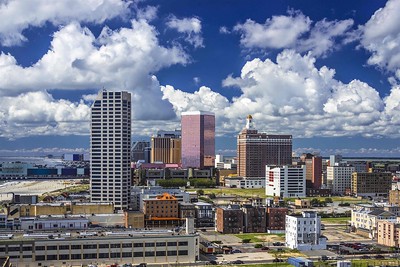
New Air Charters Grow Atlantic City Market

On July 16, a 30-seat Dornier 328 luxury jet will fly into Atlantic City International Airport from Latrobe, Pennsylvania, courtesy of Ohio-based Ultimate Jetcharters and Hard Rock Hotel & Casino. 

Carrying a contingent of patrons from Arnold Palmer’s hometown, it’s just one of a handful of Hard Rock excursions the same weekend coming from Norfolk, Virginia; Baltimore, Maryland; and Farmingdale, New York. Subsequent charters will originate in cities like White Plains, New York; Richmond, Virginia; Cincinnati; and Scranton, Pennsylvania, all within a 300-mile radius.

The new flights “shorten a four-to-eight-hour drive to a 30-minute to one-hour flight,” said Joe Lupo, property president of Hard Rock, Atlantic City’s newest casino, which opened in 2018 on the site of the former Trump Taj Mahal. 

Big Business

With the luxury flights, Hard Rock joins other Atlantic City casinos that use charter flights to bring in business. They’re a perk for high rollers, but available to anyone else who can pick up the tab. Borgata, for example, brings in travelers from up to 75 cities across the U.S. on 173-seat jets from Sun Country Airlines. Service is available from markets such as Buffalo, Houston, Detroit, Clearwater, Florida and elsewhere. MGM Direct, the charter arm of MGM Resorts International, first introduced the air service in 2008 at the Beau Rivage in Gulfport-Biloxi, Mississippi. 

Borgata packages start at $553 per person and include roundtrip airfare, three nights’ accommodations and transportation to and from the airport and hotel.

“In addition to bringing new and returning visitors to Borgata for unparalleled travel experiences, the air program benefits greater Atlantic City,” according to Sean Farrell, MGM’s executive director of charter services. Fly-in visitors are likely to have plenty of discretionary income; Farrell said they can be expected to venture beyond the host casino to area restaurants, Atlantic City’s famous Boardwalk, the city’s nightclubs and music venues, and of course, the beach.

Caesars, Harrah’s and Tropicana are on board too, flying in customers from more than 30 cities as far south as Florida, as far north as Maine and as far West as Illinois, said Noel Stevenson, regional director of public relations.


Expanding the Market

As the city sheds pandemic restrictions and business revs up again, it’s critical for its chief industry to expand outside the traditional drive-in market, said Robert Ambrose, a former Atlantic City casino executive, consultant and educator.

“What better way to do it with high-end private jet service? It’s an expensive start-up proposition, but if you’re already providing this service for your high-end guests at other properties, why not expand to Atlantic City? This is part of a lifestyle option that a certain level of casino player expects. And it better be consistent.”

The concept of flying in preferred customers isn’t a new idea; in the old days, the flights were known as junkets. “Charters have been used by the casinos since day one,” said Steve Batzer, a longtime business advisor and industry consultant in Atlantic City. Some casinos use independent charter companies, and in some cases casino-owned planes. Stevenson said Caesars charters “likely first launched decades ago, in the ’80s.” Back then, specific airlines partnered with properties for commercial flights. Sometimes charters resulted from lack of adequate carrier service to Atlantic City.

“The top-tier player will always be flown in privately,” Ambrose said. “Private jets for the best of the best players are another tool in the marketing arsenal in this competitive market. Bringing people to the city, whether high roller or day tripper, is paramount for growth.” Atlantic City needs all the transportation vehicles at its disposal, Ambrose said.

Buses Still Rolling

Which recalls so-called “bus marketing,” once a mainstay in Atlantic City. In the early years of casino gambling, the buses would bring in scores of casino gamblers, drop them at the door and hand them rolls of quarters. “The diesel fumes were so thick in the bus terminals,” Ambrose recalled, “you could cut it with a knife. We’re talking apples and oranges when it comes to buses vs private jets; however, there is room for all dollar values in the Atlantic City market.”

Buses haven’t been relegated to the bin of history. Caesars Entertainment’s Atlantic City resorts have roughly 20 to 40 buses each day that come in from New York, New Jersey, Pennsylvania and Maryland. Hard Rock isn’t planning bus excursions any time soon, “but air service is another matter,” Lupo said. “This program continues to show CEO Jim Allen’s commitment to the city, their investment and our efforts to drive more visitation to the city.”

A side benefit is increased use of an underutilized asset: Atlantic City International Airport, where the jets land, about 10 miles outside the city in Egg Harbor Township. “I think it’s now time for this link in the chain to be better utilized as part of the Atlantic City turnaround,” Ambrose said.


Why It’s Worth It

It’s not quite Vegas-style, but it’s an important link in the business chain. According to aviation website AVGeekery.com, back in the mid-1980s Las Vegas Sands Chairman and CEO Sheldon Adelson launched a charter air service using TWA L-1011s to fly attendees to his COMDEX trade show. Sands Aviation has since been updated, reportedly with nine Gulfstream aircraft, four Boeing jets and an Airbus A340-500. 

Executives use them, and they’re also available to whales, the high-rolling players who sometimes bet tens of thousands of dollars on a single hand. Clearly, the charters and VIP service are worth it to bring in that customer segment.

Ambrose said Atlantic City has increasing appeal for those VIP players, a fact that is reflected in the use of air charters.

“Atlantic City has become interesting again, not only to the general public but the serious player as well, because of the number of major brands in the city that have high rollers.” And in the end, he said, “casinos will bring them in, whether it’s planes, helicopters or limousines.”

DOJ Won’t Appeal Wire Act Ruling

The use of the 1961 Wire Act as justification for restricting or banning internet gaming is most likely a thing of the past, after the U.S. Department of Justice failed to appeal the decision of a lower-court ruling that the law applies only to sports betting.

The DOJ let the June 21 deadline pass to appeal a decision of the First Circuit Court of Appeals that upheld a lower court ruling in a lawsuit that sought to ban internet gaming on the basis of the 1961 law, which was passed under then-Attorney General Robert F. Kennedy as a way to curtail sportsbook activity that was at the time one of the largest business ventures on organized crime.

The Wire Act banned using a “wire communication facility” for gambling purposes. When the law was passed, that clearly referred to the wire services controlled by the mob that transmitted wagering data for illegal sportsbooks around the country. After online poker popularity spread in the early 2000s, and offshore internet casinos followed, the Justice Department cracked down on illegal offshore operators in 2011, resulting in indictments of major iGaming operators in what became known as “Black Friday.”

Following those indictments, gambling opponents began to use the Wire Act to target increasingly popular poker sites that shared player pools between states. However, in that same year of 2011, the Justice Department issued an opinion that the Wire Act applied only to sports betting, which was still illegal in the U.S. at the time outside of Nevada and restricted parlay betting in a few other states.

After the Trump administration began in 2017, the DOJ reversed its opinion, holding in a 2018 opinion that the law could be applied to online gaming. In 2019, the DOJ stated that all form of interstate online gambling were illegal, including interstate poker player pools and interstate lottery jackpot pools.

The New Hampshire Lottery, which was running its servers from another state, filed suit against the DOJ, and a U.S. District judge held for the state, striking down the new DOJ legal opinion.

Thanks to the Covid-19 pandemic, the DOJ’s appeal was not heard until January 2021, when the District court’s ruling was upheld. By that time, the Biden administration was taking over, and as a candidate, Joe Biden had aid that DOJ would revert to the 2011 view of the Wire Act. With legal online gaming, poker and sports betting on the rise, some new jurisdictions like Michigan had placed interstate player pools in their online poker legislation.

The federal government declining to appeal the appellate court’s ruling essentially ends the issue of the Wire Act being used to restrict or ban online gaming. However, a group of 26 state attorneys general is attempting to hedge against the possibility of a future administration again reversing the decision.

Led by Michigan Attorney General Dana Nessel, Ohio Attorney General Dave Yost and New Jersey Attorney General Gurbir S. Grewal, the state officials signed onto a letter urging the DOJ to formally disavow its 2018 opinion and reinstate the 2011 position.

New Jersey’s Grewal accompanied his signature on the letter with a formal statement:

“New Jersey’s legal gambling industry—and the many state services and programs supported by gaming revenue and tax dollars—would have been devastated in 2020 without online gaming,” Grewal said. “Internet gaming has for years been, and remains, an essential industry here, one the Department of Justice viewed since 2011 as perfectly legal until its baseless backtracking in 2018.”

The nonprofit group iDEA Growth, which advocates for the growth of online gaming, lauded the DOJ’s decision as “a victory for states’ rights, for clarity in the reading of federal statutes, and for the gaming industry and its consumers.”

Resorts World Las Vegas Makes Positive First Impression

The newest megaresort on the Las Vegas Strip got high marks in its first days of operations. The $4.3 billion Resorts World Las Vegas, a Genting property, opened June 17 and will celebrate its official grand opening on July 4.

Located along the North Strip on a parcel once occupied by the legendary Stardust, Resorts World is hard to miss: its gleaming red tower features on an 88-acre plot of land is animated by 100,000-square-foot outdoor LED screen, one of the largest in the world. The screen will be used to promote the resort’s special features and advertise upcoming events.

The complex also includes three Hilton hotels with a total of 3,500 rooms and suites, including the largest Conrad hotel in the world as well as the ultra-deluxe Crockfords, part of Hilton’s new LXR Hotels & Resorts brand. The latter has perks like 24-hour butler service, a VIP infinity pool and a high-limit table area. For extra luxury, guests can reserve Crockfords’ two-bedroom pool villa, with its garden terrace, private pool, gourmet kitchen, massage room, movie theater and floor-to-ceiling windows for enviable views of the Vegas Strip. The largest accommodation is the 7,000-square-foot four-bedroom Palace Villa with a grand foyer, formal dining room, kitchen, game room complete with billiards, and a terrace with a pool, kitchen and manicured gardens.

A 5,000-capacity all-star theater, still to be finished, will host the likes of Katy Perry, Celine Dion, Luke Bryan and Carrie Underwood. According to a Forbes account, “In a city known for going big, Resorts World Las Vegas takes this mantra to another level, with outsized villas, pools areas and more.”

Newsbreak.com reports that Resorts World Las Vegas is “all about the amenities,” so much so that “the main gaming floor comes across almost as an afterthought.” In an interview with CDC Gaming Reports, Resorts World President Scott Sibella said the property will reap 73 percent of its revenues from attractions outside the casino (the Strip average is 65.5 percent).

“Knowing that non-gaming was going to be a big part of our revenue, we programmed for that with the different restaurants, lounges, bars, rooms, and attractions,” Sibella said. “We took advantage of what you can do today. Technology (including cashless gaming) has advanced and a lot of these properties don’t have the infrastructure or money. We started from scratch and did things in today’s world that they couldn’t.”

Max Tappeiner, senior vice president of hotel operations, said Genting was committed to finishing the project even during the pandemic, and now may be an optimal time to open. “We’re eager to be part of the resurgence of travel in Las Vegas and for the United States,” he said. “Our guest experience will be super-unique and the ability to have anything at any time on your phone is something we felt strongly about. You can order room service on your phone from any place on property, including the pool deck, and from any restaurant. You can order pillows and make reservations and check in and have a digital key with your phone.

“We are currently in the post-pandemic world and technology will continue to play a major role. But at the end of the day, the authenticity of warm and friendly service still sit sat the center of everything we do. That’s a reflection of our commitment to our Asian heritage.” A Malaysian-based company, Genting also operates Resorts World New York City in Queens and Resorts World Catskills in upstate New York; its Asian properties include Resorts World Sentosa in Singapore.

Strategy Organization founder Josh Swissman said the Vegas resort, the first to open on the Strip since the Cosmopolitan in 2010, “takes luxury and elegance and fun to a new level … What that says to me is that Genting is taking this project and the market very seriously and are prepared to deliver an experience unlike any other on the Strip. … From what I’ve seen, the level of creativity when it comes to food and beverage is dialed up a notch compared to other luxury-oriented properties on the Strip.”

Unsurprisingly, room rates at the property are expected to be the Strip’s highest for the Independence Day holiday weekend.

“In many ways, it seems like an old-school Las Vegas resort opening,” said Bo Bernhard, executive director of UNLV’s International Gaming Institute and the university’s vice president of economic development. “This is an entirely new company with new ideas, and in this case, global ideas. It’s tremendous expertise that will help grow this market.”

Denstone Group CEO Oliver Lovat called Resorts World “the most international property that has ever opened in Las Vegas. It is designed and structured for international visitors as well as the U.S. market in a way no other resort in Las Vegas has ever been built. It’s a fusion of casino development from North America and Asia.”

Technological advances for the digital era include cashless transactions, smart tables, digital login and other seamless, frictionless guest options that make even more sense in the post-Covid era.

“I wish I could say I was a smart guy and that I planned it this way,” Sibella said of the resort’s positive impact and its opening, shortly after pandemic restrictions were lifted. “But we planned a summer 2021 opening last year, either way, hoping things were going to be better.”

NJ Lawmakers Approve Extension of Atlantic City Takeover

On June 21, New Jersey lawmakers approved legislation that extends the state takeover of much of Atlantic City for another four years. If signed into law by Governor Phil Murphy, the takeover will have run for a total of nine years when this phase concludes, according to the Associated Press.

Supporters of the 2016 state takeover said it would help reduce expenses and high taxes and put a leash on a local government known for corruption, all of which have existed despite the presence of the multibillion-dollar casino industry. The financial issues at the time were exacerbated by successful tax appeals by the casinos.

That measure also took away civil service rights and protections from many city workers; the new one restores those protections. “It’s important for the morale of the police and fire departments, with the understanding that we can’t go back to past practices with big increases in contracts,” Assemblyman Vince Mazzeo said.

Concurrently, City Council members Latoya Dunston and Moisse Delgado called for the New Jersey State Police to oversee the Atlantic City police department to deal with a rash of violent crime. The weekend prior to the legislative action saw a fatal shooting and stabbing.

“We are in desperate need of action by the governor’s office and the state police, not tomorrow, but today,” Dunston said.

Maine Bill Allows Tribal Gaming

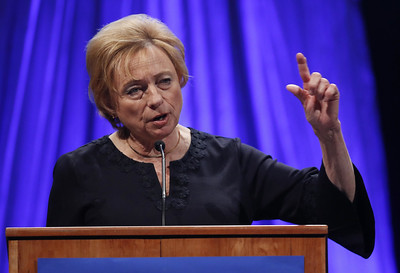
A bill that will allow Maine’s federally recognized tribes to operate casinos was passed by the legislature June 17. It now heads to Governor Janet Mills to either veto or sign.

The House approved the bill 97-40 and the Senate voted 22-13.

The four tribes have worked for decades for the right to operate casinos, but each time the legislature, the governor or the voters prevented it. Unlike most other states, but Maine tribes were bound by the 1980 Maine Indian Land Claim Settlement, which gave them land and federal recognition but prevented tribal gaming.

The bill’s sponsor, Rep. Ben Collings, said in a statement: “What we are trying to do here is have Maine have the right to negotiates with the tribes for a gaming right that virtually every tribe in the country has.”

He cited the 1988 Indian Gaming Regulatory Act (IGRA), which created the framework for Indian gaming, and said Congress passed it to help tribes become financially independent and “to help tribes in mostly remote, rural areas do casino gambling as a form of economic development,” said Collings. “The tribes in Maine haven’t had that right and been asking for that right since 1988.”

If Mills signs the law, it will open the way for tribal-state gaming compacts to determine where and how such casinos would be operated. Mills has 10 days to veto or sign the bill, or it will become law without her signature. Although she took office pledging to restore strained state-tribal relations, she has also fought sovereignty efforts by tribes.

Although Maine has turned away efforts to legalize sports betting, it’s expected once it is approved, tribes will have the right to offer it as well as the state’s commercial casinos.

Star, Crown CEOs Meet, Talk Merger

Multiple news reports indicate that the chief executives of Australia’s Star Entertainment Group and Crown Resorts sat down for a virtual meeting June 16 last to discuss the former company’s merger proposal.

It was the first official encounter between Star CEO Matt Bekier and Crown’s new CEO Steve McCann, who assumed the top role at Crown on June 1. According to the Australian Financial Review, the meeting is seen as a positive among those who favor the merger of Australia’s two largest gaming companies.

On May 10, Star proposed an all-stock buyout of Crown that it valued at AU$9 billion (US$7 billion). With its bid, Star is going up against global investment firm Blackstone Group, which recently upped its own Crown bid to AU$8.4 billion, and Oaktree Capital Group, which has proposed to bankroll an AU$3 billion buyback of Crown founder James Packer’s 37 percent stake.

Other bidders could also be circling according to the U.K. Guardian newspaper, including Apollo Investment and Hong Kong-listed CC Land Holdings, a real-estate development firm 70 percent owned by CK Cheung.

Bekier reportedly pitched McCann “on the $150 million to $200 million worth of synergies Star reckons the merger could present,” reported AFR, “as well as the value that could be unlocked from the sale and leaseback of a combined Star/Crown property portfolio.”

Crown has also been approached by Blackstone Group and Oaktree Capital.

MGM Debuts New York Track Renovations

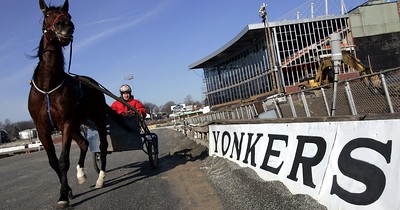
MGM Resorts International, which operates Yonkers Raceway and Empire City Casino in New York City, has completed a $500,000 renovation of the 122-year-old track—the first upgrade since 2006.

Construction crews laid 8,000 tons of new surface material on the half-mile oval track, using 6,000 tons of recycled track material and 64 tons of lime. In addition to the resurfacing, crews raised the turns to create 14-degree banks—the steepest in the country. Workers also installed new LED lighting to improve visibility.

Track officials said the new surface will better withstand the rigors of a year-round racing schedule, according to Yogonet.com. The work also wrapped up in time for Yonkers to host its legs of harness racing’s Triple Crown for trotters and pacers. The $500,000 MGM Yonkers Trot and the $500,000 MGM Grand Messenger Stakes for pacers will take place on July 2. More than 230 races are scheduled to take in 2021, with cards scheduled during weekday evenings.

Spectators are back in the stands at the track, said Alex Dadoyan, the director of racing. “Having fans back at the track, enjoying racing in person, is a great step towards fully returning to regular racing operations.”

Meanwhile, Empire City Casino has also expanded its offerings. In May, more than 3,200 of the casino’s 5,000 gaming positions were available, and the handle approached pre-pandemic levels. In June, patrons played $848.5 million and won $790.5 million. Both of those totals were the highest Empire City reported since May 2019. That month, the MGM casino reported a handle of $865.3 million and a payout of $804.6 million.

Meanwhile, the $56.4 million net win was the casino’s highest since Match 2019, when it took in $58.3 million.

Since the new fiscal year started in April, Empire City has reported a net win of $112.6 million.

If and when New York allows the three downstate casinos outlined in the law that legalized casino gaming, Empire is expected to get one of those licences and MGM will pour almost a billion into renovations and expansion of the property.

Caesars Can Keeps Indiana Casino

The Indiana Gaming Commission recently amended its order requiring Caesars Entertainment to sell a third casino property in the state. As a result, Caesars will continue to own and operate Horseshoe Hammond, Indiana Grand, Harrah’s Hoosier Park and its three off-track betting locations.

The $17.3 billion Caesars-Eldorado merger created the nation’s largest casino company and initially gave the transformed Caesars control of 55 casino properties, including five of the 13 gaming facilities in Indiana. The IGC unanimously agreed that allowing one operator to run five Indiana casinos was an “undue economic concentration” of the gaming industry and ordered Caesars to divest all but two of its Indiana properties by the end of last year. Caesars agreed to sell Horseshoe Hammond, along with Caesars Southern Indiana in Elizabeth and Tropicana Casino in Evansville. The company held on to Harrah’s Hoosier Park in Anderson and Indiana Grand in Shelbyville.

However, due to Covid-19, the IGC gave Caesars an additional year to find a new owner for Horseshoe Hammond. But before then, Caesars agreed to sell Caesars Southern Indiana to the Eastern Band of Cherokee Indians for $250 million and Tropicana Evansville to Bally’s Corp. for $480 million.

Caesars Entertainment Chief Executive Officer Tom Reeg commented, “We are confident that our continued operating of Horseshoe Hammond is in the best interest of our team members, guests, the Hammond community and the State of Indiana. We believe that maintaining our strong customer and employee relationships at Horseshoe Hammond makes the property best positioned for a strong and exciting future.”

Virginia Accepting Gaming License Applications

The application period for a Virginia gaming license is now open.

The Virginia Lottery Board announced it will take gaming license applications from voter-approved casino operators in Bristol, Danville, Norfolk and Portsmouth, as well one in Richmond, where city officials recently approved placing on the November ballot.

The board approved preliminary casino regulations in February and considered proposed permanent regulations at its July 21 meeting. Regulations must be finalized by September 2022 and will take effect in October 2022.

Meanwhile, owners, principal operators, managers and employees of the four voter-approved operators must undergo comprehensive financial evaluations and extensive criminal background checks before the state will issue gaming licenses. Previously, lottery officials said the process could extend well into 2022. Operators pay $50,000 for each individual background investigation. A 10-year gaming license will cost $15 million.

Officials at the $400 million Hard Rock Bristol issued a statement noting, “Our team is working closely with the Virginia Lottery as part of the licensing process. We are excited for the boost the project will bring to Bristol, and the regional economy, with new jobs and additional tax revenue.” The venue will include 100,000 square feet of gaming space, a 300-room hotel, outdoor entertainment areas, dining, bar and retail options and meeting space.

Rivers Casino Portsmouth spokesperson Delceno Miles said, “The city approved our use permits, so we can start making some improvements to the site, like moving the retention spot. Of course, everything is subject to the ending licensure from the Virginia Lottery Board to do much more than that.” Officials recently held virtual job that attracted more than 1,000 people and a vendor event including more than 850 vendors. The $300 million complex, to be operated by Rush Street Gaming, will include a casino, sportsbook, hotel, event and conference venues and restaurants.

In Danville, Caesars Virginia LLC plans to build a $400 million facility at the former Dan River Mills Schoolfield site. It’s expected to open in fourth quarter of 2023.

In Richmond, the city council recently voted to place the casino on the November ballot. City officials selected the Maryland-based media company Urban One from six competitors. The company is partnering with Peninsula Pacific Entertainment, owner of Colonial Downs Group and Rosie’s Gaming Emporiums. If voters approve, the venue will offer 100,000 square feet of gaming space, a 250-room luxury hotel, entertainment venue and food and dining options.

In a referendum held last November, Richmond voters approved the Pamunkey Indian Tribe’s plan by nearly a 2 to 1 margin. The tribe’s $500 million HeadWaters Resort and Casino will offer casino, a 300-room hotel with rooftop bar, pool, spa, events space, bars and restaurants and a 2,500-seat entertainment venue. The venue would be the tribe’s first venture into gaming. Tribal Chief Robert Gray said, “I’m confident that this project will exceed the expectations of everyone. It will be the destination of choice for gaming in Virginia. We are living up to every promise we made and are determined to make this a project of which Norfolk can be proud.”

Meanwhile, the Cordish Companies recently filed a lawsuit against Norfolk in Richmond Circuit Court, claiming the city conspired against it by promoting the interests of the tribe and its investors, as well as manipulating state legislators to oppose Cordish. It’s seeking $100 million, plus punitive damages and lawyers’ fees and also asking a judge to void the city’s deal with the Pamunkey tribe.

Cordish said the company has “suffered significant damages” including lost profits. Company lawyers said it entered into the 2013 agreement with Richmond to redevelop its Waterside District. The agreement included a clause stating the city “shall cooperate” with Cordish “in obtaining any Government Approvals necessary” to allow a casino to be built on-site.

The lawsuit stated, “without the City’s commitment to make Cordish its exclusive developer for casino gaming, Cordish would not undertake the herculean task and significant economic risks of redeveloping the Waterside.”

City Attorney Bernard Pishko said Cordish’s lawsuit is “not based in fact,” adding it is “so defamatory that they asked that if I accepted their offer to receive a copy in advance in order to discuss a settlement that I would have to agree to not sue them for defamation.”

Louisiana Parish Finalizes Rev-Share Agreement

The board of directors of the St. Tammany Parish Development District in Louisiana recently announced how revenue from a proposed $325 million casino resort would be distributed.

California-based developer Pacific Peninsula Entertainment will be required to share 5 percent of revenue with local governments, nonprofits and other entities. PPE officials said that could total $7.5 million to $9 million annually. P2E also has pledged $35 million for a sports complex in eastern St. Tammany Parish.

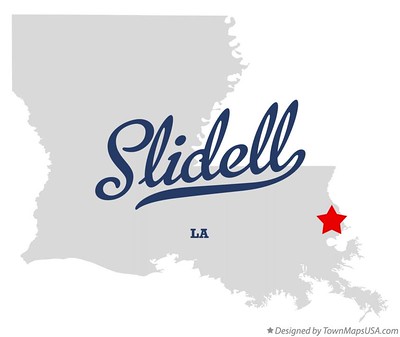
St. Tammany Parish government would receive the largest share of revenue at 37.5 percent, or $2.8 million to $3.4 million annually. Parish Council Chair Mike Lorino said, “It’s not enough to balance the budget, but it’s additional revenue nonetheless.” The parish also must spend 12.5 percent of its share on projects in the St. Tammany Parish Gaming and Entertainment Project Zone, including the unincorporated area around Slidell. The city of Slidell would receive 15 percent of the local money, according to the agreement.

St. Tammany Parish Development District Chief Executive Officer Chris Masingill said 5 percent is the highest share of net gaming revenue any casino every has agreed to pay in Louisiana, above and beyond the 26 percent casinos must pay the state. Masingill noted the agreement has “raised the bar for other casinos.”

St. Tammany Parish voters will determine if the casino becomes a reality at the ballot box on November 13. Some casino opponents, including the pastors and parishioners from churches in eastern St. Tammany, have said it’s not fair for the entire parish to vote on the development near Slidell that would not adversely impact west-side residents. In response, Lorino noted state law requires a parish-wide vote and the new revenue sharing agreement actually calls for a greater share for eastern St. Tammany because the Slidell area will have “the majority of the action,” he said. Masingill added eastern St. Tammany will benefit from most of the “community reinvestment.”

In related news, Peninsula Pacific officials announced additions to the proposed casino have boosted its investment by $75 million to $325 million. Changes include more convention and meeting space, expanded entertainment options and outdoor upgrades, pushing the total cost from the previously announced $250 million to $325 million,

Lorino said the council has scheduled a special meeting on Wednesday, June 30 to discuss placing a voter referendum for the casino on the November 13 ballot. If approved, it would undo a 1996 ban on casinos in St. Tammany parish. Lorino said the public is invited to attend and ask questions about the proposed casino.

If the council votes to place the referendum on the ballot, the proposal would go before the state Gaming Control Board for provisional approval to move P2E’s gaming license from Bossier city, where it operated the now closed riverboat DiamondJacks Casino and Resort, to St. Tammany Parish. If voters do approve the casino, officials said ground would be broken before the end of the year and the facility would open in the first quarter of 2023.

Besides financial commitments, P2E has pledged to employ 750 to 1,000 workers within three years, with half residing in St. Tammany.