Author: Casino Connection Staff

New York Bill Proposes to Regulate Sportsbook Bonuses

The television and radio ads are plentiful if not ubiquitous. The goal of sportsbook operators in New York is to convince customers they offer the best deal, whether it’s odds or free bets or any number of come-ons.

New York state Senator Pete Harckham would like to see such a practice regulated—he introduced legislation directing the state gaming commission to do just that to control what he terms “predatory” mobile sportsbook bonuses.

“Sportsbooks often give away free bets, not just upon signing up for the site, but sometimes as a trigger response as a reward for betting many times or as an incentive to return,” Harckham said.

The proposal, which has no Assembly backer yet, grew out of a New York Times article which painted a less than rosy look at the industry and its reliance on predatory bonuses “including but not limited to deposit matching, risk-free betting, free money, free bets, site credits and profit boosts.”

State Senator Joe Addabbo, chairman of the Racing, Gaming, and Wagering Committee, told Sports Handle he hopes to conduct a roundtable discussion in January with Harckham, Assembly Racing and Wagering Chairman J. Gary Pretlow, and maybe members of the gaming commission and leaders in the addiction field.

“I didn’t need the articles from The New York Times, and I don’t necessarily need this bill right now to know that problem gambling is an important issue, one we addressed at the time with 12 safeguards and protocols and money set aside to treat the pitfalls of addiction,” Addabbo said. “But this is definitely on the radar, especially for me.”

The U.K. has more restrictions when it comes to such tactics and Canada bans them altogether.

U.K. Betting Group Accuses FIFA, Anti-Gaming Foes with Lies

You’d expect the FIFA World Cup to be the kind of event U.K. gamblers gravitate to, similar to the Super Bowl or March Madness in the U.S. And it may well be when the tournament crowns a winner, and the handle is analyzed.

In the meantime, the U.K. Betting and Gaming Council (BGC), the industry trade group, has accused FIFA of spreading baseless allegations against bettors and betting operators, the organization said.

An article produced by council chair Brigid Simmonds OBE, accuses anti-gaming lobbyists of latching on to misinformed pundits who focus on the extreme to justify claims of gambling harm at the foot of the World Cup, according to Gambling Insider.

Simmonds quotes studies that show the rate of problem gambling in the U.K. is falling and stands at 0.3 percent at the moment.

Simmonds and the BGC also remind the anti-gaming forces that promotion of gambling on the World Cup is not an issue with a whistle to whistle ban, preventing betting advertising during live football or before the watershed.

According to the council, the ban decreased the number of children seeing betting ads by 97 percent.

Moreover, about 20 percent of television and radio gambling ads focus on safe gambling messages, Simmonds said.

15 Apply For Massachusetts Sports Betting Licenses By Deadline

The deadline to apply for a Massachusetts sports betting license closed on November 21 at 2 p.m. local time and the Massachusetts Gaming Commission (MGC) said 15 companies submitted applications.

There were three types of licenses. The first was Category 1, which is for in-person sports betting at their properties as well as on up to two online platforms. Those online platforms are Category 3 and are partnered with a Category 1 license holder. There can also be standalone Category 3 license holders. Category 2 is reserved for horse tracks and simulcast facilities.

Three applications were filed for a Category 1 license. Encore Boston Harbor, MGM Springfield, and Plainridge Park Casino all applied. Five operators filed for Category 3 license that will be joined with one of the three casinos.

A representative at MGC said Encore Boston Harbor intends to run two online betting platforms in partnership with both WynnBet. Plainridge Park Casino said they will operate two platforms with Sports Interactive and Fanatics Sportsbook. MGM Springfield plans to use BetMGM as its sole operator.

Six more license applications were filed for Category 3 licenses not associated with a casino. There were seven available spots. Bally Bet, Betr, Betway, DraftKings, FanDuel and PointsBet all applied. One Category 3 application was associated with a Category 2 license but the name of the operator was not made public. Noticeable absences to license applications were BetRivers and Caesars.

The approval process should start with Category 1. They MGC has set January 2023 as the time for when Category 1 holders will be able to launch.

Online platforms (Category 3 licenses) will probably be next, though the launch for mobile betting is set for March 2023.

Category 2 was not under the same November 21 deadline. The MGC had ruled last month that the facilities eligible for that license could take more time to find a suitable online betting partner. They are making that deadline on a rolling basis.

The state’s two horse racing tracks, Raynham Park and Suffolk Downs, have expressed a desire for a license but representatives said last month that they needed more time to find a partner. Raynham Park reps told the MGC that they plan to join with Bet365.

One of three casinos, however, failed to get their Category 1 application filed. MGM-Springfield Attorney Augustine Kim, who represents MGM-Springfield, told the Massachusetts Gaming Commission (MGC) at a virtual meeting on Tuesday that the missed deadline was an oversight. Kim asked the MGC to reconsider and allow them to file late.

“We didn’t know who was doing what, and as soon as we realized what was missing, we worked feverishly to get together what was missing and filed about 48 hours later,” Kim told the MGC.

Kim pointed out that the Category 3 license filed by the casino was on time. He added that the $200,000 fee for the Category 1 license was submitted the day of the deadline, November 21.

“We did anticipate this,” MGC Chairwoman Cathy Judd-Stein said ahead of the vote. “We were all extending the idea of empathy when we knew something could go awry. That’s why this provision was put into the regulation.”

The MGC ultimately voted unanimously to allow MGM-Springfield to accept the late Category 1 application. That means MGM-Springfield will be able to able to stay on track to open its retail sports betting location at the same time as Encore Boston Harbor and Plainridge Park Casino. They were the only three that filed Category 1 applications.

While no date has been disclosed for the retail sports betting locations, the MGC did hint at the end of January. If that is the case the casinos would have facilities opened in time for the Super Bowl and the NCAA Men’s Basketball Tournament, two of the most heavily bet events on the sports calendar.

The approval process has begun, however, and public comments will begin on December 5.

Las Vegas to Host 2028 NCAA Final Four at Allegiant Stadium

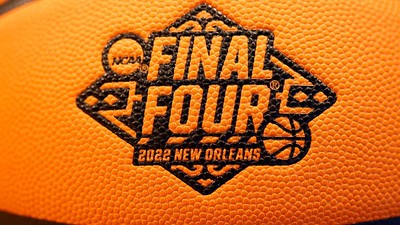
On November 22, the NCAA Division I Men’s Basketball Committee announced that the 2028 Final Four will take place in Las Vegas at Allegiant Stadium.

The two-day event encompasses the final two rounds in the NCAA men’s basketball national championship, and is usually considered to be one of the biggest sporting events in the U.S. For the first time ever, Las Vegas will play host to the event, which is scheduled for April 1 and 3, 2028.

In a statement to the Las Vegas Review-Journal, Chris Reynolds, who is chair of the selection committee and the athletic director for Bradley University, said that he was excited about the announcement because Las Vegas is “a city that for a number of years has hosted numerous championships from several member conferences.”

The Final Four is the latest in a series of high-profile sporting events to be announced for Allegiant, which recently hosted the 2022 NFL Pro Bowl and is scheduled to host it again in 2023. The 2024 Super Bowl is also slated to take place at the 65,000-seat, $2 billion stadium.

Sandra Douglass Morgan, president of the Las Vegas Raiders, said in a statement that the Raiders “are thrilled to welcome the NCAA and college basketball fans from around the world to Las Vegas and our home at Allegiant Stadium. Our facility is a state-of-the-art, ideal venue for world-class sporting events.”

The city will get a small-scale taste of the action next year, as T-Mobile Arena will host the West Regional games next March.

In addition to basketball, Las Vegas will host a number of other collegiate championships in the coming years, including the men’s Division I golf regional in 2023, the women’s regional in 2024 and the Frozen Four, which is the men’s hockey equivalent to the Final Four, in 2026.

“The excitement of Final Four basketball combined with the energy of Las Vegas will create an unforgettable experience for teams and fans alike,” Steve Hill, CEO of the Las Vegas Convention and Visitors Authority, said in a release. “We can’t wait to welcome the Division I Men’s Basketball Championship to the Greatest Arena on Earth.”

Maryland Mobile Sportsbooks Complete Boffo Debut

Results are in for the first week of online sports betting in Maryland. Based on those results, the state flourished. According to GeoComply, a geolocation and fraud specialist company, Maryland online sports betting experienced 16.5 million geolocation transactions from November 23 through 27. Such transactions reflect how well the state did.

During the same time frame Virginia experienced 8.5 million geolocation transactions, Indiana reported 6.7 million, Tennessee 6.6 million, and Colorado 3.8 million. The gold standard, New Jersey had 17.1 hits, according to Saturday Down South.

“A strong start for the regulated market delivers on the promise of new revenues and consumer protections. Marylanders will continue to ditch illegal offshore sportsbooks for the security of legal, regulated operators that provide player safeguards and tax dollars for the state, just as lawmakers intended,” GeoComply Senior Vice President of Compliance Lindsay Slader said in a release.

GeoComply reported Maryland sports bettors have registered 477,365 unique sports betting accounts in the state. On Thanksgiving, alone, 3.7 million geolocation transactions were reported.

Seven operators fully launched their sports betting services on November 23. The Sports Wagering Application Review Commission (SWARC) approved 10 operators for online sports betting licenses.

These seven operators all launched last week.

Barstool Sportsbook

BetMGM

Caesars Sportsbook

DraftKings

FanDuel

PointsBet

Rush Street Interactive

BetFanatics, BetFred, and Parx Interactive were also approved by SWARC for online sports betting licenses but were not ready to launch.

Barstool Sportsbook will operate online sports betting for the Hollywood Casino in Perryville; BetFred will operate betting for OTB parlor Long Shots; BetMGM will operate betting for MGM National Harbor Casino; Caesars Sportsbook will operate betting for Horseshoe Baltimore Casino; DraftKings will operate for the Maryland State Fairgrounds; FanDuel will manage at the Maryland Live! casino; Parx Interactive will use Greenmount OTB; PointsBet will operate betting for Riverboat on the Potomac; and Rush Street Interactive will operate betting for Bingo World.

Spectrum Gaming Group predicted the state would take in $123.3 million in gross gaming revenue in its initial year, producing $26.4 million in taxes. By year five, gross gaming revenue will eclipse $542 million with almost $100 million paid in taxes, Spectrum project

“This process took longer than it should have, but we are excited that this launch is in time for fans to place their bets on all the Thanksgiving Day NFL action, college football rivalry weekend, this week’s slate of NBA games, the 2022 World Cup, and this Sunday’s Ravens and Commanders games,” said Governor Larry Hogan.

In-person sports betting debuted in December 2021. Online wagers ran into a roadblock of “numerous legal, political, and bureaucratic delays,” he said.

In addition to the growing number of games to bet on, Marylanders keep betting dollars in the state, revenue headed into school coffers, Hogan told Maryland News. “It is anticipated to bring in up to $30 million in revenue next year, and that total is expected to reach nearly $100 million by 2027,” he said.

Maryland’s Sports Wagering Application Review Commission granted approval for 10 licenses, but only seven were ready to accept wagers.

John Martin, director of the Maryland State Lottery and Gaming Control Agency said sometime in 2023, the state hopes to have 21 sportsbooks in operation, according to WBAL TV. “We anticipate that in late spring, early summer of 2023, prior to the kickoff of the next football season, the Maryland market will include up to 21 mobile entities and between 15 and 20 facility licenses,” he said.

The seven ready to roll sportsbooks did a soft launch earlier in the week.

“We made sure that the platforms operated correctly, and procedures worked,” Martin said.

The three who delayed their debut included: Betfred, operator for Long Shot’s in Frederick; BetParx, operator for Greenmount Station in Hampstead; and Fanatics, operator for Maryland Stadium Sub/Washington Commanders in Landover.

With the opening of the mobile market comes a probable blitz in marketing and advertising dollars in a race for customers. Most will offer several hundred dollars in free play to cover initial losses.

While many Marylanders celebrate, for others it brings concerns about the impact on problem gamblers.

“There may be an increased rate and severity of gambling problems in Maryland, at least in the short term,” said Keith Whyte, executive director of the National Council on Problem Gambling.

The issue with mobile wagering is that there are fewer available controls as the bets are made often in the private comfort of someone’s dwelling.

The Maryland Center of Excellence on Problem Gambling offers resources for those with gambling problems, according to Sports Handle.

“Our goal really is to promote healthy and informed choices regarding gambling and problem gambling,” said Mary Drexler, director of the center, a program affiliated with the University of Maryland School of Medicine and funded by the state Department of Health’s Behavioral Health Administration.

As results flow in, the Center plans to observe not only the state of the industry in general but how mobile access affects gambling problems.

“We are watching it very closely because we expect, we’re not sure because we haven’t seen it yet, but there may be an increase in those people who call for help,” Drexler said.

There’s a 24-hour helpline (1-800-GAMBLER) available for those who think they may have a problem. Calls will be transferred to counselors and peer recovery specialists. The latter have a less formal approach to dealing with gamblers.

Another site, responsibleplay.org, offers resources and tips on a national plane, pushing healthy gambling habits.

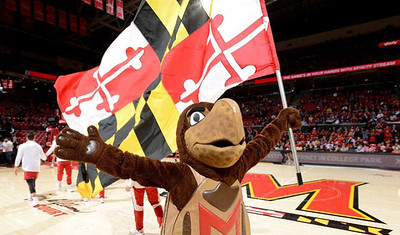
Whyte raised a red flag regarding a partnership between the University of Maryland and PointsBet. The deal, signed in December 2021, was the first sports betting relationship in the Big Ten.

“When you look at people that are at high risk for gambling problems, young male college students are at the top of that list,” Whyte said.

It’s not the only such arrangement in the U.S. Caesars, for example, has a notable partnership with Louisiana State University.

“The majority of students at the University of Maryland are underage to bet on sports,” Whyte said. “One operator is helping to create additional risk across the entire system.”

Whyte believes decreasing the amount of problem gamblers would be helped if operators incentivized players who bet responsibly.

“That’s where I think you’ll really start to see progress in responsible gambling, when a company starts putting real serious money behind it,” Whyte said.


Colorado, Wyoming Approve Wagering on Mini Golf

Bored with betting on traditional sports such as football, basketball, baseball, and hockey? Well, Colorado and Wyoming sportsbooks have you covered. Putt-Putt golf anyone?

Regulators in both states recently approved wagering on the U.S. Pro Mini Golf Association (USPMGA). Colorado approved bets on USPMGA events on Halloween, and Wyoming quickly followed.

It might be difficult to find a sportsbook, however, that will take wagers. Sports Handle queried the operators in Colorado and none would admit to asking the state for that betting option.

Jeffrey Benson, Circa’s sportsbook operations manager, was blunt when asked by Sports Handle.

“It wasn’t us and we have no interest in this market,” Benson said.

Backers of the pro tour of miniature golf are undeterred. Bill Yucatonis of Pro League Network told Sports Handle that the sport is serious business.

“You can’t just have a pro mini-golf event at any course,” Yucatonis said. “There are layout constraints. There are standards up to and including the balls and the equipment.”

The USPMGA is based in Myrtle Beach, South Carolina, and its schedule runs from April to October. The tour was founded by Bob Detwiler and his son, Ted, and has been in existence for more than two decades.

The organization has two major events, the Masters and U.S. Open. The Masters is held in October and the U.S. Open in May. Detwiler said there are plans for more events perhaps as early as February. Detwiler hopes that he can raise purses from the $25,000 average. The winner usually earns around $4,000.

“That’s our goal, to reach a higher level so these guys can make a living,” Detwiler said. “We want to be like the PGA. That’s what we are, the PGA of mini-golf.”

The USPMGA got a big boost to legitimacy when U.S. Integrity worked with them in the fall to make sure they would be compliant with regulators.

The idea of putting courses and mini golf is catching on with professionals. Tiger Woods has five putting courses around the United States. LPGA player Paula Creamer and PGA Tour star Rickie Fowler recently went up against pros of mini golf and both lost.

DraftKings, Churchill Downs Partner on Online Parimutuel Bets

Churchill Downs has taken another step towards its efforts to partner with sportsbooks in offering customers parimutuel wagering. On November 29, the parent company of the Kentucky Derby signed a multi-year deal to allow DraftKings customers access to an online version of traditional pari-mutuel betting. Dubbed DK Horse, the company will require advance deposit wagering technology provided by a Churchill Downs subsidiary Twin Spires.

The technology should have bettors ready to wager on the 149th Derby on May 6, using a standalone app, according to CDC Gaming Reports.

“We are excited to collaborate with Churchill Downs Incorporated, not only to give our existing customers an opportunity to engage with parimutuel horse wagering, but also to acquire new customers efficiently during marquee horse racing moments,” said DraftKings CEO and Chairman of the Board Jason Robins in a statement. “We expect this new product offering to be immediately profitable.”

Churchill Downs provides DraftKings parimutuel wagering rights to horse racing content owned or controlled by Churchill Downs. The company will also see that additional racing opportunities be ready for DK Horse to use.

At the outset, customers will require a separate account for funds, but eventually, it will all be part of the DraftKings account.

“We believe the depth and quality of our online offering through TwinSpires is unmatched in horse racing,” said Churchill Downs CEO Bill Carstanjen. “We are excited to deliver a full end-to-end white label advance-deposit wagering solution that will introduce their significant base of sports betting customers to horse racing wagering.”

DK Horse should be available in 21 states.

Gambling Interests Prepare For Texas Session

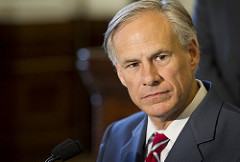
In 2015, Texas Governor Greg Abbott said he “wholeheartedly” supported the state’s strict stance against expanded gambling. But in October, he indicated he’d be open to additional gambling options in the state. Abbott’s Press Secretary Renae Eze said, “We don’t want slot machines at every corner store, we don’t want Texans to be losing money that they need for everyday expenses and we don’t want any type of crime that could be associated with gaming. But, if there is a way to create a very professional entertainment option for Texans, Governor Abbott would take a look at it.”

Gaming industry operators and supporters gave massive amounts of money to political campaigns in the recent election cycle, in anticipation of the legislative session that opens in January. They also have lined up more than 300 lobbyists, according to state records. That’s the most lobbyists hired by any other single industry or business in Texas.

In addition, the new Sports Betting Alliance, BetMGM, Caesar’s, Boyd Gaming and Landry’s Entertainment plus sports betting companies like FanDuel and DraftKings are getting ready to set up shop in Texas.

State Senator Carol Alvarado has filed a bill, Senate Joint Resolution No. 17, to allow up to four destination resorts in metro areas with at least 2 million people, plus smaller casinos at horse and dog racetracks. The measure also would authorize Native American tribes to offer casino games and slot machines.

Besides Abbott, Lieutenant Governor Dan Patrick also has been a strong opponent of expanded gambling. In 2021, he said expanded gaming wouldn’t see “the light of day.” As Senate leader, Patrick can prevent legislation from reaching the chamber floor.

Still, earlier this year, Las Vegas Sands created a Texas Sands Political Action Committee and its biggest recipient has been Texans for Dan Patrick. That PAC received $225,000, including a $75,000 donation in late September, according to campaign finance records.

In total this year, the Las Vegas Sands PAC has spent nearly $1.8 million through 216 donations to 126 politicians in Texas, including both Democrats and Republicans in the Texas House and Senate. It gave $200,000 to Abbott, who was a favorite of the late Las Vegas Sands owner Sheldon Adelson and his wife, Miriam. Since 2020, the couple gave Abbott an additional $1.5 million to help him win re-election and beat Democrat Beto O’Rourke.

Horseracing and the Texas Lottery are the only legal gambling in the state. Last summer, the Republican Party of Texas approved a new platform including provisions against casino gambling. Allowing casinos or sports betting would require a statewide voter referendum to change the Texas constitution.

The Kickapoo Traditional Tribe of Texas operates the state’s only Native American casino, the Lucky Eagle Casino, located on the tribe’s reservation in Eagle Pass.

Ohio Launch of Sports Betting a Month Away

For Ohio and Ohioans, December 1 means sports betting will put an open sign out in a month. The Ohio Casino Control Commission said companies had until December 2 to prove retail and mobile sites were ready for inspection.

Legalized sports betting became a reality when Governor Mike DeWine signed the bills in December 2021. Twenty-five sportsbooks have been granted licenses, including DraftKings, FanDuel and BetMGM.

Come January 1, all forms of wagering will go live, including retail and online.

Under the law, up to 25 online sports betting licenses are available to proprietors including casinos and professional sports teams, and each can partner with up to two mobile management providers, such as bet365 and Caesars Sportsbook.

The law also allows as many as 40 proprietor licenses to be issued for brick-and-mortar sportsbooks in Ohio, in addition to more than a thousand businesses that could host lottery-linked sports-betting kiosks.

As expected brick and mortar casinos face more specific scrutiny because it’s all live, with more equipment to inspect.

“For safety purposes, the proposed sportsbook area must be free of material construction activities prior to the Commission staff onsite visit,” the commission said.

Inspectors must have a material free sportsbook. Construction should be completed.

“All proprietors and services providers not launching on January 1 must have the relevant compliance materials Commission approved 60 days prior to launch and then ready for verification 30 days prior, as described in their licensing resolution,” the commission said.

“We have had moments before without hard hats where two-by-fours were coming by and people had to duck,” Executive Director Matt Schuler told Covers. “And… the guys are precious cargo, we can’t afford to have them get hit in the noggin.”

Schuler then added, jokingly, “at least not until January 1.”

Ohio was one of the most coveted markets in the U.S., partly because of its large population, estimated at 11.7 million people.

That could fuel problem gambling and officials were concerned about the possibility of an issue with excessive gambling. In anticipation of sports betting coming to Ohio, Bowling Green State University was commissioned to study behaviors and risk factors associated with problem gambling.

The study was funded by the American Gaming Association, MGM Resorts International, DraftKings, NASCAR, the PGA Tour, and others.

The sample size was 4,000 Americans, with 1,553 saying they had done sports betting.

Joshua Grubbs, a professor of psychology at Bowling Green, said the study found that those participating in sports betting were young men, who had a higher income and had access to sports betting.

Grubbs said being able to use a mobile app could be a danger to some.

“I think that betting from the privacy of your own phone will result in some people developing problems that never otherwise would have,” Grubbs recently told PlayOhio. “I don’t think we are talking about an epidemic where 10% of the population develops a gambling addiction, but I do think we will see slight increases in problem gambling cases.”

Amanda Blackford, the Ohio Casino Control Commission director of operations and problem gambling services, said being proactive is key.

“We wanted to make sure that we could respond directly to modality,” Blackford said. “We know with more mobile sports betting and sports betting in the palm of your hand, we had to change some of the resources we were offering to make sure that you could get resources in the palm of your hand as well.”

Some of the things Blackford said she hopes will help problem gamblers is a voluntary exclusion program. That allows those who think they have an issue to either temporarily or permanently ban themselves. The program is called, “Time Out Ohio.”

Another step is a pilot program that having resources for problem gamblers through the Department of Mental Health and Addiction Services.

“We know sports betting and problem gambling is a unique animal,” Blackford said. “It’s very similar to a lot of other substance use and mental health issues, and a lot of time they’re co-current. So you’re struggling with both or we see waves of different struggles. But it’s kind of unique in a lot of ways: the ability to keep it hidden for a lot longer means that by the time somebody does get treatment maybe the severity of the issue is further along.”

Ohio will also have a helpline, 1-800-Gambler, that can assist those in need. Also a campaign aimed at a younger demographic entitled, “Pause Before you Play” will run on television and radio.

In addition to the Bowling Green State University study, the Ohio Department of Mental Health and Addiction Services is set to put out a gambling survey it releases every five years. That should be available in early 2023.

Sports Betting Legislation a Priority for Missouri in 2023

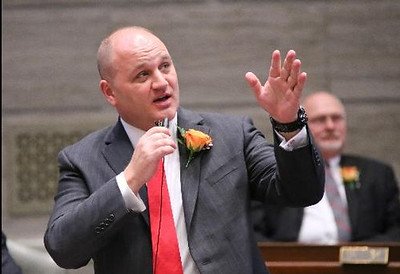
With 30 states having legal sports betting, Missouri state Senator Denny Hoskins, would like the Show Me State to be number 31. The Republican legislator pre-filed priority legislation on December 1 to legalize sports betting.

This isn’t the first time members of the state government has tried to have wagering on sports in Missouri. In 2018, Representative Bart Korman introduced a bill that would have allowed riverboat casinos, which had been legal since 1994, and Daily Fantasy Sports operators to offer sports betting, but it failed to pass.

In January of this year, Representative Dan Houx introduced HB 2502 aimed at legalizing sports betting. The bill was passed in the House, but the Senate took no action and by May the legislative session concluded.

Houx, however, was undeterred. In September, he sponsored another sports wagering bill, this one titled HB 4. The lone difference being the tax rate increased from 8 percent to 10 percent.

HB 4 seems to have more momentum and legislators, recently stinging from their neighbor Kansas approving sports betting, make this bill a priority.

Hoskins’ bill for the senate would not only legalize sports betting, but allow video lottery terminals (VLTs) to operate at retail lottery locations, veteran and fraternal facilities, bars and truck stops.

SB 1 is called the “Honoring Missouri Veterans and Supporting Missouri Education Act.” The 10 percent taxes collected from sportsbook operators would go toward elementary and secondary education, higher learning initiatives and capital improvements at veterans’ homes and cemeteries.

After the first of the year, the clock will be ticking to get Houx’s and Hoskins’ bills to mesh so they can be presented to Governor Mike Parson, who has already said he would sign them into law.

One stumbling block appears to have been resolved. Hoskins initially was looking for a 21 percent tax rate. He has compromised and changed that to 10 percent, the same as Houx’s bill.

“Passage of this legislation would bring much-needed revenue to Missouri schools and veterans homes,” Hoskins told reporters. “My sportsbook legislation could generate more than $10 million each year, while video lottery terminals would generate over $250 million in new state revenue, which more than makes up the $50 million funding shortfall our veterans’ homes and cemeteries experienced this year. We must honor our commitment to our veterans and VLTs provide a consistent revenue stream to do that.”

If the Missouri legislature can get a bill passed to Parson before the session ends in May, sports betting could be a reality by August, just before the college and pro football season.

Brazil Still Without Sports Betting Regulations During World Cup

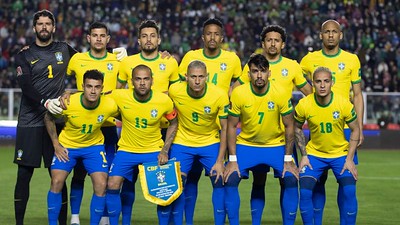
Because of delays caused by the outgoing administration of President Jair Bolsonaro, Brazil has no sports betting regulations in place as it competes at the FIFA World Cup in Qatar.

That means lost revenue to the government. For the regulations to be in effect it requires executive action. Since he lost the presidential election, Bolsonaro has delayed implementing a number of actions before he leaves office. Among them implementing sports betting regulations that are authorized by a 2018 law passed by Congress.

When the law was written it required regulations to be in place within two years. That period ends December 13. The Ministry of Economy has sent a draft proposal but it was blocked all of this year by Bolsonaro, who was courting votes from opponents of all gambling.

The regulations, as proposed, requires operators to apply to the Ministry of Economy for a five-year license. The license fee would be BRL 22.2 million. Foreign operators may operate in Brazil as long as they have a branch in the country. They will also pay taxes on profits and will be required to promote responsible gambling awareness.

Without regulations in place, foreign operators can operate without paying taxes. Udo Seckelmann, a lawyer specializing in sports and gaming, told Games Magazine Brasil: “The government had four years to regulate sports betting and has not done so until now. We all know that bookmakers exploit the Brazilian market through a legal loophole, the so-called ‘gray market’, and Brazil does not see the color of this money.”

He added, “The World Cup is the most important sporting competition in the world, the betting sector has a movement of millionaire figures. Without regulation, companies will continue exploring, but without consumer protection, without raising taxes or creating jobs.”

Instituto Brasileiro do Jogo Legal President Magno José told Games Magazine Brasil: “There is a gray area. If the regulation does not come out on December 13, the entrepreneur will ask the Ministry of Economy to operate the physical bet and, without the decree, he may end up obtaining authorization through the judicial process.”

Saskatchewan Lags, Ontario Ready For In-Person Sports Betting

While the province of Ontario, Canada has implemented in-person sports betting, residents of Saskatchewan are still waiting for the opportunity to make a bet in a casino.

Sports wagering in an Ontario casino became legal the end of October and facilities wasted no time offering the activity in their establishments. Great Canadian Entertainment has installed kiosks in 10 of their casinos.

“We are proud to have worked closely with the gaming industry and our partners in the Ontario government on this next phase of growth in Ontario’s gaming market,” said Duncan Hannay, president and CEO of OLG, in a press release. “Sportsbooks in casinos will offer a diverse and integrated entertainment experience for players, give our service providers a stake in the sports gaming market, and bring more jobs and economic benefits to host communities.”

While Ontario jumped at the chance to offer sports betting in their casinos, the eight facilities in Saskatchewan are not moving as quickly.

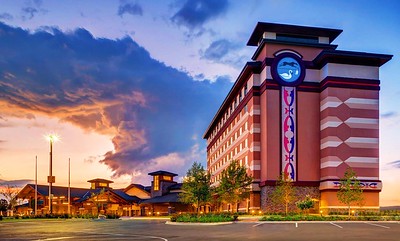
One of the casinos, Dakota Dunes Casino, told CDC Gaming that they are planning a sports lounge with betting in early 2023 but it won’t have in-person betting. Patrons will still be using their mobile app.

“We just launched online gaming, so at the time we were 100% brick-and-mortar casinos, temporary closures as a result of the pandemic had a huge impact on the bottom line,” said Alanna Adamko, SIGA’s director of communications and media relations. “We’ve had a strong fiscal year in 2022-2023 and bringing online new lines of business such as online gaming and sports betting will help increase revenue streams in the future. Sports lounges are just another of many entertainment amenities that SIGA casinos provide, to try to appeal and tailor to different audiences.”

Online sports betting has only been legal for about a month and can only be accessed through PlayNow.com. The online platform is operated by Saskatchewan Indian Gaming Authority (SIGA) and regulate by Saskatchewan Liquor and Gaming Authority.

SaskGaming, which owns Casino Regina and Casino Moose Jaw told CDC Gaming they are happy with the current set up.

“As it stands right now, there are no immediate plans to establish sports books or betting lounges in our land-based casinos,” said Shanna Schulhauser, a spokesperson with SaskGaming.

Eastern Shawnees to Launch Online Gaming

The Eastern Shawnee Tribe of Oklahoma announced a partnership with Lucky Lady Games to create a metaverse-based online casino tied to the tribe’s Indigo Sky Casino & Resort.

“The Eastern Shawnee Tribe is excited about our partnership with Lucky Lady Games,” said Justin Barrett, treasurer of the Eastern Shawnee Tribe of Oklahoma’s Business Committee. “We strive to be leaders in the gaming industry, and this allows us to engage with our customers in a new and exciting way.

“We have enjoyed working with Sandra Wong from Lucky Lady Games to develop this platform. We are continuing to look at ways to diversify our business portfolio. The tribe is a strong supporter of our surrounding communities, and this will allow us to continue to be a good partner.”

The project is currently scheduled to launch in the latter half of 2023.

“Our eyes are always on the horizon,” said Melanie Heskett, Indigo Sky Casino & Resort’s general manager. “The future of gaming is bright, and we’re excited to forge new paths in partnership with Lucky Lady Games.”

“The team at Lucky Lady Games is very excited to be collaborating with such a forward-thinking tribe to build something never before seen in Web3 gaming,” said Sandra Wong, CEO and founder of Lucky Lady Games.

“Indigo Sky Online will feature both off- and on-chain casino gaming with integrations that tie back to the land-based property. It is a very exciting time for innovation in the casino gaming space, and the team at Indigo Sky Casino & Resort really know their customers and their growing needs. We are happy to be a part of their success story.”

U.K. Gamblers Moving Toward More Online Play

U.K. Gambling levels have almost recovered pre-pandemic levels—with a gradual player shift toward more online play. Currently 15 million in Great Britain gamble under products that are legal under the Gambling Act of 2005.

Those are some takeaways from the publication of the U.K. Gambling Commission’s 2022 Industry Statistics. It examines the shape and size of the sector, including impacts of macro trends and of the Covid-19 pandemic.

Gross gambling yield (GGY) excepting lotteries, increased 16.5 percent from April 2021 to March 2022. However, the total of £9.93 billion ($12.0 billion/€11.53 billion) is still 0.8 percent lower than the years before the pandemic. Online gaming accounted for £3.9 billion— with £3 billion from slots.

The Commission stated: “Since Covid-19 restrictions were lifted in 2021 and products and opportunities to gamble are available to consumers again, the overall percentage of the adult population who gamble remains lower than it was pre-Covid (28 percent).”

It compared the numbers who gamble to the numbers who visit a museum or art gallery during a year.

According to the Commission: “It is important not to always consider the gambling sector as a uniform sector – from an industry or consumer perspective. The gambling sector we regulate comprises a diverse range of products used by a wide range of consumers. Consumers play on different products, for different experiences, in person and online – sometimes at the same time.”

Consumers use gambling to socialize or have “me time.” It is both a “niche activity, and something engaged in by the mainstream.” Gambling in the U.K. was greatly impacted by the Covid-19 pandemic and currently by high inflation.

Before the pandemic the percentage that gambled was static at about 32 percent. It was more popular among men than women and the age group most likely to participate was the 25 to 34 group.

During the pandemic participation fell 16 percent. Although Covid restrictions were lifted in 2021, adult participation is currently 28 percent. “There are signs of a return to gambling among younger age groups aged 16 to 24 and among males gambling in retail,” said the Commission.

The Commission stated: “The biggest change in the gambling landscape is a shift to online play, reflecting our lifestyles in general. Technology and globalization have meant that gambling is no longer confined to opening hours and largely local events, but instead a 24 hours 7 days a week opportunity and global event-driven marketplace.” It added, “Online gambling is firmly part of the wider digital eco-system in terms of consumer expectations and operator delivery.”

It added, “but spend appears to have increased more quickly than the increase in consumers.”

In September 2022 surveys indicated the proportion of adults gambling online (18 percent) was equal to the proportion gambling in person. A deep decline for in-person gambling over five years. This change, says the Commission, “was also driven mainly by women rather than men.”

The report added, “Whilst the popularity of gambling in person has declined over time, it remains a significant part of the sector and is showing signs of recovery following the pandemic.”

The popularity of horse racing (17 percent) and slot machines (14 percent) in 2007 compared to today has declined to 8 percent and 6 percent respectively. Retail betting and bingo have also decreased 36 percent and 44 percent respectively since 2015.

The number of licensed operators fell from 2,441 in March 2021 to 2,419 in 2022. Online casino operators fell from 599 to 591 and the number of active premises fell 3 percent to 8,308.

At the same time, however, in-person play had increased in September 2022, compared to the year before, especially among males and younger adults.

The commission notes that it is easier for consumers to play in private online, without peer judgment or interference.

Meanwhile, a recent survey for the United Kingdom’s Betting and Gaming Council (BGC) warned that government reviews of gambling laws could send bettors to online black markets.

The YouGov survey showed 67 percent of respondents believe mandatory spending limits by the English government would lead people to offshore betting sites. The survey also revealed that 64 percent of those polled feared that would spark an increase in problem gambling.

Almost 70% of people who said they placed a bet said they are against government intervention, such as regulated betting and gaming firms carrying out routine affordability checks to make certain a gambler can afford the wager.

That idea was proposed by those wanting more government regulation saying it would help curb problem gambling.

The latest figures from the BGC show the rate of problem gambling in the UK has decreased in recent years, dropping from 0.4 percent to 0.3 percent. The amount of people utilizing offshore or illegal online sites, however, has doubled in recent years from 220,000 to 460,000.

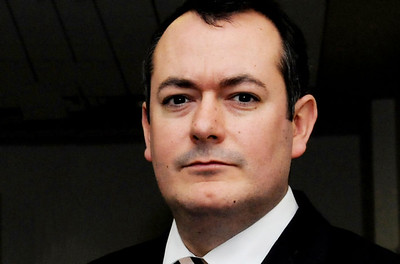
The CEO of the BGC, Michael Dugher, said the poll revealed interesting data for the government as they debate whether to institute more reforms.

“We strongly support the Gambling Review as a further opportunity to raise standards and promote safer gambling,” Dugher said. “Ministers have rightly always said it will be an evidence-led process, these poll findings are an important reminder of the risks of getting this wrong by introducing arbitrary blanket spending checks on anyone who likes a flutter.”

The BGC pointed out that regulations already include valuable tools to prevent problem gambling, such as strict ID and age verification checks, deposit limits, and cooling-off periods.

“The BGC is in favor of further enhanced spending checks but believes the focus should be on problem gamblers or those at risk rather than everyone who bets,” the group noted.

First Nation Takes Ontario Government To Court Over Online Gaming

The Mohawk Council of Kahnawà:ke (MCK), a vocal critic of the Ontario government’s handling of online gaming, is taking them to court over what it alleges is mismanagement.

The gambling industry is regulated by not only the government of Ontario, but iGaming Ontario and the Alcohol and Gaming Commission of Ontario (AGCO).

The tribe lobbied against C-218, a bill that made new forms of gambling in Canada legal. That law went into effect in June 2021. The MCK alleges that because of the changes to how the gaming is managed, Ontario now has 35 operators and iGaming Ontario is not willing to oversee the activities that happens on private operators’ sites. They further contend that those businesses are allowed to conduct and manage their business.

Ontario became the first province giving customers the ability to bet on casino games and sports through online websites and mobile apps on their phone.

That is causing serious losses of revenue to the MCK Ratsenhaienhs Council Chief Mike Delisle, Jr., said in a news release.

“Ontario’s actions are causing a significant loss of important revenues for our community,” Delisle, Jr., said. “Until these actions were taken, we were operating legally, safely and successfully across Canada. To be shut out of Ontario—by far the largest province in Canada—will have devastating effects on a source of income that has supplemented programs and services in our community for the last two decades.”

Delisle said taking iGaming Ontario and the Attorney General to court as a “last resort.”

The MCK also said that the changes to online gaming ignores the rights of the tribe to “operate and regulate safe and responsible gaming.”

“MCK has facilitated, conducted, and safely regulated gaming activities on behalf of the Mohawks of Kahnawake for decades,” Delisle said.

Nevada, New Jersey Inching Closer to Esports Betting Regulations

The two leading gaming states have made major strides in the field of esports regulation, making wagering on the electronic version of sports possible.

The potential for esports wagering in Nevada took another step forward on October 24, as the Nevada Esports Technical Advisory Committee (NETAC) voted to finalize its proposed regulations and submit them to the Nevada Gaming Control Board (NGCB) for further consideration.

The NGCB will now review the proposal before year’s end, and if approved, the matter will proceed to the Nevada Gaming Commission (NGC), which will give final say.

The updated regulations seek to eliminate some of the red tape that currently hinders sportsbook operators—under current regulations, they have to receive regulatory approval for every esports event for which they wish to offer and accept wagers.

If updated, books would be able to know which events were approved beforehand, allowing them to prepare for and even market them in advance. Thus, Las Vegas would have a seemingly unimpeded path to becoming the largest esports betting market in the U.S., which is still in its infancy.

The NETAC previously met on September 21, and made changes to its original framework with the help of John Michela, Nevada’s senior deputy attorney general. The biggest change involved a shift of emphasis from esports leagues to individual events, given the fact that the term “league” is difficult to define with regards to esports, as they do not operate in the same manner as traditional sports leagues like the NFL, NBA and others.

Michela told the committee at the recent meeting, “With the proposed regulation before you, the concept of esports leagues is replaced with event organizers. The overarching intent of the potential changes is still to allow licensed books to accept wagers on esports events in the manner of traditional sporting events.”

Operators would then be obligated to notify the NGCB every quarter about which event organizers are in charge of the events they wish to offer and accept wagers for. Additionally, should issues arise with specific organizers, the chairman of the NGCB would have the authority to block sportsbooks from accepting wagers for their events.

With regard to the process of sanctioning organizers and their events, NETAC member Seth Schorr stated, “I would like to put it on the record that should these regulations be approved, an action item afterward, in the first quarter of next year, would be to have further discussion with the Board and the chair around this item to make sure there’s an efficient process. And this committee can continue to provide our experience to the Board as a very important part of these regulations.”

Fellow committee member Robert Forbes seconded this point, and noted that further discussion should be had in order to figure how the committee could potentially be involved in advising the NGCB chair.

In New Jersey, lawmakers are seeking to establish the state as a major hub for esports and esports wagering. State Senator James Beah has introduced a bill that is identical to a bill introduced in the state Assembly in June by Assemblyman Ralph Caputo, that would classify esports as internet gaming.

The bills, outlined in a brief last week by Frank Bruno and Zachery Roth of White and Williams LLP, would recognize esports as an “authorized gambling game” and expand the definition of “internet gambling” to include “the placing of wagers with a casino licensee on esports.”

The bill would further authorize the New Jersey Division of Gaming Enforcement to issue additional internet gaming permits related specifically to esports to existing casino licensees. These would be in addition to the five online/mobile gaming licenses currently authorized for each licensee.

The bill also includes a provision that would allow the state’s sports wagering licensees to offer two additional individually branded online/mobile sports betting platforms exclusively for esports.

New Jersey Bill Aims to Keep Gambling Addicts Out of Jail

Three New Jersey legislators have proposed bill A420, which would implement a gambling treatment diversion court pilot program. In short, eligible criminals would be able to enter the program for at least a year and avoid conviction if they meet the program’s conditions.

“A-420 provides an opportunity for treatment for those who are convicted of crimes associated with a gambling disorder so they can address their addiction, while also saving public dollars which would be spent for incarceration,” Council on Compulsive Gambling of New Jersey (CCGNJ) Executive Director Felicia Grondin told PlayUSA.

The program is part of an emerging trend of states’ legislative branches recognizing the complexities of gambling addictions. For example, this past week, an Ohio county launched a similar program ahead of the state’s sports betting launch in January 2023.

According to the bill, there are strict rules about who can enter the pilot program and who can have their conviction vacated.

Only gamblers who’ve been convicted of a crime to feed their gambling problem can enter treatment. There are exceptions, though. The following crimes and situations would disqualify someone:

  • A crime against a child, including endangering a child’s welfare
  • Murder, manslaughter, or leaving the scene of a crime
  • Terroristic threats
  • Kidnapping
  • False imprisonment
  • Domestic violence
  • Past convictions of two or more crimes listed above
  • The person is on parole

The program’s goal is to treat the problem that’s causing the crimes. By helping problem gamblers gain control of their addiction, there’s a better chance they won’t break the law. It is modeled after a program set up in Nevada by Judge Cheryl Moss, which achieved remarkable success.

That treatment consists of several steps.

First, the court has to decide the crimes committed were done because of a gambling addiction. If it believes treatment will help, the court will accept the gambler into the program.

From there, the gambler has to undergo at least one year of treatment with a qualified mental health professional. They also have to meet any conditions the court set for them related to their treatment, including working with a probation department.

If the gambler completes the treatment to the satisfaction of their health professional, the gambler can petition to have their conviction expunged. 6However, if they don’t pass the treatment, the court can impose the original sentence.

The bill requires the gambler to pay for the treatment. If they can’t afford it, there are several options:

The court can send the gambler to a program that receives federal or state funding to offset the cost. Or the gambler can do community service to pay for the treatment.

Grondin believes the bill, if passed into law, can do a lot of good. However, she said that lawmakers should adjust the part where gamblers have to pay for their treatment.

“The bill can be improved by including the Council on Compulsive Gambling of New Jersey as [a] resource for treatment referral and to assist those who do not have insurance to cover treatment and/or those cannot afford to pay for treatment, since the CCGNJ offers subsidized treatment opportunities,” she said.

Grondin noted that the state stands to trim a significant chunk off its incarceration spending if the bill passed. It costs $61,000 a year to incarcerate one person in New Jersey and the state’s drug recovery courts have shown success in this area.

At this point, the bill is with the Assembly Judiciary Committee and hasn’t moved since earlier this year.

That slow movement isn’t abnormal for new legislation. However, Grondin said it’s important that the bill passes soon. New Jersey’s sports betting industry is growing, and gamblers need help.

New Jersey Lawmakers Seek to Keep LIV Golf Circuit Out

The New Jersey legislature has taken a step to prohibit the LIV Golf Tour from holding a tournament in the state.

The LIV Tour receives funding from a Saudi Arabia-backed wealth fund. The bill, approved by the Senate State Government, Wagering, Tourism & Historic Preservation Committee 3-2 on October 13 along party lines, speaks to the human rights violations committed by the Saudi government.

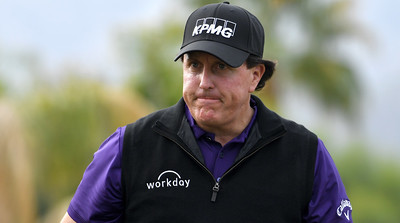
LIV has pulled in a number of top names from the PGA, Phil Mickelson, Dustin Johnson, Brooks Koepka, among them, according to NJ Online Gambling.

The actual legislation says the law “prohibits professional sports organizations operated utilizing funds primarily received from sovereign wealth funds from hosting sport or athletic events in this State.”

Still unanswered is whether state regulators will permit wagering on LIV events. A number of states do, but New Jersey does not.

The fate of bill S2032 and any related bills will be watched closely by other states and regulators, given the prominence of New Jersey in the sports betting realm.

But the state Department of Gambling Enforcement seems to have stepped back and let the marketplace dictate the future. Or the legislature.

Podcast with Joe Billhimer, Executive Vice President, Cordish Gaming Group


Audio file:

Seasoned gaming veteran Joe Billhimer was named executive vice president of Cordish Gaming Group two years ago to direct the expansion of the company into Pennsylvania with the opening of the Live! Philadelphia and the mini-casino Live! Pittsburgh. Building the Philadelphia project during the pandemic was a challenge but well worth it as both casinos have achieved remarkable success over a very short period. He talks about how sports plays a huge role in the property’s plans since it is located in the Stadium District in Philly. Billhimer spoke with GGB Publisher Roger Gros in a suite on the top floor of Live! Philadelphia in September.

Competition Fierce for New York City Casino

There is a war brewing for the three gambling licenses for the New York City area. The licenses were slated to go to downstate New York in April after the state legislature authorized the licenses. Who will get them, however, is up for much speculation.

What isn’t in doubt is that they are some of the most coveted pieces of paper in the world. New York City, and surrounding areas, are home to more than 23 million people and represent a mecca for tourists. It is the one of the last major metropolitan areas in the United States that doesn’t have a casino.

A handful of companies would like to change that. The application process could open any day, but by law must open by January 6. State gambling regulators have said no decisions on the three licenses would be approved until “later in 2023.”

That would give developers and casino companies the necessary time to gather community support, which is integral to any facility getting approval.

Each application must have a Community Advisory Committee that will hold public hearings to see if it is supported by residents. For some, they might not get past this process.

If they do, the state’s Gaming Facility Location Board will make recommendations to the state’s Gaming Commission, who has the final say on who gets one of the three licenses.

It is thought that two of the city’s licenses will go to the area’s racinos. One is Resorts World in Queens, the other is Empire City Casino in Yonkers. They have slots and electronic table games and could easily – and quickly – adapt to live Vegas-style gambling if awarded a license.

Most of the speculation is on who would get the final license. Two front runners are Related Companies and Wynn Resorts, who want to build in Hudson Yards on Manhattan’s west side, and SL Green Realty Corp., who is eyeing a spot in Times Square.

Another possible major candidate appears to be Steven Cohen, who owns the New York Mets and is rumored to be in discussions with Hard Rock and/or Las Vegas Sands to build a casino next to Citi Field.

An obscure candidate is Joseph Sitt, who owns a real estate investment firm. He is rumored to be trying to put together a plan to build the casino in Coney Island in Brooklyn.