Author: Casino Connection Staff

Georgia Again Considers Expanded Gambling

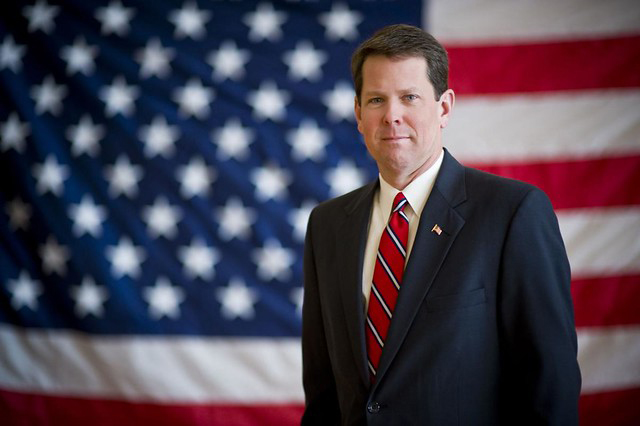
In Georgia, two legislative committees have formed in response to Governor Brian Kemp’s request that state agencies find ways to cut 4 percent from their budgets this year and 6 percent in fiscal 2021.

State Rep. Ron Stephens, chairman of the 15-member Special Committee on Economic Growth, House Speaker and Economic Development and Tourism Chairman, said that committee will consider allowing casinos, horseracing and sports betting to pick up the slack. “We’re going to look at all sources of revenue. But all I’ve ever asked is for the people of Georgia to have an opportunity to vote on casinos,” Stephens said.

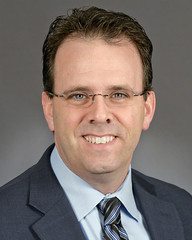
House Regulated Industries Chairman Alan Powell, co-chairman of the House special committee, said he doesn’t support expanded gambling but noted, “We’ve reached a point we got so many gaming bills in for destination casinos, horseracing and all those types of things, and pressure is coming more and more out there from the public. They’re indicating they want to vote. No legislator can ever be accused of legalizing gambling because the only people who can legalize are the voters.”

A special subcommittee on gambling—the Senate Study Committee on Gaming and Parimutuel Wagering on Horse Racing and Growing Georgia’s Equine Industry—also recently began its work, headed by state Senator Brandon Beach, who is running for U.S. Congress.

Last year Beach proposed a voter referendum on a constitutional amendment to legalize horseracing. It stalled in the Senate. He said, “I want the voters to have the right to vote for this. And I’ll tell you, I think the voters are educated, the voters are smart. And I think the voters would pass any constitutional amendment on gaming with 70 percent of the vote.”

The Senate committee’s first meeting was held at the offices of the Georgia Lottery Commission. On Tuesday, September 3, the committee will meet at SunTrust Park, home of the Atlanta Braves. Invited witnesses include Derek Schiller, Braves president of business; Rich McKay, president and chief executive officer of the Atlanta Falcons; and Steve Koonin, chief executive offer of the Atlanta Hawks.

“They will come talk about sports betting and explain how it might work. What they’re trying to do is drive attendance. The fans want it. The franchises need it,” Beach said. He added, “What I understand is that sports betting is good for the franchises, but it doesn’t draw a lot of revenue for the state. If we’re talking about funding the HOPE scholarship or health care, the revenue is going to be in casino gaming or horseracing.”

Supporters said expanded gambling could create thousands of new jobs and infuse hundreds of millions of dollars into the HOPE scholarship and other education programs funded by the Georgia Lottery.

A group called the Georgia Horse Racing Coalition released a study indicating a suburban Atlanta racino would generate $1.2 billion in economic impact. Governor Brian Kemp has said although he opposes casino gambling, he would not block a referendum on it as long as revenue would benefit HOPE. However, a constitutional amendment, which would be necessary for establishing casinos or horseracing, does not require his signature, however two-thirds majorities in both the House and Senate would have to approve the legislation.

Still, state Rep. Wes Cantrell said Kemp’s call for budget cuts will not change his opposition to expanded gambling. He said, “While there would likely be some revenue increases due to gambling, this revenue would be more than offset by the increased costs to our state due to gambling addiction, sex trafficking, loss of jobs, less spending by those who gamble, small businesses closing, increased crime and bankruptcies.”

Cantrell added, “Our economy is in great shape. Let’s keep doing the things that got us to this place. Why should we ‘gamble’ with gambling? Most states that have enacted gambling in recent years have done so as an economic Hail Mary because their economy is in such bad shape. It doesn’t work.”

Sports Bets Explode with Start of NFL Season

The Philadelphia Eagles came from behind to beat the Washington Redskins 32-27 on the opening Sunday of the NFL season. For the favored Eagles, the second half comeback victory left a satisfying taste for the season to come.

But for bettors, the Redskins late TD left a bitter taste, because the team failed to cover the spread.

Such are the quirks of sports wagering as the NFL gets under way. And Americans did wager.

William Hill sportsbooks reported that 59 percent of the money they saw was on the Eagles. FanDuel was even more lopsided, with 94 percent of the money laid on the Birds, according to the Philadelphia Inquirer.

Jeff Davis, director of trading for Caesars Entertainment, was asked if it was a six-figure swing. “Into seven figures,” he replied.

It was certainly a strong week for bettors, said Patrick Eichner, director of communications for PointsBet. Besides the Eagles, popular favorites in Week 1 included the Kansas City Chiefs, Los Angeles Rams, Baltimore Ravens and New England Patriots.

Each week during the season, three or four games draw that kind of attention, William Hill’s Nick Bogdanovich said.

FanDuel says the amount of money bet by its users online on Sunday was roughly 12 times the amount spent on the same day a year ago, when its mobile betting app had just launched.

“There was a seven-times increase in handle and bets in New Jersey from Week 1 last year,” FanDuel publicity director Kevin Hennessy said. But it’s more than New Jersey. “We are excited for the season and have seen some real great interest in our new retail sportsbooks in Iowa and Indiana already.”

Rival DraftKings said the amount of money bet on Sunday nearly doubled compared to the same day a year earlier. In addition, traffic at both companies spiked on September 5, the first NFL game day and the latest day for which figures were available, said analytics firm SimilarWeb. FanDuel had 524,416 visits and DraftKings 306,681 visits that day, according to Reuters.

“Thursday Night Football’s Packers vs. Bears matchup was our highest unique bettor count event in PointsBet history,” Eichner said. “On an individual event basis, NFL games will be our highest turnover events of the year.”

Companies typically do not release dollar figures, but trends show the importance of football, the most popular U.S. sport, as the newly-legal U.S. online sports betting market gels, according to PlayNJ.com. A poll last year by Gallup found some 37 percent of U.S. adults cited football as their favorite sport to watch. Next came basketball, favored by 11 percent of respondents, and baseball at 9 percent.

FanDuel Chief Marketing Officer Mike Raffensperger said the NFL counts 100 million fans in the U.S. “There’s no week of the year we can acquire new customers like we can in the first week of the NFL season.”

In Nevada last year, betting on football—including college football—accounted for 34 percent of sportsbook revenues. “Football sparks the most interest and fandom on Saturday and Sunday, Hennessy said. “The atmosphere at the Meadowlands on Saturday is electric with college football bets and NFL bets being placed.”

While the NFL is king when it comes to sports betting, if you add up the amount of money wagered, basketball, baseball and college football are up there, just because there are so many more games and teams, said Bogdanovich, whose company works with Monmouth Park Ocean Resort and Tropicana in New Jersey. “Baseball and the NBA are played almost every day. But if you take individual games, there is so much more bet on pro football. There are only 16 games and that makes it special.”

Some 40 percent of overall business is now from in-play wagers, typically as odds change during the game as opposed to pre-game betting, Hennessy said.

“Clients can bet on the spread as the game is going on, so all bets of that nature are considered in-game,” Eichner said.

In-play betting may grow beyond changing spreads. “I see betting on specific plays in the future.” Bogdanovich said. Betting on whether the next play will be a run or a pass, bets that have to be made within seconds.

According to a new national survey commissioned by the American Gaming Association (AGA), more than 38 million American adults—15 percent of the U.S. adult population—are planning to bet on NFL games this season. The number of bettors saying they will place their bets in-person at a casino sportsbook is 6.9 million people, up from 5.7 million who say they placed a similar bet last year.

Still, in New Jersey, the state with the most liberal mobile betting rules, roughly 80 percent of wagering is done through apps.

Asked who they would put a $25 bet on to win the Super Bowl, NFL fans overwhelmingly favored the Patriots (23 percent), followed by the Chiefs (8 percent), Dallas Cowboys (7 percent) and the St. Louis Saints (6 percent).

Sorry, Eagles fans.

Other key findings of the poll, conducted by Morning Consult among a national sample of 11,001 American adults:

  • 39 percent of self-described “avid” NFL fans plan to place a bet on the NFL this season
  • 24 percent of Americans would like to bet on the NFL if it was legal and convenient to do so in their state
  • 75 percent are more likely to watch a game they bet on, while 63 percent are more likely to gather with friends and family to watch a game

Previous AGA research shows the NFL stands to make $2.3 billion a year from a widespread legal sports betting market, largely as the result of increased fan engagement.

The NFL’s basic position is that the league doesn’t want to annoy the large portion of its audience that does not bet, according to the New York Times. And with an enormous mass-market audience already, the league contends it will benefit less from legalization than other sports. The NFL has far fewer betting-related deals than other American sports leagues, but took an equity stake in Sportradar, the data distribution company that provides in-game and pre-game odds.

Television is taking a cautious approach to NFL wagering. Fred Gaudelli, longtime producer of NBC’s football telecasts, on a conference call last week said sports betting references would be “somewhat isolated” this season, adding that NBC was beginning conversations with the NFL “about what’s possible going forward.”

Or, as sportscaster Al Michaels has said, “Most people who have bet on the game don’t have to be told what the point spread is.”

Lawsuit Dismissed, R.I. Sports Betting Unbound

Rhode Island’s two casinos and the state government that gets more than 50 percent of their revenue heaved a collective sigh of relief last week after a superior court judge dismissed a challenge to the legality of sports betting in the Ocean State.

The decision came the day after the state lottery launched a sports betting app that’s expected to truly supercharge sportsbooks in the only New England state that currently offers it. New Hampshire will begin offering sports betting next year.

The judge disallowed GOP activist Daniel Harrop’s lawsuit challenging the law, ruling that he lacked standing to sue. Harrop had argued that the state was required to seek voter approval before offering sports betting almost a year ago.

The state and the casinos made this argument about Harrop’s status: “Can an individual who has waited over (a) year since legislation commencing sports wagering passed, asserts no particularized injury-in-fact (as distinguished from every other Rhode Island voter), and does not reside in either town where sports wagering is hosted, have standing to challenge what he describes as constitutional claims on behalf of all Rhode Island voters? This question must be answered in the negative.”

Judge Brian Stern agreed with lawyers for the state lottery and Twin River Casino, which operates casinos in Tiverton and Lincoln. His ruling didn’t address the constitutional question of whether the state is legally able to offer sports betting without a statewide vote. The legislature approved of sports betting in June 2018 and the first bets were taken the day after Thanksgiving 2018.

Harrop, who ran for mayor of Providence several years ago, says he isn’t finished with his challenge. His attorney will look for someone who does have standing to challenge the law, such as someone who has lost money betting on sports.

The launch of the mobile sports book app just as the NFL season began came with a nervous eye towards the pending lawsuit. But otherwise there was no indication that the state was anything other than full-speed ahead. This included a media blitz on TV, print and billboards. The new lottery website includes a tutorial entitled “Betting 101” that instructs the novice on how to place wagers.

Lottery spokesman Paul Grimaldi commented, “It is an important milestone for the lottery. We are starting before the National Football League season as promised.” He added, “We know this is something people want, and we expect it to be a popular option.”

Since Rhode Island has a current monopoly on sports betting in the region, it should be able to cash in on the sports fanaticism of neighboring Massachusetts, home of the multi-Super Bowl champions, the New England Patriots, not to mention the Boston Red Sox.

It’s generally conceded that sportsbooks by app are far more popular and lucrative than an in-person process that requires bettors to make the trip to the town of Tiverton, which sits on the Massachusetts-Rhode Island state line, or to Lincoln. They must make an initial trip to one of those casinos to sign up and create an account—which requires showing a photo ID.

Using the app, bettors can make straight bets, parlays, futures bets, round robin bets, etc. They can bet on professional and college teams, excepting college teams based in Rhode Island, or college games taking place in the state. Betting must be made within the state lines.

The lottery ensures this by using geo-fencing technology that’s supposed to tell whether someone placing a bet is inside or outside of Rhode Island. The fact that the Tiverton casino is just a few hundred feet away from the state line has created some problems for this system, especially if customers are within 220 yards of the state line.

Despite the sports betting app, both casinos have gone to considerable trouble to create a welcoming place where bettors can relax, watch the games and make wagers. Joe Franklin, Twin River casino, Rhode Island, regional executive director of cage operations, notes that the Sportsbook Bar and Grill has 100 TVs that surround the betting tables and that there is a wall of betting windows.

To prevent long lines from forming, Twin River has added more staff for the NFL season, Franklin said.

The lottery operates the sports book with technology provided by International Game Technology (IGT). William Hill supports the day-to-day operation.

The two casinos are hoping that sports betting will let them recapture some of the revenues siphoned away by the June opening of the $2.6 billion Encore Boston Harbor. Twin River claims this caused a 34 percent decline in table game profits in July.

The state’s sports betting program had a rocky start last year and did not generate nearly the amount that was anticipated. It took in less than half of the initial $23 million that Governor Gina Raimondo had baked into her 2019 budget.

This year the lottery’s projections have caused the state to budget $22.7 million. Next year the state anticipates collecting $26.3 million in taxes, $20.7 million from online wagers.

Since last November’s launch, $136 million has been wagered and $128 million was paid out. The state collected 51 percent of the $7.7 million profit after expenses. IGT gets 32 percent and the casinos get 17 percent.

Meanwhile, the town of Tiverton has taken a move to make its casino, which opened a year ago, more competitive by making a pilot of 24-hour operation permanent. The action was taken after a hearing where no one objected.

Mark Russo, attorney for the Tiverton casino, told council members that the license was needed to remain competitive. The casino offers slots and table games. It added sports betting last December.

The 24/7 license is still subject to annual review and hearings could be triggered if there are violations of its terms.

Tiverton is guaranteed at least $3 million annually from gaming revenue, plus property taxes and taxes on food and beverages. The amount paid to the city has increased each quarter since the casino opened.

Raimondo’s controversial 20-year extension deal with IGT, which she recently forwarded to the legislature for approval, is being subjected to more than the usual scrutiny since the governor was the subject of an ethics complaint brought by the state Republican party and after considerable criticism from Twin River Worldwide Holdings. She signed the deal with IGT in August.

IGT operates the lottery and provides slots machines for the two casinos; the casino operator complains that IGT was awarded the contract without a competitive bid process. IGT provides about 85 percent of the slots for the two casinos, which have complained that some machines are not operating at peak efficiency and produce less revenue.

Senate President Dominick Ruggerio and House Speaker Nicholas Mattiello asked for and received documents they requested from the governor, amounting to more than 1,300 pages.

Mattiello claimed last week that the state lost money when the lottery did not order the removal of 360 underperforming IGT slot machines. He claimed that lottery’s relationship with IGT is “too incestuous,” and that an investigation is called for.

Iowa Sports Betting Alarms Minnesota Lawmakers

With sports betting recently legalized in Iowa, Minnesotans simply can drive a few miles over the state line to place their bets. But now state Senator Roger Chamberlain said he’ll meet with colleagues and sports betting supporters to plan a strategy for the next legislative session.

In the last session, Chamberlain sponsored a measure that would have allowed sports wagering at tribal casinos and the state’s two horseracing tracks, as well as mobile sports betting. Chamberlain, chairman of the Senate Tax Committee, estimated sports betting could generate more than $2 billion a year. His bill would have taxed sports wagering net revenue at 6.75 percent. But it stalled in committee. “Iowa is doing it, for God’s sake. That should be embarrassment enough for us to start doing it up here,” he said.

State Rep. Pat Garofalo, sponsor of the House sports betting bill, added, “As we see a steady stream of vehicles driving down Interstate 35, and we see more Minnesotans going to Iowa spending their hospitality and tourism dollars, it’s natural that Minnesotans would be more interested in trying to duplicate or replicate the regulatory structure in Iowa here in our state with regards to sports gambling.”

Sports betting is opposed by the Minnesota Indian Gaming Association. In a letter to Governor Tim Walz and state legislators earlier this year, Chairman Charles Vig wrote the association “continues to oppose the expansion of off-reservation gambling, including the legalization of sports betting.” Tribes view sports wagering as a threat to their casinos’ business.

Other opponents include groups like the Joint Religious Legislative Coalition. Executive Director Anne Krisnik said expanded gaming would increase unemployment and create additional pressure on the criminal justice system. She said lawmakers should not be concerned about Iowa. “We really believe that Minnesota should be looking on its own merits—is this a good thing for the state or not—and not look at what other states are doing. We can certainly look to other states to get some assessment of how changes have impacted them. But we believe that legislators should be looking at what’s best for Minnesotans.”

NASCAR Signs Sports Betting Deal with VSiN, PRN

NASCAR has partnered with the Performance Racing Network and sports betting media company VSiN to bring sports betting video content directly to race fans at NASCAR.com.

Illustrating its commitment to embracing legal sports betting to increase fan engagement, NASCAR will air Racers Odds, the most detailed breakdown of betting lines and head-to-head matchups ahead of each week’s race.

As part of the partnership, VSiN’s sports betting experts Jeff Cogliandro and Steve Makinen will team up with PRN’s NASCAR analysts Jeff Hammond and John Roberts to deliver actionable news and insights to help racing fans and sports betting enthusiasts make more informed wagers. Racers Odds is a 60-minute show leading into the day’s race.

For NASCAR, the partnership provides the sport with another key channel to educate its fan base on the world of regulated sports betting.

“Sports betting presents a great opportunity for NASCAR to strengthen engagement with fans, so it’s important that we provide content that helps educate fans about this fast-evolving space,” said Scott Warfield, NASCAR managing director of gaming. “Elevating NASCAR gaming content is a critical area of focus for us, and PRN and VSiN are perfectly positioned to help us accomplish that goal during the most exciting portion of the stock car racing season—the NASCAR Playoffs.”

PRN also views the legalized gaming space as an exciting new tool to better engage motorsports fans.

“When the Supreme Court cleared the way to allow individual states to legalize sports wagering, we knew right away that we not only wanted to be in this space, but that we wanted to be the first to take the lead in what will be a bright and exciting new chapter for NASCAR, our fans, and a growing audience of motorsports wagerers,” said Gerry Horn, senior vice president and general manager of PRN.

“We took our decades of knowledge in quality motorsports programming and went straight to the leaders in sports betting news, analysis and data at VSiN, and have combined to create our groundbreaking Betcast: Racers Odds.”

VSiN will leverage the partnership to develop stronger relationships with betting-minded NASCAR fans, a group that is flocking to the gaming space as the industry continues to grow across the country.

“NASCAR truly understands the impact sports betting will have on fan engagement and has embraced it,” said Brian Musburger, founder and CEO of VSiN. “We’re excited to partner with NASCAR and PRN to deliver credible sports betting information. With a passionate fan base, no sport is better positioned to capitalize on legal sports betting than NASCAR.

New Hampshire Sportsbook RFP Issued

The New Hampshire Lottery in August published a Request for Proposals (RFP) from potential operators of a sportsbook for the state. The legislature legalized sports betting in July. The lottery hopes to launch sports betting by early 2020, and no later than September.

Since the RFP, the Office of the Lottery has gotten more than 100 questions from possible bidders that it published—although it did not list names of potential bidders. However, some are considered almost certain to make proposals, such as DraftKings, based in Boston, and its top rival, FanDuel, along with William Hill and Penn National, to name a few. According to the lottery, there were 20 questions from potential operators.

Lottery chief Charlie McIntyre said he is allowing the replies to the RFP to partially shape the process, which would give possibly creative solutions to present themselves before the lottery shuts the door. To quote a source, the lottery is “punting” on a number of issues until it has more data to work with.

The lottery has provided some solid answers. For instance, funds must be deposited while a bettor is physically inside the state. The legislature stipulated that there be 10 physical locations for sportsbooks and as many as five mobile platforms. Municipalities can decide by a vote of the people whether to allow such operations.

The lottery received several questions as to whether it will have its own branded app. Many potential operators believe that it will, according to Sports Handle. The state’s answer is this: “NHLC is open to different branding concepts. It is not a requirement that all channels be branded in the same manner. Proposers should offer the branding that they believe is best along with any variations they can provide.”

Potential operators are also quite interested in what percent of the amount wagered they will retain. The answer, according to the state is: “The percentage of GGR retained by the proposer will be the subject of the price proposal after review and scoring of technical proposals.”

When the Granite State unveils its sports book it will be the second New England state to do so; Rhode Island is the first.

Iowa State Building eSports Venue

In an effort to gauge interest in gaming, officials at Iowa State University recently surveyed 25 percent of the student body, with results indicating 92 percent of respondents considered themselves some type of gamer. Sixty-four percent played video games for more than five hours a week, and 87 percent said they would support the construction of a gaming space on campus.

As a result, Beyer Hall is being revamped to accommodate casual and competitive gaming, including a dedicated eSports room for Rocket League, Super Smash Brothers and Fortnite eSports intramurals, plus a walk-in gaming area. Gaming PCs, gaming consoles, board games and card games also will be available in the new gaming space, set for completion in fall 2020.

Associate Director of Student Success Jason Vlastaras said, “We want the recreation center and specifically the gaming room to be where you can just come and hang out. Students have class and/or work and then they have home. We want this space to be your third place.”

Vlastaras added, “We’re trying to look at this from a wellness perspective. As ambassadors for wellness, the recreation services team feels like it’s our responsibility to be able to provide something recreational like the gaming space, where you’re able to do it in a positive atmosphere. Students are participating in these activities and they’re playing video games, but they’re not necessarily doing it together and they’d prefer to do it together.”

Vlastaras explained the gaming and eSports club, formerly known as Game Renegades, has been rebranded and inducted into the sports club council to give it more support for increased participation in esports events. The club fields teams to participate in independently run college eSports leagues including Rainbow Six: Siege, Counter-Strike: Global Offensive, League of Legends, DOTA 2 and Overwatch.

Freshman Thomas Owens, quality design chairman of the gaming and eSports club, stated, “It’s a totally different feeling of cohesion and working as a team and a unit when instead of playing with your team online and in the Discord server, when somebody makes a play I can reach over and give them a fist bump.”

Owens added that participation in the Discord server, a text and voice chat application for gamers, is increasing. He said the club hosts a monthly open LAN; more than 500 gamers from 20 universities attended.

“Ninety-nine percent of the club is never playing alone. You’re still getting the social interaction you’d get outside. You’re making friends/ I can ping the Discord saying, ‘Hey, who wants to meet at the MU?’ and I’ll get five responses saying ‘Yes when does XYZ time work?’”

PGA Takes Steps to Peddle Official Data

The PGA Tour has jumped on the bandwagon of pro sports organizations providing official data to U.S. sports betting operators. According to Legal Sports Report, the world’s top pro golf organization announced the expansion of a deal with IMG Arena for exclusive rights of live shot-by-shot match and event data to global operators.

Live betting on games in progress has been a huge part of the New Jersey sports gambling market. “As the sports betting market in the United States evolves, extending our relationship with the PGA Tour is an important next step for IMG Arena,” said Freddie Longe, senior vice president and managing director at IMG Arena. “For the first time, sports fans will have access to shot-by-shot action, from tournaments all-year-round using official PGA Tour ShotLink data. We continue to feel that golf has the audience, interest and following to become one of the leading in-play betting sports globally.”

The product will be ready for distribution early next year.

If the PGA Tour doesn’t get enough willing buyers, it will continue to work on lobbying for the inclusion of official data in state laws, as well as through Congress.

FanDuel Sportsbook Opens in Iowa

Minnesota Vikings Hall of Fame defensive tackle John Randle recently placed the first wager at the new FanDuel Sportsbook at the August 29 opening of the Diamond Jo Casino in Dubuque, Iowa.

Officials hope to attract Minnesotans to the new facility, since it’s the closest to the state line, located off I-35, a 15-minute drive from Albert Lea and 112 miles from Minneapolis. Sports betting is not legal in Minnesota. Diamond Jo General Manager Scott Smith said, “We are surely your kind of place for everyone in northern Iowa and southern Minnesota.”

Currently, bettors age 21 or older are required to register in person to bet on all major U.S. sports including baseball, soccer, football, basketball, golf, boxing, motorsports racing and more. Online and mobile betting will be available in the near future, Smith said. Even then, bettors will be required to place bets within the state’s borders.

The FanDuel Sportsbook features three betting windows, five video displays including a large video wall, 11 self-service betting kiosks from IGTPlayDigital and one sports ticker.

By the way, Randle bet $93 (his jersey number) on the Twins to beat the White Sox—and won.

Tribal & Lottery: Two Paths to Oregon Sports Betting

When the Chinook Winds Casino Resort in Lincoln City, Oregon opened its sportsbook on August 27, it became the only place on the state’s West Coast where bettors can place a sports wager:. But that monopoly will within a few weeks as the Oregon State Lottery jumps into the game.

The lottery and the casino took separate roads to a common destination. Chinook Winds, operated by the Confederated Tribes of Siletz Indians, got there first because it was easier to offer sports betting in a brick-and-mortar casino than to make sports betting available to consumers all over the state both on mobile platforms and eventually from kiosks at retail locations.

Last week, in an exclusive interview with GGB News, Will Robertson, Chinook Winds director of casino operations, talked about the sportsbook’s first day. Starting at 9 a.m., “We had a decent stream of business,” he said. “We anticipate the lines being much longer this Saturday with college week. This morning we had a decent crowd—steady business all day and steady business as we speak.”

Oregon became the second state with Indian gaming (after New Mexico) to take a sports bet without a formal act of the legislature. When Congress approved the Professional and Amateur Sports Protection Act (PASPA) OF 1992, Oregon was one of four states whose existing sports betting was grandfathered. The Indian Gaming Regulatory Act of 1988 says any form of gaming allowed by a state is also allowed for any federally recognized tribe within that state. Oregon offered a parlay game called Sports Action through the state lottery. It was discontinued voluntarily by the state in 2007 under pressure from the NCAA which threatened to not hold tournament games in Oregon .

Chinook Winds overlooks the beach, with panoramic views of the pounding Pacific surf. So players will be able to watch sporting events on four large screen TV’s in the Rogue River Steak House, “with a beautiful ocean view,” said Robertson. The 600-square foot lounge itself is “a small room with three teller windows and one 24-hour kiosk.” It has fifteen televisions and seats about twenty patrons. The teller windows are open from 8 a.m. to 11 p.m. seven days a week, and the kiosk operates 24/7.

“Basically anything you see in Vegas, you’ll see here. Futures. You name it, we have it,” said Robertson. That includes college NCAA, which the lottery will not take bets on, or any other college games for that matter.

Lincoln is a town of about 10,000 people, a two-hour drive from Portland. So it is somewhat limited in how many bets it will be able to take compared to the Oregon Lottery.

Robertson had no experience in sports betting. “When it was time to add sportsbook, I had to get some education,” he said—which was one of the reasons the tribe ended up choosing pick Las Vegas Dissemination Co. as technology provider. Robertson told GGB, “They were very hands-on. Their business model said how we wanted to operate. They’ve been extremely helpful. They were very forthcoming even before they were selected.” The company also offered off-track betting options that Chinook Winds might be able to choose down the road. “If we do choose to do that, it would be a seamless transition,” he said.

Asked if he expected a bump in business from being the only casino on the West Coast to offer sports betting, Robertson said, “Absolutely! We’re seeing it today. I recognized a couple of people, but some are new to us.”

Once things settle down, Robertson anticipates sports betting will be more of an amenity than a moneymaker. “Right now, it’s a reason for someone to make a trip to the coast. At some point it will level out and just be an amenity.”

When the Oregon Lottery unveils its “Oregon Lottery Scorecard,” it will enable bettors to wager from anywhere in the state using a mobile device. Phase II will introduce sports betting to brick-and-mortar retail operations through kiosks. Online sports betting is by far the most popular betting option in other states that have legalized sportsbooks. In New Jersey, for example, it accounts for 85 percent of the total.

Talking to GGB News, Oregon State Lottery spokesman Matt Shelby said the Oregon Lottery Scorecard will go live “soon. Right now we’re getting close. We hope to launch the mobile app soon. We have a mobile-based sports betting platform that we’re testing. What we find will drive the actual launch date.”

The lottery is testing two things: the mobile sportsbook and the lottery’s first e-commerce platform, which will allow for creating player accounts. “We want to make sure the sports betting works as it should, but that the player account syncs with the mobile sports book and the current claims and payment system.”

Shelby explained, “Up until this time, all of our play has been anonymous through retailers. If they win a large enough amount, they come to our office and get paid. For smaller amounts, they’re paid directedly at the retailer. What we’re doing is shifting from anonymous to known play.”

Players “are giving us their information on the front end,” Shelby said. Anonymous sales will still be used by lottery retailers. “But right now the player account will be required to place sports wagers,” he said.

The online rollout will be Phase I, said Shelby. “As soon as we get this mobile app rolled out, we’ll turn to our existing retailer network. Not everyone is going to want to download the app. Some will want to go into a brick-and-mortar retailer. We’ll place kiosks at retailers.”

Lottery officials don’t know yet how many retailers will participate, but a pilot program in early 2020 will target at least a few hundred. “The criteria need to be worked out,” said Shelby. “We’re not going to do a traditional beta; we’re doing a whole number of tests right now in a test environment and then when we’ll work to a live production environment. We’ll do additional testing with Oregon State Police and a third-party vendor.

“By the time we roll it out, we’ll know that the system is secure and a good user experience. What we’ll learn real soon is how to improve the user experience.”

The beauty of an app, he said, “is that you can release new versions. We need to know that the security is there and the financial transactions move as they’re supposed to. We don’t want to iterate with that in the wild, so to speak.”

The lottery is working with SBTech, a European-based provider, which also provides sports betting technology for New Jersey and Churchill Downs. “We’re their first state lottery and that was by design,” said Shelby. “We wanted to go with a vendor that could provide off the shelf.”

SBTech’s selection was controversial, especially after a vendor that wasn’t chosen accused SBTech of providing sports betting to nations where it’s illegal. The lottery investigated those claims and found nothing.

“It’s now pretty quiet on that front,” said Shelby. “The gaming industry is competitive. There are vendors who are searching for a leg up on their competition and we got wrapped up in that.”

Meanwhile, “People in Oregon are excited about sports betting coming back. They’re anxious to open an account and place a wager.”

Somewhat less excited about sports betting is Oregon state Senator Chuck Riley, who earlier this year sponsored a bill that would have prevented the lottery from offering sports betting. In an email to GGB News, Riley commented, “The point was not about sports betting but was a concern about online betting. Not only because it can be hacked, but the concern for children being able to play, and the increase in gambling problems because of the ease of use.”

Riley is concerned that the lottery introduced sports betting without any guidance from the legislature. “I do believe that the legislature has an oversight responsibility,” he wrote.

Asked whether he thinks the state will make enough money to justify the added expense of the rollout, Riley said, “We have been assured that it will, but no one knows for sure.”

New York Tribe Hints It Will Open Sportsbook

New York’s Seneca Indian Nation doesn’t offer sport betting yet at its three casinos, and has given no indications as to when it will. Even so, the tribe is looking for somebody to run it all.

Last week, the position of executive director of sportsbook and interactive gaming appeared in postings on the tribe’s website and on other internet job boards, according to news reports.

The post calls for someone to oversee the overall direction and management of all activities related to sportsbooks and online gaming𑁋though the latter is not yet legal in New York𑁋at the Senecas’ Niagara Casino & Hotel in Niagara Falls, Seneca Allegany Casino in Salamanca and Seneca Buffalo Creek Casino in Buffalo.

In June, the state Gaming Commission finalized regulations governing sports betting that allow only wagers placed by customers physically present at the properties. Remote wagering is on hold while various political factions in Albany try to sort through its legality absent an amendment to the state Constitution.

Since the rules went into effect, the Oneida Indian Nation has launched bookmaking at its flagship Turning Stone Resort Casino in Verona and its Point Place Casino in Bridgeport, with a third book set to open at the tribe’s Yellow Brick Road Casino in Chittenango in time for the start of NFL season.

The Saint Regis Mohawk Nation likewise has set a fall opening at its Akwesasne Mohawk Casino Resort in Hogansburg in the northeastern part of the state, near the Canadian border. Sportsbooks also are up and running at the three of the four commercial casinos in New York: Rivers Casino & Resort in Schenectady, Tioga Downs Casino Resort near Binghamton and del Lago Resort & Casino in Tyre in the Finger Lakes.

The Senecas currently are mired in a revenue-sharing dispute with the administration of Governor Andrew Cuomo, a battle that’s winding its way through the federal courts. It’s not known what impact, if any, it will have on the tribe’s sports betting plans.

As it stands, the tribe is asking that candidates for the executive director’s position have 10 years of industry experience, a broad knowledge of sports gambling and an understanding of related technology.

The job will be based in Niagara Falls.

Kindred Group Launches in Atlantic City

The Kindred Group has introduced its first online sports betting product in New Jersey under the Unibet brand. Online followed the launch earlier this year of a full range of casino products from Kindred. Look for a significant marketing push focused on the start of the NFL season in partnership with the Hard Rock Hotel & Casino Atlantic City.

“We are very excited to launch our first sportsbook in the U.S. and being able to give our customers in New Jersey a first-class sports betting experience. To be able to do this in partnership with a brand as strong as Hard Rock Hotel & Casino who share our vision to be a leader is a great feeling”, said Manuel Stan, senior vice president of Kindred US.

“We are also very pleased to extend the strong bond we have with Kambi as our sportsbook supplier, who we have worked closely with for the past 22 years in Europe and in Australia,” he said.

Kindred Group will continue to invest in growing its U.S. operations and the next step will be the launch in Pennsylvania in the coming months, following a partnership with Mohegan Sun.

The Malta-based Unibet will be accessible at nj.unibet.com, in the App Store and on Google Play.

Philippines Resist Pressure to End iGaming

Philippine President Rodrigo Duterte, while ridiculing internet gaming as a “stupid activity,” has rejected a call by the Chinese government to shut down his country’s iGaming industry.

“We decide to benefit the interest of my country. I decide that we need it,” Duterte said in a televised news conference earlier this month. Philippine Offshore Gaming Operators (POGOs) are expected to add PHP8 billion (US$153.4 million) to government coffers by the end of the year, for a total of PHP20 billion since legal iGaming launched in 2016.

Duterte recently met with Chinese President Xi Jinping to discuss cross-border gambling. Though the activity is illegal in China, and the Philippine government insists that POGOs do not serve Chinese people on the mainland, it’s generally accepted that the offshore operations, which are primarily staffed by Mandarin-speaking Chinese nationals, are used by mainland residents.

Though Duterte passed on an outright ban, PAGCOR chief Andrea Domingo said the regulator would stop accepting applications for new online gaming licenses, at least for now. At that, Chinese Foreign Ministry spokesman Geng Shuang said, “We hope the Philippines will go further and ban all online gambling.”

Another hub of online gambling, Cambodia, has also agreed not to issue any new online licenses, and added it would not renew the current ones when they expire. Radio Free Asia reports that 120,000 Chinese living in Cambodia have left since Prime Minister Hun Sen announced the ban on August 18.

“While we don’t know the exact reason for the Chinese leaving, it might be because of the ban on online gambling, which has forced those who relied on the gaming to return home or move to other countries,” Ath Bony, spokesman for the Interior Ministry’s General Department of Immigration told RFA.

A recent report by the National Police said some 250,000 Chinese nationals were living in Cambodia, including around 100,000 each in the capital of Phnom Penh and Preah Sihanouk Province, which has been virtually transformed by Chinese investment from an idyllic seaside resort beloved by ecotourists and backpackers to a crowded casino hub. Hun Sen’s ban on online gambling will force all businesses related to iGaming to shut down by the end of 2019.

H.E. Mey Vann, director general of the Ministry of Finance, said that crime and other problems related to rampant online gambling in the southern beach town had been rising by the day.

Speaking at the recent Mekong Gaming Summit in Phnom Penh, Mey was asked if the ban on online gaming licenses would derail the land-based gaming industry. Mey said the government supports land-based gaming, which he described as less “aggressive” than online gaming.

“Sihanoukville will regain its luster, it will become a beautiful resort,” Daniel Li, CEO of Cambo-Sia International assured the audience. “We will see a massive change in culture and in the people going, with fewer violent and related crimes.”

Cambodia is expected to release legislation to regulate its gaming industry in early 2020, with the bill scheduled to introduce a system of taxation based on gross gaming revenue. A draft of the legislation has been in the works since 2010, according to Asia Gaming Brief, which added that a firm regulatory framework could attract further investment into the country’s booming casino sector. Fred Gushin, managing director of Spectrum Gaming Group, said a move to a GGR-based system of taxation will send a strong signal to investors that Cambodia has put the necessary infrastructure in place to regulate the sector.

In the second quarter, the government had issued 136 casino licenses with 133 casinos in operation and more license applications moving into Q3. Of the new license applications this year, 46 percent were in the coastal town of Sihanoukville.

Ministry of Economy and Finance Secretary of State, H.E. Nguon Sokha also spoke at the Mekong summit and said the economy grew by 7.5 percent in 2018. She predicted that Cambodia will become a “middle income” country by 2030 and a “high income” country by 2050.

Back in Manila, according to the South China Morning Post, 56 POGOs are now in operation, employing a reported 138,000 Chinese nationals, up from about 95,000 in June 2018. Some estimates put the number at 250,000 or even higher.

George Siy, an economic analyst at Manila-based think tank Integrated Development Studies Institute, acknowledged that POGOs have helped to boost the economy, but said those revenues are “not a flow to be relied on.”

“We must not rely on this income, but use it as an interim-benefit stepping stone, not just economically, but build what social, people and political relations we can that can become more fundamental and lasting,” Siy said.

In an opinion piece in the South China Morning Post, Lucio Blanco Pitlo III, a lecturer on Chinese Studies at Ateneo de Manila University, said Manila hopes to “maximize gains from this industry while managing Beijing’s concerns and mitigating a domestic backlash. It may unveil regulations to target illegal or unlicensed operators, ensure compliance with immigration and labor laws, and protect migrant worker rights.

“As the frenzy may be fleeting, Manila can encourage gaming operators to diversify into areas such as hospitality, tourism and retail. Because in the end, no country wants to be known as China’s sin city,” he concluded.

HK Jockey Club to Betfair: Scram

The Hong Kong Jockey Club has demanded Betfair Australia table its plan to offer bets on Hong Kong-based races. In an open letter to Betfair CEO Tim Moore-Barton, the HKJC said it was unaware that the company was planning to begin offering wagers on the races.

Secretary Philana Poon said, the club “takes this matter seriously as it represents a serious integrity issue and an equally serious infringement of its intellectual property rights. In addition, creating the opportunity for people to back horses to lose is against what we all believe in.”

Poon continued, “As a matter of principle and consistency, the club considers that Betfair ought not be permitted to exploit overseas racing where there has been no approval from the relevant overseas racing authority.”

In August, Betfair Australia, which is owned by Crown Resorts, said it planned to start exchange betting on horse racing in Hong Kong starting 1. At the time, Moore-Barton said the company’s punters had been “asking for Hong Kong racing for several years.” Betfair said it would offer its full range of products, including allowing punters to bet on a losing horse.

According to Inside Asian Gaming, HKJC has agreements in place with other Australian operators to offer certain types of wagering on its meets. The club said it had expressed its concerns in writing to the Australian government, relevant racing authorities including the Northern Territory Racing Commission, which licenses Betfair, the Australian Communications and Media Authority and Racing Australia.

In its cease-and-desist letter, which was copied to Crown Resorts, the club referred to recent headlines alleging links between Crown and Asian crime syndicates.

“Such an inquiry into your holding company’s operations within the highly-regulated casino industry manifestly raises concerns over the adequacy of corporate governance measures adopted through the Crown Resorts group,” the HKJC said.

“Betfair’s approach of commencing operating on Hong Kong racing without having secured any authority from the Club to do this has done nothing to alleviate those concerns.”

Racing website Racenet reported on September 9 that Betfair disregarded the demand and traded on all 10 races at Sha Tin on September 8, matching more than $470,000 in bets, up more than 10 percent on last Sunday’s opening fixture of the Hong Kong season.

Poon told the South China Morning Post, “We consider such conduct can be fairly described as cavalier, unconscionable and in reckless disregard for the economic value of a premium international racing product.

“It is plainly inconsistent with Betfair’s apparent focus on integrity and transparency, and good corporate citizenship.”

Atlantic City Latino Festival

Come celebrate Hispanic Culture, Music and Art at this year’s Atlantic City Latino Festival.

A past recipient of the Governor’s Multicultural Tourism Award. Back from hiatus, this cultural festivity makes its epic return to the city where it all began. Sunday, September 22, 2019 12:00 to 8:00 p.m. Bader Field, Atlantic City, NJ.

This music filled festival will feature live Latin music including bachata, bomba, cumbia, folkloric dancers, mariachi, merengue, salsa, reggaeton, hottest latino DJs, performances, Arts and Crafts vendors, activities for both adults and children, a variety of authentic Latin-American food vendors and refreshments, free health and wellness screenings, as well as community support information booths, and much more.

Date & Time: Sunday, September 22, 12 P.M. – 8:00 P.M.

Ticket Prices: Free Admission

Visit: https://www.aclatinofest.com/

12th annual Atlantic City Cinefest

The 12th annual Atlantic City Cinefest adds Stockton University Atlantic City Campus to Dante Hall Theater as its 2019 venues. The film festival, which runs Oct. 4 to 6, screens some 70 shorts, documentaries and feature films, many from New Jersey filmmakers. Tickets are on sale now. Visit www.dantehallstockton.org

“Stockton University has been a proud partner of the Atlantic City Cinefest, through Dante Hall Theater, and the Noyes Arts Garage since 2012,” said Stephanie Clineman, Artistic Programming/Theater Manager for Dante Hall. “For the past seven years, the two locations have served as the main screening venues and centralized hub of event activity, throughout the festival weekend.

“We’re excited to announce that this year, the partnership will include Stockton’s newly constructed Atlantic City Campus. In addition to Dante Hall, we will be screening films inside of the spacious and stylish, Fanny Lou Hamer Event Room, located in the Academic Center, and in a screening room in the beautiful Residence Complex, along the Boardwalk.”

The first Ursula Ryan Lifesaver Award will be presented during the Oct. 6 awards ceremony. Named after the late owner of Weist-Barron-Ryan, the iconic Pleasantville acting school and casting agency, the award recognizes lifetime achievement.

Former Lifesaver Award winner, Blanche Baker, returns as writer and director of a musical, “Make America Safe,” a satire on the gun culture. Baker, a co-star of “Sixteen Candles” as the loopy bride sister of Molly Ringwald’s character, will also participate in the annual filmmakers panel Saturday Oct. 5 at Dante Hall. The panel, which also includes South Jersey filmmaker and animator, and festival trustee, Sebastian Foxworth, and trustee and Weist-Barron-Ryan operator, Stefanie Ryan, trustee Jack Skyyler, filmmakers Mark Clauburg and Keith Vaile. Trustee Ned Eckhardt, a retired Rowan professor, will again emcee.

“As a filmmaker I learned a lot from the excellent panel discussions at Cinefest. The intimate setting of the festival encourages interaction with audience, filmmakers and actors. It is a well run festival with an interesting selection of films across genres. I love it!” Baker said.

Her short answers the question: what if guns were not just a right but a requirement? “What if the motto ‘If everyone is armed there will be no more crime’ became the law of the land? `Make America Safe’ takes a sardonic look at this possible future where rights trump reason,” she said.

As in past years, the Cinefest will present a mix of films, including comedies, dramas and animation, along with documentaries. The lineup includes a lot of annual returning filmmakers: locals like Anthony Picciotti, Vaile and Phil Barnett, North Jersey filmmakers: Clauburg and Larry Rosen, and trustees Skyyler and Foxworth.

For the first time, we will feature blocks of films from students at two high schools

around the state: Northern Burlington Regional and Middletown North.

“We’re really excited to showcase our students work from Northern Burlington and to be a part of the AC Cinefest for the first time,” said video production teacher James Dowd.

Christopher Cullen, TV film production teacher at Middletown, says this is a great opportunity for students.

“Not only do they have the chance to meet others with their same interest and artistic abilities, but have the chance to network with filmmakers who have been in the industry and get to experience all aspects of a film festival at an early age,” Cullen said. “Being able to screen their work in front of the public to show what they can do is the most rewarding for these students I think it is amazing that film festivals give these young talented filmmakers a chance to express themselves and screen their work.”

Tickets are priced at:
Single block @ $5
Daily Pass @ $25
All Festival @ $40

Check the Facebook page to see when the schedule goes up. www.facebook.com/accinefest/?ref=bookmarks

Atlantic City Fashion Week – Season 15

Atlantic City Fashion Week is a multi-day showcase of Ready to Wear and Couture Fashion. It also includes a vendor exhibition, and pre-networking event for VIP guest.

Founded in 2011, Atlantic City Fashion Week is an event that rivals the likes of fashion week NYC, Paris and Milan. Twice a year thousands descend on America’s playground to take part in a high fashion event that includes fashion shows, seminars, celebrity appearances, retail events and industry parties.

Atlantic City Fashion Week is presented in part by fashionSTYLE Magazine and KingBee Media.

Date: Tuesday, September 17 – 21, 2019, 7:00 – 9:30 P.M.
Ticket Prices: $30.00 – $90.00
Contact: 800-407-9041 •  https://www.atlanticcityfashionweek.com/

7th Annual Resorts Atlantic City Beerfest

Beer lovers and enthusiasts can rejoice as Resorts Casino Hotel hosts their Annual Craft Beerfest featuring 80 different craft beers from around the country with local and regional breweries showcasing their favorite brews.

Guests will receive a complimentary souvenir sampling glass to try top-notch craft beers. Plus, live music by Quasimodo’s Bride and lots of great munchies and “Beer Food” to top it all off!

The event takes place at Resort’s Ocean Ballroom.

Date: Saturday, Sept. 7, 2019 • 4:00 P.M. – 8:00 P.M.
Ticket Prices: $20 – $30
Contact: 800-772-9000; https://resortsac.com/entertainment/atlantic-city-beerfest/

2019 Downbeach Seafood Festival

The Downbeach Seafood Festival, the next phase in the evolution of the beloved Atlantic City Seafood Festival, will be relocating to Ventnor’s Ski Beach this year on Saturday, September 7, 2019.

With most of the restaurants attending being brick and mortar Atlantic County restaurants, the Downbeach Seafood Festival will give attendees the opportunity to experience this seaside community as a culinary destination. Whether it’s trying the vast selection of local restaurants, sipping Jersey made craft beers, cooking with local chefs, shopping unique exhibitors, or playing in the sand, you will find yourself immersed in the Downbeach Seafood Festival and all it has to offer.

A culinary event that shouldn’t be missed, come taste the bounty of the Atlantic at this family-friendly celebration.

Date: Saturday, Sept. 7, 2019 • 11:00 A.M. – 7:00 P.M.
Ticket Prices: $10
Contact: 609-385-9448; https://www.acseafoodfest.com

Atlantic City In-Water Power Boat Show

The Farley State Marina at the Golden Nugget Casino will once again play host to the annual Atlantic City In-Water Power Boat Show. This popular event runs from Thursday to Sunday, Sept. 5–8, 2019.

Climb aboard the hottest new 2020 water crafts and this year’s best models. The show will feature Center Consoles, Bow Riders, Sport Cruisers, Express Yachts, Sport Fishing Yachts, Walk-arounds, Cuddies and more! Get exclusive boat show deals you won’t find anywhere else at the 2019 Atlantic City In-Water Power Boat Show.

And don’t miss the Marine Accessory Mart featuring marine electronics, fishing equipment & supplies, lifts, towers, repair facilities, training, boat financing and insurance as well as a wide variety of nautical supplies, accessories and clothing. While checking the latest styles and trends, boating enthusiasts will want to REFUEL and PARTY to the bands on the marina deck.

A must see for every boating enthusiast.

Dates: Thursday–Sunday, Sept. 5–8, 2019, Times vary
Tickets: $15 (Children under 12 are free)
Contact: 609-41-2000; http://www.acinwaterboatshow.com/