Author: Casino Connection Staff

U.S. Interior Seeks Dismissal of MGM’s Connecticut Lawsuit

The U.S. Department of the Interior has asked a federal court to dismiss a lawsuit brought by MGM Resorts International challenging the department’s action in approving amendments to Connecticut’s tribal state gaming compacts.

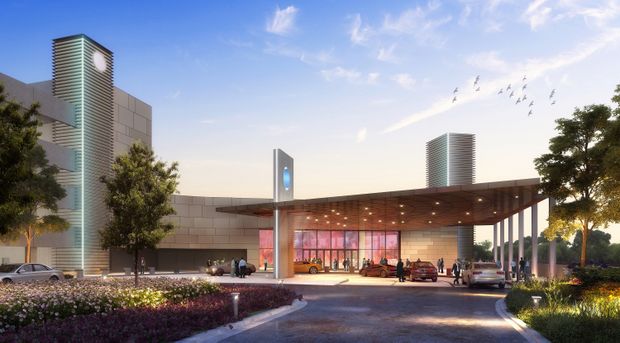
The amendments would allow the state and its two gaming tribes, the Mohegans and Mashantucket Pequots, to build a third satellite casino in East Windsor, just 14 miles from MGM Springfield in Massachusetts. MGM argues that the approvals were in violation of the Indian Gaming Regulatory Act (IGRA).

The unusual thing about the casino is that it is a tribal casino operating as a commercial casino on non-tribal land. It is also a joint venture of the two erstwhile rivals, who operate the Mohegan Sun and Foxwoods.

The amendments to the compacts were required to prevent the commercial casino from triggering a violation of the compacts, which mandate the tribes to pay 25 percent of their revenues to the state, unless the state allows a commercial competitor. The worry was that they might legally be considered a commercial competitor.

MGM filed its challenge in August. In the Interior’s response, the department’s attorneys argued that MGM sought “to recast these amendments as approval of the commercial gaming facility in order to argue that Interior failed to comply with inapplicable legal requirements.” The document continues “… (T)he amendments merely confirm that the operation of a state-sanctioned commercial facility by a state-charted tribal joint venture does not violate the exclusivity provisions of the tribes’ MOUs with the State.”

MGM has fought a scorched-earth campaign to slow down or halt construction of the East Windsor casino. It was largely successful in delaying the Interior action for longer than a year.

Its lawsuit followed a proposal in the Connecticut legislature that called for the tribes to invest in a commercial casino in the state’s largest city: Bridgeport. MGM had first made a proposal for a commercial casino in city. It argued that, even if the state lost the 25 percent payments from the tribes for breaking the compacts, that the Bridgeport casino would more than make up for that loss in tax payments resulting from tapping the New York City market.

Virginia Casino Backers Spreading the Word

Supporters of casinos in Bristol and Norfolk, Virginia are making moves to expedite developments in the two cities.

In Bristol, a new political action committee (PAC), Betting on Virginia Jobs, donated $311,500 to 50 state Senate and House campaigns in August and
September, according to Virginia Public Access Project data.

The PAC was established by the United Company President Jim McGlothin and Par Ventures Chief Executive Officer Clyde Stacy, who each contributed $50,000 to set up the PAC. Since then, the two men have donated $450,000 to it, individually or through their companies; United Company gave $225,000, Stacy contributed $125,000 and Par Ventures gave $100,000. Also, Bristol Casino Resort has hired eight registered lobbyists.

Earlier, state legislators gave preliminary approval to the $250 million Bristol Resort and Casino, along with casinos in Danville, Norfolk, Portsmouth and Richmond. Each would require a local referendum and the legislation must be re-enacted by the legislature. Legislators also are awaiting the results of an extensive study on the impacts of casino gambling, scheduled to be released in December, which was included in the preliminary measure.

In a statement, the developers said, “We know first-hand the significant challenges our local economy faces. These contributions help make sure our elected officials in Richmond also understand these challenges and the importance of finding solutions to these issues. This project will benefit residents in Bristol and across Southwest Virginia by bringing much-needed new jobs and additional tax revenue to the region. The PAC was formed for those interested in helping advocate for bringing jobs and economic development to the cities contemplated in the legislation allowing for casinos.”

The 90,000-square-foot casino would be located in the vacant Bristol Mall and would provide 5,200 new jobs, the developer said. According to the proposal, the designated cities and surrounding regions would receive additional tax revenue from the casinos. Analysts have estimated the Bristol casino would provide $26.8 million in annual tax dollars to the city.

The developers have projected the casino would generate $150 million in revenue in its first year of operation, with non-gaming revenue at $106 million.

In Norfolk, the city council approved selling waterfront property to the Pamunkey Tribe for a $700 million casino resort. But organizers of a petition drive to reverse that action recently said they had collected 3,500 of the necessary 4,000 valid signatures from registered local voters. The deadline to turn in the signatures was October 25. If the requirements are met, a city-wide referendum would be hld.

Some citizens are concerned about a new website created by the All In for Norfolk Casino organization, supporting the Pamunkey casino. The website seems to have been created by local residents; it lists eight as its “leadership,” including a Pamunkey tribal member. However, the website actually was generated by Richmond lobbying and public affairs firm Capital Results, which has represented the Pamunkey tribe since at least last year. The firm claims it uses “grassroots campaigns ”to “develop credibility for an issue campaign.”

Jay Smith, a partner at Capital Results, said the tribe “has not tried to hide the fact” it’s behind All In for Norfolk Casino. He noted, “The tribe is supporting this project and believes it’s important to have a voice.” Smith pointed out the All In for Norfolk Casino website and the one registered by the anti-casino petitioners NoNorfolkCasino.org both are owned by Contact Privacy Inc., which lists a Toronto address.

FTC OKs Caesars’ Sale of Rio Las Vegas

The U.S. Federal Trade Commission has given its OK to Caesars Entertainment’s $516.3 million sale of the Rio casino hotel in Las Vegas to a New York-based real estate group.

“The Federal Trade Commission has determined there are no anti-trust issues with the Rio sale,” a spokeswoman for Caesars said.

Caesars hopes to close the sale by the end of the year, pending shareholder and regulatory approval.

The buyer is one of the principals of Imperial Companies, headquartered in Manhattan, a real estate investment, development and management fund focused on mixed-use, residential and hospitality properties nationwide. Caesars will continue to operate the Rio under a multiyear lease of $45 million annually.

Caesars is involved in several other casino sales, mainly to its spinoff REIT, VICI Properties, as it prepares to be acquired by regional gaming giant Eldorado Resorts in a $17.3 billion cash, stock and debt transaction expected to close in the first half of 2020.

The 2,500-room Rio, located on Flamingo Road west of the Las Vegas Strip, opened under private ownership in January 1990 as a tropical-themed destination whose mix of high-end restaurants and adult-focused gambling and non-gambling entertainment exercised a significant influence on much of the Strip megaresort development that followed.

Caesars’ predecessor Harrah’s Entertainment acquired it in 1998 for $880 million in stock and assumed debt. Later, when Caesars bought the World Series of Poker, it sent the tournament there to boost the property’s then-fading fortunes. It’s expected the tournament will remain there for next year but will be moved after that, possibly to the $375 million Caesars Forum, a 550,000-square-foot conference and events center under construction behind the company’s Linq resort complex on the Strip.

A New Proposal for Massachusetts’ Region C

Massachusetts House Bill 4070, filed by Rep. Susan Williams Gifford, which would allow the Massachusetts Gaming Commission (MGC) to issue a full casino license or slot parlor license in Wareham, has been condemned by the state senator who also represents the area. A change in Bay State gaming law would be required for the project to happen.

The Notos Group has said it would like to invest $300 million in a mixed-use project there. The development firm is led by the O’Connell family of Quincy, who developed the Marina Bay complex and Granite Links Golf Club in that city.

The state’s 2011 gaming expansion act limited the number of commercial casinos to four, including one slots parlor. The slots license—the kind of license Notos is after—has already been given to the Plainridge Park casino in Plainville.

Notos founder Thomas O’Connell told South Coast Today, “We believe that our proposal is the ideal size for Southeastern Massachusetts, but our only goal in supporting Rep. Gifford’s bill is to be able to compete. The legislation does not favor any specific project or developer.”

The MGC would be authorized by the bill to entertain proposals and accept one of them within Region C, which encompasses the southeastern part of the state.

City officials, including the Wareham Town Administrator Derek Sullivan and member of the town’s Redevelopment Authority Richard Swenson, told committee members the slots parlor would give the economically challenged city a shot in the arm as well as help to revive the state’s moribund thoroughbred racing industry, which gets some money from casino revenues, but has so far not been able to revive after its last racetrack shut down near Boston.

Sullivan declared, “We believe that Region C, and in this case Wareham, deserves the opportunity to put forth a proposal that is the right fit for the region, one that will succeed and one that will be built.” He added, “Wareham deserves the opportunity because such a project would be transformative for our economically disadvantaged community.”

Senator Marc Pacheco, who represents Wareham, disagrees. He told the committee, “We are now having legislation filed to go way beyond what our collective vision was about three destination-based casinos and I don’t want to see Southeastern Massachusetts, Region C, treated differently than the other regions.” He added, “I think this legislation actually corrupts the process and legislation like it corrupts the process until we have completed the vision that we had for the commonwealth.”

He said his office has gotten numerous phone calls from people asking why the Notos group was getting special treatment, or whether lawmakers had cut a deal “to try to change the rules for one developer that wants to come through and not do the full destination-based casino.”

Swenson said studies have shown that the area can’t support a Las Vegas-style casino, but would be able to support a more modest slots parlor.

The commission has had difficulties in issuing a license for Region C, which includes the town of Taunton, where the Mashpee Wampanoag tribe has been trying to get permission to build the $1 billion First Light Resort and Casino, but has been stymied by a federal court ruling in a case brought by residents who opposed it.

When the Wampanoag casino was still viable, the commission declined to issue the state’s fourth license to a developer wanting to build at the Brockton Fairgrounds, which is just a few miles from Taunton, because it didn’t want to saturate the gaming market and hobble the tribal casino.

MGM Keeps Hopes Alive for Connecticut Casino

MGM Resorts International still hopes that it might be able to build a commercial casino in Connecticut’s largest city, Bridgeport.

Several months ago, MGM quietly renewed a contract giving it the option to develop a casino in Bridgeport Harbor on land controlled by the RCI Group. The option was renewed in September.

Two years ago, in the midst of its very public fight with Connecticut’s two gaming tribes, the Mohegans and the Mashantucket Pequots, MGM added spice to the battle by proposing a $675 million casino across the harbor from RCI’s Steelpointe Harbor mixed-use development. The plan included a dock, a marina, a retail quarter, entertainment venues and a residential component.

Renewing the option by itself does nothing except act as a placeholder. But it makes it plain that MGM is not giving up its turf battle with the gaming tribes. Its $976 million MGM Springfield, which opened in August, and the Empire City Casino in Yonkers, which it manages, compete with the Mohegan tribe, which runs Mohegan Sun in Uncasville, Connecticut, Sun and Foxwoods Resort Casino, in Ledyard.

The tribes have always regarded MGM Springfield as an existential threat, and they successfully lobbied the legislature to allow them to build a $300 million satellite commercial casino in East Windsor, 14 miles from Springfield, to blunt MGM’s effect on their bottom line. The erstwhile rivals formed MMCT Venture as a joint authority to build that casino.

MGM used all means available, including legal challenges and political influence, to put roadblocks in the way of that casino development. Currently MGM has a federal lawsuit pending against the U.S. Department of the Interior, challenging the legality of its action that allowed the tribes to amend their tribal state gaming compacts so they could build a commercial casino.

Pushing the Bridgeport casino plan, MGM argued to pay the state more in taxes from that lucrative market than the $240 million the tribes paid last year as their 25 percent of slots revenue.

Connecticut Governor Ned Lamont is trying to act as broker between the tribes and the legislature as they try to come up with an acceptable plan for legalizing sports betting as well as a casino in Bridgeport. So far, that’s gone nowhere.

MGM continues to press for an open bidding process that would allow it a chance to bid for the Bridgeport license. It won the support of the House last year, but did not get any support in the Senate for a vote.

Last week, hoping to spark some movement, Senator Dennis Bradley, whose district includes Bridgeport, wrote a letter to Governor Lamont asking him to call a special session of the legislature to vote on a plan that would allow the tribes to build the Bridgeport casino. Bradley is the co-chairman of the public safety committee, which has oversight on gaming issues.

Commenting on the governor’s recent speech that mentioned the possibility of a casino in Bridgeport, the senator said Lamont “seemed to ignore that fact that we already have legislation that has bipartisan support in both the House and the Senate just waiting for the call of a special session.”

He added, “Since the end of the legislative session, my colleagues and I have had discussions with both the Mohegan and Mashantucket Pequot tribes about the kind of investment that would lay the foundation for real success in Bridgeport. The $100 million direct investment from the tribes, part of a $300 million dollar economic development project, is exactly the kind of new foundation we want to set in our city.”

His letter concluded, “You’ve said from the beginning that whatever agreement is reached is ‘going to have include Bridgeport.’ I can’t thank you enough for advocating so strongly in favor of the interests of our city. I would urge you to support the Connecticut Jobs and Revenue Act so we can bring these plans to fruition.”

U.S. Operator Unveils Athens IR Plans

Mohegan Gaming & Entertainment (MGE) has disclosed images of its planned integrated resort near Athens, Greece. MGE is facing off with just one other global operator, Hard Rock International, for the right to develop and operate the IR, which will be part of a sprawling €8 billion (US$8.84 billion) development at the abandoned Hellenikon International Airport.

For 18 years, lawmakers have planned and then delayed plans to transform the neglected site. An “urban park” there is expected to include convention facilities and a casino with at least 1,200 slot machines and a minimum of 120 table games, as well as a luxury hotel, entertainment venues and a sports center. The destination is projected to be an economic gamechanger in the area and a linchpin for growth supported by the New Democracy government, which succeeded the former ruling Radical Left Syriza and its anti-foreign business elements.

The two confirmed contenders are Mohegan Gaming and Hard Rock International, both U.S.-based tribal corporations. The new conservative government has promised that the winning bidder will be named next month.

Sounding confident in a recent interview, Mohegan Gaming CEO Mario Kontomakeros said his company’s raring to go. “We’re ready to begin as soon as we receive all the necessary approvals,” he said. “We want to start as fast as possible.”

He said construction of the resort, to be called Inspire Athens, will take 24 to 36 months to complete. Renderings of Inspire show two skyscrapers that bring to mind the Caryatids, female sculptures used to support a temple on Acropolis Hill.

The development is designed to boost tourism growth and economic prosperity for Greece. The iconic design of the building was created by Steelman Partners.

“It is our hope that Inspire Athens would be the catalyst that sparks the entire development of the Hellinikon area into the coveted Athenian Riviera, forever redefining the modern identity of Greece,” said Kontomerkos. “Our overarching design was meant to be iconic in nature, yet characterize Athens’s historic architecture and rich culture while adopting a new stylistic narrative that inspires the region’s future.”

He pointed with pride to his own heritage as a Greek-American and said the project should create more than 7,000 direct and indirect temporary and gull-time jobs in the region.

The casino resort is projected to increase international tourism in the Attica region by at least 10 percent and contribute millions of euros annually to both the government and the people of Greece in the form of taxes, infrastructure improvement, and public services.

Greece, which has been recovering after a multi-year economic crisis, saw record tourist arrivals in 2018 of 33 million people and expects a similar number this year.

The winner of the tender of the Hellinikon casino, to be built at the former Hellenikon airport close to the Greek capital, will be announced in two months’ time, according to Greek Development & Investments Minister Adonis Georgiadis.

“We are aware that we need new jobs, as well as investments. Hellinikon will represent the Greece we want to create, a Greece that produces wealth. Investments of this kind, implemented with respect to the environment and local communities will change the country,” Georgiadis said.

Hard Rock said it’s putting its best foot forward in its bid. “We have been offering our services to the Greeks for three decades and look forward to making this already strong bond even stronger for many more years,” said John Eder, executive vice president and chief financial officer of Hard Rock International.

Chairman and CEO Jim Allen added, ”We have always believed Athens to be one of the world’s great gateway cities and Hard Rock International envisions creating a must see destination that will help draw from the over 120m annual guests across 74 countries, driving year-round tourism and being an economic driver for Greece. This marks another step in the company’s efforts to expand our world-class brand of entertainment and hospitality to Europe.”

The overall project is being led by Lamda Development plans to turn the disused Hellenikon airport in Greece’s capital into a complex of luxury residences, hotels, a yachting marina and a casino.

Encore Boston Harbor President Bows Out

Four months after opening the $2.3 billion Encore Boston Harbor, the culmination of a five-year effort, Encore Boston Harbor President Robert DeSalvio is stepping down from the Everett-based mega-casino.

His replacement will be Brian Gullbrants, who is stepping up from leading hotel food and beverage operations. No reason was given for DeSalvio’s departure.

Gullbrants, his replacement, led the 2008 opening of the hotel at Encore Las Vegas. He has been in charge of opening the hotels at Wynn Las Vegas and Encore hotels since 2011. He came to Wynn following two decades at the Ritz-Carlton Hotel Company, where he was vice president of operations.

Wynn Resorts CEO Matt Maddox praised DeSalvio’s ability “to both manage a complicated construction process while listening to the needs of key stakeholders was essential to our success.”

DeSalvio led the casino’s construction. He provided a steady hand during the traumatic suitability hearings with the Massachusetts Gaming Commission that followed the rapid resignation and flushing down the corporate memory hole of founder Steve Wynn for alleged sexual misconduct over the decades, including a $7.5 million payoff of one of his accusers. He was also there when the company briefly flirted with selling the Encore Boston Harbor to rival Bay state casino operator MGM Resorts International. He opened the casino on June 21.

Since opening, the Boston-area casino has earned almost universal plaudits. Forbes named it one of the best casino hotels and resorts in its 2019 Travel Guide.

Before joining Wynn, DeSalvio was president of Sands Casino Resort in Bethlehem.

More shuffling was announced at the property: Jenny Holaday has been hired as executive vice president of operations and Eric Kraus will be senior vice president of communications and public affairs. Holaday formerly worked as a senior marketing vice president at Caesars Atlantic City. Kraus is a Boston native and former executive with the Gillette Company.

Since Encore Boston Harbor’s opening it’s recorded “strong” table game revenues and “soft” slot revenues, according to a report that DeSalvio made to the MGC in September. Slots revenue concerns the company, DeSalvio told the commission last month. He said Wynn was exploring ways to up those revenues.

He said in September, “We’re actually adding a few more tables on the casino floor as we speak, but I will tell you the slots business has been soft.”

Encore earned $48.9 million in total gaming revenue in September, three months after opening its doors. Of that, $27 million came from gaming tables and $21.8 million from slots. That is compared to $52 million for August.

Encore’s rival, MGM Springfield, earned $19.8 million total in September, with Plainridge Park Casino following up in the rear with $11.5 million.

The revenue reports given to the MGC do not include profits from restaurants, hotels and other amenities when applicable. So far Wynn Resorts has not shared full earnings reports on the Boston-area casino, although in a second quarter earnings call it indicated that the Encore made $2 million daily the first eight days.

Rhode Island City Delays Casino Redevelopment

Newport, Rhode Island’s City Council voted last week to apply a six-month moratorium to decisions for developing a site where the Newport Grand Casino operated for decades before being relocated to Tiverton.

This site has been designated as a mixed-use innovation district with a $100 million redevelopment project planned. The developer, the Carpionato Group called the vote “unfortunate” and declared that the delay “hurts this $100 million project, the innovation district and the surrounding neighbors.”

Gregg Perry, spokesman for the group, said many critics feel that the project had been fast-tracked, something he said “is simply not true.”

He told the Patch: “Indeed, we never expected this project to be approved and permitted overnight … The real issue here is that development is happening in Newport, and apparently there are some people who are nervous about that progress, but singling out one area of the city for a moratorium like this is the wrong way to go about addressing those concerns. In terms of next steps, all options are on the table.”

The Newport Grand closed last year. The redevelopment plan includes a 52,000-square-foot resort with two hotels, two six-story apartment buildings, and 65,000 square feet of retail shopping and parking. The goal is to drive tourism to the area during the off-season.

Chicago Weighs Casino Options

In advance of the Illinois legislature’s upcoming veto session, Chicago Mayor Lori Lightfoot met with state lawmakers from the Windy City to discuss two proposals “to help ensure the Chicago casino is viable,” she said.

One option would make the casino a “public structure” with the city and state sharing the gaming license; the other option would have the casino privately owned and operated. Either proposal would require the state legislature to approve lower taxes than the rate included into the new gambling law Governor J.B. Pritzker signed earlier this year. “We’re looking at two different models, obviously changing the tax structure so that a private operator can be successful and we’ll see what happens,” Lightfoot said.

The mayor said she wants the legislature to reduce the effective tax rate on a Chicago casino from 72 percent to 45 percent, with 51 percent of tax revenue going to the state and the 49 percent to the city. Earlier this month a feasibility study called the 72 percent tax rate “very onerous.”

House Majority Leader Greg Harris said Lightfoot’s proposal to lower the tax rate will face challenges since the same tax structure would apply to the state’s 10 existing casinos and horse racetracks and the six new casinos authorized in the new gambling bill.

“It’s going to be a big lift to get it done this fall,” Harris said. He added setting up a joint city-state entity to hold the casino license would “be a bit leap.”

Several lawmakers at the meeting also raised concerns about the ethics of the city and the state being directly in the casino business, Harris said. Pritzker’s spokeswoman Emily Bittner said the governor “remains open to a number of approaches for making the Chicago casino successful, but with regard to public ownership, our administration would need to ensure that the challenges of public ownership are fully understood and addressed.”

Lightfoot said he wants to reopen talks about public ownership to give Pritzker and legislators options. “We don’t want to just say, ‘Hey here’s a problem, you legislature, you governor, fix it.’ It’s incumbent upon us to take responsibility and we’ve done that I think in a responsible way by giving two options that the legislature can choose from,” Lightfoot said.

State Rep. Bob Rita, the chief sponsor of the new gambling law, said a Chicago casino deal could be accomplished during the veto session. “There’s a lot of time left, even though the clock is ticking. What we need to do is get the stakeholders together and see how we can work through some of the issues we faced in the spring. You propose one idea, it creates three other issues. You have to have the right mix,” he said.

Harris noted, “Everything about casinos is complicated. To the extent that this is also complicated, I wasn’t really surprised. Any casino bill is always a big lift in the legislature. We’ve seen that for years and years. So, we’ll have to wait and see. At least now there is a proposal for people to react to. That’s helpful.”

In a recent radio interview, Lightfoot said a Chicago casino has the potential to become a “structural fix” for under-funded police and fire pensions and become a “transformative way to address” skyrocketing city payments to those funds. But that requires a more reasonable tax on a Chicago casino.

“People recognize that we’ve got to change the structure. Now, we’re just thinking about, how do we do that. We’ve got two vehicles that we’re looking at. They’re very different. But I feel like we’re in a good position headed into the veto session,” Lightfoot said.

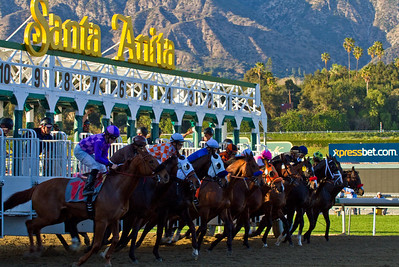
34th Horse Dies at Santa Anita Racetrack

The 34th horse to die at Southern California’s Santa Anita Racetrack since December was a three-year-old gelding that stumbled during the fifth race on October 19 and fractured its left front ankle.

The track’s veterinarian euthanized the horse. The Stronach Group, which owns the racetrack, announced that there will be a necropsy of the horse to determine if there was something that might have been done to prevent the accident. The group has also promised to work with the California Horse Racing Board to investigate the death.

Re-Licensing Under Way for First Massachusetts Gaming Location

The Massachusetts Gaming Commission began work to create a process for renewing the license for Plainridge Park Casino (PPC). The slots parlor, operated by Penn National Gaming, was the first of the Bay State’s gaming enterprises to be approved under the 2011 gaming expansion law, but that law doesn’t give any guidance for renewals. That is left up to the commission.

At last week’s commission meeting Karen Wells, director of the Investigations and Enforcement Bureau asked for a general policy directive from the panel on how to proceed with the renewal. “. . . So we know what we’re expected to do for this renewal.” She added, “And the range could be from the deep dive to do nothing, and, you know, because there’s ongoing suitability.”

The property’s five year license expires June 2020. Wells suggested a process for renewal that would be similar to what the IEB uses for slot and table game manufacturers.

The property had already been a simulcast horse wagering park since 1999. But in 2015 slots debuted. Under state law, the PPC is classified as a Category 2 casino, while the other two casinos are classified as Category 1. PPC is taxed at 49 percent of gross revenue. It has paid $336.93 million to the state since opening. Category 2 casinos must renew their licenses every five years while Category 1 casino licenses are renewed every 15 years.

Wells told the commission: “As we’ve discussed, once license suitability is ongoing and the burden is on the applicant to maintain that suitability and provide information to the commission, there is a continuing duty to report. And our experience with Penn National is they have a very good system of reporting.”

Wells would like to use that system, and the Penn employees whose job it is to keep IEB informed and who work closely with it, to create a renewal plan that won’t be reinventing the wheel.

Commissioners said they would also like to use the slots renewal as a template for when MGM Springfield’s license comes up for renewal.

Chairman Cathy Judd-Stein commented, “I can say more affirmatively, to use these critical resources to really duplicate efforts that have already been done.” She added, “So I would just reiterate that a decision to not do the quote, unquote, deep dive at this time is in no way compromising, or in any way not indicating the importance of our vigilance. It’s that we have been vigilant during the course of the period.”

PA Sports Wagers Hit $200 Million in September

The start of the NFL football season last month sent the nascent Pennsylvania sports betting market to new levels, as operators recorded nearly $200 million in wagers for September.

According to numbers released by the Pennsylvania Gaming Control Board, around $195 million in bets were recorded in September by Pennsylvania retail and online sports books, nearly double the $109 million in wagers recorded in August. According to the board, the wagers generated a total of $15 million in revenue, with two-thirds of that generated through online bets.

After launching later than some sportsbooks, FanDuel already is dominating the market, with more than $89 million of the handle. That number comes in large part from FanDuel’s mobile sports betting app.

FanDuel generated more than a third of all state sports betting revenue—$5.1 million. SugarHouse Sportsbook came in second with almost $38 million in handle. When combined with its sister property in Pittsburgh, Rivers Casino, handle approaches $70 million. Both casinos/sportsbooks are under the Rush Street Gaming umbrella. They combined for almost $5 million in revenue, $2.9 million by SugarHouse.

UFC, IMG Arena Strike Deal for Enhanced Real-Time Betting

Ultimate Fighting Championship (UFC), the Las Vegas-based mixed martial arts organization, has partnered with IMG Arena to launch the UFC Event Center, providing bettors with a host of new options for live betting during fights. This marks the first in-game wagering for UFC as well as the first sports betting product created specifically for a major sports brand.

The partnership is set to launch in the first quarter of 2020.

The UFC Event Center will immerse fans in unique and official content every second of every round. A wealth of live, time-stamped data points will open a huge range of new betting opportunities, including reversals, knockdowns, submissions, takedown attempts, and takedowns landed.

Among the highlights of the agreement:

  • Live in-round betting for every UFC event globally
  • Official data delivery in less than two seconds
  • Immediate bet settlement
  • Live betting data points such as knock downs; submissions; takedown attempts; takedowns landed, all to provide new betting options
  • Live statistics
  • More than 50 betting opportunities, including 20 new wagers updated in real time

The partnership also provides fighter information and rankings, weight class, division, along with 3D visualizations.

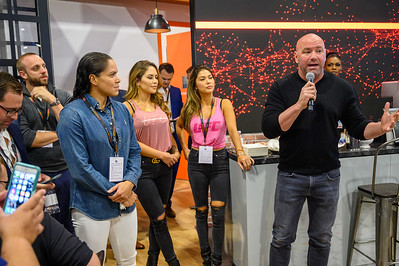
“The UFC Event Center and its official data feed will be a game changer for how UFC fans engage with our events through sportsbooks and gaming operators,” said UFC President Dana White in a news release. “We have the most passionate, die-hard fans of any sport, and they’re going to love the option to place bets live during a fight. Betting operators are also going to love this product because, unlike other sports, UFC has no off season. The action will be non-stop for fans and sportsbook operators.”

Freddie Longe, executive vice president and managing director of London-based IMG Arena said: “The UFC brand is extremely powerful and already resonates strongly with the key demographics of global sports betting consumers. Through this partnership, we have been able to develop official products that will help unlock significant value for both UFC and our global sports betting partners.”

Official data from UFC will be available to sportsbooks for a licensing fee and a share of gross gaming yield for data access.

“In-game betting is the fastest-growing part of the sports-gaming industry,” Lawrence Epstein, UFC’s chief operating officer, told Bloomberg. “Some of the stuff we’re doing is stuff that hasn’t been done with respect to UFC in the past.”

Prior to this deal, 92 percent of UFC betting occurred before the fight, with bets such as which fighter will win, total rounds for the fight and the method of victory. New potential wagering options will include odds on number of takedown attempts, total strikes landed, if a fighter is knocked down and the amount of time a fighter spends on the mat, among others.

Though almost every U.S. sports entity is trying to capitalize on gambling, UFC’s approach is different from its peers. Leagues like the NBA, NHL and MLB have crafted deals with data companies to create betting products, and separate marketing deals with sportsbooks to license their logos. UFC has chosen to do it all in one package, according to Bloomberg.

IMG Arena acts as a middleman between sports organizations and betting operators. Its traditional sports partners include tennis’s ATP World Tour and golf’s PGA Tour, and it works with more than 300 operators around the world.

Epstein told Bloomberg he’s witnessed first-hand how gambling availability drives interest. “It’s fun to go to a Vegas sportsbook at 11 o’clock at night and watch everybody go crazy over the University of Hawaii game, which no one would care about but for the fact that it’s the only college-football game left,” he said.

Philadelphia 76ers, Parx Forge Multi-Platform Partnership

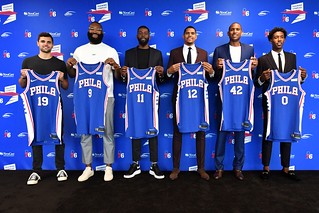
Parx Casino, in the Philadelphia suburb of Bensalem, has become the latest gaming operator to partner with a major professional sports team. Parx and the NBA’s Philadelphia 76ers have announced a multi-year, multi-platform partnership in which Parx will be the presenting partner for the team’s official dance squad, the Sixers Dream Team. The casino also will sponsor the Sixers Halftime Radio Show for all regular season games.

“Parx Casino is proud to partner with such a legendary organization as the Philadelphia 76ers,” said Marc Oppenheimer, chief marketing officer of Parx parent Greenwood Gaming. “With their passionate fan base and unique attributes including the famed Dream Team, it’s the perfect new partner for the No. 1 casino in Pennsylvania.”

As the presenting partner for the Sixers Dream Team, Parx will be featured in a co-branded logo for use on the scoreboard in the arena, as well as on Sixers Dream Team warm-up uniforms, trading cards, web pages on Sixers.com, and any other Sixers Dream Team materials produced throughout the partnership. Parx will also be included in public address announcements regarding the Sixers Dream Team during home games.

Parx will additionally serve as the host for the Sixers Dream Team Final Audition, which takes place next July. The event is open to the public (ages 21 and over), and will serve as a showcase for the ladies vying for a spot on the Sixers Dream Team. (More details about the Sixers Dream Team Final Auditions, presented by Parx Casino®, will be released at a later date.)

Parx will present the Sixers Halftime Radio Show, which features interviews with home and visiting players, front office staff and other guests, conducted by Sixers Radio broadcaster Tom McGinnis.

The multi-year partnership names Parx Casino the team’s first-ever “Official Winning Partner of the Philadelphia 76ers,” according to a press release.

For each 76ers regular-season victory this season, Parx Casino will activate the “Win for All” promotion, providing a bonus free play offer through the Parx online and mobile casino gaming products. Fans who are 21 and over within a 150-mile radius of Philadelphia will be eligible for this offer. 76ers fans may redeem the offer by using a custom promo code provided by Parx Casino that will be advertised in-game, on social and radio.

The bonus offer will begin at $25 per victory until the 76ers reach their 26th win. After that, the bonus offer will begin corresponding with the 76ers’ victory count. For example, the 30th victory would result in a $30 bonus. Parx Casino also is offering 76ers fans with special bonus offers for certain games, like Christmas Day, against the Milwaukee Bucks, the 76ers’ first Christmas home game since 1988.

“On the eve of the 2019-20 season, we are proud to announce a partnership with Parx Casino that will create an interactive opportunity between our fans and Parx Casino’s gaming platforms,” Philadelphia 76ers President Chris Heck said in a press release. “The ‘Win for All’ promotion provides a creative avenue for fans to interact with our first-ever ‘Official Winning Partner’ and plays upon the competitive spirit of Philadelphia fans.”

Matthew Cullen, Parx Casino senior vice president of interactive gaming and sports, said the casino is excited about this opportunity with the 76ers. “It is great to bring two highly recognized, successful and popular Philadelphia area brands together,” he said. “We look forward to a mutually beneficial partnership that drives Parx guests to support the 76ers and gives 76ers fans reasons to interact with Parx Casino both at the Bensalem property and via online casino products.”

Visa to Roll Out at Sportsbooks

Sports betting has not been a pastime paid for through Visa. That oversight is on the way out.

Visa appears ready to establish a considerable presence inside brick-and-mortar sportsbooks nationwide. The company hopes to roll out Visa use at sportsbook windows in some jurisdictions within the next month, said Christopher Granger, U.S. Gaming & Lottery Lead at Visa Inc.

“It’s no surprise, the biggest time of the year in the U.S. for sports wagering is the NFL season,” Granger told Sports Handle. “We have a short window, so we’re trying to work with operators to at least get some test trials out there.”

Operators in a handful of states already accept Visa and MasterCard transactions for online sports betting. Visa, the world’s second-largest card organization, also offers deposit options at select sportsbooks outside the U.S.

Once customers can hand their Visa card at betting windows, the company is leaning toward accepting so-called “ready funds cards,” for sports wagers, Granger said. The payment delivery resembles a debit card, more than a credit card. The stipulation will require a customer to place a wager from their own funds, rather than an extension of credit.

Visa’s main competition in the sports betting space is from cash itself, Granger said during a panel session at the 2019 Global Gaming Expo recently held in Las Vegas. Although bettors are gradually migrating to mobile payments, sportsbooks for decades have accepted cash-only payments at their windows.

Online, numerous sportsbooks currently allow bettors to deposit funds into their wagering accounts from third-party vendors such as PayPal and Neteller. In turn, the PayPal accounts are linked to a customer’s checking account. But within the next two years, Visa could launch an omni-channel solution for gaming through a digital wallet. Experts see a cashless world where bettors might use the wallet to fund wagers inside a physical sportsbook and on the casino floor for slot machine credits.

Instead of making multiple trips to an ATM and a casino cage, a bettor will be able to manage funds on the same app with a single transaction. “Let’s electronify the space, get rid of cash and make it so it’s a more transparent and efficient way to transact a payment transaction,” Granger said.

During his keynote speech at G2E, former New Jersey Governor Chris Christie also addressed the topic of mobile betting among millennials and their preference for making transactions without cash. Christie shared an anecdote about how his 26-year-old-son tipped a valet through a Venmo transaction at a recent wedding, to illustrate millennials’ aversion for cash.

“If you don’t make mobile easy and accessible, they will not bet,” Christie said. “They just won’t.”

Prior to legalized sports betting in New Jersey, Boston College Professor Richard McGowan authored a study in which he found that Garden State residents spend an average of $340.70 per year on gambling. DraftKings CEO Jason Robins noted at a December 2018 gaming conference that the median bet at DraftKings Sportsbook remained under $10. Since then, there’s been little change in DraftKings’ median bet amounts, a DraftKings spokesman said.

Visa learned that most sports betting transactions fall into a range between $50 and $100, Granger said. The trends indicate that many bettors prefer to keep individual wagers around $10, while placing multiple bets under a single transaction. A bettor who places five separate $10 parlays on an NFL Sunday fits the profile.

Issuers have the right to set their own limits per transaction at the betting window, Granger said.

New Jersey Division of Gaming Enforcement regulations allow for card acceptance in a face-to-face environment at brick-and-mortar sportsbooks, a spokesman said. The division, however, does not regulate merchant or interchange fees.

But before Visa tests the concept, the company has to deliver the payment devices to partnering sportsbooks, while ticket writers must complete card payment training.

“We just need to get over the operational hurdles,” Granger said.

Iowa, Indiana Celebrate Sports Betting’s First Month

Sports betting brought in more than $35 million in both Iowa and Indiana during September, the first full month of legalized sports wagering.

According to the Iowa Racing and Gaming Commission, in September, the first full month of legalized sports betting, gamblers spent $38.5 million in wagers with net revenue of $4.95 million and a hold of 12.9 percent. Nearly $21.8 million, or 56.6 percent, of the casinos’ total September handle came from mobile betting. Prairie Meadows in Altoona accounted for $14.526 million of the state’s sports betting total with $12.963 million, of which 89.2 percent came from mobile betting—nearly four times the handle of the number two casino, Ameristar in Council Bluffs with $3.8 million. It’s not taking mobile wagers yet.

The figures include 15 of Iowa’s 18 licensed casinos that were processing wagers in September. The state’s three Wild Rose properties launched sports wagering earlier this month.

The state of Iowa receives 6.75 percent in tax revenue on casinos’ net receipts. According to IRGC data, the September total for the state was $334,553; for the two weeks sports betting was legal in August, the state netted about $146,000 in taxes.

Iowa Racing and Gaming Commission Administrator Brian Ohorilko said,

“We’re still hearing reports on Saturdays and Sundays that there are lines out the doors of many sportsbooks. So we’ve definitely seen some big days.”

Ohorilko noted under state law, bettors must place a bet in-person at an Iowa casino or register on-site for the casino’s mobile app. That rule could be a contributor to the 7 percent increase in casino revenue so far in the 2020 fiscal year, which began July 1, Ohorilko said. Table game receipts also have grown 6 percent in the past three months, he added. “Iowa is generally a very predictable market, trending a point or two up or down. It’s still early, but it makes you wonder if there is a trickle-in effect, at least so far,” Ohorilko stated.

He also said DraftKings and FanDuel are on the verge of launching daily fantasy sports in the state. Previously it was hoped DFS would be operational prior to the start of the National Football League season. But Ohorilko said DFS operators claimed Iowa’s regulations were tougher than other states. The IRGC brought in a third independent testing lab to do initial testing for the companies’ equipment and systems, leading to delays.

In Indiana, sports betting launched at 10 of the state’s 13 casinos on September 1, just in time for the first game of the 2019-2020 National Football League season. Indiana Gaming Commission figures show the state’s new sportsbooks took in $35.2 million in handle and generated $813,103 in tax revenue. Horseshoe Hammond casino in suburban Chicago led the rest with $8.9 million in handle.

The vast majority of bettors placed $20.7 million in wagers on the NFL and college football. Parlays were the second most popular wager at $9.8 million in handle, followed by baseball at $3.44 million, “other” at $449,000 and basketball at $120,000.

The sportsbooks brought in $8.56 million in taxable revenue; Indiana’s tax rate on sportsbook revenue is 9.5 percent.

The September figures only reflect on-site betting. Indiana’s first mobile app went live October 3 with the launches of Rush Street Interactive’s BetRivers.com and DraftKings’ app.

Harrah’s Hoosier Park figures also included handle from its off-track betting sites in Indianapolis and New Haven, and Indiana Grand’s handle includes wagers placed at its Clarksville OTB.

Rhode Island Sports Betting Signs Up 12K in a Month

Rhode Island’s mobile sports betting app has signed up over 12,000 people since it launched in September. Fewer than half of those have activated their accounts, however.

State law requires that players go to one of the two casinos in Rhode Island that are owned by Twin River World Holdings (TRWH) to activate their accounts in person.

That means about 6,000 have placed bets using the app or online. However, a spokesman for the state lottery said the numbers were “very good” and pointed out that about 600 are signing up each week. Sports betting is only allowed by persons physically within the state.

According to the spokesman, the state is doing “extremely well” on how much it is keeping after winnings are paid out. In the sixth week after the program was unveiled, bets on NFL games totaled $17.9 million with payouts being $15.8 million.

There was bad news overall for the state’s gaming revenue, which is Rhode Island’s third largest source of governmental revenue. According to the lottery, net revenue from all forms of gaming is $400 million so far, which is $17.4 million less than anticipated.

Slots revenue at the state’s largest casino, Twin River, was 14 percent less than last year and table game revenue was 20 percent less. The decline is being blamed on the opening in June of Wynn Resorts’ Encore Boston Harbor.

Judge: No-Bid DC Sports Betting Contract Likely Legal

Judge John M. Campbell of Washington, D.C. Superior Court recently ruled that the D.C. Council probably did not violate the law when it granted a no-bid, $215 million contract to Intralot, which already manages the district’s lottery, to create a sports betting app. The D.C. Council approved the Intralot contract in July in a 7-5 vote.

D.C. resident Dylan Carragher had filed a lawsuit against the city, claiming he planned to create an app to compete in the potentially lucrative sports betting market. His lawsuit claimed the no-bid contract violated the city’s Home Rule Act. Carragher sought a preliminary injunction to stop the city and Intralot from continuing to work on the app.

In denying the request for the preliminary injunction, Campbell said, “We can spend all day debating whether it’s a good idea or not. We can debate all day whether the Council should have done it. But it was clearly and plainly within the Council’s authority. It’s been done before, and it will probably be done again.” The decision reverses another judge’s ruling from late September.

Donald Temple, Carragher’s attorney, said will continue to pursue the issue. A hearing could take place next month on the merits of the lawsuit, or in a separate appeal, he said. “It’s clearly a disturbing opinion and contradicts the case law,” he said.

Intralot officials said the sports betting app, which will be accessible throughout the city, is expected to launch in January. Other apps will work in D.C., but only within designated sports betting facilities.

Last year an analysis estimated sports betting would generate $7.7 million in revenue for the city during the 2019 fiscal year, $26 million for 2020 and $28.3 million for 2021. Because of like the lawsuit, estimates were adjusted to $17.1 million for the 2020 fiscal year and $27 million for 2021.

D.C. Council Chairman Phil Mendelson said he was “glad the court has given this the green light. The fact is that we’re going to see sports betting with a mobile application expand among many states over the next several years, and there’s no reason the District should be left behind.” D.C. Lottery spokeswoman Nicole Jordan added the agency is “fully focused on resuming the modernization of the Lottery and implementation of sports wagering in the District.”

PGA Seeks Data Mandate

As Ohio lawmakers consider the sports betting legislation House Bill 194, members of the Ohio House Finance Committee recently discussed with Professional Golf Association officials the issue of sportsbooks’ use of official league data.

PGA Senior Vice President of Tournament Administration Andy Levinson, also speaking for the National Basketball Association and Major League Baseball, said, “Betting is requiring more complex data and we have built the technology and infrastructure to collect that data. It takes an immense amount of technology and manpower to collect accurate and real-time data. We spent an enormous amount of money building these systems.”

Levinson stated leagues have been supplying sports data for years and have the right to profit from that and any other services they provide. He noted the data would have to be purchased for in-game betting, not for straight bets.

Lawmakers said the leagues already have an obligation to enforce the integrity of their activities and they have been doing that for decades. State Rep. Dave Greenspan asked Levinson, “If the altruistic purpose is integrity of the game and not the dollar bill, would you be supportive of that amendment to offer the data for free?” Levinson responded that the leagues would not support that.

Levinson also responded negatively to state Rep. Jim Butler’s question: if leagues will receive more viewership through legalized gambling—meaning more advertising revenue—wouldn’t be enough of an incentive to not require the purchase of official league data? Levinson said viewership would not increase immediately and it would take time for leagues to benefit from any additional ad revenue.

FOX Bet Signs Deal with MLB for Mobile Sports Betting

FOX Bet signed a new multi-year deal October 15 that makes the mobile sports betting product an authorized gaming operator of Major League Baseball in the United States.

As part of the agreement, FOX Bet has the right to use MLB’s official data feed and league marks across its FOX Bet sports betting app and FOX Sports Super 6, FOX Bet’s free-to-play game available nationwide.

“We continue to see a great appetite for the FOX Bet app as well as FOX Sports Super 6,” said Robin Chhabra, CEO of FOX Bet. “Having a partnership with MLB provides a better experience for our customers and comes just in time as the World Series kick into high gear.”

FOX Bet is an online and mobile sports betting product that was developed through a first-of-its kind national media and sports wagering partnership in the United States between The Stars Group Inc. and FOX Sports, a unit of Fox Corp.

As The Stars Group’s U.S. sports betting business, FOX Bet currently operates in New Jersey and Pennsylvania. The FOX Sports Super 6 launched nationwide in September giving players a chance to win hundreds of thousands of dollars each week. FOX Bet plans to expand its business nationwide as additional states legalize online sports betting.

“Adding The Stars Group and FOX Bet to our authorized gaming operator program continues our vision for ensuring we are serving fans with opportunity and choice,” said Kenny Gersh, MLB executive vice president for gaming and new business ventures. “Our official data feed, including real time and reliable game statistics, and league marks will enable The Stars Group to build unique and engaging gaming products around our sport.”

The Stars Group and MLB will also collaborate on responsible gaming and partner on best-in-class practices to protect the integrity of MLB games.