Author: Casino Connection Staff

Florida Faces Obstacles in Quest for Sports Betting

Sports betting has spread to states large and small. Florida is not one of them, despite hosting the Super Bowl in Miami last weekend, and planning to host it next year in Tampa. While discussions are ongoing in Tallahassee, when and if remain in question thanks to unique factors, chief among them, the Seminole tribe and Amendment 3.

The Seminoles’ compact with the state lapsed when the government failed to crack down on designated card games at pari-mutuel venues throughout Florida. As a result, the tribe stopped paying the state $350 million a year.

Legislators are dickering with ways to negotiate a new compact, one with a sports betting component. Should that fail, Amendment 3 could stand in the way of approving sports betting. That amendment requires any expansion of gambling to seek voter approval. Expansion under the Seminole compact would be exempt from the amendment dictates.

“The legislature could choose to work with the tribe and put in place a new compact, that would not have to be approved by Amendment 3,” said Marc Dunbar, who teaches gambling law at Florida State’s Law School and represents the Seminole Tribe.

“Other than that,” he told 10 News in St. Petersburg, “Amendment 3 pretty much closed the door on the legislature’s ability to unilaterally expand gambling to try and get some of the new offerings, such as sports wagering.”

Still, Senator Jeff Brandes has filed legislation that would allow certain types of sports gambling under the auspices of the Florida Lottery, which may not call Amendment 3 into play.

Governor Ron DeSantis may be the biggest factor moving forward, Dunbar said. “In reality, Governor DeSantis has all the cards in this,” he said. “The statute is clear as it relates to a tribal compact, it must initiate with the governor. And, on the back side of it, any legislation has to be signed by the governor.”

Truth be told, sports gambling doesn’t offer a huge windfall for states like Florida. But it does provide indirect benefits. In Nevada, sport gambling is only about 2 percent of the overall gambling picture, said gaming experts and historian David Schwartz, of the University of Nevada in Las Vegas.

“Obviously you’ve got a tax on that small percent,” Schwartz said. “The main idea, I think, isn’t so much using it to generate revenue, even though that’s a concern for a lot of lawmakers, It’s saying people and citizens want to do this, why not have them be able to do it legally which has a lot of public policy benefits where they’re not doing it with illegal bookmakers.”

According to the Tampa Bay Times, House and Senate leaders confirmed on January 27 they are engaged in an effort to reach a deal with the governor that would update Florida’s gambling laws by allowing organized sports betting and bring in new revenue from the Seminole Tribe.

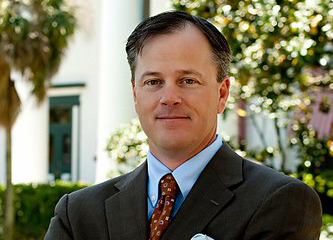
Senator Travis Hutson and Senate President Bill Galvano have been working on a proposal with their counterparts in the House, Rep. Mike LaRosa and House Speaker José Oliva. “We’re going after the big items and, if we can agree to them, we’ll work on laying out the details and the policy,’’ LaRosa said.

Any deal with the tribe, which owns the Hard Rock casinos in Tampa and Hollywood, would require the state to give it exclusive access to something. Legislators see sports betting as that something, but want to keep pari-mutuels happy by allowing them to keep their controversial card games.

The proposal would also add online sports betting to the menu at dog tracks, horse tracks and jai-alai frontons around the state but only because those changes would be part of the tribe’s getting exclusive access to other games such as craps and roulette, and possibly operating the sports betting.

LaRosa said the Seminoles would operate as the hub for sports betting, by running sportsbooks at its own casinos while also getting a cut of the revenues from bets made at pari-mutuels around the state.

“If we can’t get there without the House and Senate in agreement on something to present the governor, we won’t present anything,” Hutson said.

Hutson said any proposal, would probably have to come before voters for statewide approval. But LaRosa said voter approval may not be necessary with a narrowly-crafted deal that puts expanded games in control of the Seminole Tribe, such as an arrangement that would allow sports bets to be placed at tracks and frontons using geo-fencing, in which the bets would go through servers run by the Tribe and “the transaction takes place on their property,’’ he said.

“Since designated-player games are already happening, I don’t feel we need to do anything one way or another as it relates to Amendment 3,’’ he said.

John Sowinski, director of No Casinos—which sponsored Amendment 3 and successfully won voter approval for it in 2018—said otherwise.

“Any judge would call BS on that,’’ he said.
Missouri Committee Approves Video Lottery, Sports Betting

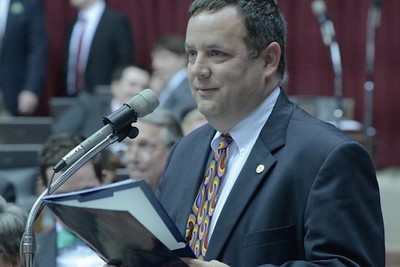
A Missouri House committee has voted 5-1 to allow video lottery game machines and sports betting to operate under the jurisdiction of the Missouri Lottery Commission.

Under House Bill 2088, the lottery commission would issue licenses to game manufacturers, distributors, retailers and operators and regulate video games in locations like gas stations. The commission would not allow a single vendor to control or operate more than 25 percent of video lottery game terminals after December 2025. The majority of revenues from the games would go toward education.

Retailers and the state each would receive 30 percent of revenue and cities where the transaction took place would receive 5 percent. The measure’s sponsor, state Rep. Dan Shaul, estimated the video lottery game terminals could generate up to $400 million after five years, and sports gambling could produce $100 million after two years. Implementation would cost around $2 million, according to the bill’s fiscal note.

Amendments were added during the hearing, including Shaul’s proposal giving 5 percent of revenue to cities with casinos, because of the increased competition. “This is trying to make up any revenue they may be losing. So that’s what we’d be trying to do, take care of the people that started the gaming in Missouri, and also allow the communities to get money going forward. To support their needs, as well,” Shaul said.

State Rep. Peter Merideth said the bill is a significant expansion of gambling in the state. “I think that voters in Missouri have made it pretty clear that when there’s a major change to gambling, whether it’s loss limits, whether it’s legalized boats, whether it’s legalizing the lottery, they would like to have a say in that decision,” he said. “So, I think we should not impose this on them but let them have a vote.”

Merideth’s proposal to place the issue on the November 2020 ballot did not pass.

Kansas Considers Sports Betting Bill

The Kansas Senate Federal and State Affairs Committee recently held a hearing on SB 283, which would legalize sports betting through the state’s four casino properties’ retail sportsbooks plus add mobile betting. Representatives from the state’s four casino operators testified in support of the bill.

Last year, the bill died due to disagreements over which department would run the betting and manage mobile gaming apps. The legislation would require a major compromise between the Kansas Lottery and casino operators and state regulators. The state constitution requires the Lottery to oversee run Kansas gambling. Committee Chairman state Senator Bud Estes said, “There’s a lot of players involved, excuse the pun. But I feel confident that this year there will be a bill done, a solution passed.”

Attorney Matthew Bergmann, representing Boot Hill Casino and Kansas Crossing Casino, said, “We believe sports wagering would be a very substantial amenity to the existing casino operations. It will increase tourism to the casinos and the specific zones designated by law, and also it will increase revenues to the state of Kansas.”

The measure includes a 7.5 percent tax on gross gaming revenue for in-person wagers and a 10 percent rate for online bets. State budget estimates show $500 million in annual sports bets, ultimately leaving $25 million for taxes, fees and profits. The state would realize $2.25 million.

The new bill would allow only people physically located in Kansas to gamble through an app, which casino companies or the state lottery would operate. In-person registration would not be required. The legislation does not include integrity fees or royalties or mandates that licensees purchase official league data. The Kansas Lottery would oversee sports betting and would be required to be the licensee or owner of any sports betting software.

In addition, the measure would allow for two skins or online brands per operator, and would legalize sports betting for gaming facility managers and potentially sports facilities, defined as “auto race track facilities or major multi-sport athletic complex(es),” such as Kansas Speedway and Children’s Mercy Park, where Major League Soccer’s Sporting KC plays.

Also, Native American tribes could open compacts to add sports betting at the five existing tribal casinos.

Jeff Morris, vice president of public affairs and government relations for Penn National Gaming, which operates the Hollywood Casino in Kansas City, Kansas, testified, “This bill checks all the right boxes to make sports betting operations successful. The pro leagues pushed for an integrity fee, but that that was unanimously rejected by states. Undeterred, the leagues have quickly pivoted to asking for a mandate for official league data. The request for the mandate of official league is an attempt by the leagues to charge us twice for official league data.”

Morris explained how statewide mobile betting can minimize the illegal market and how lower tax rates lead to better competition among legal operators and against the black market.

The National Council on Problem Gaming requested some sports betting revenue go toward treatment of gambling addiction.

Illinois Releases Second Phase of Sports Betting Rules

The Illinois Gaming Board moved the state another step closer to entering the sports betting market when it released Phase II of its wagering rules January 14, according to SportsHandle.com.

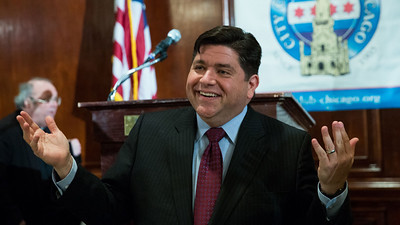
The board released Phase I last month to launch the application process. Illinois Governor J.B. Pritzker signed sports betting into law in June as part of a massive gaming expansion bill that granted six new casino licenses and authorized up to four horse racetracks earmarked for casino licenses. There could be as many as 23 Master Sports Betting Licenses granted overall: 10 casinos, seven sports venues, three horse racetracks, and three non-tethered online/mobile operators.

The latest set of rules gives priority to bids that offer the most revenue to the state, considerations regarding the applicant’s character and also a commitment to ownership diversity and both training and employing minorities before providing provisional approval. The application period is open for 120 days starting with the posting on the board’s website, and the latest rules mandate applicants must have Tier 2 official league data to offer sports wagering.

“The Illinois Gaming Board has been working in an orderly and transparent way to enact gaming expansion that best serves Illinois and adheres to the Sports Wagering Act,” IGB Administrator Marcus Fruchter said in a statement released by the board. “Today’s release of Phase II rules is a continuation of that deliberate and thoughtful process, which will allow sports wagering to commence expeditiously and ethically across the state.”

Online betting triggered a controversy in the months leading up to the passage of the gaming bill, with potential online-only operators, such as FanDuel and DraftKings ordered to serve an 18-month “penalty box” delay after the first on-site license is issued. This stems from a 2015 decision by then-Attorney General Lisa Madigan ruling that daily fantasy operators constituted illegal gambling under state law when both companies offered play on their websites to state residents.

There is also an in-person requirement to register for an online account until the first mobile license is approved, which could put Illinois at a disadvantage against bordering states Indiana in the short-term and Iowa in the longer term. Online registration is important given the size of the Illinois market, which includes the third-largest city in the United States in Chicago—one of six sites also authorized in the bill to open a casino.

Remote registration helped Indiana expand its sports wagering market, and two of its three largest casinos in terms of in-person handle—Ameristar in East Chicago and Horseshoe in Hammond—are less than one hour’s drive from Chicago. The Indiana Gaming Commission has reported $429.6 million in sports betting between the first bet last September

through last month, and December’s report showed that more than 68 percent of its $161.8 million handle came via online betting. Ameristar and Horseshoe reported a combined $21.7 million in-person wagering during December.

With a hefty $20 million license fee for non-tethered online/mobile operators, the Illinois Gaming Board admitted the possibility it may not award all three licenses in the initial application period and added a provision to re-open the application process if needed.

The 15 percent tax rate on adjusted gross receipts will put Illinois in the middle range among states that offer sports betting, but Cook County, which includes Chicago, will be able to collect an additional two percent on all bets made where the patron is within the county when placing the wager.

The bill prohibits wagering on games involving in-state schools, which could be disappointing for some locals given that there are 13 Division I teams spread across eight conferences, including potential NCAA tourney teams like Illinois and DePaul.

In related news, Illinois may provide the first regulatory glimpse of what “commercially reasonable” means in sports betting. The phrase has become a trendy part of sports betting legislation last year, according to LegalSportsReport.com.

Professional sports leagues trying to profit directly from wagering on their games found some state legislatures willing to require that operators pay for official league data for in-play wagering. Such provisions require so-called commercially reasonable terms.

A second phase of wagering rules issued by the Illinois Gaming Board set guidelines for challenging the commercial reasonableness of official league data. That could make Illinois sports betting rules even more closely scrutinized than expected.

Operators may petition the board if they believe a contract or offer sheet does not comply. The data provider will then have 21 days to respond to the complaint. The gaming board will appoint an administrative law judge to conduct a hearing, with the losing party liable for the costs. The burden of proof is on the petitioner to “show by a preponderance of the evidence that terms of the contract are not commercially reasonable.”

The following factors are provided for the judge and board to consider:

  • Whether and to what extent the terms are anti-competitive in nature.
  • Whether and to what extent the terms are economically feasible.
  • Whether and to what extent the terms are against the public interest of the state of Illinois.

The second round of emergency rules outlines application processes, prohibited wagering activity and a number of internal controls and operating procedures for sports wagering licensees. Here are some of the points of interest from the 66-page document:

  • Betting will be limited to professional sports, motorsports and collegiate sports excluding those involving Illinois collegiate teams. Academy Awards? Nope.
  • The ban on in-state college wagering does not apply to parlay bets.
  • Sports stadiums and arenas may receive a license to offer sports betting only if all professional sports teams that play their home contests at the facility provide written authorization.

The gaming board is accepting and reviewing applications for licenses. Once approved with a temporary operating permit, even if not fully compliant with the rules, licensees may begin accepting bets, Fruchter said in a statement.

Maine Could Vote to Override Sports Betting Veto

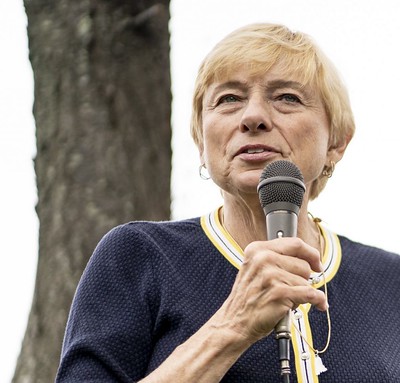
Last summer, Maine legislators passed a bill sports betting legislation. In January Governor Janet Mills vetoed the bill and now lawmakers are scrambling to find enough votes to overturn her veto. They have until April.

In her veto message, Mills wrote, “Before Maine joins the frenzy of states hungry to attract this market, I believe we need to examine the issue more clearly, better understand the evolving experiences of other states, and thoughtfully determine the best approach for Maine.”

The sports betting legislation was approved with almost no opposition. Supporters say the bets could add $5 million annually to the general fund. However, there’s a high bar proponents would need to leap to override Mills’ veto: a two-thirds vote in both chambers. That requires that lawmakers who initially opposed the bill be corralled into the “yes” column. This may be too much heavy lifting to achieve by April.

There’s one factor working in favor of this Hail Mary pass: New Hampshire, which shares a 170 mile state line with Maine, has approved and gone live with sports betting. The state hired DraftKings to operate the mobile app, which went live the penultimate day of 2019. A robust level of sports betting ensued in the Granite State, including in the border town of Portsmouth.

The relatively short legislative session opened on January 8. The governor had three days to sign, veto or allow bills to become law without a signature. The sportsbook bill was one of the bills she vetoed, taking her action late on the third day.

Some legislators wanted to act on January 14, but not enough were present to schedule a vote. On January 16, the Senate cancelled a session due to snow.

Now opinion seems to be that the veto will not be overridden.

Meanwhile, the veto of sports betting in Maine is having ripple effects across the state line in New Hampshire. Some residents using the DraftKings app can’t make wagers within one half mile of the state line, the Portsmouth Herald reported.

Some businesses, especially pubs and sports bars in Portsmouth, have been notified by DraftKings that sports betting won’t be permitted at their locations because they’re so close to the border. This could affect two dozen or more establishments within the half mile.

One restaurant and bar owner told Mainebiz.com that she’s losing business to establishments that are farther into the state. “Our identity and such a large portion of my income is sports-related,” said the owner. “The legalization of sports betting does cast a wider net of what people will watch. If people have a little bit of money on a game, it’s more interesting.”

DraftKings spokesman James Chisholm said the “buffer zone” was by design, to prevent anyone from accidentally being allowed to place a sports wager from New Hampshire. But he minimized the effects, calling them “isolated instances.” He said the company is working with the app’s geolocation vendor to narrow that buffer.

In Somersworth, New Hampshire, another border town, the “buffer zone” is negatively impacting economic growth, according to Mayor Dana Hilliard. He told the Herald, “Just like everyone else in a sport has to play fair, I think the state of Maine has to play fair when it comes to commerce and legalized activities in New Hampshire.”

SG, DraftKings Launch iGaming Platform in New Jersey

Scientific Games Corp. has announced the launch of its iGaming platform and games content portfolio with DraftKings Inc.

The launch gives DraftKings players access to SG’s entire library of U.S.-available titles, including player-favorite in-house developed titles and third-party games from partner studios through SG Digital’s OpenGaming System aggregation platform, part of the company’s end-to-end OpenGaming product suite.

OpenGaming ramps up the iGaming experience for DraftKings’ New Jersey players with cut-through features and player-favorite content from studios across the globe.

Dylan Slaney, senior vice president, casino for SG Digital, said, “New Jersey is booming right now, and DraftKings has a strong foothold in the market. Throw our content and platform into the mix, and you’ve got a powerful combination of two market leaders that will bring players the best online gaming experiences available today.”

PA Lottery Takes Interstate Games Online

The Pennsylvania Lottery, responding to sales of interstate games Powerball and Mega Millions that were down a combined $156.7 million in sales or July through November compared to the previous year, is taking the two interstate games online. Players 18 and older will be able to uses computers or smartphones to bet on the interstate games.

“Selling lottery online is a big part of our effort to appeal to new customers and meet our players where they already are—which is online,” Lottery Executive Director Drew Svitko said in a press release. “This is an important step that will help us continue generating funds to benefit older Pennsylvanians.”

The press release did not reveal any other details explaining the decision, but a financial statement obtained from the Lottery Bureau by the PennBets news site showed that lottery revenue from July through November 2019 was down nearly 14 percent from the prior year.

Traditional game sales in the first five months of the fiscal year dropped by more than $100 million, from $1.84 billion to $1.74 billion, and that was all attributable to the two popular interstate drawings.

Powerball sales were down from $108.3 million to $42.2 million, and the Mega Millions game plunged from $145.3 million to $42.2 million.

While both games always have twice-weekly drawings, their sales jump when there are no big winners for many weeks. The publicity generated as jackpots reach many hundreds of millions of dollars adds to still more sales.

Michigan Drafts Online, Sports Betting Regulations

On December 20, Michigan Governor Gretchen Whitmer signed a bipartisan bill package, legalizing online gaming and sports betting in the state.

Now officials are drafting rules and regulations for the new industry. Michigan Gaming Control Board spokeswoman Mary Kay Bean said bettors may be able to place sports bets in person at the three Detroit casinos this spring, but online betting won’t launch until 2021. Bean said most likely it will take a year to write and finalize rules allowing commercial and tribal casinos to receive sports betting licenses.

Bean said, “We are at a very early stage of this process. The agency must establish several sets of administrative rules, which pass through many levels of review. The timing of implementation depends not only on our agency but also on decisions other departments, agencies and the legislature make along the way. Our goal is to authorize onsite sports betting at the Detroit casinos this spring. Timing will depend on how quickly we receive applications, can approve the casinos’ internal controls and are able to issue required licenses.”

According to the Michigan Treasury Department, online gambling and sports betting could produce $19 million annually in new revenue for the state. The legislation calls for an 8.4 percent tax on sports betting revenue; online gambling taxes would range from 20 to 28 percent.

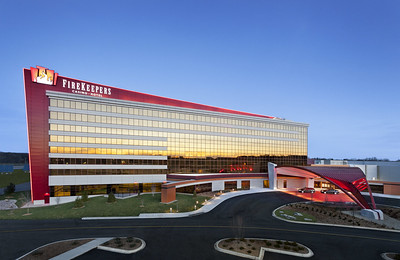
Some Michigan tribes are taking a cautious approach to implementing online gambling and sports betting once regulations are in place. But others are preparing for the transition, including the Little Traverse Bay Bands of Odawa Indians and Lac Vieux Desert Band of Lake Superior Chippewa Indians, who already selected vendors to help run the new operations at their casinos. The Nottawaseppi Huron Band of Potawatomi, owners of FireKeepers Hotel and Casino in Battle Creek, announced it will partner with SG Digital, A Division of Scientific Games.

FireKeepers Vice President of Marketing Jim Wise said, “We have been working and planning for the legalization of sports betting for over a year and a half. We are all very excited for this to become a reality but before that happens we have a lot of work to do.”

He said the casino’s sportsbook will occupy the Dacey’s Taphouse space and be renamed Dacey’s Sportsbook. “We have updated and added all of these new TVs because this is where people can come to sit, enjoy food and place their bets on games and teams. Our hope is that people will come to place a wager, but stay and enjoy this atmosphere.”

Wise said sports betting windows have been installed but for now they’re hidden from the public. Self-betting kiosks also will be installed.

Wise said FireKeepers eventually would offer online gambling, first only on premises, then through an app. “This is all new to us and we are figuring out what is best as we go. We don’t have another casino we can call up and ask for their procedures and how they do business so we are taking our time because I want to do this right,” Wise stated.

The three Detroit casinos also are getting ready for sports betting and online gambling. MGM Grand Detroit i opened the $6 million Moneyline sports bar and entertainment venue complete with betting windows and self-service kiosks for when the big day comes. Last summer Penn National announced it has 20-year agreements with online gaming operator Stars Group and mobile sportsbook theScore Inc. to offer the activities at Greektown plus its own sportsbook.

Even without sports betting and online gambling, Detroit’s three casinos set a new record in 2019. Their total adjusted gross revenue of $1.45 billion broke the 2018 record of $1.444 billion, an increase of less than 1 percent–slightly less than the 1.4 percent increase posted from 2017 to 2018, according to Michigan Gaming Control Board data.

Detroit’s two largest casinos, MGM Grand Detroit and MotorCity Casino, surpassed 2018 adjusted revenue with their highest yearly adjusted totals since opening in 1999. MGM posted $623.5 million, up from $619.2 million in 2018. MotorCity reported $493.6 million in 2019, up from $489.7 million in 2018.

Greektown Casino reported $337.2 million in revenue, up slightly from $335.2 million in 2018. It’s record was $352.8 million in 2011.

In 2019, the Detroit casinos contributed $117.8 million in gaming taxes to the state, a slight increase from $117 million in 2018. The city of Detroit received $184.2 million in wagering taxes and development agreement payments from the three commercial casinos, up from $182.9 million in 2018.

Atlantic City Headliners, February 2020

Tropicana Casino Hotel

Ladies of the 80’s
Tropicana Showroom

Ladies of the 80’s features Taylor Dayne, Jody Watley and Lisa Lisa performing their smash hits from the era that brought the best of dance music, R&B and hip-hop.
Date & Time: Saturday, February 1, 2020, 8:00 P.M.
Ticket Prices: $35.00 – $55.00
Contact: 609-340-4000; https://www.tropicana.net


Dance Across America: Studio ’94 Tour

Tropicana Showroom

With 30 Billboard Top 10 Dance hits and 200 million records sold combined, the Dance Across America: Studio ’94 Tour features the most iconic dance artists of the 90’s such as CeCe Peniston, C+C Music Factory, Robin S, Quad City DJ’s, Crystal Waters and Reel 2 Real Featuring The Mad Stuntman. This hot dance tour is guaranteed to have audiences out of their seats and movin’ their feets!
Date & Time: Saturday, February 8, 2020, 8:00 P.M.
Ticket Prices: $30.00 – $50.00
Contact: 609-340-4000; https://www.tropicana.net


Cheap Trick

Tropicana Showroom

Cheap Trick, an indisputable American institution, beloved for their instantly identifiable, hugely influential, brand of pop rock ‘n’ roll, will perform at Tropicana Atlantic City’s Showroom for Valentine’s Weekend.
Date & Time: Saturday, February 15, 2020, 8:00 P.M.
Ticket Prices: $55.00 – $75.00
Contact: 609-340-4000; https://www.tropicana.net


Hard Rock Casino Hotel

Sugar Ray
Sound Waves at Hard Rock

Multi-platinum California pop-rock hit-makers Sugar Ray come to Sound Waves at Hard Rock, Feb. 7.
Date & Time: Friday, February 7, 2020, 8:00 P.M.
Contact: 609-449-1000; https://www.hardrockhotels.com


Demetri Martin

Sound Waves at Hard Rock

Funny man Demetri Martin brings his witty Wandering Mind Tour to Sound Waves at Hard Rock. With a blend of acerbic humor, visual props and music, Martin is one of the country’s leading comedians.
Date & Time: Saturday, February 8, 2020, 8:00 P.M.
Contact: 609-449-1000; https://www.hardrockhotels.com


Fitz and the Tantrums

Sound Waves at Hard Rock

Fitz and The Tantrums present “All The Feels Winter Tour 2020” at Sound Waves inside Hard Rock.
Date & Time: Saturday, February 15, 2020, 8:00 P.M.
Contact: 609-449-1000; https://www.hardrockhotels.com


Bob Saget

Sound Waves at Hard Rock

Bob Saget Saturday, February 22nd at 8pm in Sound Waves at Hard Rock.
Date & Time: Saturday, February 22nd, 2020, 8:00 P.M.
Ticket Prices: $29.00 – $49.00
Contact: 609-449-1000; https://www.hardrockhotels.com


Ocean Casino Resort

38 Special
Ovation Hall at Ocean Casino Resort

After more than four decades together, 38 Special continues to bring a signature blast of Southern Rock to over 100 cities a year. And at each and every show, thousands of audience members are amazed by the explosive power of the band’s performance.
Date & Time: Friday, February 14, 2020, 9:00 P.M.
Ticket Prices: $45.00+
Contact Info: 609-783-8000; https://www.theoceanac.com/event/38-special/


Lee Brice
Ovation Hall at Ocean Casino Resort

GRAMMY nominee, CMA nominee and a double ACM award winner, Lee Brice, will be heading to Ovation Hall this February 15, 2020.
Date & Time: Saturday, February 15, 2020, 8:00 P.M.
Ticket Prices: $60.00+
Contact Info: 609-783-8000; https://www.theoceanac.com/event/lee-brice/


Resorts Atlantic City

Engelbert Humperdinck
Superstar Theater at Resorts AC

The legendary sound of Engelbert Humperdinck is coming to Resorts Casino Hotel in February 2020. Known for his infectious charisma, Engelbert has wowed crowds of all ages and has sold more than 140 million records. Experience this exclusive Atlantic City show on February 15, 2020 at the Superstar Theater.

Date & Time: Saturday, February 15, 2020, 8:00 P.M.
Ticket Prices: $55.00 – $65.00
Contact Info: 1-800-772-9000; https://resortsac.com/entertainment/engelbert-humperdinck/


Caesars Casino Hotel

Gregory Porter and Ledisi
Circus Maximus Theater at Caesars

Spend an evening with Grammy-nominated, vocal powerhouses Gregory Porter and Ledisi on Saturday, February 15 at Circus Maximus Theater! This special evening will feature performances by both artists and will take the audience on a journey through soul, jazz and gospel music.
Date & Time: Saturday, February 15, 2020. 8:00 P.M.
Ticket Prices: $90.00 +
Contact Info: 609-348-4411; https://www.caesars.com/caesars-ac/shows


Jim Whelan Boardwalk Hall

Celine Dion: Courage World Tour
Jim Whelan Boardwalk Hall

Celine and her entire team are very excited to announce she will be embarking on her Courage World Tour this fall. The tour will will make stops in over 50 cities across Canada and the U.S. “I’m so grateful to all the fans who have come to see my show in Las Vegas for so many years, and now I get the chance to create a brand new show and bring it to them in North America, and around the world. I’m very excited about this tour, and my new album…coming later this year. “ —Céline
Date & Time: Saturday, February 22, 2020, 7:30 P.M.
Ticket Prices: $146.00 – $246.00
Contact Info: 888-228-4748; https://www1.ticketmaster.com


Kane Brown
Jim Whelan Boardwalk Hall

Kane Brown is bringing his Worldwide Beautiful Tour to Jim Whelan Boardwalk Hall Saturday, February 29 in Atlantic City. With special guests Chris Lane and Russell Dickerson.
Date & Time: Saturday, February 29, 2020, 7:00 P.M.
Contact Info: 609-348-7000; http://www.boardwalkhall.com


Borgata Casino Hotel & Spa

Patton Oswalt
Music Box at Borgata

Comedian, actor, and writer, Patton Oswalt continues to find success in all areas of entertainment. From his award-winning comedy specials to his many memorable film roles and guest appearances on his favorite TV shows (including “Parks and Recreation,” for which he received a TV Critics Choice Award), Oswalt continues to choose work that inspires him and entertains audiences.
Date & Time: Friday, February 8, 2020, 9:00 P.M.
Ticket Prices: $49+
Contact Info: 609-317-1000; https://www.theborgata.com


Tiffany Haddish

Event Center at Borgata

Don’t miss actress and comedian Tiffany Haddish in Atlantic City. Best known for her role in Girls Trip and her new Showtime comedy special She Ready!, this brassy and sassy comedian will hit you in the funny bone.  From the hood to Hollywood, Tiffany Haddish is a performance you don’t want to miss.
Date & Time: Friday, February 28, 2020, 8:00 P.M.
Ticket Prices: $49+ (Special Meet & Greet Available)
Contact Info: 609-317-1000; https://www.theborgata.com


Harrah’s Casino Resort

Paul Reiser
Harrah’s Concert Venue

Harrah’s Resort in Atlantic City, NJ is proud to present the legendary Paul Reiser on Saturday, February 8th. Comedian, actor, television writer, author, and musician Paul Reiser has been busier than usual lately.
Date & Time: Friday, February 8, 2020, 8:00 P.M.
Ticket Prices: $42
Contact Info: 800-745-3000;  https://www.caesars.com/harrahs-ac/shows

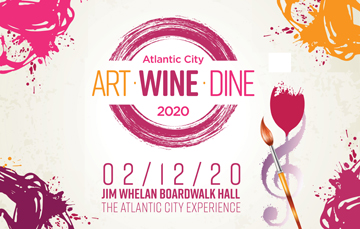
Art.Wine.Dine. at Atlantic City’s Boardwalk Hall

Atlantic City Restaurant Week kick-off and At The Shore Wine Tasting Art Show combined to create Art.Wine.Dine.

Enjoy food tastings from AC Restaurant Week participating restaurants, samplings of spirits, wine and craft beer, enjoy live music, talk to local artists and purchase their work, silent auction and free parking at the Atlantic City Experience in Historic Jim Whelan Boardwalk Hall.

This unique event will give you an experience to remember while helping local students by way of scholarships.

Date & Time: Wednesday, February 12, 2020, 5:00 – 8:00 P.M.
Tickets: Advance $35 or $40 at the Door
Contact: 888-228-4748; https://www.acrestaurantweek.com/art-wine-dine/

Wine Down Week

Introducing Ocean Casino Resort’s first-ever Wine Down Week!

During the week of February 2-7, enjoy half off wines by the glass at every participating location. Participants include: Amada, America Cut, Dolce, Villain + Saint, Topgolf Swing Suite, 1927 Lounge + Speakeasy, Harpers, HQ2, William Hill Sports Book Bar and High Water Wine Bar.

Date & Time: Sunday – Friday, February 2-7, 2020, Times Vary
Ticket Prices: Half off Wines by the Glass (Must be 21+)
Contact: 609-783-8000; https://www.theoceanac.com/event/wine-down-week/

Hard Rock’s Allen Awards AC Employees, Blasts City & State

It was a day to celebrate and reward all the employees of Hard Rock Atlantic City, from executives to line employees to valet and housekeeping professionals.

But it also was an occasion for Jim Allen, chairman of Hard Rock International and an Atlantic City native, to issue a clarion call to other casino operators, city and state officials and lawmakers to make the kinds of reinvestments that will assure those employees have a viable market in which to work.

Last Thursday, Allen came together with Seminole Tribe of Florida Chairman Marcellus William Osceola Jr., Hard Rock Atlantic City Partners Joe and Michael Jingoli, and Hard Rock Atlantic City President Joe Lupo to stage an “Employee Town Hall” at the property’s Hard Rock Live at Etess Arena facility, to thank them and reward them for the milestones achieved since the property’s June 2018 opening.

The theme of the presentation was “All Is One,” Hard Rock’s credo, which holds that every employee is as important as the chairman to the growth and continuing health of Hard Rock International and its owner, the Seminole Tribe.


Thanking the Team

The first part of the two-hour-plus festivities saw Allen and his partners, along with the tribal chairman, recognize the accomplishments of the Boardwalk property’s first 18 months, chief of which was becoming the No. 2 revenue-generator in the market (behind only Borgata).

Allen thanked the line employees for achieving the highest service scores in the industry, generating the second-highest table revenue and the No. 4 slot revenue, community service that has included more than $500,000 in donations to charitable organizations, and generating 28 percent of all media impressions.

Allen and the other executives followed up the video and verbal accolades with a much more practical show of appreciation: cash. He announced that every one of the 2,872 full-time employees of Hard Rock Atlantic City will receive a bonus in their next paycheck, with no bonus less than $250. He pledged that the operator will do this every year, and the bonuses hopefully will get larger every year.

“We will continue to value our most important asset,” Allen told his employees, “and that’s not the building; it’s everyone who works in it.”

The demonstration of appreciation culminated in a sweepstakes drawing in which $45,000 in cash and six all-expenses-paid vacations to the new Guitar Hotel at Seminole Hard Rock Hotel & Casino Hollywood in Florida were awarded to employees gathered in the Etess Arena. The cash awards originally were announced at $20,000—separate prizes of $2,000, $3,000, $5,000 and $10,000. After they were awarded, Allen announced that he and his partners were personally funding one additional award of $25,000.

“We could not be more proud of our team members and their hard work during the last 18 months Hard Rock Atlantic City has been open,” Allen said. “Today is about you. We are committed to the future of this property and we hope that together we can continue to work hard in providing the best possible service for guests visiting our resort destination.”


Issuing the Challenge

After the celebration ended, though, Allen turned his attention to the market surrounding Hard Rock in Atlantic City.

When the executive took questions from gathered media following the event, those questions almost exclusively asked Allen to follow up on complaints he first aired in an early December podcast conducted by Global Gaming Business Publisher Roger Gros. At that time, he said Hard Rock’s $562 million investment in Atlantic City is not being reciprocated with efforts by state and local government to make physical improvements to the city, or by other operators to reinvest in their own properties, or even to put in efforts to make the city more attractive.

Allen focused much of his criticism on the aspects of Atlantic City that project an image that is the opposite that of a destination resort—dilapidated, with vacant hotels and other vacant buildings, main streets populated by bedraggled vagrants and worse, and persistent infrastructure problems that include unattended problems as simple as the failure to fix broken street lights.

“The first (priority) in any study you look at? The town has to feel safe,” Allen told GGB News and other media. “That’s No. 1.” He noted that Hard Rock has pumped many resources into helping Atlantic City residents on the fringes of society, but that the public sector has not reciprocated.

“We have to help the people who have mental challenges, or are homeless, or who have alcohol or drug problems,” Allen said “(Hard Rock AC partner) Joe Jingoli does an amazing job with that. But very candidly, companies shouldn’t be doing that. The town—the county, the city, the state—they should be doing those things. We’re doing it ourselves.”

Allen called on Acting Mayor Marty Small, the state Casino Reinvestment Development Authority (CRDA), and New Jersey state legislators to join together with the industry to address the physical appearance of the shore resort. “The first thing you’ve got to fix is the street lights,” Allen said. “You’ve got to fix the traffic lights. There are so many things that can be done. You’ve got to mow the lawns.”

Allen reserved much of his criticism for the owners of the last two remaining shuttered casino hotels on Atlantic City’s Boardwalk—Carl Icahn, owner of the former Trump Plaza at the center of the Boardwalk; and Colosseo Atlantic City, the New York investment firm that bought the building at the Boardwalk’s southwest end, formerly the Atlantic Club, the Atlantic City Hilton and Golden Nugget Atlantic City.

“You’ve got to go to Carl Icahn and say, ‘That building needs to come down,’” Allen said. “Carl is worth how many billions of dollars? To leave a vacant casino like that sitting—literally a safety hazard, debris falling off the building, potentially hurting someone—I don’t understand why the city and Carl can’t come together…

“We’ve worked with Carl. He and his CEO are fine people. But we don’t understand why that building is still there. And rather than what happened at the Sands—where it’s a field full of weeds, and a chain link fence that looks like it’s out of a prison, do something to make it look nice. Nothing. Nobody does anything.

“You see our entrance—it’s beautiful. We paid for everything. That’s what we need. How long has the old Hilton/Nugget been sitting there? Go to the owners, make it mandatory—do something with it, or it’s coming down and you’re paying for it. Because when these people come in and say they’re going to build a water park there, very frankly, they don’t have a clue. You’re not putting a water park in that building. The city, the state, the CRDA need to get some enforcement of eminent domain—not on the people of Atlantic City, but on some of these big-time owners that own these properties but do nothing with them.

“When these things start happening, maybe Atlantic City’s image will change. But until then, it’s scary.”


Comparisons to 1964

Allen did not spare other owners of casino-hotels in the city. Pointing to Hard Rock’s half-billion-dollar transformation of the shuttered former Trump Taj Mahal into one of the top properties in the market, he questioned the commitment of other operators to improve their own properties—even drawing a parallel to the Atlantic City of 1964, when the Democratic National Convention at Boardwalk Hall shone a national spotlight on the deterioration of the resort, a spotlight that eventually led to the legalization of casino gaming.

“Buying this building for $50 million, that was the easy part,” Allen said. “The difficult decision, which is return on investment—which, frankly, right now is zero—was putting the $500 million in above that. We’re fine; we don’t have outside debt. What people don’t seem to want to focus on is that there’s not going to be new investment into the town, and ultimately, we could become the next Reno, we could become the next Laughlin, where nobody puts any money in.

“I don’t want to name any specific property, but you can walk some of these properties and stay in some of these rooms in Atlantic City—and I’m talking about the casinos, not the secondary-market hotels—and they’re horrific. So, if we do get meeting or group business, and then they say, ‘Wow, I stayed at a convention in Philadelphia or Chicago or New York, and then I stayed in a room in Atlantic City…’ It’s (similar to) the actual demise of Atlantic City back around the Democratic convention in the 1960s. When they got the convention, everybody got here and said, ‘There’s nothing left.’ And frankly, that’s when the town truly plummeted.”

Asked about the rejuvenation of revenues in the market due to sports betting, Allen commented that a lot of that is “what we call false drop—it’s not real, it’s phantom money,” because it’s not driving reinvestment. “That’s why right now, you could buy Bally’s Park Place for $25 million. And that’s a big building. But the amount of money needed to take that to the next level is where we want to create an environment with everyone working together. I hope it sells, and I hope somebody puts hundreds of millions into it. Because that’s good for Atlantic City.

“But right now, that’s not happening. Everyone said I made a mistake investing in this town. We invested in this town because we were made a lot of promises of what was going to happen. And very candidly, nothing has happened. Nothing. And I don’t believe that elected officials at many different levels, current and past, are focused on this topic.”

New Jersey Sports Betting Numbers Explode

Once again, New Jersey proved that mobile sports betting rules. December figures released Tuesday showed that mobile wagers accounted for 88 percent of bets placed in the state. Bettors wagered $557 million with revenue of $29.2 million, for a hold percentage of 5.3 percent, comparable to Nevada, according to LegalSportsReport.com.

For the year, sports betting in New Jersey generated more than $4.58 billion. Revenue of almost $300 million resulted in $36 million in state taxes.

FanDuel Sportsbook finished the year as the early market leader in New Jersey, posting more than $14 million in December revenue. DraftKings produced over $9 million for the final month of the year.

For 2019, FanDuel accounted for nearly half of sports betting revenue with better than $149 million through its Meadowlands Racetrack license. DraftKings posted $79 million via its Resorts Digital license.

DraftKings ruled 2018 in part because it was first out of the gate, but FanDuel eroded the edge coming into 2019.

Meanwhile, out west, Nevada enjoyed its strongest month on record in November with $614 million taken in without any major events in Las Vegas.

New Jersey also weathered the competition from Pennsylvania sports betting went mobile last year. As long as New York sputters on mobile wagering, New Jersey sports betting will reap the benefits of its neighbor’s failure.

MGM Grand Sold in $4.6 Billion Strip Megadeal

MGM Resorts International added to its war chest for Japan last week via deals to sell MGM Grand, its 5,000-room Las Vegas flagship and Mandalay Bay, and reduce its stake in its MGM Growth Properties (MGP) REIT.

The Grand will be transferred to a joint venture between MGM Growth and private equity giant Blackstone Group’s Blackstone Real Estate Income Trust for $2.4 billion in cash and $85 million in MGP partnership units.

The joint venture also will acquire the 3,200-room Mandalay Bay, which is owned by MGM Growth and operated by MGM, for $2.1 billion.

MGM will continue to run Mandalay Bay, along with the Grand, under long-term leases for a combined $292 million in annual rent.

As part of the deals, Blackstone, which also owns Bellagio and the Cosmopolitan on the Las Vegas Strip, will purchase $150 million in new MGM Growth shares and own 49.9 percent of the joint venture, with MGP in control of 50.1 percent.

“This partnership illustrates the numerous opportunities available to grow our business and emphasizes the strong institutional demand for gaming real estate assets,” MGM Growth CEO James Stewart.

In a related transaction, MGP has committed to pay MGM $1.4 billion to redeem the gaming giant’s remaining partnership units. This will reduce its ownership in the REIT, which is separately traded on the New York Stock Exchange, from 70 percent to 55 percent. MGM has often stated its desire to divest its majority position in MGP.

Created in 2015 to help MGM cash out of its real estate, the REIT currently owns 13 MGM resorts, 11 of them on the Strip.

The sales, which are expected to close in the first quarter, are MGM’s second go-round with Blackstone after the latter’s $4.25 billion purchase of Bellagio in October under a similar sale-leaseback arrangement that included MGM’s purchase of a 5 percent stake in Blackstone Real Estate Income Trust.

Combined with its outright sale of Circus Circus in November to TI owner Phil Ruffin for $825 million, in all, MGM will be netting around $8.2 billion to pursue its goals of creating a “fortress balance sheet,” returning cash to shareholders, and reducing a portion of its $15 billion in long-term debt.

The next move will be to cap the process with sales of the last of the casino real estate it owns: MGM Springfield in Massachusetts, which opened in August 2018, and its 50 percent stake in CityCenter on the Strip.

“Our corporate objective remains crystal clear,” said Chairman and CEO Jim Murren. “We will continue to monetize our owned real estate assets, which facilitates our strong focus on returning capital to our shareholders, while also retaining significant flexibility to pursue our visible growth initiatives, including Japan and sports betting.”

Japan, considered the largest of East Asia’s few remaining untapped markets, is the big prize, and has attracted interest from an A-list of global operators. MGM already enjoys a strong foothold in the region in the form of two Macau casinos, which it owns through a majority stake in Hong Kong-listed MGM China Holdings, and is considered a front-runner for a megaresort license in Osaka.

But it won’t come cheap. Estimates of the cost of entry have been placed as high as $10 billion.

Will AC’s Upward Trend Come to an End?

A new year. A new decade. When it comes to Atlantic City’s fortune in the new year and new decade, will the same old song and dance of the past decade prevail?

In the past 14 years, Atlantic City saw Pennsylvania’s entry into the casino business decimate plans for new resorts. The competition across the river also hit existing gaming halls hard, and, coupled with the lingering effects of the recession, caused a steep decline in revenues and the shuttering of five casino properties.

As 2018 dawned, the seven casinos remaining had begun to right themselves. Stability, if not prosperity, was enough.

But two—make that three—elements surfaced in 2018 to set in motion the forces that could determine the future moving forward. In May of that year, the U.S. Supreme Court ruled in favor of New Jersey’s long-fought suit to overturn the ban on sports betting, opening the door for the wagers in New Jersey and the rest of the country. A month later, Hard Rock Hotel & Casino Atlantic City and Ocean Casino Resort opened on the same day, taking over the former Trump Taj Mahal and Revel, respectively.

By fall, New Jersey’s first sports wager was placed, making it the first kid on the block to legalize full sports betting outside Las Vegas. The new revenues, added to what the casinos already brought in and the iGaming take, added significant dollars. In 2019, the resort industry broke the $3 billion mark for the first time since 2012.

Here’s where the new song-and-dance come into play. The addition of two more casinos added much-needed employment opportunities. But did they grow the market? Did they improve profitability citywide?

According to financial reports filed with the state Division of Gaming Enforcement (DE), casino licensees reported third quarter 2019 net revenue of $928.9 million, reflecting a 2.7 percent improvement over the same quarter last year, while gross operating profit increased 12.5 percent to $239.4 million compared to the prior period.

Though net revenue rose 10.8 percent to $2,423.5 million for the first nine months, profits decreased 4.5 percent to $484.6 million.

Of AC’s nine properties, third-quarter results show both Hard Rock and Ocean Resort generating massive profit increases of 195 percent for the former and 1,660 percent for the latter. But for the first nine months of 2019, six of the seven other casinos experienced profit declines. Only Borgata increased its profits.

According to the Associated Press, Hard Rock President Joe Lupo and Tilman Fertitta, the billionaire Texas owner of the Golden Nugget, both predicted Atlantic City will not be able to support nine casinos indefinitely.

“This is a seven-casino market,” Fertitta said in September. “Nobody has the cash flow now that they had when it was a seven-casino market.”

David Schwartz disagrees. “It comes down to the casinos presenting a product that attracts people,” said Schwartz, gaming historian with the University of Nevada Las Vegas. “Las Vegas has dozens of casinos, and more are on the way.”

And truth be told, the revenue numbers are impressive, said Rummy Pandit, executive director of the Lloyd D. Levenson Institute of Gaming, Hospitality & Tourism at New Jersey’s Stockton University. November 2019 marked the 18th consecutive month-over-month total gaming revenue gain. At $288.6 million (excluding racetracks), the nine casinos in November exceeded the same month the year before by 16.5 percent and topped October 2019 by 8.4 percent.

Year-to-date casino industry total gaming revenue of $3.02 billion is 15.7 percent ahead of 2018. “Clearly, these are not signs of any type of slowdown,” Pandit said.

The next song-and-dance deals with sports betting. So far, about a dozen states have implemented such wagering—Pennsylvania among them— with more on the way in 2020. New Jersey still rakes in more than the other jurisdictions, even Las Vegas at times. Yet Pennsylvania has already had an impact on sports betting on New Jersey. When New York adds mobile wagering, the rush to take trains and cars across the Hudson to place a bet will begin to dwindle.

“When states such as New York eventually launch sports betting products there is a chance that New Jersey may lose market share to them solely on basis of convenience for non-New Jersey residents,” Pandit said. “Unlike these new entrants however, New Jersey sportsbooks would have had the opportunity to hone their product and build loyalty with their customers,” he said.

The answer in part lies not in sports betting or blackjack, but in increasing attractions unrelated to gaming, something Las Vegas has learned to do. The city learned it so well that non-gaming revenue eclipses what’s generated by the casinos.

“It’s hard to say if non-gaming can overtake gaming,” Schwartz told GGB News. “It would take an intense investment in non-gaming amenities and finding a market for visitors to support those amenities. For Las Vegas, it didn’t happen overnight. A stronger convention base would be my first step along those lines, since that leads to higher food and beverage and room spending.”

The state of the convention business in Atlantic City is looking positive, said Sandi Harvey, vice president of sales for the tourism group Meet AC. Atlantic City has more than 17,500 guest rooms and 1.8 million square feet of meeting space.

“With the opening of two new casinos and non-gaming properties, we are seeing an increase in convention and meeting business. The positive news coverage has also increased our production,” she said. “We estimate incremental growth of 5 percent increase year over year moving forward.”

Meet AC had a record-breaking year in 2019, with a total of 394,029 hotel room nights booked, which will bring over $400 million back into the local economy for the future.

“Convention business is extremely important to the city of Atlantic City. We expect to book over 375,000 room nights in 2020 with a continued stretch goal of 400,000 room nights,” Harvey said. “Meet AC has expanded its sales and marketing reach geographically. We’re seeing an increase in leads from different markets based on our market segmentations.”

But it’s not just conventions that will lead Atlantic City to new heights. As it continues to diversify its tourism product and economy as a whole, expect non-gaming revenue streams to represent an increasing share of overall revenue for the city. “The transition is likely to be gradual as operators grow existing non-gaming amenities and develop new one,” Pandit said.

There are more non-gaming amenities already in the city than some may realize, he said. These include dining establishments, retail stores, spas, entertainment venues, lodging, beach, boardwalk, amusements, and sports arenas. Recent additions include the bike path to Gardner’s Basin, a data center at the Atlantic City Convention Center and the Wheel at Steel Pier.

“The city’s many and varied community arts and culture organizations, including the public art and murals produced through the Atlantic City Arts Foundation’s 48 Blocks art initiative, are also a too often overlooked asset.”

In other positive news, Wall Street rating agency Moody’s has boosted Atlantic City’s credit rating by two notches—from B2 to Ba3. It’s still fall into junk bond status, according to NJBiz.com, but far better than when the town teetered on the brink of default almost four years ago.

The January 3 rating reflects the city’s “reduced, albeit continued, financial and economic distress,” according to the analysis from Moody’s, which along with Fitch and Standard & Poor’s, make up the big three rating agencies. In November, S&P bumped its rating on the city from BB Minus to B, again still below junk bond status.

Moody’s gave a nod to the Murphy administration’s attempts to diversify the city economy beyond just gaming and hospitality, as a way to institute a buffer for the city should the casino industry or nationwide economy sour. The rating agency credited the oversight, which gives the state the ability to slash city expenses and renegotiate cheaper public worker contracts.

Further budget cuts could bode well for the city’s credit rating, Moody’s said. Recent payment in lieu of property tax laws, which will bar future tax appeals, also helped the credit rating.

“The state’s relationship with Atlantic City is strong and collaboratively we continue to make progress in strengthening the city’s finances, improving city operations and municipal services, and increasing economic opportunities in the city,” Lisa Ryan, a spokesperson for the Department of Community Affairs, which handles the state oversight, said in a statement. “The Moody’s analysis rightly points out that the city must diversify its economy, address its high poverty rate, and protect itself against storms and flooding if it is to truly achieve health and stability.”

Harry and Meghan and Sherwood Valley

Sherwood Valley Casino last week announced that they have contacted the Royal Household of the Duke and Duchess of Sussex, Prince Harry and Meghan to discuss the potential of working together in business and philanthropic projects in the near future due to the recent announcement by the couple of their intent to update their roles and became “financially independent”. The off-beat Northern Californian casino is located next to Hwy 101 in the town of Willits, California in the United States. The locals casino is known for being fun and friendly in a neighborly way.

“Today we took the unusual step to contact the royal couple to offer the opportunity to work with the casino and assist them with their decision and the transition in their public and professional lives. We believe Willits California and Mendocino County is the perfect setting for the young couple to privately raise their family while actively exploring interesting business development opportunities and new charitable efforts,” said Michael J. Broderick, general manager of the casino. “Sherwood Valley Casino would be thrilled to partner with Meghan and Harry and see how we could help each other, including a position with our management team. We would welcome them to the Sherwood Valley Casino family.”

Prince Harry and Meghan, the Duchess of Sussex, on Wednesday announced their own Brexit from the royal family.

The Duke and Duchess of Sussex stunned the world with the announcement that they intend to “step back” from Buckingham Palace, divide their time between the United Kingdom and North America and to earn their own money.

“After many months of reflection and internal discussions, we have chosen to make a transition this year in starting to carve out a progressive new role within this institution,” they said in a statement. “We intend to step back as ‘senior’ members of the Royal Family and work to become financially independent, while continuing to fully support Her Majesty The Queen.”

They’re also planning to establish a part-time home somewhere in North America. The casino hopes that home will be close by.

For more information about the Duke and Duchess of Sussex visit online at www.Sussexroyal.com. Sussexroyal.com was created as a source of factual information regarding the workstreams of the Duke and Duchess of Sussex. Through this website you will find key information about their commitment to: community, the monarchy, and the commonwealth, as well as answers to many questions.

Murphy to Return to East Coast Gaming Congress

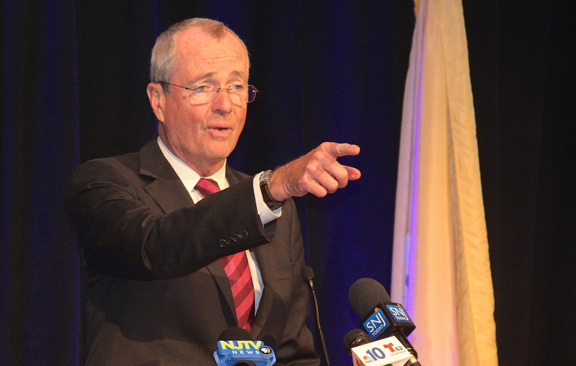
Producers of the 24th annual East Coast Gaming Congress & NextGen Gaming Forum, to be held at Harrah’s Resort in Atlantic City April 27-28, have confirmed New Jersey Governor Phil Murphy as the keynote speaker for the event, the largest gaming industry conference outside of Nevada.

Murphy will deliver the keynote address on April 28, the second day of the two-day forum. It will be the third consecutive year the governor has attended the conference in Atlantic City.

“Governor Murphy is proud to present the keynote address at this conference held in one of New Jersey’s premier cities and gaming hubs,” said Matthew Saidel, deputy press secretary for Murphy. “Our state was the leading advocate for legalized sports betting, and for the bipartisan efforts to fight the inherently unequal prohibition against it. With the tremendous growth of revenue in gaming happening here, this industry has the potential to be not only a source of economic development and revenue, but a source of innovation and pride.”

The tradition of having former and sitting New Jersey governors offer their views to the industry dates to the first conference in 1997, when former Governor Brendan Byrne, who signed the Casino Control Act that legalized gaming in New Jersey, addressed the event.

Murphy’s predecessor, Governor Chris Christie, did not attend ECGC during his two terms in office.

American Gaming Association President and CEO Bill Miller will deliver the State of Gaming address the morning of April 28. Miller delivered the morning keynote at last year’s event, less than six months after taking the helm of the country’s largest industry lobbying group.

This year’s conference will also feature a lifetime achievement award. Timothy Wilmott, the recently retired CEO and president of Penn National Gaming, will be the third recipient of a lifetime award at ECGC, the other two being the late Dennis Gomes and Paul Rubeli, then president and CEO of Aztar Corp.

“Tim Wilmott, whose career in gaming dates back more than a quarter-century, is widely respected as an industry leader who has led Penn National’s extraordinary growth, and who has focused on building trust with regulators, with his staff and with the communities in which Penn operates,” ECGC co-founders Lloyd D. Levenson and Michael Pollock said in a statement.

Maine Lawmakers Will Vote to Override Sports Betting Veto

Maine could have been the next New England state with legal sports betting. Alas, on January 10, Democratic Governor Janet Mills vetoed legislation approved months ago.

In a statement, Mills said that she understands there is a need for Maine to address illegal gambling but young and vulnerable gamblers need protection in the law. She is not convinced by the argument that sports gambling is “happening everywhere.”

“As I said in my veto letter, if you legalize it, regulates it, just because it’s happening and we know it’s happening, then you might as well legalize and formalize and promote betting on the weather, betting on the next election results, betting on the spelling bee champion of Cumberland County,” she said. “I don’t think that’s where Maine people are at just yet.”

Maine’s senate intends to hold a vote to override the veto this week.

Longtime Maine lawmaker Senator Bill Diamond, a fellow Democrat, said he thinks the override won’t succeed.

“I would expect that the veto will be sustained,” he told NBC10 Boston, based on conversations he had with colleagues. “Maine is a gambling state for sure, we just want to do it right.”

January is the beginning of Maine’s new legislative session, which means a compromise bill could potentially surface. Diamond said a revised bill would require a complete rewrite.

“We’d have to find out first if there is there a path for both sides to get there,” he says. “If there is, then maybe it’d be worth putting the time in and if it isn’t, it’ll probably have to wait until next year.”

In related news, the introduction of sports betting in New Hampshire has an unexpected blunder in one of the state’s most popular tourist destinations.

Anyone within approximately a half-mile of the Maine border cannot place bets on the DraftKings app, an area encompassing a significant portion of the city of Portsmouth’s downtown, and all of its waterfront establishments. The restriction also impacts the Tri-Cities, including most of downtown Somersworth, which saw sports betting as another tool in its revitalization efforts.

The New Hampshire Executive Council in November approved a six-year contract with DraftKings to operate sportsbooks. The state will receive 50 percent of sports betting revenue, and the wagering is expected to produce an estimated $7.5 million for education in fiscal year 2021 and $13.5 million two years later.

Currently, users near a “permitted border area” cannot place bets on the app. In a statement Tuesday, Governor Chris Sununu said, “Ensuring that everyone, anywhere in New Hampshire, can place a sports bet is critical and the Lottery Commission and DraftKings are on this issue to make the experience as seamless as possible.”

Bethany Hayes, owner of TJ’s Food and Spirits on Daniel Street, said her customers quickly discovered the discrepancy, so she reached out to DraftKings and the Lottery Commission for guidance.

“Our identity and such a large portion of my income are sports-related,” Hayes said in Seacoastonline.com. “Sununu said if you are in New Hampshire, you can place a bet using the app. There was no mention of limitations.”

Hayes received the following response from DraftKings: “Your location data indicates you are near a permitted border area which means that you will need to move further into the state of New Hampshire to place wagers. I understand that this may be frustrating, however, this is how we must operate per state regulations.”

E.J. Power, spokesperson for the New Hampshire Lottery, said the lottery and DraftKings are working to troubleshoot any issues customers have faced since the rollout.

“Since the launch of sports betting on December 30, the response has been overwhelming, with tens of thousands of players wagering millions of dollars,” Powers said. “We want to ensure that eligible customers within New Hampshire’s borders can easily access our app and participate. The lottery is working closely with DraftKings to troubleshoot any issues customers have and encourage those who have experienced technical difficulties to contact them at support@draftkings.com.”

Jennifer Aguiar, vice president of compliance and risk for DraftKings, said they are aware of a “few isolated instances in which customers have had difficulty placing online wagers while physically located in New Hampshire near a neighboring state’s border. We take our responsibility to ensure that only eligible New Hampshire customers place bets on DraftKings Sportsbook very seriously.”

The rare cases when it doesn’t work often trace back to the mobile phone’s signal pinging a tower outside New Hampshire, and is usually an intermittent problem, Aguiar said.

“We actively monitor these incidents and encourage any customers who encounter this problem to reach out to support@draftkings.com.”

Hayes noted Portsmouth is the state’s largest contributor in rooms and meals tax, so for the sports betting app to be inaccessible in a good portion of its downtown would be a missed opportunity. She is concerned the problem will negatively impact her business, as patrons may decide to watch games elsewhere.

“It’s a big deal and for us, that’s why we pay for NFL Sunday Ticket,” Hayes said. “Fantasy is a huge thing and the legalization of sports betting does cast a wider net of what people will watch. If people have a little bit of money on a game, it’s more interesting.”

She hopes the issue can be overcome before the NCAA’s March Madness, where for the last 10 years she’s had the same group of 100 men take off work and come to watch the first day of games.

The restriction could also affect residential and commercial areas in Dover, Rollinsford, Somersworth and Rochester. Somersworth Mayor Dana Hilliard said it’s troubling because local leaders are looking for every edge and strategy possible to spur economic growth and redevelopment. He worries the half-mile restriction could also cause operators of physical sportsbook locations, which the state authorized along with mobile sports betting last year, to bypass his city.

“Every state shares a border with another state,” Hilliard said. “Just like everyone else in a sport has to play fair, I think the state of Maine has to play fair when it comes to commerce and legalized activities (in New Hampshire).”

Mohegans Advance in Greece, but Hard Rock Won’t Go Quietly

U.S.-based gaming operator Hard Rock Entertainment may challenge a decision by the Hellenic Gaming Commission (HGC) that removed it from the competition for an Athens casino license. The move last week left one bidder in line to win the right to build an integrated resort (IR) at the abandoned Hellenikon International Airport: another U.S. company, Mohegan Gaming & Entertainment.

According to the Greek National Herald, Hard Rock’s offer “was rejected for technical reasons, which could bring a lengthy court challenge,” though the New Democracy government says construction will begin anyway. The project is favorite of Prime Minister Kyriakos Mitsotakis said would be a landmark for him.

A source told Reuters that Hard Rock’s proposal failed to meet the tender’s criteria for financing of the project and required construction experience. Bidders have the right to appeal the decision within 10 days.

At stake is a 30-year gaming license and an IR in a planned €8-billion (US$8.92 billion) development. The winner of the tender will build a casino on a site of at least 1.2 hectares (2.96 acres), with a minimum of 120 gaming tables and 1,200 slot machines. There will also be a luxury hotel, entertainment venues, a conference center, marina, sport center and park.

Hard Rock advisor Michael Karloutsos told the Herald, “It is absolutely laughable to think that Hard Rock does not have the financial capacity and construction capability to complete the project at Hellenikon. If this report is true, I would suggest the committee and commission must be confused, because it is clear they are referring to our competition.”

Karloutsos said the company won’t accept the decision. “Hard Rock has said repeatedly that it will take this process ‘to the end,’” he said, forcing legal action that could further delay the long-stalled project.

The site has been empty for 19 years.

Florida Proposal Would Renew Seminole Compact

In Florida, the recently filed HB 195 would direct Governor Ron DeSantis and the Seminole Tribe of Florida to renew a gaming compact that would guarantee the state $3 billion from casino revenue in the first four years, or $750 million per year, up from the $350 million the tribe paid the state before stopping payments last May.

The bill would maintain the exclusive rights included in the now-expired compact, such as banked card games and slots outside Broward and Miami-Dade counties. It would prohibit player-banked games at parimutuels and would not authorize craps, roulette or sports betting at tribal casinos. The compact would take effect July 1.

In addition, the legislation would lower the tax on slots revenue in Broward and Dade counties tax from 35 percent to 30 percent.

The measure also would pay parimutuels outside of South Florida a minimum of $1 million to relinquish their gaming licenses and transform into non-gaming businesses, in order to reduce the amount of gambling allowed in Florida. Under a law passed last year, greyhound racing must be phased out this year; these parimutuels may continue to offer more lucrative card rooms.