Author: Casino Connection Staff

Danville, Richmond Casinos Moving Ahead

In Virginia, casinos in Danville and Richmond, allowed under legislation that passed last year, are moving forward.

Dozens of Danville citizens recently showed up for a presentation by Caesars Entertainment about the $500 million Caesars Casino coming to their community in the former Dan River site in the Schoolfield area. Senior Vice President of Development for Caesars Entertainment Robert Livingston said, “This meeting was about making sure that we’re listening to the public and learning about what that site means and making sure that the design ends up with their feedback.”

The 85-acre casino resort will include a 500-room hotel, which will be built first, and a gaming floor with 2,000 slot machines, 75 table games, 16 poker tables and a sportsbook, 35,00-square-foot conference center, 2,500-seat entertainment venue, pool, spa, restaurants, brew pub, sports bar and other attractions.

Livingston said Caesars plans to work with the Danville historical society to include the story of the mill at the property. The iconic smokestacks, known as the “three sisters,” will anchor the entertainment center at the casino resort, Livingston said, noting Caesars will add even more towers. “By listening to the community members, I think we can take that a step further and still have the iconic imagery of Caesars Entertainment, the Caesars brand, that blends nicely with the history of Danville and Schoolfield,” Livingston said.

According to Livingston, the venue will create 1,300 new jobs, plus 900 construction jobs. “It’s going to reinvigorate this part of Danville, this community and this part of the region,” he said. It’s expected to be completed in late 2023.

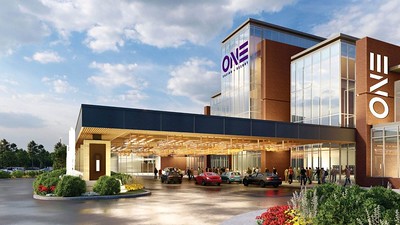
In Richmond, advertising campaigns for and against the proposed Urban ONE casino are heating up ahead of the November 3 referendum, when voters will determine the fate of the $600 million project. It would be developed at the site of the former Philip Morris Operations Center in the Southside area.

Urban ONE has put up several billboards with messages like “Invest in Southside” around the area; Urban ONE Executive vice President Karen Wishart said more than 75 billboards will go up in September. The company also is running broadcast commercials and has mailed out flyers to Richmond residents. Wishart said, “I just say, ‘Stay tuned,’ because we are going to do everything that we can do to spread our good message.”

Opposition groups also have mobilized, putting up yard signs and also mailing out flyers. Quinton Robbins, spokesman for the advocacy group Richmond For All, said volunteers also have begun knocking on doors and talking to residents about voting against the casino. “We think it’s really important that we get a baseline for how people feel in the Southside. We’re expecting to expand throughout the city and get more volunteers and paid canvassers,” he said. The group has received $2,000 in donations so far, Robbins stated.

Also in November, voters in Amherst County will decide if they want a $40 million Rosie’s Gaming Emporium in a shopping center in Madison Heights. The project is estimated to generate $2 million in annual tax revenue and create 100 jobs. Organizers collected more than 2,000 signatures to place the referendum on the ballot.

The opposition, however, has formed a Facebook group, Amherst Citizens Against Rosie’s and started a GoFundMe campaign that’s raised more than $4,000 to place ads urging voters to reject Rosie’s.

If the issue passes, developer said Rosie’s could be operating within two years.

Alabama Bingo Hall Scores New Legal Victory

For two decades, various Alabama state officials have been trying to shut down the VictoryLand casino in Shorter, Macon County. Most recently, the state attorney general’s office requested an injunction to close the venue while waiting for a full trial that would prove VictoryLand is a public nuisance. But Circuit Court Judge Steve Perryman was having none of it.

He wrote, “The court has not heard any evidence of any minor entering the premises described in testimony or of any breaches of the peace upon such premises, or any non-party business invitee at such premises having made any complaint that he or she suffered endangerment to his or her public health, morals, safety or welfare.”

Perryman added if any such report were made, he would schedule a hearing and change his order if necessary. Meanwhile, he wrote, VictoryLand is to remain open.

At the hearing, attorneys for VictoryLand presented several witnesses who testified about the casino’s positive impact in Macon County, notably through tax revenue and charitable donations.

Former Governor Bob Riley was the first state official to claim VictoryLand and other casinos were operating illegally, followed by former Attorney General Luther Strange. However, the casinos and several circuit court judges consider the operations to be legal, protected by specific constitutional amendments granting the casinos the right to operate bingo games in electronic form. The casinos have won more than 20 circuit court cases challenging their rights to operate but the state Supreme Court frequently created legal steps to rule against the casinos; it even made up a “bingo test” that observers claim was a political maneuver.

Former Governor Robert Bentley signed an executive order granting local law enforcement authority over electronic bingo casinos. He said local officials could best determine what was beneficial for their counties. Governor Kay Ivey has mostly stayed out of the conflict. Recent polls have indicated more than two-thirds of Alabama voters support some form of gambling. Still, current Attorney General Steve Marshall tried to shut down the casinos four years ago when he ran for the post; previously he said he wasn’t interested in fighting electronic bingo.

Rivers Casino Pittsburgh Celebrates Hotel Connection

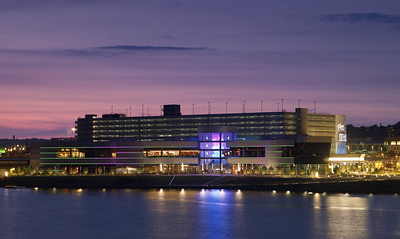
For the first time since hotel construction began in 2019—then stopped for Covid-19, then restarted this past June—Rivers Casino Pittsburgh celebrated its physical connection to The Landing Hotel, the seven-story, 219-room hotel addition that will complete the property as a casino-hotel.

The ceremonial steel beam for the bi-level enclosed corridor that attaches the North Shore casino to its new hotel was laid on August 20.

At a Connection Ceremony, the Rivers-yellow steel beam, signed by Massaro Corp.’s workforce and representatives from Rivers Casino, was hoisted into place. The beam marks the first time the seven-story, 219-room hotel addition will materially “meet” the original Rivers Casino building. The corridor itself will be completed next year.

“The literal connection of the two facilities is fundamental for integrating the casino’s gaming and entertainment complex with the new hospitality venue,” said Steven Massaro, president of Massaro Corp.

Rivers Casino’s hotel project was reactivated earlier this summer. The construction site had been idle for 15 months due to COVID-19. The hotel attaches to the existing casino on the east façade, facing the Carnegie Science Center. When The Landing Hotel Pittsburgh opens sometime next year, approximately 128 permanent new jobs will be added.

“Our thanks to all of the talented labor teams, subcontractors, and to Massaro Corp. for hitting the ground running when construction on The Landing Hotel restarted,” said Bud Green, interim general manager of Rivers Casino Pittsburgh. “We look forward to celebrating our grand opening in 2022.”

The Landing Hotel Pittsburgh has been designed with a contemporary urban aesthetic inside and out. A life-size model guest room was unveiled inside Rivers Casino following the connection ceremony. The mock room is located just off of the casino’s gaming floor.

Klai Juba Wald is the interior designer and architect of record for The Landing Hotel Pittsburgh. Hotel guests can expect a cozy color palette of deep blues and rich golds, tactile finishes, and surprising pops of color. Artwork in each room will feature local themes and showcase the beauty of Pittsburgh. Once completed, The Landing Hotel will offer overnight stays with panoramic city and riverfront views.

Major Esports Player May End Participation

The next big thing might not be so big after all, at least not for Allied Esports Entertainment.

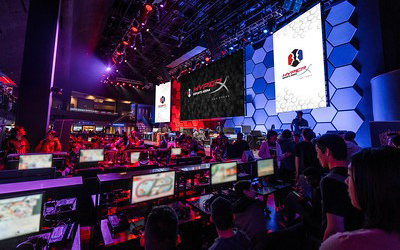
In 2018, with the opening of the HyperX Esports Arena at the Luxor in Las Vegas, Allied Esports was among the first to invest in the potential of esports as a spectator sport and betting option. Now it’s exploring the sale of the venue and getting out of esports altogether, according to the Las Vegas Review-Journal.

Company President and CEO Claire Wu said Lake Street Capital Markets from Minneapolis will assist in providing options, including a sale. Allied sold the World Poker Tour for $105 million to Element Partners in a sale that closed July 12.

The problem with HyperX, apparently, was that the arena appealed mainly to teenage gamers too young to gamble. Some observers criticized a dearth of programming and investment.

“We’re not kind of boxed in to have to do a particular deal under a particular timeframe, and then have to do it under poor economic deal terms,” Chief Financial Officer Tony Hung said on a recent conference call with investors.

The company expects to use cash from any sale, including proceeds from the poker tour, to move into online entertainment or other aspects of gaming.

New Orleans Mandates Indoor Pandemic Rules

Harrah’s New Orleans Hotel & Casino recently became the first resort in the U.S. to require guests to show proof of vaccination or a negative Covid-19 test to be allowed to enter.

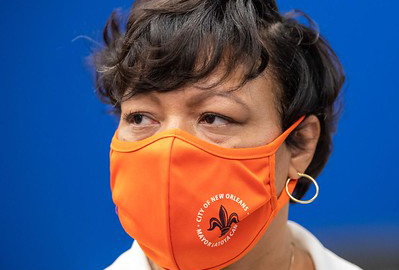
The rule is part of a comprehensive mandate issued by Mayor LaToya Cantrell, which covers Harrah’s New Orleans Hotel & Casino and the racino Fairgrounds Racecourse & Slots, plus bars, restaurants, gyms, concerts and the newly rebranded Caesars Superdome.

Former state Senator Ronnie Johns, the new chairman of Louisiana Gaming Control Board, said, “It’s a lot of logistics to implement this. Harrah’s and the racetrack know they have to comply, and they’re going to comply. I know the industry wants to work with the mayor and to be compliant and safe.”

Johns added, “We’re just trying to get a handle on how the gaming industry is going to be able to work through this with their employees and patrons alike. Our concern is the proximity of New Orleans to the Mississippi Gulf Coast. Those customers who do not want to go through that protocol will have the option to drive over to the Mississippi market which does not have these mandates at this time. We have no doubt that this will have a negative impact on the gaming industry.”

Johns said the gaming board has been encouraging and recommending vaccinations for casino employees and patrons. “Our numbers are just going through the roof right now. We’re going in the wrong direction. I know the mayor is trying to protect the city and people’s well-being and their health.”

Johns noted the nearby casinos outside the city limits, Treasure Chest Casino Kenner and Boomtown New Orleans, are smaller venues and are not destination resorts like Harrah’s New Orleans, he said. However, he said the vaccine mandate will affect casinos as well as other non-gaming businesses. “New Orleans is a hospitality city for restaurants, bars, entertainment venues, hotels and a huge convention city. The implications of this for the entire business community are going to be significant.”

Brendan Bussmann, a director of public affairs for Global Market Advisors, said it’s too soon to tell whether or not other states and cities with casinos will require a vaccine or negative test to enter. “What we’ve said from the beginning is this is all unprecedented. It’s very day-to-day, whether that’s mask mandates, a potential third shot or other requirements like hospitality outlets requiring vaccines for employees. There’s a lot on the table and a lot of moving parts on how it’s all going to shake out.”

MGM to Peddle Picassos

On October 23, MGM Resorts will sell 11 Picassos worth up to $104 million. The sale will be conducted by Sotheby’s and take place live at the Bellagio in Las Vegas. It includes original paintings, works on paper and ceramics, according to Bloomberg.

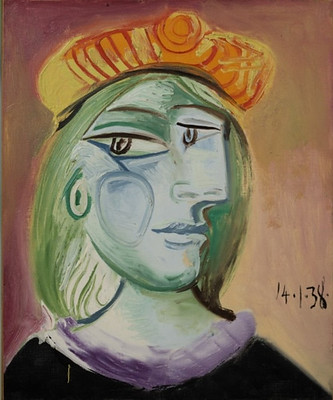
A 1938 painting, “Femme au Béret Rouge-Orange,” which depicts the artist’s lover Marie-Thérèse Walter, should fetch the highest price, up to $30 million. Like many of the other artworks for sale, the painting was acquired by gaming titan Steve Wynn, who built the Bellagio in the 1990s.

The Bellagio’s parent company, Mirage Resorts, merged with MGM Grand in 2000 and became MGM Resorts International in 2010. In 2019, MGM sold the Bellagio to the Blackstone Group for $4.25 billion, though MGM Resorts continues to operate the property.

The Picassos hung on the walls of the Bellagio’s Picasso restaurant. A 1969 painting Buste d’Homme, worth up to $15 million, hung behind the restaurant’s bar. Another painting from that era, Homme et Enfant, estimated to sell between US$20 million and US$30 million, graced the restaurant’s lounge.

The restaurant will continue to display a dozen Picasso originals. MGM Resorts said it intends to diversify its collection with art from underrepresented communities.

The art gallery at Bellagio also includes pieces from Wynn’s collection from Henri Matisse, Vincent van Gogh and others. Wynn and Mirage Resorts each owned half of the $400 million art collection. The billionaire took his art with him and bought additional pieces from Mirage following the sale to MGM. MGM sold several pieces to pay down debt accompanying the Mirage acquisition.

The Bellagio Gallery of Fine Art now displays contemporary art and rotating exhibitions, while Wynn continues to collect and deal art through Wynn Fine Art.

The public can view all 11 pieces free at Sotheby’s New York galleries September 7-13 and the Bellagio Gallery of Fine Art October 21-23. International exhibitions are scheduled for Taipei, Taiwan September 17-18 and Hong Kong October 7-11.

Brooke Lampley, Sotheby’s chair and worldwide head of sales for global fine art, said it was a “privilege” to help MGM diversify its collection of artists and works through the Picasso auction.

“We couldn’t imagine anyone better than Picasso to inaugurate this unique art and culture experience,” she said in the announcement.

First Arizona Sports Betting Licenses Announced

After a confused process that left many event wagering operator applicants not knowing whether they would be granted licenses in Arizona, the first licenses have been announced. Some were able to begin marketing on August 28.

The first to announce were FanDuel and Penn National Gaming. They were licensed as “designees” and their professional sports teams were licensed as operators.

FanDuel is partnered with the Phoenix Suns and Penn National Gaming with Phoenix Raceway. FanDuel plans to open a digital sportsbook and retail location at the Suns’ Footprint Center. FanDuel plans to open digital sports betting first, with in-person wagering coming later. Penn National Gaming will go live with its Barstool Sportsbook platform and later open retail sports book at the raceway.

Other partnerships include Arizona Cardinals and BetMGM, Arizona Diamondbacks and Caesars, Phoenix Mercury and Bally’s, TPC Scottsdale and DraftKings. Caesars will offer in-person wagering through kiosks beginning September 9, while Barstool, BetMGM, FanDuel, and DraftKings are waiting for the ADG nod.

There are some multiple partnerships, e.g. BetMGM, which is partnered with Gila River Casinos and Caesars, which has access with the Ak-Chin Indian Community. BetMGM plans to open retail sportsbooks at all three Arizona Gila River casinos and at State Farm Stadium.

BetMGM CEO Adam Greenblatt said in a statement, “It is an exciting day here at BetMGM to get the official sign off to launch on day one of sports betting in Arizona.” He added, “Through our partnerships with Gila River and the Arizona Cardinals, as well as the benefits of being connected to MGM Resorts properties nationwide, we have many exciting things in store for sports fans in Arizona.”

Pre-registration for the BetMGM app also opened on August 28.

The NHL Coyotes haven’t yet announced a partner after they learned that the city of Glendale was not renewing its lease after this season.

A further complication: ADG has 16 applicants for tribal licenses, but only 10 licenses to give. That means it will need to apply a 19-point list to trim the applicants down to 10.

One that has apparently made the list is PointsBet, whose partner is the Yavapai-Apache Nation.

Gambling partnerships have reached the college ranks as Caesars Entertainment signed an agreement with the Fiesta Bowl Organization.

Caesars will host fan lounges at the annual bowl game in Glendale, Arizona and at the Guaranteed Rate Bowl, which is played at Chase Field in downtown Phoenix.

Fans will be allowed to bet at a sportsbook and bar on the plaza adjacent to Chase Field, which is home to the Arizona Diamondbacks, who also have a partnership with Caesars.

“This is the evolution of sports as a whole and we’re excited for it,” Fiesta Bowl Chief Marketing Officer Jose Moreno said.

Caesars will also become title partner of the pregame parties and be the presenting partner of the game’s kickoff luncheon.

“When this opportunity presented itself to be a part of the Fiesta Bowl and Guaranteed Rate Bowl, we really jumped on it,” said Dan Shapiro, the chief development officer of Caesars Digital. “We thought it was a perfect fit for everything we’re doing in Arizona.”

Daily Fantasy Sports operator licenses are also being granted, with FanDuel being the first, with plans to launch on August 28. Before DFS operators can launch they must have contest operator internal controls and house rules approved by the state.

Louisiana Approves Emergency Sports Betting Rules

The Louisiana Gaming Control Board recently unanimously passed emergency sports betting rules that will take effect Monday, August 30 and will be good for 180 days. The board did not post the rules or provide them to stakeholders prior to the vote but LGCB Director Ronnie Johns said his staff received stakeholder input and included several of their in the emergency rules.

Louisiana voters in 55 of 64 parishes legalized mobile and retail sports betting last November. Then state lawmakers passed framework and tax bills on June 10 and Governor John Bell Edwards signed the legislation June 23.

Retail sports betting will be available through up to 41 digital sports wagering platforms, the state’s 15 riverboat casinos and four racetracks plus Harrah’s New Orleans land-based casino and lottery kiosks at locations with Class A on-site liquor licenses. Applications for prospective daily fantasy operators also are available.

Each venue can apply for a sports betting application and hand-deliver it to the State Police, leading to a temporary license, “so sports wagering could get off the ground,” said Assistant Attorney General Dawn M. Himel. But an industry spokesperson said some of the commercial venues could be ready to take in-person bets around mid-September, well before the anticipated Thanksgiving launch. “This has been the number-one question asked of me: ‘When is sports betting coming?’ We are behind our neighbor in Mississippi, but we’re going to try to catch up quickly. I’m hopeful we’ll be able to get started by the middle of football season,” Johns said.

The emergency rules are valid for six months, and the board can renew them for another six months. Permanent rules are expected to be developed in the next few months and will have a public-comment period.

The new law requires a $250,000 sports betting license application fee and a $500,000 renewal fee, good for five years. Bettors must be age 21 or older. Bets cannot be placed on high school or youth sports events. Athletes, coaches and referees cannot bet on a sports event in which they are involved. Residents of parishes that did not approve sports betting can place wagers if they travel to a parish where sports betting was legalized.

Among key criteria for receiving a sports betting license, the LGCB stated:

  • Operators must offer the “greatest potential” for revenue to the state.
  • An applicant’s character, reputation, experience and financial integrity will be considered.
  • Applicants must have sufficient capitalization, and
  • The physical sportsbook must meet certain design criteria.

Connecticut Waits on Sports Betting Launch

Various delays could cause Connecticut’s new sports betting market to miss the start of the NFL season. This from Action Network which provides sports betting data and odds.

FanDuel and DraftKings still need approval to open their sportsbooks with Mashantucket Pequot and Mohegan Tribes. The approval depends on a thumbs-up from the Department of the Interior, which could vote on September 9, when the Dallas Cowboys meet the Kansas City Chiefs for the NFL kickoff.

Once operational, Connecticut will become the first New England state with more than one live sportsbook.

When Connecticut wagers start rolling in, CTSharp.com predicts the combination of online sports betting and online casinos could reach $418 million in annual combined revenue once the market matures, most of that from online casinos.

North Carolina Senate Passes Sports Betting Bill

The North Carolina Senate recently voted 26-19 to approve Senate Bill 688, which would legalize and regulate in-person and online sports betting; online wagering only would be permitted at or near sports venues in the state.

The majority of Senate Republicans, who control the chamber, opposed the bill but nine Republicans joined most Democrats in supporting it, noting sports betting already is happening in the state. They said the state could regulate and tax the activity to help pay for public education.

The bill’s sponsor, state Senator Jim Perry, said, “I look at this as more of a voluntary tax from people already taking place in that market. We know they’re already spending, choosing to spend their money that way. And I believe I owe it to the people I represent to try to find alternative means to meet the needs of the community.” The bill now moves on to the House. Perry said, “I’m not going to bet on the outcome” of the measure in that chamber.

Under the measure, the North Carolina Education Lottery would issue between 10 and 12 interactive sports wagering operator licenses plus supplier licenses. The initial licensing fee would be $500,000 for operators; $25,000 for providers of services like a platform or odds; and $25,000 for suppliers.

Gross revenue would be taxed at 8 percent with half the proceeds directed to a special fund to bring sporting events and attractions to the state. Most of the remainder of the money would go to the state’s general fund. with $1 million going to problem gambling services. The legislature’s fiscal staff estimated sports betting revenue could range from $8 million to $24 million.

Observers said licensees could be available as soon as January for wagering on college, professional and some amateur sports, including game outcomes and other categories. Operators also could set up an in-person betting location within or near a professional sports arena or where an annual pro golf event is held.

State Senator Jim Burgin voted against the bill, stating it “produces very little money and it targets young people.” North Carolina Family Policy Council Executive Director John Rustin said residents will be “overcome with advertisements and promotions that are pushing, pushing, pushing gambling on our citizenry.”

BetMGM Brings Sports Betting to Deadwood

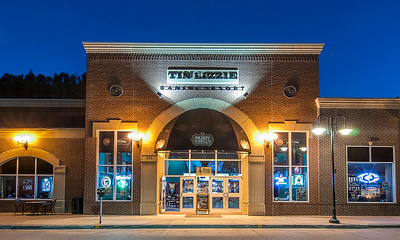
BetMGM staked its claim to Deadwood’s Tin Lizzie and Cadillac Jack’s Gaming Resorts, both owned by Liv Hospitality. The exclusive partnership will offer retail and mobile sports betting.

“Liv Hospitality’s prime resort locations in Deadwood make it an ideal partner for us,” Adam Greenblatt, BetMGM CEO said.

Pending regulatory approval, the BetMGM app will be available within Tin Lizzie and Cadillac Jack’s in September. The mobile app will complement a retail BetMGM Sportsbook which will permit bets at kiosks and at a window.

“Visitors now have another reason to come to Deadwood, while enjoying the many other entertainment opportunities at our resorts,” said Caleb Arceneaux, CEO of Liv Hospitality.

Colorado’s Ute Tribe Offers Sportsbook

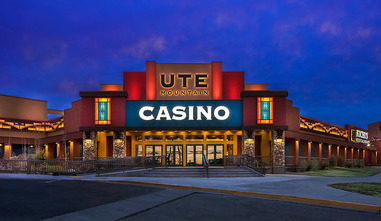
Colorado’s Ute Mountain Ute Casino opened its sports betting venue August 24. It will have retail in person wagering and betting using a mobile app: UteBet.

It will all go live about two weeks after the first day of the NFL season, September 6.

The tribe has partnered with International Game Technology to offer that company’s Playsports platform. It will have three betting stations and four kiosks and will feature 16, 55-inch LED screens and one 98-inch LED screen showing events and odds.

The Ute tribe celebrated with a ribbon cutting and tribal blessing. Then a member of the tribe placed the first bet.

The tribe was able to offer sports betting after voters last November passed a proposition legalizing sports betting in the Centennial state.

NY Tribe Wants Mobile Sportsbook

The Oneida Indian Nation of New York has partnered with five other groups to bid to operate online sports betting across the Empire State according to details that the tribal Gaming Commission released about applicants.

They are partnered with a proposal led by Kambi, a sports betting firm based in Europe and including Caesars Entertainment, Resorts World, Rush Street Interactive, PointsBet, WynnBET and the St. Regis Mohawk nation.

The commission hopes to issue at least two licenses for platforms in time for applicants to begin taking wagers late this year or early 2022 in time for the Super Bowl in February. Each platform will be able to partner with one or more operators, which will take the wagers. Each license will cost $25 million and wagers will be taxed at 50 percent.

The nation is hoping to protect its monopoly on gaming in the 10-county Central New York region. Representatives of the tribe have expressed concerns about the state’s plans to offer mobile sports betting.

The exclusivity is tied to the $70 million the tribe pays to the state. According to the proposal the nation would be willing to waive exclusivity for online gaming if their partners are selected for the license.

Currently the only kind of sports betting in New York is at the state’s four commercial casinos and seven tribal casinos.

Some have criticized the New York model’s tight market and limited number of operators, saying they will mean less revenue than is generated in other states.

BetMGM Takes Share from DC Rivals

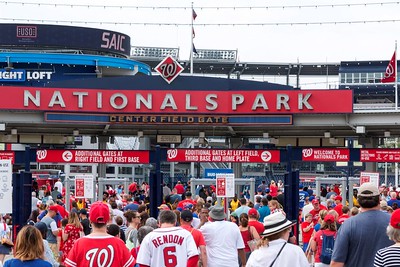
BetMGM unveiled its mobile DC sportsbook in June as part of its partnership with the Washington Nationals.

The sportsbook, while third out of three, still took market share from both competitors, William Hill and GambetDC, according to Legal Sports Report.

BetMGM’s success is another blow to GambetDC, operated for the Lottery by Intralot. Its odds cannot compete with its rivals even though it covers much more territory. BetMGM and William Hill are limited to the two-block radius from the venues where their partners play.

BetMGM was the only operator that saw its handle share grow in July.

The operator finished third with a 5 percent share. GambetDC accounted for 16.8 percent of the market, losing almost a percentage point. William Hill’s handle share dropped 2.2 percent, but the sportsbook still accounted for more than 78 percent of the market.

BetMGM operated a mobile-only sportsbook as the physical version is not yet open at Nationals Park.

FanDuel Sportsbook is also coming to the district, though there is no expected launch date. FanDuel submitted its application in early June.

NFL Adds Sportsbook Partners, Texans Partner with Caesars; Ravens Join with DraftKings

With NFL season just around the corner, the league has more than enough partners in sports betting with the addition of BetMGM, PointsBet and WynnBET, which have joined FOX Bet as second-tier authorized operators.

DraftKings, FanDuel and Caesars are in the first tier, with five-year deals each. There may be other partners coming before football season begins in September.

The latest partnerships centers on data and advertising. The operators purchase official league data from NFL partner Genius Sports and will be able to advertise on TV around NFL games, according to Sportico.

All operators in second tier have other ties to the league. WynnBET has a partnership with the Detroit Lions, while BetMGM has more than a half dozen team deals, including the New York Jets, Las Vegas Raiders, Pittsburgh Steelers, and Baltimore Ravens. The company is also building a sportsbook in the stadium for the Arizona Cardinals.

In related news, Caesars Entertainment will become the official casino partner of the Houston Texans beginning just prior to the kick-off of the NFL season, according to CDC Gaming Reports.

“I’m thrilled to launch this multi-year partnership with Caesars Entertainment,” said Texans President Greg Grissom in a statement. “It aligns perfectly with our commitment to creating memorable experiences for our fans. We have some great events lined up for this upcoming season that fans will not want to miss, and this partnership with Caesars is just another example of how we continue to look for ways to enhance the experience.”

The agreement includes a Schedule Pick ‘Em game that will be available on the Texans’ mobile app. Sponsored by Caesars Rewards, the game allows fans to make game predictions and win prizes including gameday tickets and a trip to a Caesars Entertainment property.

Each game will reward one season ticket holder with a trip to Las Vegas.

“We look forward to creating extraordinary experiences for Texans fans by doing what we do best, leveraging Caesars Entertainment’s vast portfolio of casino, hospitality, entertainment, and sports expertise,” said Caesars Digital Co-President Chris Holdren in a statement.

And in yet another deal, the Baltimore Ravens and DraftKings Inc. last week announced a new deal designating DraftKings as the official daily fantasy sports partner and an official sports betting and free-to-play partner of the football team.

It’s DraftKing’s first such partnership in the state of Maryland and its fifth active strategic agreement with an NFL team.

“With the start of the 2021 NFL season upon us, our latest designation with the Baltimore Ravens further exemplifies our commitment to fan engagement by way of the DraftKings experience,” said Ezra Kucharz, DraftKings’ chief business officer. “The newly penned relationship offers something for every kind of sports fan and will allow them to engage with DraftKings’ digital content, free-to-play product, daily fantasy sports and, perhaps soon, sports betting, to ultimately bring them closer to the action alongside one of the top teams from the AFC North.”

The new deal will feature DraftKings branding and custom content as part of the Baltimore Ravens’ weekly podcast, “The Lounge.” Expanding further into multi-media platforms, DraftKings will also be named the title sponsor of Baltimore WBAL-1090 News Radio’s Gameday Insider pregame show and a presenting sponsor of the Ravens Wired video online content series, in addition to homepage takeovers on BaltimoreRavens.com, ahead of select games and events.

“This partnership reflects our continued commitment to delivering unique engagement experiences for our fans,” said Ravens Chief Sales Officer Kevin Rochlitz. “We’re proud to collaborate with an industry leader in DraftKings, and we look forward to seeing the innovative ways in which we’ll better connect with the Ravens fans across our many platforms.”

As part of the collaboration, DraftKings branding will be visible throughout M&T Bank Stadium. Additionally, the new deal offers exclusive gameday experiences, including away game trips, autographed merchandise, a Punt, Pass & Kick (PPK) event available to DraftKings customers through in-season daily fantasy and sportsbook contests, and a DraftKings-NFL Official Free-to-Play game.

Washington Football Team Joins AGA Responsible Gaming Initiative

The Washington Football Team, once known as the “Redskins,” has joined the American Gaming Association’s “Have A Game Plan. Bet Responsibly” public service campaign, making it the first National Football League team to partner with the AGA to promote responsible sports betting.

The Washington Football Team will connect Have A Game Plan in-stadium activations, sponsor content on washingtonfootball.com, and campaign promotion on the team’s upcoming preseason radio and television broadcasts.

“With legal sports betting now permitted across our region, we are ensuring responsible gaming serves as a foundation for how we engage in this exciting commercial market,” said Washington Football Team Chief Partnership Officer Scott Shepherd. “We’re not only proud to partner with the AGA, the architect of Have A Game Plan, but also proud to lead by educating fans as they enjoy football in an engaging, new way.”

“Getting sports betting right is a shared responsibility for everyone involved,” said AGA Senior Vice President Casey Clark. “The Washington Football Team’s partnership demonstrates their leadership and commitment to making responsibility core to their sports betting strategy. Today’s announcement puts Have A Game Plan in front of more fans and is a step further in building a responsible, sustainable legal market.”

The season-long campaign will launch during the team’s first home preseason game on August 20 versus the Cincinnati Bengals. The Washington Football Team’s preseason radio and television broadcasts will include 20-second spots encouraging fans to bet responsibly and directing fans to AGA’s Have a Game Plan website for resources and other information.

The AGA launched Have a Game Plan in late 2019 to educate sports fans on the principles of responsible sports betting. As the first NFL team to join the campaign, the Washington Football Team joins official campaign partners DraftKings, FanDuel, Monumental Sports and Entertainment, NASCAR, NHL, PGA TOUR, Sightline Payments, Sinclair Broadcast Group, Vegas Golden Knights, and UFC.

Former ESPN Personality to Create Sportsbook Content

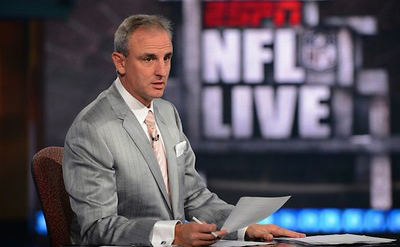
Former ESPN personality Trey Wingo has been hired by Caesars Entertainment as brand manager for its sports betting content.

Caesars announced, “The former ESPN personality is joining the company as its chief trends officer and brand ambassador.”

“I want to tell the stories behind the odds,” said Wingo. “I am excited about where the Caesars brand is going, and I wanted to be part of the team that is creating content to engage our sports bettors.”

Caesars Digital President Eric Hession said, “We believe one way of treating our sports bettors as royalty is to give them the content they are craving. We are thrilled to make someone as talented and respected as Trey part of the Caesars Sportsbook team. Few sports media personalities can match Trey’s combination of sports experience, insightful analysis, and ability to deliver content in an entertaining way.”

In 23 years at ESPN, Wingo hosted “NFL Live” and the network’s NFL Draft coverage. He left the network in 2020.

Nevada Non-Strip Operators Object to Online Gaming

With the major operators on the Las Vegas Strip going all in for iGaming, a group of non-Strip casino owners, bars and restaurants and Northern Nevada properties are objecting to the legalization of online gaming in the state. The 28 operators send a four-page letter to the Nevada Gaming Control Board outlining their objections and asking the board to consider all opinions when considering the mobile wagering options.

While Nevada has legalized mobile sports betting and online poker, the group believes legalizing online casino gaming is going too far. Even though the major corporations involved in online gaming want it expanded to the state, many of the signatories of the letter are prestigious and important powers in the state. Red Rock Resorts executives Frank Fertitta III and Lorenzo Fertitta; South Point Casino CEO Michael Gaughan; El Cortez Chairman and CEO Kenny Epstein; Golden Gate, The D Las Vegas and Circa owner Derek Stevens; and Plaza CEO Jonathan Jossel and just a few of the respected executives who signed the letter. Two operators of Strip casinos also signed the letter, Blake Sartini, of Golden Entertainment which owns the Strat and, Alex Meruelo, whose Meruelo Gaming operates the Sahara on the Strip and Reno’s Grand Sierra.

“We strongly oppose any expansion of online gaming in Nevada,” the letter states. “In your potential consideration of online gaming, we ask that you are deliberate in determining if online gaming is needed to grow Nevada’s economy, helpful to our local communities and consistent with our long-established regulatory framework.”

While many of the executives refused further comment, some were adamant in their objections.

“I’m just trying to keep my people working,” Gaughan told the Las Vegas Review Journal. “I got enough problems around here. I don’t need to compete against internet gaming.”

Monarch Casino Resort Inc. CEO John Farahi, who operates Atlantis Resort in Reno, said he signed the letter a few weeks ago. Monarch

“Now all of a sudden we want to take gaming to people’s living rooms and bedrooms. It makes no sense,” Farahi told the RJ.

“We want there to be a discussion, not just throw the doors open,” said Andrew Diss, vice president of government affairs for Meruelo Gaming, owner of the Grand Sierra in Reno and the Sahara in Las Vegas.

Northern Nevada casino operators also signed, including Anthony Marnell III (Nugget Casino Resort), Ferenc Szony (Truckee Gaming), Jeff Siri (Club Cal Neva), Rob Mederios (Boomtown), J Grant Lincoln (Baldini’s) and John Farahi (Monarch Casino Resort).

Executives also came out in support of restricted gaming venues, which offer 15 or fewer slot machines, believing licensing of out-of-state online gaming companies could undermine those businesses too.

Mega-operators such as MGM Resorts International, Caesars Entertainment, Wynn Resorts, the Las Vegas Sands Corp. and Boyd Gaming did not sign the letter. Other than the Sands Corp., all have online gaming operations outside Nevada, primarily through mobile sportsbooks, but now even the Sands is getting into the act following the January death of founder and Chairman Sheldon Adelson, an outspoken opponent of iGaming. The company announced in July that it would build a “digital gaming investment team.”

The impact on jobs appeared to be one of the key objections.

“Reduced jobs in physical gaming locations will hinder the enormous efforts the gaming industry and Nevada are making to recover from the pandemic and hurt the long-term economic growth of our state,” the letter said.

In addition to jobs, the letter fears for revenue if online gaming is legalized.

“Physical gaming locations are the economic engines of the state, employing over 430,000 Nevadans, supporting $19 billion in total wages, and paying almost $1.8 billion in industry-specific fees and taxes to both the state and local municipalities,” the letter states. “Online gaming will take revenue away from our existing casino resorts and other gaming locations, which will result in the elimination of jobs that are no longer needed with less visitation to physical gaming properties.”

The letter also points out that Nevada is different than other states that have approved online gaming, which has proven to be successful there and not poach players from land-based casinos.

“Online gaming has been approved in states with a limited number of commercial casinos, some without any commercial casinos at all,” says the letter. “In states with limited land-based gaming properties, online gaming may capture gaming tax revenue for the state that it otherwise would not receive by providing easier access to gaming entertainment.”

The letter asked that the Gaming Control Board ask the state’s Gaming Policy Committee, a 12-member informal group that considers how changes in gaming policy would affect the health of the industry. With the governor as chairman of the committee, other members include one member from both the Nevada Gaming Control Board and the Nevada Gaming Commission, a state senator and assemblyman, and a member of a Nevada Indian tribe. The governor then has the ability to appoint the final six members of the group.

Under former Governor Brian Sandoval, the committee issued recommendations on sports betting, daily fantasy sports, esports and marijuana sales and how they relate to gaming. Current Governor Steve Sisolak has yet to use the committee.

In May, the GCB postponed a workshop that was to consider online gaming and a change from the in-person requirement for sports betting in the state. The board said it wanted to wait until the state legislature ended in June, but the workshop has still not been rescheduled.

Twitch Pressured to Ban Gambling Services

Twitch wants to switch, as in switch off gambling affiliates.

In a statement Twitch said, “To prevent harm and scams created by questionable gambling services that sponsor content on Twitch, we will prohibit sharing links and/or referral codes to sites that offer slots, roulette, or dice games.” The company also pledged to “continue to monitor gambling-related content and update our approach as needed.”

Creators were given until August 17 to eliminate such content from their channels. Affiliate streamers supposedly take in more than $1 million a month from particular operators. But according to CDC Gaming Reports, it also adds another negative connotation to iGaming. The focus of Twitch’s wrath centered on crypto-gambling sites as exposed in the July issue of Wired.

U.S.-based streamers accessed crypto-gambling casinos deemed illegal. Promotion of such sites was thus illegal as well. According to Wired, Twitch’s terms of service prohibit illegal activity but does not explicitly ban gambling streams.

The National Council on Problem Gambling called for a ban over concerns that such streaming can result in underage gambling and addiction.

“Twitch has taken a good first step to help protect young and vulnerable users by preventing the sharing of links to gambling websites,” said Council Executive Director Keith Whyte. “However, much more must be done. Everybody should be concerned that Twitch still allows the broadcast of unregulated and illegal gambling and that sites like Stake and Roobet pay popular streamers to play the casino games on their channels.”

The council has called on Twitch to keep gambling content to adults with mechanisms to verify age.

Aristocrat Acquisitions Boost Digital Space

Aristocrat Leisure Limited announced that it has entered into a number of deals to further expand its digital game development capability, in line with its growth strategy.

The investments are strongly aligned to targeted genres, particularly the high-growth casual and merge segments where Aristocrat Digital already has a presence, and the social casino segment, in which the business has a market-leading position globally.

In total, three new studios will join Aristocrat Digital, deepening the business’ access to game development talent and studio capabilities in top-tier mobile game talent hubs across Northern and Eastern Europe. Details are as follows:

Aristocrat has agreed to acquire Helsinki-based free-to-play mobile gaming studio FuturePlay, which specializes in the growing merge/match 3 segment of the casual market. Founded in 2015, FuturePlay has released six games that have been played by over 140 million users around the world, including titles such as Merge Gardens, Idle Farming Empire and Battlelands Royale.

FuturePlay will operate under the existing leadership of Jami Laes, as a studio reporting within Aristocrat’s Plarium business. This will bring together Plarium’s best-in-class game development infrastructure and marketing expertise with FuturePlay’s casual mobile capabilities, enabling Plarium to expand and diversify their portfolio (which includes the global sensation RAID: Shadow Legends).

Given talent opportunities in the region, Aristocrat has established a further Helsinki-based studio, Northern Stars. Northern Stars will focus on the emerging hybrid casual genre under the world-class game development and studio leaders Minwoo Lee (ex EA, Rovio, Ubisoft) and Antti Nikander (ex Rovio). Minwoo and Antti bring a wealth of experience to the group, which will help us grow Aristocrat’s presence in Finland and further expand its game development capabilities.

Aristocrat also has acquired Playsoft, the Gdańsk, Poland-based mobile gaming studio specializing in the social casino genre. Playsoft has a year track record of over 13 years, developing more than 50 successful game titles for third-party partners. Playsoft will operate within the Product Madness business, and continue to be led by its founders Nicolas Bensignor and Pierre Olivier Monteil. The studio will help accelerate Product Madness’s pipeline and deliver innovation, while establishing a strong footprint for the company in another strategic European location.

“These deals are consistent with Aristocrat’s successful strategy of bringing more world-class game development talent and capability into the organization to expand our game pipeline and sustain our strong growth momentum in digital,” said Aristocrat Digital CEO Michael Lang.

“We are thrilled to welcome FuturePlay, Northern Stars and Playsoft to the Aristocrat Digital family, given their impressive track records in game development, creativity and innovation. Coupled with Aristocrat Digital’s ambitious strategy, global scale, marketing and investment capabilities, we look forward to helping our new colleagues reach new heights as part of Aristocrat.

“We will continue to be active in pursuing global talent and studio deals that accelerate our growth strategy, alongside our sustained, proven focus in driving organic growth and above-market results.”