Author: Casino Connection Staff

Holiday Entertainment at the Shore

The Jersey Shore is the place to be this holiday season, with a variety of events that will warm those frosty nights.

Pretty Lights, Trees & Family Outings

Atlantic City Christmas Parade
Boardwalk, Atlantic City NJ
Dec. 10. 2017 ● 1:00 p.m.
Christmas Parade on the Boardwalk from Boston Avenue to Showboat. 2017

Tickets:  Free for all to view
Phone: 888-228-4748

Santa & “His Lighthouse Elves” Pizza Party
Absecon Lighthouse at New Jersey Ave., Atlantic City, NJ 
Saturday, Dec. 9, 2017 • 11:00am to 3:30pm
Absecon Lighthouse will light up the holidays on Saturday, December 9. Santa and his Lighthouse Elves will host kids of all ages for holiday crafts in the museum, climb to the top to meet Santa Claus, and pizza from the award winning restaurant “Tony Boloney’s”.
Tickets: $15.00 per person
Phone: 609-449-1360 • Visit: www.abseconlighthouse.org

Hammonton Downtown Tree Lighting & Christmas Parade
Downtown Hammonton, NJ 
Saturday, Dec. 2, 2017 • 6-9pm
Let the magic of Christmas begin! Enjoy carolers, carriage rides and watch Santa light the Town Tree at 7pm. Stores, restaurants and galleries will be open late during the Tree Lighting. Rain date is December 3rd.
Saturday, Dec. 9, 2017 • 7pm
Firemen’s Christmas Parade takes place in Downtown Hammonton
Visit: www.facebook.com/downtownhammonton

Tropicana’s Holiday Musical Light Show
The Quarter at The Tropicana Casino and Resort, Atlantic City, NJ
Through January 2, 2018every hour on the hour, from noon until 10 p.m.
Free Holiday Musical Light Show in The Quarter featuring a 35-foot tree synchronized to holiday music. This not-to-be-missed experience combines interactive lights with an inspiring array of beloved holiday musical selections. Adding to the festive décor is Tropicana’s famed 25-foot Poinsettia Tree located in Palm Walk.

Tickets: FREE and Open to the public
Phone: 609-340-4000 • Visit: tropicana.net/holiday

Christmas Fantasy with Lights Parade
Storybook Land, 6415 Black Horse Pike, Egg Harbor Township, NJ 08234
Through December 30, 2017 (Closed 11/24, 12/24, 12/25)
Come experience holiday magic right before your eyes! Be here by 5:00PM when Santa Claus appears in his chimney, waves his magic wand, and lights the park with over one million lights for the holiday season! All of our rides, attractions, and snack bars are open! (Santa is in his home and lights the park until December 23.) Christmas Fantasy With Lights – A South Jersey Tradition for over 25 years!
Phone:  (609)-646-0103 ● Visit:  storybookland.com

An Old Fashioned Christmas in Cape May
Cape May, NJ
Through January 1, 2018
What better place to get into the true spirit of Christmas than Victorian Cape May? This seaside town is transformed into a Dickens village for the holidays with garlands of fragrant greens and twinkling gaslights. Wrap yourself in the warmth of holiday spirit and sample a seemingly endless variety of fun and tasty events. From trolley rides to wine tastings, from house tours to themed dinners, there is something for everyone! 

The Carriage House Gallery at the Physick Estate becomes a Christmas wonderland this time of year. It’s all about the wonder of Christmas morning with model trains and toys beneath the tree. You can actually stand under our tree and marvel at the intricate layout of dozens of Dickens Village houses, people and accessories that make the village come to life. Kids can write a letter to Santa and leave it in his special mail box.
Visit: www.capemay.com/eventcalendar

Brunch with Santa at NJMP
New Jersey Motorsports Park, Millville NJ
December 17 • 11:00am – 2:00pm
Santa is coming to town and he is making a stop at NJMP! All are welcome to NJMP for Brunch with Santa, 11:00am – 2:00pm, for a magical afternoon! $18 per person + tax and service charge; Children 4 – 10 years old: $9; Children under 3: FREE. For more information and to reserve your family’s space call (856) 327-7204 or email ccurry@njmp.com.

Breakfast with Santa includes:
• Brunch Buffet
• Photo Opportunity
• Child Ornament Craft
• Official Santa Letter Mailing Location (bring your own or write one here)

Visit: www.njmp.com

Ocean City Hosts Festive Holiday Events
Ocean City Parade
Downtown, Ocean City NJ
Dec. 1, 2017 ● 6:00 p.m.
This annual tradition features marching bands, dance groups, special guests and, of course, Santa. The parade begins at 6:30 pm and the route runs on Asbury Avenue from 6th – 11th St.

Breakfast with Santa
Sat. & Sun Dec. 2, 2017 – Dec. 23
At a different downtown restaurant each week until December 23rd.

Free Horse & Carriage Rides
Saturday & Sunday Dec. 2 – Dec. 17, 2017

FREE Horse & Carriage Rides – 12noon – 3pm, in front of City Hall, 9th & Asbury Ave.

Photos with Santa
Saturday & Sunday Dec. 2 – Dec. 23, 2017
Photos with Santa – 12pm – 3pm at the Music Pier. $10 per photo

A Christmas Carol, The Broadway Musical
Music Pier, Moorlyn Terrace & Boardwalk,
Friday, December 8, 2017 – Saturday, December 9, 2017
Ebenezer Scrooge is a prosperous curmudgeon who believes that personal wealth is far more valuable than the happiness and comfort.

For more information call 1-800-BEACH-NJ.
Visit: www.oceancityvacation.com/news-events/calendar-events


Holiday Music & Revues
Holiday Jubilee at the Tropicana
Tropicana Casino and Resort, Atlantic City, NJ
Through Dec. 22, 2017 • Shows days and times vary, check website
Holiday Jubilee at the Tropicana takes a fresh approach to presenting the most beloved holiday music, characters and story of the season. The dance ensemble of nine dancers and two vocalist who will light up the spirit of the Holidays. This ensemble will make you remember what the Holidays are all about. Escape the hustle and the bustle of the world outside and celebrate the true spirit of the holiday season with Holiday Jubilee at the Tropicana.
Tickets: $25.00 Adult $10.00 Child
Phone: 609-340-4000
Visit: tropicana.net/entertainment/entertainment-calendar

Colcannon’s Celtic Christmas
Stockton Performing Arts Center, Galloway, NJ
Dec. 2, 2017 • 4:00 p.m.
This is a Christmas party invitation everyone will want! A “Christmas Come-All-Ye’ with Colcannon, is a wonderful holiday presentation featuring great traditional and modern music, poems and stories. Audiences will enjoy all those great Irish Christmas tunes – a little wild, a little sad; as well as the famous tune about Mrs. Hooligan’s immortal cake.
No other holiday has the mystique of Christmas. Be it the solemnity and reverence surrounding Bethlehem or the camaraderie and gift-giving of the more secular celebrations, the moods of Christmas are many and rich. Colcannon’s Celtic Christmas is a celebration of those many moods.
Visit: www.colcannon.com

Christmas Queens
Borgata Hotel Casino & Spa, Atlantic City, NJ
Dec. 2, 2017 • 9:00 p.m.
Get in the holiday spirit this December in the Music Box with Christmas Queens! Enjoy an evening of drag featuring your favorite queens including Bob the Drag Queen, Phi Phi O’Hara, Violet Chachki and Sherry Vine! Don’t miss them!
Tickets: $25
Phone: 1-866-900-4849 • Visit: www.theborgata.com

Silent Film: 2nd Annual Christmas Spectacular
Boardwalk Hall, Atlantic City, NJ
Dec. 8, 2017 ● 7:00 p.m.
We will conclude our 2017 series with our annual Christmas Spectacular. Showing off the versatility of the W.W. Kimball Opus 7073 we will have silent film shorts, a Christmas carol sing along as well as other various acts with both the curatorial and outreach staff as well as our volunteers serving up plenty of Christmas Cheer!
Tickets: $20.00
Phone: 888-228-4748 ● Visit: www.boardwalkhall.com

The Irish Tenors Perform “We Three Kings”
Resorts Casino Hotel, Atlantic City, NJ
Dec. 9, 2017 • 8:00 p.m.
The Irish Tenors consist of artists Finbar Wright, Anthony Kearns and Ronan Tynan accompanied by a twenty – eight piece orchestra.  The Christmas show combines enchanting Irish repertoire with sweeping holiday selections in an evening filled with joy
Tickets: $55.00 – $85.00
Phone: 609-340-6000 • Visit: resortsac.com/entertainment-and-shows

Mannheim Steamroller Christmas
Caesars Hotel Casino, Atlantic City
Dec. 9, 2017 ● 9:00 p.m.
Mannheim Steamroller Christmas by Chip Davis has been America’s favorite holiday tradition for over 30 years! Grammy Award winner Chip Davis has created a show that features Mannheim Steamroller Christmas classics along with a selection of compositions from Chip’s groundbreaking Fresh Aire series. Experience the magic as the spirit of the season comes alive!
Tickets: $45.00 – $309.00
Phone: 609-441-5000 ● Visit: www.caesars.com/harrahs-ac/shows

Bay-Atlantic Symphony Presents: Holiday Cheer ‘17
Stockton Campus Center Theatre, Galloway, NJ
Sun., Dec. 10, 2017 • 2:00 p.m.
The Bay-Atlantic Symphony is lighting up the holidays in a beautiful way—with music that brings out the inner warmth of the season! Two (!) carol sing-alongs conclude our concerts — one with orchestra and the other gathered ’round our maestro at the piano. Baroque music fits the holidays like Stilton and Port. Let’s trim the tree and spin the dreidel!
Tickets: TBA
Phone: 609-652-9000 • Visit: stocktonpac.org/calendar

Atlantic City Ballet Presents: The Nutcracker
Caesars Hotel Casino, Atlantic City
Dec. 16 -17, 2017, • Sat. 7:00 p.m., Sun 4 p.m.
The Nutcracker, one of ballet’s treasured classics, tells the story of a little girl named Clara who is given a magical nutcracker doll on Christmas Eve. Embarking on a wondrous jo
urney through the Kingdom of Snow and the Land of Sweets, Clara encounters many unforgettable and timeless characters. Young and old alike will experience the many magical moments, of this beloved holiday ballet. There’s no better way to spend the holidays with family and friends than by sharing Atlantic City Ballet’s production of The Nutcracker.
Tickets: $45.00 Adults $20.00 Students/Child 10% Military Discount 15% Senior Discount
Phone: 609-348-7201/7202 • Visit: www.acballet.org

A Very Elvis Christmas
Dante Hall Theater, Atlantic City
Saturday, December 17, 2017 at 8 p.m.
Elvis fans worldwide will agree that no one captured the heart and soul of Christmas quite like the King. There’s no one who pays better tribute to Elvis than Jim Barone with A VERY ELVIS CHRISTMAS! Jim Barone, an award winning Elvis tribute artist, embodies the image, the sound and the essence of Elvis Presley, while seamlessly re-creating the excitement that Elvis generated in his live performances.
Tickets: $30.00
Visit: www.dantehallstockton.org


Holiday Dinner Theater at It’s Best
Atlantic City Palm Presents Dickens of a Murder
The Palm Restaurant, Tropicana Casino, Atlantic City, NJ 
Sun., Dec. 10 & 17, 2017 • 6:00 p.m.
Bah Humbug! Ebenezer Scrooge is known for his miserly, uncompassionate ways, but he’s a changed man! He’s been practically giving his money away. Scrooge’s nephew, Fred Sawyer, is throwing a Christmas party and everyone is delighted for his appearance. But what’s this? Sherlock Holmes?! What could he possibly want at a Christmas party? You soon find out that he’s investigating dear Scrooge’s murder. As more guests arrive and the Sawyer’s servant, Mrs. Dilber, attempts to spit-shine your spoon, you are Sherlock Holmes’ aid. This Christmas party’s a hoppin’, but there’s a murderer a knockin’. This evening definitely will be A Dickens of a Murder!
Tickets $85 per person includes Three Course Dinner & Show
Phone: 609-344-0483 • Visit: thepalm.com/Atlantic-City/DinnerTheater

Leagues File Brief in Sports Betting Case; NJ Prepares for Success

Brief stresses Congress’ power to regulate gambling

With the first arguments before the U.S. Supreme Court in New Jersey’s sports-betting challenge only a month away, the four major professional sports leagues—the NFL, NBA, NHL and MLB—and the NCAA have filed their brief with the justices.

The sports leagues filed suit after New Jersey Governor Chris Christie signed a bill into law authorizing state-regulated sports betting for New Jersey casinos. Lower courts ruled the law violated the 1992 federal Professional and Amateur Sports Protection Act (PASPA), which bans sports betting in all but four grandfathered states, of which only Nevada permits full-blown, single-event sports wagering.

New Jersey has appealed those rulings to the high court on the basis that PASPA is itself an unconstitutional violation of states’ rights. The sports leagues’ brief disputes that basic position. “In enacting PASPA, Congress sought to prevent the spread of state-sponsored sports gambling,” the brief states. “Congress’ power to regulate gambling on a nationwide basis is as settled as its power to prohibit states from undertaking or authorizing conduct that conflicts with federal policy.”

The court is slated to begin hearing arguments in the case December 4, with a decision expected by next spring.

Meanwhile, lawmakers representing Atlantic City and the rest of South Jersey are preparing for a Supreme Court win. Last week, South Jersey Republican U.S. Rep. Frank LoBiondo and Democrat Rep. Donald Norcross sent a letter to Rep. Bob Goodlate, chairman of the House Judiciary Committee, and Rep. John Conyers, ranking committee member, requesting the panel begin hearings to prepare the next action, should the U.S. Supreme Court rule for New Jersey or strike down PASPA as an unconstitutional violation of states’ rights.

“We strongly believe the relevant committees should examine the issue prior to the court’s ruling to ensure Congress is fully informed and positioned to quickly respond to the court,” the letter said.

The letter also stressed the same argument that has been made by the American Gaming Association in its campaign to overturn PASPA—that the federal ban has done nothing to curb the popularity of sports betting, but has create a $150 billion illegal market, the profits of which feeds criminal organizations.

“This massive illegal market lacks consumer protections and deprives states and local jurisdictions of revenue that would otherwise stem from a regulated marketplace,” said the letter. “In recognition of PASPA’s failure to prevent illegal sports betting and the benefits of regulations and taxing this activity, numerous states have either enacted or advanced legislative measures to authorize sports betting in recent years.”

AGA President and CEO Geoff Freeman commented in a statement that New Jersey’s efforts to enact sports betting are being repeated across the U.S. “We are seeing a trend towards sports betting in this country,” Freeman said. “Whether it’s the teams that have been placed in Las Vegas or the fact that 14 states have introduced legislation to get out ahead of sports betting, there is a trend here. The time and situation that we are in right now is far different with respect to sports betting.”

New Jersey’s appeal got additional support last week from the Washington, D.C.-based think tank Competitive Enterprise Institute, which announced it is releasing a report authored by Michelle Minton that touches on all the reasons PASPA should be repealed.

According to the Las Vegas Review-Journal, the report emphasizes consumer protection from fraud that would exist with regulated sports betting, as well as the argument that PASPA violates the states’ rights provisions 10th Amendment to the U.S. Constitution and the equal sovereignty doctrine, in that it allows Nevada a privilege not afforded other states.

“Regardless of how the Supreme Court rules in Christie v. NCAA, Congress should act to repeal PASPA and all other federal gambling laws that threaten the sovereignty of the states and put representative government that is accountable to individual citizens at risk,” Minton told the Review-Journal.

At the recent Global Gaming Expo, AGA’s Freeman predicted that even if the federal sports-betting ban is upheld by the Supreme Court, PASPA’s days are numbered, with hearings expected on bills in the U.S. House and Senate to repeal the ban outright.

Vegas Searches for Normalcy

Three weeks after a lone gunman wrought bloody carnage on the Las Vegas Strip in the worst mass shooting in U.S. history, a city whose fortunes depend on a reputation for fun, freedom and heedless abandon is wondering when business as usual will return and what it will look like when it does.

The Wall Street analysts who follow the casino industry predict a short-term dip in visitation. But if similar tragedies are any indicator―the 2016 nightclub shooting in Orlando, Fla., to take an example―the impacts will be steadily less pronounced.

Experts with investment bank Morgan Stanley forecast demand to dampen for about six months and have a 4-6 percent economic effect, according to a new Associated Press report.

Las Vegas last year welcomed 42.9 million visitors and hosted almost 22,000 conventions. On average, 95 percent of the 149,339 rooms available were booked during weekends. Clark County, which includes the Strip area and most of the greater Southern Nevada market, recorded gambling revenue of $9.7 billion.

What’s certain is that resorts citywide are carefully re-examining their security measures to prevent anything like what happened on Sunday, October 1, when Stephen Paddock, a resident of Mesquite, Nev., 80 miles north of Las Vegas and a frequent visitor to the city, opened fire on an outdoor country music concert from a suite near the top of Mandalay Bay, killing 58 people and wounding 489 before killing himself as police closed in.

What has experts concerned is that Paddock, who checked in to the hotel that Friday, had managed to bring 20 rifles into his room and leave a car in the Mandalay parking garage laden with 1,600 rounds of ammunition and 90 pounds of chemical explosives.

But how much security is too much, particularly when it’s obvious and potentially intrusive, especially in a resort environment?

“You don’t want it to become a sort of ground zero military-type of operation,” said Michael McCall, who teaches hospitality at Michigan State University. “People are going there largely for fun.”

MGM Resorts International, the gaming giant that owns Mandalay Bay, told AP it has elevated security across its dozen Strip hotels but didn’t elaborate. The company also declined comment on any hotel or convention cancellations. Caesars Entertainment said its properties haven’t seen any cancellations above normal, and no conventions had been called off.

Elsewhere, there are noticeable changes.

The famed “What Happens in Vegas Stays in Vegas” slogan has been put on hold, and electronic billboards that typically promote restaurants, concerts, a topless pool and other entertainment are now showing a dedicated phone line for victims and their families, along with words of appreciation for first responders and casino employees.

MGM, for its part, quickly shelved a widely publicized corporate branding campaign launched just a couple of weeks ago―“Welcome to the Show,” it was titled―in favor of a message stressing unity and healing. The 30-second TV spot, set to the tune of “This Little Light of Mine” by Odetta, features the lines “Together We Are One, Together We Rise” and “Together We Shine” interspersed with visuals of Las Vegas and the company’s resorts. It ends with the hashtag #VegasStrong.

“There’s going to be a time when we go back to promoting Las Vegas as the greatest destination in the world, but that’s not now,” said Las Vegas Convention and Visitors Authority CEO Rossi Ralenkotter. “We need to take care of this, we need to take care of our customers, we need to take care of the community itself, and that’s what we will be doing.”

Meanwhile, MGM, which is already facing the first of what is expected to be a flood of victim lawsuits, has retained New York-based corporate communications firm Joele Frank, Wilkinson Brimmer Katcher to assist with media and investor relations as the investigation into the shooting moves forward.

Joele Frank has helped companies including Herbalife, Chipotle, Hertz and Yahoo! fight off aggressive activist investors such as Carl Icahn, Bill Ackman, Dan Loeb and Jeff Smith in recent years. The firm advised MGM during the takeover of Mandalay Resort Group in 2005. Caesars hired the firm in 2015 during its contentious debt restructuring.

Ackman, whose hedge fund Pershing Square Capital fought Herbalife, once called Joele Frank “the best attack PR firm in the country,” according to a Las Vegas Review-Journal report.

“They are considered one of the two or three best at this particular kind of work,” said Paul Holmes, publisher of the public relations industry site The Holmes Report. “They do advocate their clients’ positions quite fiercely when necessary.”

Atlantic City Casinos See 4 Percent Revenue Increase

Atlantic City casinos had a good September with revenue of $235.8 million, up 4.1 percent over September 2016.

However, if revenue figures for the now -closed Trump Taj Mahal—which closed in October 2016—are excluded, the seven remaining Atlantic City casinos saw a 7.9 percent increase in revenue.

Online gambling in the resort had another strong month taking in $20.4 million, an about 25 percent increase over 2016. It was the seventh consecutive month that online gambling revenue topped $20 million.

“More than half of the casinos had their best September in a decade or more, and the current operators as a group were up 7.9 percent, some of which was the result of having one more Saturday than in September last year,” stated Matthew B. Levinson, chairman and chief executive officer of the Casino Control Commission in a press release.

For the year to date, gambling revenue for the city’s casinos reached $2 billion through September, compared with $1.8 billion in 2016. Total online gambling revenue for the year is up 27.1 percent to $183.6 million through September, compared with about $144.5 million a year ago.

“This isn’t just luck. Business is building,” Levinson said. “Revenue at one operator was flat, but every other casino and every internet operation was up for the first nine months of this year.”

Five of the seven casinos currently operating showed increases in September, led by the Golden Nugget, which was up 14.1 percent to $24.6 million, according to an analysis by the Associated Press. Bally’s was down 1.7 percent 1 to $17.8 million and Caesars was down 0.1 percent to $29.8 million.

New Jersey CRDA Cuts Spending

The New Jersey Casino Reinvestment Development Authority has approved a 2017-18 operating budget, which decreases spending by more than 14 percent.

The $8.7 million budget is down $1.4 million from last year. The cuts were achieved mostly through cuts in CRDA staff.

The authority overseas the Atlantic City tourism district and funds improvement projects throughout the city and state.

“This budget clearly demonstrates the CRDA’s commitment to the Tourism District and to this great destination city,” said Chris Howard, executive director of the state agency in a press release. “By investing available funding in a wide range of partnerships, CRDA will continue to be a key part of the momentum driving the renaissance of Atlantic City. We are excited for all the great things to come in 2018.”

The authority cut 15 percent of its full-time staff during a reorganization in March, according to a report in the Press of Atlantic City. The cuts came after the authority lost $22 million in casino tax revenue as part of a state-implemented Atlantic City rescue package.

The CRDA Board also approved the budget for Meet AC, the resort’s convention and visitor’s bureau which stayed steady at $7 million, according to the Press.

Playing Well with Others: A New Online Compact

In a long-awaited move, New Jersey has entered into a player sharing agreement for online poker with Nevada and Delaware.

New Jersey Governor Chris Christie announced the deal, which was also signed by Nevada Governor Brian Sandoval and Delaware Governor John Carney. The three states are the only U.S. sates that have approved online gambling and online poker.

“New Jersey has been a pioneer in the development of authorized, regulated online gaming, which has been a budding success since its launch in late 2013,” Christie said in a press release. “Pooling players with Nevada and Delaware will enhance annual revenue growth, attract new consumers, and create opportunities for players and Internet gaming operators. This agreement marks the beginning of a new and exciting chapter for online gaming, and we look forward to working with our partners in Nevada and Delaware in this endeavor.”

The state has been negotiating such an agreement with Nevada and Delaware for several years—Nevada and Delaware signed a player sharing agreement in 2015. The deal is limited to online poker since that is the only iGaming activity permitted by Nevada.

New Jersey State Sen. Raymond Lesniak—a major proponent of the state’s online gambling laws—told NJ.com that he pushed for the agreement in an effort to make New Jersey “the Silicon Valley capital of internet gaming.”

“This is the first step,” Lesniak said. “The key factor here is having broader participation. You have to have a larger pool of players to make it interesting.”

Online poker revenue has suffered in all three states due in part to a lack of player liquidity. Initially, online sites in the three states were limited to players physically located in their jurisdictions. Due to the relatively small populations of Nevada and Delaware, online poker rooms in the two states have drawn only small player bases.

New Jersey, however, has by far the largest online market of the three states, helped by its population of close to 9 million. Still, that market—which has been averaging about $20 million in revenue a month—is largely driven by online slots and casino games and poker player bases are relatively small in the Garden State as well.

The player sharing agreement covers poker and poker tournaments, but also progressive slots play (Nevada does not offer online slots). Regulators in all three states will now create a cooperative review process for sites and software used in the player sharing agreement. Player sharing cannot begin, however, until an operator submits a game for testing and is approved.

“Our technology team started to work with their colleagues in New Jersey and Delaware yesterday,” Nevada Gaming Control Board Chairman A.G. Burnett told the Las Vegas Review Journal. “It’s been a really great, collegial working environment with them.”

Officials in both Nevada and Delaware applauded the deal.

“New innovations and technological advancements are connecting more people and increasing the capabilities of Nevada’s gaming industry,” Nevada Governor Sandoval said in a press release. “Gaming is one of our oldest industries, and it’s imperative that we continue to look for new opportunities to explore its full potential in a changing frontier.”

The agreement also states that online revenue will be taxed at the rate set by the state the player is located in.

Officials said the agreement will lead to more online poker sites going on line in the sates. WSOP.com is the only site currently licensed in all three states. 888 Poker is partnered with WSOP.com in New Jersey. And 888 runs the poker sites in Delaware, as well.

However, analysts point out that a company such as MGM—which operates BorgataPoker and its own online casino brand in New Jersey—could easily seek to open an online poker site in Nevada to take advantage of the agreement.

Most likely, the Stars Group, which is licensed in New Jersey to offer the PokerStars site, would not be immediately licensed in Nevada. The previous incarnation of the company, Amaya, was put in a “penalty box” when Nevada legalized iPoker. It’s uncertain how long that period would last, but a major licensing push would have to be made in Nevada for the Stars Group to receive a license in the state.

The poker PAC, Poker Players Alliance (PPA), was pleased with the announcement.

“PPA applauds this move,” said Rich Muny, vice president of the Poker Players Alliance. “We have consistently sought expanded player pools for increased liquidity, allowing players more choices and variety. We also believe this will help other states to see that it is time for them to move forward on online poker and iGaming, as they may now be able to join with these states and not get left behind.

“Today’s action further demonstrates the tremendous success New Jersey, Nevada and Delaware have had in providing effective regulation, ensuring compliance with requirements for age and identity verification, geolocation, consumer protection and all other applicable federal, state, and local laws.

“It is also worth nothing that this agreement was reached between three governors: two Republicans and one Democrat. In an era of increasing partisanship, the online poker issue continues to be one with broad bipartisan support. Regardless of one’s politics, we can all agree that the American people should have the liberty to play poker in their own homes on their own computers.”

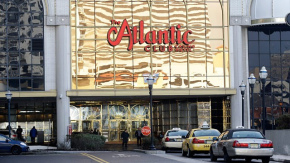
Report: Former Atlantic Club Casino in Atlantic City Close to Being Sold

One of Atlantic City’s vacant former casinos could soon be sold, the owners of the former Atlantic Club casino told the local Press of Atlantic City.

Dale Schooley, director of acquisitions for Florida-based TJM Properties, which owns the Boardwalk property, said the company has a contract with a group and is waiting for “hard money” for the deal. He did not name the company, the Press reported.

Schooley did say a number of potential buyers have been interested in the property.

Atlantic City Mayor Don Guardian also told the paper that he has talked with to two developers who are interested in the property, but again did not name them.

Florida-based TJM purchased the Atlantic Club from an affiliate of Caesars Entertainment Corp. in May 2014 for $13.5 million. In April, a deal by a local development group to buy the closed casino and redevelop it as a water park and family resort fell through.

In January 2016, another potential deal failed when TJM Properties asked Pennsylvania firm Endeavor Property Group to close on the casino, which has stood dormant since January 2014. Endeavor said it needed more time to secure financing, according to the Press.

In another Atlantic City story, it was reported that the resort has exceeded its limit of borrowing due to declining property values. The drop is due to a payment in lieu of taxes plan enacted by the state for the city’s casinos.

The plan essentially removed the casinos more than $3 billion in value from the city’s bond limit calculations, according to the Press. The state’s local bond law provides that a municipality’s net debt cannot exceed 3.5 percent of the equalized assessed valuation of its property-tax base, subject to certain exceptions and conditions.

The state, which oversees the city’s finances, recently approved bonding more than $148 million to pay off casino tax appeals, putting the city over the bonding limit, the report said.

Supreme Court Sets December Hearing on New Jersey Sports Betting Case

Lawmakers in Maryland are talking about introducing a sports betting bill

New Jersey gets its day in the U.S. Supreme Court on December 4 as it seeks to challenge a federal ban on sports betting.

New Jersey has made several unsuccessful court challenges to the Professional and Amateur Sports Protection Act of 1992 before, but this is the first time the state will argue before the High Court.

PASPA banned sports betting in all but four states—most notably Nevada—that already had some form of sports betting in place. New Jersey has challenged the constitutionality of the act, but lost in federal court. Appeals of that challenge were not heard by the Supreme Court.

The state then tried an end run by voting to allow self-regulated sports betting at its casinos and racetracks. The state was acting on lower court rulings that suggested that PASPA only bans state-regulated sports betting. That law was also overturned in federal court after being challenged by the professional sports leagues and the NCAA.

However, this time New Jersey’s appeal to the Supreme Court was accepted and the court will conduct the hearing in December. The court’s willingness to hear this challenge has many analysts predicting the court is interested in whether the federal government is infringing on state’s rights with the ban, an issue that has not gotten New Jersey much sympathy from previous courts. More than 20 states have filed briefs in support of New Jersey with the court.

Meanwhile, several states have already begun preparing for sports betting should New Jersey prevail and the Court overturns PASPA. According to a report in cdcgamingreports.com, 15 states have already taken some legislative action to allow sports betting.

Connecticut and Mississippi have passed legislation to allow sports betting should PASPA be overturned and 13 other states have introduced similar legislation.

While the chance of a repeal has spurred interest in sports betting—especially among states looking for new revenue—analysts point out that until a ruling and guidance from the court, it’s difficult to say what shape, if any, sports betting could take.

Meanwhile, David Rebuck, director of the New Jersey Division of Gaming Enforcement, commented that he is optimistic the state will win its case at the U.S. Supreme Court challenging its right to institute a sports-betting program. Rebuck said his agency and the New Jersey Casino Control Commission are already drafting sports-betting regulations in case of a victory.

After a Global Gaming Expo educational session on “Global Regulation: What Gaming Regs Should Be,” Rebuck made the comments to CDC Gaming Reports. “I’m always optimistic I am going to win,” Rebuck said. “If I didn’t think we would win, why would we be in this?”

The Supreme Court is expected to begin hearing oral arguments in December in the case, which challenges the 1992 federal Professional and Amateur Sports Protection Act, or PASPA. A decision is expected to be rendered by June 2018.

“My position is, we prepare to regulate with a big victory,” Rebuck told CDC Reports. “It may not be that way. We could lose. We could have a split opinion that interprets the decision in a way that goes in a different direction and allows a limited amount of sports wagering. You can’t predict what the Supreme Court is going to do. Nobody knows. We will prepare as best we can for a future which envisions sports wagering in New Jersey. If we are successful, we will be ready, and if we’re not, we will continue to figure out a way to try and get sports wagering in New Jersey.”

He added that the state is looking at both the Nevada sports-book model and the European model, which relies on online gaming. “Our strategy in New Jersey is very simple,” Rebuck said. “We’re going to have land-based and online, and in order to do that we need to take the best of both worlds. We need to steal from Nevada and what they’ve done great for 40 years, and we want to steal from Europe for what they do well for regulation.”

Also, lawmakers in other states are preparing for a possible repeal of PASPA if New Jersey wins its case. The General Assembly’s Joint Committee on Gaming Oversight last week heard testimony on sports betting from Sara Slane, a lobbyist for the American Gaming Association.

“Right now, there’s more momentum for repealing PASPA than ever before,” Slane told the panel. “I would urge you and other legislators to get out in front of this, because when it does happen, you’re going to have states ready to go in first position… to open up sports books.”

Joe Weinberg, president of the Cordish Companies, owner of the Live Casino outside of Baltimore, told the Baltimore Sun that he is “all in” for the push to legalize sports betting at the state’s six casinos, and Del. Frank Turner, who co-chairs the House gaming committee, says it might not pass next year if New Jersey wins its case, but lawmakers will continue the push for a law. “If we don’t move on it in ’18, we can move on it in ’20,” he said. The effort need to be successful in an election year because it would be a constitutional amendment requiring a statewide vote.

Like New Jersey’s Rebuck, Weinberg of Cordish stressed being ready if and when PASPA is overturned. “If we wait for 100 percent clarity on federal law, we will be two to three years behind the surrounding states,” he told the Sun, noting that it is important to continue offering “a full suit or gaming services” to remain competitive with other states.

Aftermath in Vegas

A woman who was among the nearly 500 Las Vegas Strip concert-goers wounded in the worst mass shooting in U.S. history is suing MGM Resorts International in what is expected to be the first of many filed against the casino giant in the aftermath of the massacre.

Paige Gaspar, a 21-year-old Texas native attending school in California, claims MGM failed to provide adequate security for the outdoor event and did not respond quickly enough on Sunday night, October 1, when Stephen Paddock unleashed on the crowd a 10-minute barrage of automatic weapons fire from a suite on the 32nd floor of Mandalay Bay, killing 58 and wounding 489 before shooting himself as police closed in.

The suit, filed October 10 in Clark County District Court, also faults Mandalay Bay, alleging the hotel did not properly monitor guests and adequately train and supervise employees, a failure that allowed Paddock to hole up in the room for days with an arsenal, the suit says.

MGM owns Mandalay Bay and the open-air venue, the 15-acre Las Vegas Village, where the concert, the Route 91 Harvest country music festival, was held.

Also named in the action are Live Nation Entertainment, organizer of the concert, which drew 22,000 attendees, Slide Fire Solutions, a company that manufacturers a device Paddock used to convert his semiautomatic weapons into fully automatic ones, and the estate of the 64-year-old gunman, a resident of Mesquite, Nev., some 80 miles to the north, who was known to several Las Vegas casinos as a frequent video poker player.

Gasper was shot in the chest and underwent multiple surgeries, according to news reports citing a page on the website GoFundMe.

“Paige loves Las Vegas and went to the Route 91 concert expecting to have the wonderful time people are accustomed to having here in our city,” her attorney Nathan Morris said. “She wanted us to take action to address the safety failures that happened to her, and together we believe that through this action we can make Las Vegas as safe as it should be, so that it remains a world-class destination that we know it is. We have to maintain our reputation as the safest place on the planet.”

MGM declined to respond, according to news reports. Chairman and CEO James Murren has said the company is “working with law enforcement and will continue to do all we can to help all of those involved,” including donating $3 million to assist the victims, their families and first-responder organizations.

Beyond that the company said it was deferring all communication on the case to the FBI and Las Vegas police, a standard procedure, according to security experts, in the aftermath of crises of this magnitude.

However, MGM has questioned a revised timeline the Clark County Sheriff’s Department released concerning the events surrounding the shooting. The new timeline, which may figure prominently in the Gaspar suit and the others that are likely to follow, suggests a Mandalay security guard was shot by Paddock six minutes before he began firing on the crowd, not in the middle of the ambush, as originally reported.

“We believe what is currently being expressed may not be accurate,” an MGM spokesman said.

Interviewed last week on Fox News Sunday, two days before Gaspar filed her suit, Steve Wynn weighed in to say Paddock’s behavior would have raised red flags at his resorts.

“The scenario that we’re aware of would have indicated that he didn’t let anyone in the room for two or three days,” the chairman and CEO of Wynn Resorts said. “That would have triggered a whole bunch of alarms here, and we would have―on behalf of the guests, of course―investigated for safety.”

Inquiries are launched at Wynn properties when a guest has a “Do Not Disturb” marker on their room for more than 12 hours, he said. But a spokesman for Wynn said that the policy had only been implemented after the shooting.

Concluding back in 2015 that Las Vegas was susceptible to this kind of attack, Wynn said he brought in security consultants to ensure his Strip resorts, Wynn Las Vegas and Encore, were safe as could be. Doors are guarded at all times and there are magnetometers “at every employee entrance and at every place of human collection like the nightclubs,” he said.

Despite these claims of discreet magnetometers, visitors to Wynn were wanded by security officers before entering any entrance to the property on the day after the shooting. Subsequent days saw security cordons relaxed.

“Under most circumstances, it’s unnecessary to wand people or to do any kind of invasive procedure,” he said. “The things we’re looking for, that represent potential threats, are much more obvious and allow us a great deal of freedom in allowing us to not interfere with the normal flow of people.” He didn’t elaborate.

Nevada Gaming Control Board Chairman A.G. Burnett has taken a somewhat different tack, saying there was little, if anything, any casino could have done to prevent the tragedy.

He added that he’s called on his agency to deploy extra plainclothes security in the state’s resorts but provided no details.

“I’m not sure myself exactly which casinos they’re going to be in and when,” he said. “And I don’t want anybody to know.”

Amid concerns the shooting might scare off the convention trade that is the lifeblood of the Strip, Murren appeared at the Venetian last Tuesday to address attendees of IMEX America, the world’s largest gathering of professionals in the meeting and convention industry, telling them how much the people of Las Vegas depend on them.

“They have a job because of you. And without you, they don’t have a job,’’ he said. “You are doing what you can do. You are coming here supporting this destination and helping those families take care of themselves.’’

Joined by U.S. Travel Association President Roger Dow, Las Vegas Convention and Visitors Authority President Rossi Ralenkotter and IMEX Group Chairman Ray Bloom, Murren spoke briefly and somberly. “The meetings and convention business―that is the backbone of this entire business model. Without that, everything else falls away,’’ he told the audience.

About 12,000 people were expected to attend IMEX America, including 3,000 exhibitors from 150 countries. The show ran through Thursday at Las Vegas Sands’ Sands Expo and Convention Center.

LVS and the family of chairman, CEO and majority shareholder Sheldon Adelson said they’ve established a $4 million relief fund. Caesars Entertainment has organized $2 million in donations and said it will be making additional contributions along with entertainers Celine Dion and Ringo Starr, who have pledged to donate show proceeds to aid the victims. The company also is providing support by delivering food and supplies to hospitals for staff and victims’ families, lodging for volunteers and coordinating blood drives to help replenish the city’s depleted supply.

An online drive on the GoFundMe site organized by Clark County Commission Chairman Steve Sisolak and Sheriff Joe Lombardo has raised an additional $10 million or more. That effort, launched in partnership with the National Compassion Fund and supported by the foundations of several casino companies, is ongoing.

Post-Bankruptcy ― All Hail Caesars

Its indebted past behind it, Caesars Entertainment is looking to a future rich with growth―$2 billion worth, to be exact.

“With reduced leverage, increased free cash flow and the new REIT structure, we are positioned with a solid foundation to pursue a diversified growth strategy,” CEO Mark Frissora said last week in announcing the long-awaited emergence from bankruptcy of the gaming giant’s largest subsidiary, Caesars Entertainment Operating Co.

The announcement coincided with the introduction of a new board of directors under a new chairman, James Hunt, a 10-year Walt Disney Company veteran.

Hunt, for his part, praised Caesars’ “strong brands, first-class properties and talented people” and said, “I am committed to working tirelessly with our board colleagues and our management team to drive long-term value creation.”

Next up, Frissora said, is execution on a corporate-wide strategy “to unlock new growth opportunities,” underlying which is the successful restructuring of CEOC, which took two years of difficult give and take with lenders under the supervision of U.S. Bankruptcy Court.

CEOC voluntarily filed for Chapter 11 protection in January 2015, buried under more than $18 billion of debt, a legacy of the 2008 leveraged buyout of Harrah’s Entertainment by private equity giants Apollo Global Management and TPG Capital.

The agreement that was finally hammered out and approved by a bankruptcy judge in Illinois earlier this year eliminates roughly $10 billion of CEOC’s debt, principally by giving creditors majority ownership of its 21 resorts through a newly created real estate investment trust, VICI Properties. As part of the agreement, Caesars Entertainment is merging with its Caesars Acquisitions Co. affiliate, which will be 32 percent owned by CEOC’s lenders. The enlarged parent, consisting of 26 U.S. and international resorts, will be VICI’s sole tenant and operate and manage the REIT portfolio.

The conglomerate will still carry more than $9 billion of debt, a vast improvement over the $25 billion-plus it carried prior to the bankruptcy filing, and it now boasts an enterprise value of approximately $20 billion, including the $2 billion cash war chest.

Frissora, who guided the company through most of the bankruptcy, remains an executive member of the board. Along with Hunt the other new directors joining him are: Thomas Benninger, John Boushy, John Dionne, Matthew Ferko, Don Kornstein, David Sambur, Richard Schifter, Marilyn Spiegel and Christopher Williams.

Trump Administration Discouraging Off-Reservation Casinos

The Trump Administration is slowing if not reversing an Obama Administration policy that did not discourage tribes from applying to put lands far removed from their reservations into trust for tribal casinos.

The administration is proposing changes to the land-into-trust process that often takes as a long as decade to go from application to decision. It is proposing that tribes be informed up front of their actual chances, so they won’t spend time and resources on the attempt.

John Tahsuda of the Kiowa Tribe, who is a recent addition to the Trump administration as acting assistant secretary for Indian Affairs, last week told the Senate Committee on Indian Affairs: “For instance, in the case of off-reservation land-into-trust efforts, the commitment of time and resources required can be exorbitant, particularly if that proposal is denied. Therefore, we believe it is important to be upfront about proposals that may not be acceptable.”

Tahsuda recently announced a fast-moving schedule for implementing the new proposal, including scheduling the first consultation with tribes in about a week, followed by three more in November.

In 2008 the Obama Administration reversed a policy of the Bush Administration which had used a “commutable distance” standard to reject many requests to put land into trust off the reservation. Now it appears that the Trump Administration may restore that old standard, or at least partially reverse the Obama standard.

In his testimony to the Senate committee Tahsuda conceded that the “commutable distance” standard will be considered. Another possibility is that tribes will need to submit maps showing where their reservations are in relation to the new land they want to put into trust.

Just showing that a casino could be lucrative for the tribe won’t be enough to satisfy the new requirements, said Tahsuda. “Things like employment opportunities, ability to host cultural activities, community activities in the facility, those should be part of the considerations that are impacted from the distance from a reservation.”

Tribes may also be required to show how the proposed acquisitions will impact state and local governments.

The new policy against off-reservation applications had been strongly hinted at since March when Ryan Zinke took office as Secretary of the Interior. At that time Zinke removed the power to make such decisions away from regional BIA offices and reserved them to himself or other political appointees—rather than career officials.

A critic of the new approach is U.S. Senator Tom Udall of New Mexico, vice chairman of the committee. He says the policy would violate Trump’s state goals of easing regulatory burdens on business and of promoting new jobs. He pointed out that the land-into-trust policy would add new steps to a process that already takes several years and called it adding “regulatory obstacles.”

The committee also heard from the chairman of the Forest County Potawatomi Tribe, which opened the first off-reservation casino in 1990 in Milwaukee, Wisconsin. Harold “Gus” Frank told lawmakers, “We have a diverse set of business that allow us to create opportunities for our people and local communities, including two casinos.”

The Bureau of Indian Affairs is accepting writing comments on the new proposal until December 15, as well as holding the listening sessions and tribal consultations.

Disney Invests Against Florida Gambling

In September, Disney Worldwide Services, a subsidiary of the Walt Disney Company, made three donations totaling $575,000 to the political committee Voters In Charge, which is leading a petition drive for a the Voter Control of Gambling Amendment that would give Florida voters—not legislators–the “exclusive right to decide whether to authorize casino gambling” in the state.

The primary contributor to the campaign, Disney has given $2.325 million as of September 30, according to the committee’s recent finance report.

Voters In Charge had submitted 285,526 valid petition signatures as of last week, according to the Florida Division of Elections website. To be on the November 2018 ballot, 766,200 signatures are required. “We are on track to accomplish our goal. We look forward to being on the 2018 ballot, mounting an aggressive statewide campaign,” said Voters In Charge Chairman John Sowinski.

Voters In Charge said although the state constitution prohibits all gambling “other than parimutuel pools,” legislators over the years, working with the Seminole Tribe of Florida, have steadily gained power on casino expansion issues, leaving voters out. The committee said politicians believe they “can bypass the constitutional prohibition and legalize casino gambling.”

Disney has worked to stop gambling expansion in Florida for years. Officials said much of the state, especially the Orlando area where Walt Disney World is located, is a family friendly tourism destination that would be negatively impacted by casino gambling.

Maine Casino Proposal Will Dominate Election

The initiative on the November ballot that would allow a casino in York County, Maine that only one man would be qualified to operate is expected to dominate the final weeks of the election leading up to the statewide vote.

So far controversial gaming developer Shawn Scott has spent $6 million to promote Question 1, which could put Scott in line to get a casino license that could be worth as much as $150 million to him if he chose to sell it. As he did in 2003 when he brought the first casino to Maine: which is now operated by Penn National Gaming as Hollywood Casino Resort & Raceway in Bangor. Scott sold the rights to Penn for $51 million after promoting a successful initiative.

The official proponent for Question 1 is the PAC Progress for Maine, which several months ago hired the Washington D.C. lobbying firm Goddard Gunster, which last year successfully piloted the Brexit campaign in Great Britain. Campaign expenditure records show that the campaign has so far been billed for $629,000 by Gunster, and could probably spent $1.3 by the end of the election.

The Forecaster reported that Gunster has a 90 percent success rate for the imitative campaigns it has run.

The Question 1 campaign has also hired the services of former Maine Attorney General Andrew Ketterer.

Progress for Maine is promoting the requirement that some percentage of the casino profits would go to fund state services, such as education.

In New York, Too Much of a Good Thing?

New York’s new upstate casinos are likely to end their first year as decided underachievers.

A new analysis by USA Today Network of gaming revenue tallies compiled by the state show the three resorts could miss their 2017 projections by more than $200 million combined, if current trends continue.

It’s a gap that appears to point to a statewide market overloaded with gambling options, not to mention a licensing process that rewarded developers for an optimism that in hindsight looks to have been misplaced.

Tioga Downs in the Southern Tier, the first of the three to open in the form of an existing racino converted to a full-scale casino, predicted $103 million in gaming revenue its first year. Through August, it has generated $52 million and is on track for $70 million for the year.

Rivers Casino & Resort, which opened in Schenectady in February, expected to win $222 million. It has brought in $82 million through July and could finish the year short by $80 million.

del Lago Resort & Casino, which opened in February near Syracuse in the Finger Lakes region, is on track to miss its $263 million forecast by at least $100 million.

“The projections we had were wrong,” Tioga Downs owner Jeff Gural acknowledged.

State and local officials are now wondering about the impacts on projected tax revenues and jobs―the two biggest selling points when New York voters approved the licensing of as many as seven full-scale casinos under private ownership, all with house-banked table games, in a 2013 referendum.

The state currently is home to seven full-scale casinos owned by Indian tribes, with an eighth set to open next year, plus nine machine gaming venues at racetracks. A fourth commercial casino, the largest to date, the $1 billion Resorts World Catskills, slated to open next March 90 miles north of New York City.

“I always thought that we were oversaturating the central part of the state,” said Assemblyman Gary Pretlow, who chairs the Gaming Committee in the lower chamber.

Operators, however, respond that with their resorts still in the process of adding hotel rooms and other attractions, such assessments are premature.

“It’s much too early to make any judgment on gaming performance,” a spokesman for the state Gaming Commission said recently.

In support of that the commission notes that the state’s share of casino revenues is up nearly $200 million since the expansion, with most of those funds designated to support education.

“The truth is, from an economic development standpoint, it’s been a huge success,” said Gural.

“We are filling rooms with tourists who are visiting the attractions and businesses throughout the Finger Lakes,” said del Lago General Manager Jeff Babinski. “While our revenue in the first eight months has been below projections, we are confident that we are moving in the right direction.”

“The variance with the projections doesn’t bother me that much,” said Gov. Andrew Cuomo, who pushed for the expansion five years ago. “They have all been wildly successful in creating jobs and building beautiful complexes. Now they have actual data, and they’ll adjust.”

The price has been steep, though. This year alone it may cost the state and a slew of local communities more than $100 million in funding from the Seneca Indian Nation, which has halted payments from the slot revenues of its three casinos in protest over the expansion, which the tribe sees as a violation of the regional exclusivity it was promised when the payments were contracted.

Pretlow, meanwhile, expects the casinos, at least one if not more, will petition Albany for relief, as the racinos are doing. And he won’t be happy about it, he said.

“My prediction is they’ll be coming back and asking for tax breaks to take money out of education again, and I’m going to have to fight it. Because it’s not right.”

Work Progresses on MGM Springfield

Less than a year from opening its doors, MGM is accelerating work both inside and out on the MGM Springfield.

Last week the developer began work on the roads at the intersection of State and Main streets and to gut the old armory building, a structure damaged by the tornado of 2011. The building with two iconic towers will be made structurally sound and restored as a restaurant and club.

Now that cold and wet weather will soon descend on the Bay State, MGM is shifting over to inside work on the six-story hotel. What exactly the interior will look like is a corporate secret at the moment, said MGM Springfield Mike Mathis, since the casino is in competition with the two tribal casinos in Connecticut, Foxwoods and the Mohegan Sun.

New Jersey Regulators Want Online Companies Out of Australia

The New Jersey Division of Gaming Enforcement is warning online gambling operators in the state that they could lose their state licenses if they don’t take steps to block gamblers from their international sites.

Australia has just enacted new online regulations that effectively ban online poker and casino games in the country. Sports betting remains legal in Australia.

New Jersey has a policy that licensees there cannot operate in jurisdictions where online gambling is clearly prohibited—called black markets.

David Rebuck, director of the division, sent a letter to online gambling companies operating in the state that they must quit the Australian market or they could face punitive actions including loss of their New Jersey licenses. He sent a similar letter last year as Australia was proposing its new regulations.

“Operators must comply with Australia’s new laws and cease offering all prohibited services to customers in Australia,” the new letter said. “Failure to do so many result in the division taking regulatory action against your company, including finding your company unsuitable for licensure in New Jersey.”

Companies will also have to provide evidence that they are taking measures to block Australians from gambling on their sites and if they’re continuing operations to explain why.

Several major online companies have already exited the Australian market after the rules went into effect, including 888 Poker and PokerStars, both of which are licensed in New Jersey.

In another story related to Australia, The North South Wales government is reportedly considering restrictions for “synthetic lotteries” such as those run by online betting agency Lottoland. Synthetic lotteries allow players to bet on the outcome of international lotteries without technically entering the actual contest.

Officials say such complicated payment agreements may be in violation of the state’s wagering rules. The Australian states of Western Australia and Victoria have also announced moves towards restricting synthetic lotteries while Queensland is reviewing the practice.

Hulu Adds eSports Coverage

Hulu is entering the eSports industry through a partnership with ESL Gaming Network that will see four eSports based shows premiere on the online streaming provider.

The shows are a mixture of talk and analysis of eSports such as seen on networks covering live sports. According to a press release, they include: game-style talk show “Player v. Player”; “Bootcamp,” a docu-series following The Immortals, a top “Counter-Strike: Global Offensive” team; “Defining Moments,” exploring a different eSports topic each week; and “ESL Replay,” a one-hour show recapping four big tournaments.

“ESports is one of the fastest-growing areas of media and entertainment, and through this first-of-its-kind deal with ESL we can now bring the popular world of eSports to Hulu,” said Lisa Holme, Hulu’s VP of content acquisition in the release. “Hulu subscribers, especially those who access the service on video-game consoles, are hungry for this type of content –so we’re excited to offer it on Hulu for the first time.”

ESL named Barry Hennessey, an Emmy-winning producer whose credits include CBS’s “The Amazing Race” and A&E’s “Born This Way” to produce the shows,

“ESports has such a rabid fanbase,” he said. “For ESL, the goal is to widen the scope of eSports as it migrates into mainstream entertainment. The shows are being produced for both hard-core eSports buffs, while also trying to be “accessible to video-game fans who aren’t necessarily familiar with ‘CS-GO’ tournaments.”

In another eSports story, Malta has granted a gaming license to eSports betting platform Unikrn. The license allows Unikrn to serve European markets.

The Seattle-based company said it will launch Unikrn EU, a joint venture with France-based RBP.

“For a little over a year, Unikrn EU has been working with the Malta Gaming Authority to acquire our new license,” said Rahul Sood, CEO of Unikrn in a press release. “Malta has some of the highest regulatory requirements and processes; they are by every measure the gold standard and one of the most respected authorities for responsible and ethical wagering.”

Unikrn has also just completed a crypto token sale which has helped the firm raise more than $30 million. The company said the sale was “single most successful and widely distributed token in the eSports and gaming industries.”

“The European expansion means there’s going to be a large and soon-growing marketplace of users, including the real-money transition of already established users, who want to buy, exchange and use our token to bet on our platform,” Sood said in a press release.

Unikrn offers real-money betting in Australia and the United Kingdom– where it also holds gambling licenses. The company had offered free betting in other jurisdictions with free tokens, which are now being retired with the release of UnikoinGold.

Finally, Antigua-based online eSports betting specialist Esports Entertainment Group said it is in negotiations to buy betting exchange software developer Ardmore Investments.

The company develops and owns the source code for betting exchange software used to create Esports Entertainment’s wagering platform and other gambling software. Esports Entertainment Group wants to purchase Ardmore in order to protect the source code from potential competitors, and to acquire a proven development team, the company said in a press release.

“Owning our bet exchange technology and acquiring the development team behind it significantly strengthens our position within the eSports wagering space. As we are on the verge of launching the world’s first, eSports bet exchange, the time was right to acquire the core technologies supporting our business model,” CEO Grant Johnson said in the release.

Esports Entertainment said it will issue 1,750,000 common shares and pay $250,000 for Ardmore, which is a Polish corporation with offices in Warsaw, Poland. The transaction is expected to close within the next four weeks, the release said.

UK Investigating Online Bookies for Advertising to Children

The UK’s Advertising Standards Authority has launched an investigation into advertising practices by online bookies that could be targeting children.

The authority pointed to adds that use cartoon caricatures such as Peter Pan and Jack and the beanstalk in the ads. The authority also pointed out that many UK gambling sites allow players to play some games for free without age verification. A recent story in the Sunday Times identified about 30 online games that could appeal to children.

The authority’s website said the agency is working to protect children and other vulnerable groups.

“The protection of children sits at the heart of the Advertising Codes and our work,” the web statement said. “Our own research with consumers tells us that what concerns them most about advertising is what children may see and hear. Because of their lack of life experience, children are less likely to be as well equipped to understand and process commercial messages in ads than adults. They are also often more sensitive and likely to be adversely affected by inappropriate, scary or offensive images.

Britain’s advertising code protects against ads likely to result in the mental, physical or moral harm of a child. Rules prohibit ads from depicting children in hazardous situations or encouraging them to engage in dangerous behavior. Other rules warn against ads that undermine parental authority or pressure children to buy products.

The authority estimates that 450,000 underage players are gambling in England and Wales each week. A UK Gambling Commission report published last year revealed that 6 percent of 11 to 15-year-olds had gambled online using their parents’ account. Three percent had also bet online using their own money.

DraftKings Plans Expansion to Ireland and Austria

DraftKings has announced it will expand its daily fantasy sports product into Ireland and Austria, offering fantasy contests covering a number of European and North American leagues.

The company said it will offer several football leagues to Irish and Austrian players, including the English Premier League, UEFA Champions League and Spanish La Liga. Fantasy contests for both the PGA and European gold tours will also be included along with contests on mixed martial arts, Esports, the Canadian Football League, EuroLeague Basketball and U.S. leagues.

“Sports fans in Europe are embracing the game inside the game through DraftKings’ contests and content,” said Jason Robins, DraftKings chief executive in a press release. “As we looked to expand our European footprint, it was an easy choice to launch in Ireland and Austria, given their renowned passion for sports.”

DraftKings has long talked of expanding into Ireland where it estimates that Irish sports fans spent €2.5 billion on the sports industry last year.

“Ireland’s sports culture runs deep, with hundreds of thousands of passionate fans following both ‘proper football’ and ‘gridiron football’ across European and American sports leagues,” said Jeffrey Haas, DraftKings chief international officer. “Irish football fans will find many opportunities to test their wits on DraftKings while enjoying a new way to sweat the action during fixtures.”

DraftKings began offering products in Europe 18 months ago and has seen growth in that time. In September, DraftKings saw a 51 percent growth in entry fees over 2016 and 31 percent growth in new customers in the UK. The company also saw a 46 percent month-over-month growth in registered customers in Germany.

In another story, U.S. media mogul Peter Chernin has acquired three market leaders in sports betting and fantasy sports data.

Chernin Group has acquired Sports Insights, FantasyLabs and SportsAction. The three information platforms will be combined to form the Action Network, a subscription-based platform to “give sports bettors access to data and analytical tools, along with articles, podcasts and videos that analyses sports from the perspective of a fan who has money on the line,” said Chernin in a press release.

ESPN veteran Chad Millman will head the network.

FantasyLabs provides data and tools to test daily fantasy sports theories to help build team lineups. Sports Insights tracks real-time scores and gives betting line analysis, while SportsAction is an app featuring live scores, betting odds and gambling advice.

Action Network is to be a data analytics company that will sell “premium sports analysis that will cater to the $170bn-plus underserved sports wagering and fantasy markets,” the company said in a statement.

“The sports marketplace in general is in a time of enormous transition,” Chernin said. “We’re living in a world where people are getting scores almost immediately, getting highlights almost immediately.”

Peru Regulator Wants Online Gaming Regulations

Manuel San Román Benavente, the head of Peru’s gaming regulatory body La Dirección General de Juegos de Casino y Máquinas Tragamonedas said he is working on a set of regulations that restrict online gambling to companies with a physical presence in the country.

Benavente said his group had worked with the Financial Intelligence Unit to create a bill it plans to submit to Peru’s Congress that would regulate online sports betting and casino games, according to local media outlet Portal de Turismo

The DGJCMT wants to require Peru-facing gambling sites to have a company incorporated in the country so that it will be required to pay taxes. Benavente also wants strict rules for advertising, promotion and sponsorship and force Peru-facing sites to operate exclusively from .pe domains, the report said.

Sites not following the regulations could be blocked in the country under the proposed rules.