Archives: Articles

This is the example article

New York Speeds Sports Betting

The New York Gaming Commission has waived oral presentations by New York online sports betting license bidders in hopes of getting the industry up and running by the Super Bowl.

According to Elite Sports NY, Senator Joseph Addabbo Jr. supports the move and says it won’t compromise the integrity of the process. “If the gaming commission in its professional opinion and the bidders, knowing they’re professionals in the industry, are OK with this, then full steam ahead,” Addabbo told the website. “If there’s any way we can protect the integrity of the process and speed up the process to get it where we need to be before the Super Bowl, than let’s do it.”

Addabbo says the industry should be fully operational by February 13, 2022, Super Bowl Sunday, and may be underway before that date. Commissioners set a deadline of December 6 to award two online sports betting licenses. Six groups of bidders have applied for the available licenses.

Addabbo said the state should expect a few speedbumps along the way.

“There will be issues, there will be problems. We have to take the volume that we expect to happen in New York, we have be ready for all the attention, all the focus that will be on New York entering the mobile sports betting arena, and we have to be ready,” he said.

Addabbo said the groups of licensees, which represent the biggest names in mobile sportsbooks, are experienced and knowledgeable enough to launch quickly in what could be one of the country’s leading markets.

“Speed to market is right up their alley. This is what they do. This is their business. I think they could be ready tomorrow if we asked them to be.”

In related news, according to the Albany Times-Union, the New York Gaming Commission is relying on casinos and gaming operators to exclude patrons for any reason; those names will added to the state list, which currently has no entries.

“At present there’s no one on the list,” spokesman Brad Maione told the Times Union. “The commission has not undertaken to add names to the excluded persons list, but each gaming facility themselves has certain authority to bar individuals.”

“New York is yet to find a single person deemed worthy of banishment” from gaming venues, the newspaper reported, despite the presence of “five organized crime families in New York City alone, in addition to multiple criminal organizations that could be interested in gambling.”

James Walden, a former assistant U.S. attorney in Brooklyn, said the no-list list is “mind-boggling,” as is the lack of a process to add criminals to the list. “Not to mention convicted drug traffickers, given the widely known use of casinos to launder money,” said Walden, a partner in the firm of Walden Macht & Haran in Manhattan. “It seems like an enormous hole, easily filled. The absence of anyone on the list is a clear indication that the powers that be don’t really care, and do not want to fill it.”

At least in theory, New York law allows for the exclusion of “career or professional offenders” and those convicted of “any crime of offense involving moral turpitude,” as laid out in Section 1342 of the New York Racing, Pari-Mutuel Wagering and Breeding Law.

The commission can prohibit “cheats and persons whose privileges for licensure or registration have been revoked,” the law states.

Convicted murderer and mob underboss Sammy “The Bull” Gravano is not on the list, Maione said, because “he is not known to patronize New York gaming facilities.”

Patrick McKenna, a spokesman for the New York Racing Association, said the association can remove customers and permanently ban people “for a number of reasons including bad behavior, past criminality or actions that violate NYRA policies.”

“Accordingly, NYRA maintains active records to ensure those who have been ruled off are not permitted to enter Belmont Park, Aqueduct Racetrack or Saratoga Race Course,” he said.

Bears May Leave Chicago Over Landlord Issues

Will Da Bears leave Chicago? It’s an option the team is considering, especially with news that the franchise tendered a bid to purchase Arlington International Racecourse in suburban Chicago.

At the center of this turn of events is the strained relationship between the team and its landlord, the Chicago Park District, which owns Soldier Field. And at the center of the latest in a growing list of grievances in the relationship is sports betting, according to WBEZ.

However, a spokesman for the team denied sports betting and its potential revenues had anything to do with talk of relocating.

But in a memo dated June 3, 2021, Ted Phillips, the team CEO, and president, wrote to Chicago Park District Superintendent Michael Kelly detailing efforts to begin discussions about opening a sportsbook in the vicinity of the stadium.

When originally proposed in 2020, the team also sought to build a sports betting lounge within Soldier Field for Bears game days, a venue that looks and feels like a sportsbook but without the ability to place a bet. The team could pick up revenue through advertising.

Phillips offered the district 20 percent of the advertising revenue. The response from Kelly amounted to thanks but no thanks. Phillips responded in June.

“It is disappointing that it is over a year since we reached out to you and you have refused to engage in good faith discussions about an opportunity that generates revenue for the CPD while leveraging the Chicago Bears brand,” Phillips wrote.

By mid-June, the team indicated its plans to bid on the track in Arlington Heights. While acquisition of the racecourse would permit sports betting on site, the location included 326 acres where the team could build a new, larger stadium with room for entertainment facilities.

A new stadium would be bigger, and if built with a roof, would allow the venue to host the Super Bowl as well as enjoy the revenue sports betting would provide.

“Sports betting is going to be a fixture and an important revenue stream for sports teams and sports leagues going forward,” said Marc Ganis, a sports economist with Sportscorp Ltd.

Yet, waiting for the landlord to say yes may not be worth it in the long run.

“This is an example of the limitations that are on the team and why they would want to build their own facility,” Ganis said.

The Bears declined comment on subsequent communications, said spokesman Scott Hagel.

“This is clearly a negotiating tactic that the Bears have used before,” Mayor Lori Lightfoot said when the bid was first announced. “As a season ticketholder and longtime Bears fan, I am committed to keeping the ‘Chicago’ name in our football team.

Caesars Strikes Deals with Colts, LSU

Caesars Entertainment partnered with the Indianapolis Colts to become the team’s only official casino. The deal also makes Caesars Sportsbook a sports betting partner.

The multi-year agreement adds to the Colts-Caesars partnerships with Harrah’s Hoosier Park Racing & Casino and Indiana Grand Racing & Casino. Caesars Sportsbook will receive naming rights for Lucas Oil Stadium’s South Gate, which will become Caesars South Gate and open

a Caesars Sportsbook Lounge at the stadium’s former Blue Room. Live odds will be displayed on LED screens and Caesars ambassadors will help fans download the Caesars Sportsbook App and place bets.

“This new partnership expands our ability to offer Colts fans a truly unique experience, whether at Lucas Oil Stadium or watching from home on gameday,” said Roger VanDerSnick, Colts chief sales and marketing officer.

Caesars Sportsbook will be integrated into the franchise’s media and marketing efforts, with offers and promotions for fans through the sports betting app.

“Indiana has been a special place for our company, and we know how passionate these fans are for their home team,” said Chris Holdren, co-president of Caesars Digital. “Caesars will continue to push for innovation to bring the best in sports experiences, both in-person and on mobile, to the Hoosier State through Caesars Sportsbook and our partnership with the NFL.”

Caesars also signed a multi-year partnership to become the gaming and sportsbook partner of the Louisiana State University athletics department. The value of the deal will be “multiple millions” of dollars, a person familiar with the agreement said, according to ESPN.

The alliance will focus on alumni and fan engagement opportunities while expanding responsible sports gaming and education, with guidance by multi-media rights holder, Playfly Sports.

“LSU Athletics programs have always exemplified excellence, and at Caesars, we couldn’t be happier to partner with such an iconic brand in college athletics,” Holdren said. “We have a proud legacy in Louisiana and bringing LSU fans and alumni closer to the sports they love while also offering scholarship opportunities will help us build upon that.”

Caesars Sportsbook will receive marketing and sponsorship resources including naming rights for the Caesars Sportsbook Skyline Club at Tiger Stadium, signage throughout the stadium, additional signage at the Pete Maravich Assembly Center, Alex Box Stadium, and an exclusive presence on the LSU Sports mobile app.

Broadcast and digital sponsorship rights and visibility for Caesars Sportsbook throughout all of LSU’s 21 men’s and women’s sports programs are also part of the deal, as are opportunities for Caesars Sportsbook customers to attend LSU athletic events and access VIP hospitality at Tiger Stadium through Caesars Rewards.

Caesars will work with the Louisiana Association on Compulsive Gambling, and the community to provide responsible gaming resources to all eligible sports bettors in the state and driving awareness of the responsible gaming tools available on the Caesars Sportsbook app.

In addition to a financial commitment to LSU, Caesars will also create an annual scholarship fund to support Louisiana-resident students who major in sports administration, commerce, and leadership.

The deal comes as Louisiana, already home to several land-based or riverboat casinos, prepares to offer sports betting. The Louisiana Gaming Control Board is accepting casino applications for sports betting licenses.

“We share a clear vision of how athletics and entertainment can come together to enhance the fan experience,” LSU athletic director Scott Woodward said. “We are excited to join with Caesars to make that vision a reality.”

Another deal involving sports betting, Caesars and Louisiana revolves around the publisher of the Times-Picayune and the New Orleans Advocate. The publisher, through NOLA.com, has partnered with Caesars Entertainment, a deal which makes the publication an exclusive sports betting and odds provider for Caesars Sportsbook, according to CDC Gaming Reports.

Governor John Bel Edwards signed legislation legalizing sports betting in June 2020 for 55 parishes.

“The partnership with NOLA.com allows us to deepen our connection to the people of Louisiana,” Coldren said. “Through collaborative content, we will bring sports fans closer to the games they love by delivering fun, engaging, and timely updates to keep readers apprised on what’s happening in the sports world.”

Caesars Sportsbook will provide odds, trends, analysis, and exclusive offers to readers via Bet.NOLA.com. The partnership also will integrate live lines and odds directly from Caesars Sportsbook with newspaper content.

“Caesars is the leader in this space, and with their presence in Louisiana already, they were the natural choice to be our premier partner,” said NOLA.com President and Publisher Judi Terzotis in a statement. “Our goal is to provide our readers with the widest variety of the most accurate odds. Caesars is the only one who can provide that.

Extreme Networks, NFL Agree to Multi-Year Deal

Extreme Networks and the NFL have agreed to a multi-year deal that retains Extreme as wifi analytics provider through 2024. The arrangement could have major repercussions for in-game betting from an in-stadium point of view with the growth of mobile sports wagering, according to Sports Handle.

The San Jose-based Extreme Networks will add new Wi-Fi 6 for several NFL franchises, including the Baltimore Ravens, Green Bay Packers, New England Patriots, and Seattle Seahawks. Wi-Fi 6 is pegged as the next generation of Wi-Fi based on increased speed and efficiency.

“Stadium environments require high-density, powerful Wi-Fi networks that can be adjusted and scaled depending on the needs of each event, and these are environments where Extreme excels,” COO Norman Rice, said in a press release. “With the right network technology and analytics in place, the NFL can continue to make data-driven decisions that advance the game and keep fans engaged.”

In-game betting accounted for 35 percent of PointsBet’s handle in 2019, but this summer, the figure grew to some 50 percent, PointsBet U.S. Head of Trading Jay Croucher told USBets in June. By 2023, the in-game portion could rise to 70 percent.

On September 19, the Kansas City Chiefs’ in-game odds jumped to +800 in the closing minutes against the Baltimore Ravens, after Kansas City running back Clyde Edwards-Helaire lost a fumble with the Chiefs in field goal range with 1:25 left.

Analysts predict in-game betting to become more prominent during the season as a result of league partnerships with Genius Sports and other related organizations.

“Our partnership with Extreme allows us to stay ahead of the curve, providing every team in the NFL with a resource for leading stadium Wi-Fi network technology,” said Michelle McKenna, the NFL’s chief innovations officer in a statement. “We’re extending our relationship with Extreme because we want to continue working with a partner that is equally invested in creating a superior fan experience every single week.”

Under the revised partnership, Extreme will work with an additional five NFL stadiums, home to six teams, including SoFi Stadium, home to Super Bowl LVI in February, the company said.

Dungy May Leave Football Over Sports Betting

The NFL could bring in several hundred million dollars in revenue this season just from deals with seven sportsbook operators. Given how big a cash cow gambling appears to be, most people connected to the NFL are happy to see the league reap the benefits.

Tony Dungy disagrees.

The former NFL coach works for a network that airs league-sanctioned gambling ads and ads for sportsbooks. Dungy says the ads and the NFL’s partnership with gambling might end his association with the game, according to InsideHook.

“That’s going to be the one thing that drives me out of this,” he said. “We’ve got to do things for sponsors, No. 1. We’ve got to do two or three segments about fantasy football, and gambling. I want to talk about the game. I’m very frustrated by that. I think it’s going to nose its way into our business, and I don’t think it’s good.”

It’s a noble sentiment, and for many in pro sports, an unpopular one. The NFL for decades fought widespread legal sports betting, but has now embraced it. While the legendary coach and broadcaster may not like it, gambling is here to stay, and so are those ubiquitous ads.

MMA Star Helwani Named BetMGM Brand Ambassador

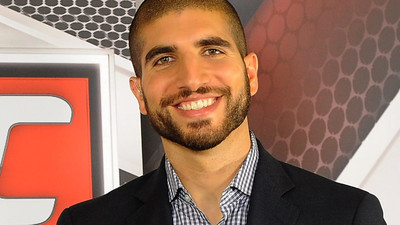
Sportsbook company BetMGM has signed mixed martial arts (MMA) journalist Ariel Helwani as a brand ambassador. Helwani, an award-winning media personality, will integrate BetMGM into his promotional content and also be featured in upcoming BetMGM marketing campaigns, social media content and promotions, as well as fan events.

“Sports betting has always been intertwined with the mixed martial arts world and now, with its availability in more states, I’m excited to work hand-in-hand with BetMGM to deliver unique insights into the sports betting world,” said Helwani.

Over the course of his career, Helwani has worked with major sports outlets including ESPN and SB Nation. He currently hosts The MMA Hour for Vox media as well as The Ringer MMA Show podcast, breaking down the latest fights across MMA, boxing and pro wrestling. Helwani has been the recipient of the World MMA Award Journalist of the Year award for 10 consecutive years.

Matt Prevost, BetMGM’s chief revenue officer said, “Ariel has played a prominent role over the years in growing MMA to the masses. His extensive knowledge and signature reporting style makes him a tremendous addition to the BetMGM team.”

Former UNLV QB Joins Caesars Sportsbook

Kenny Mayne, former college and NFL quarterback and ESPN anchor, is the newest content contributor and brand ambassador for Caesars Sportsbook.

Mayne played for the UNLV Rebels from 1979 to 1981, then spent several years as a free agent for the Seattle Seahawks. The 62-year-old, former host of ESPN’s “Maybe Event,” said he worked as an usher in 1980 for the Muhammad Ali-Larry Holmes fight at Caesars’ outdoor boxing ring.

“Now I’ve returned to Caesars,” he said in a video. “It’s kind of like one of those stories you read about on the internet where a dog gets lost and he finds his way home, traveling thousands of miles by foot. Who doesn’t love dogs? Who doesn’t love home dogs?”

According to the Las Vegas Review-Journal, Mayne, who recently ended his 27-year run at ESPN, will write, produce and deliver sports betting content that will be shared on Caesars’ social media. He’ll also make live event and commercial appearances.

“I don’t think anyone could have written a better job description for what I’ll be doing. In fact, I got to help write the job description,” he said. “Our intent is to do some fun things related to Caesars Sportsbook, the history of Caesars and the sports bettors who engage with Caesars.”

Will NJ Online Casino Biz End in 2023?

A 2103 New Jersey law that allowed for online casino play, including poker, has a sunset provision. Who knew?

New Jersey lobbyist William Pascrell III did. He brought that up as part of a talk on the history of gambling in America to Seton Hall law school students September 20. The discussion marked the first day of the “Gaming, Compliance and Integrity Boot Camp” a conference to introduce the students to the possibilities of employment in the growing industry.

Pascrell, a partner in the Princeton Public Affairs Group, informed the audience that the 2013 New Jersey law that legalized online casino gaming expires in 2023.

“All these colossal companies doing online casino or poker, they have to hope it gets renewed,” Pascrell said. “We don’t know who the governor will be, we don’t know who the legislature will be.”

The operators expect to exceed $1 billion in online gaming revenue, according to State Division of Gaming Enforcement Director David Rebuck.

Easy enough, but operators hope to eliminate the law that says they must be linked to a casino entity to offer online gaming. Untethering, as it’s known, would save the 25 percent to 33 percent of their profits that now go to the host casinos.

Thus, talks about renewing the law could get complicated, Pascrell said. For the record, Pascrell believes the law will be reauthorized, according to NJ Online Gambling.

“But there will be some changes,” he said. “Any time you have a bill pushed that is of significance, with a lot of people looking at it, there will be a lot of people looking to put different things into it. Whether or not there is an untethering remains to be seen.”

Rebuck said the tethering situation might be in the minds of casino companies as they look to mergers and acquisitions. Caesars buying William Hill, for example.

“If you’re a casino and you acquired the company, you don’t have to be worried about [a guaranteed partnership with an online casino brand] going away; you own it, you operate it, you don’t have to worry about a third party coming in,” Rebuck said. “You are in control.”

Any change in the bill which could have a negative impact on the health of the industry in Atlantic City would have little support in Trenton.

Flutter Settles Long-Standing PokerStars Case in Kentucky

Flutter Entertainment, the parent company of PokerStars, has settled an old case with the commonwealth of Kentucky for $300 million, far less than sought.

At the outset, the commonwealth wanted more than $800 million, for a combination of resident losses on the site and gambling addiction costs. The Kentucky accused PokerStars of offering illegal gambling based on a 300-year-old law. With interest in the intervening years, that amount grew to $1.6 billion. But on September 22, Flutter settled with Kentucky for $300 million, of which the company paid $100 million earlier this year.

Flutter hoped to win the case but suffered legal setbacks before the Kentucky Supreme Court in the last nine months. So, Flutter threw in the towel and now considers the case closed.

In 2015, a lower court ruled against PokerStars then-parent The Stars Group, and the Kentucky Supreme Court upheld that ruling against Flutter last December. Flutter wanted a rehearing and was denied.

Flutter failed to take its case to the U.S. Supreme Court in September before deciding to shut the effort down and settle.

Arizona Sports Betting in Time for NFL Kickoff

Arizona’s sportsbooks began taking wagers just in time for the NFL season opening on September 9. The state easily brushed aside a lawsuit by a tribe claiming that sports betting violates the state constitution.

Two retail sportsbook locations began operating in Phoenix, the FanDuel Sportsbook at the Phoenix Suns Arena and at temporary windows converted from ticket windows and operated by Caesars Entertainment at the Arizona Diamondbacks’ Chase Field. Chase Field becomes the first Major League Baseball stadium to host in-person betting. The Caesars Sportsbook will operate from a more permanent location after the first of the year.

Governor Doug Ducey, FanDuel executives and several retired Suns players attended the opening ceremony at the Phoenix Suns Arena and then retired to the sportsbook lounge to watch the season opener between the Dallas Cowboys and Tampa Bay Buccaneers.

Not limited to professional sports, bets may also be taken on college games. The first day of wagers saw steady lines and good size crowds, according to FanDuel senior director for retail operations Jeff Lowich.

The commercial sports betting operations were able to beat the tribal operations out of the gate due to a delay in finalizing an addendum to the tribal gaming compacts, according to the Arizona Department of Gaming.

The compacts negotiated between Governor Doug Ducey and the state’s 22 gaming tribes and signed by him in April, allowed for sports gaming to be operated by ten professional sports operators and 10 tribes. It also legalized daily fantasy sports and the addition of some Las Vegas style table games to tribal casinos and deploy more slot machines.

The Daily Fantasy Sports games went live August 28.

Eventually the Department of Gaming did issue licenses for tribes to offer sports betting. There were 16 applicants, the 10 tribes issued licenses are:

The Yavapai-Prescott Indian Tribe had tried to stop the roll-out of sports betting in the state with a lawsuit that claimed sports betting was illegal and that the process violated Arizona’s Voter Protection Act by amending the 2002 initiative—Proposition 202— that legalized Indian casinos in the state. They also argued that it was unfair to limit the number of sports betting licenses for tribes to 10.

The Yavapai-Prescott did not sign the compacts back in April. They complained that the compact was offered to them as a “take-it-or-leave it” proposition. The state, including some tribes, counter that the tribe always intended to sue no matter what was offered.

However, Superior Court Judge James Smith did not issue an injunction to stop the opening. He wrote that Proposition 202 only applied to tribal gaming, not other types: “Plaintiff did not cite language from the proposition indicating that Arizona would never expand gambling to different activities or locations.” The judge added, “What is more, the proposition contemplated gambling expansions.”

The judge also agreed with the state that the tribe waited too long after the April signing of the compacts before challenging the law. He wrote, “The tribe’s delay filing suit rebuts the notion of irreparable harm.”

A spokesman for the governor, C.J. Karamargin, hailed the ruling:

“Today’s ruling is not just a win in court, but a win for Arizona,” he said. “A tremendous amount of work by a diverse group of stakeholders has gone in to implementing HB2772 and the amended tribal-state gaming compacts. This ruling means that work will be allowed to continue.”

It doesn’t mean there won’t eventually be a trial, and that the tribe could still prevail in that trial, only that there won’t be an injunction to stop sports betting in the meantime.

The judge left a possible line of attack for the tribe to take in court: A challenge based on the Equal Protection Clause of the U.S. Constitution. He wrote, “Tribes using trust land for expanded gambling is a much different argument than H.B. 2772’s treating tribes differently than Sports Franchise Owners.” He added, “And that difference between tribes and sports franchises was the thrust of the Motion. The tribe could not use its Reply to broaden the argument.” Smith concluded, “Those may be legitimate and serious issues to explore in this litigation, but they do not justify the injunction the Tribe requested.”

Three days after sports betting went live in Arizona the tribe filed an amended complaint.

The 20 licenses that have been issued are as follows:

Tribal Licenses Allocated (and their sportsbook operator partners): Fort Mojave Indian Tribe (SuperBook Sports), Navajo Nation, Quechan Tribe (Unibet Arizona), Tonto Apache Tribe (Churchill Downs), Tohono O’odham Nation, Hualapai Tribe (Golden Nugget), Ak-Chin Indian Community, San Juan Southern Paiute Tribe (Digital Gaming), San Carlos Apache Tribe (Wynn), Ft. McDowell Yavapai Nation.

Sports Team/Organization Licenses Allocated: Arizona Cardinals (BetMGM), Arizona Diamondbacks (William Hill), Phoenix Suns (FanDuel), Arizona Coyotes, Phoenix Mercury (Bally’s), TPC Scottsdale (DraftKings), Phoenix Speedway (Penn National), Arizona Rattlers (Rush Street Interactive).

In California, Sports Betting Giants Push Mobile

BetMGM, DraftKings and FanDuel have added their support to a ballot measure that would allow mobile sports betting in California. With the latest plan, there could be three competing sports betting measures on the November 2022 ballot.

The nation’s largest betting companies want to qualify the measure for the 2022 ballot, where it would compete with a tribal proposal that would allow sports betting only at tribal casinos and racetracks—but not online or at card clubs. The big-name sportsbooks don’t want to stop sports betting from being legal in tribal casinos, they want to expand on it to allow mobile sportsbooks, which the tribal proposal pointedly does not do.

The tribal measure has already qualified for the 2022 midyear ballot.

Cities’ Proposal

A second group, the California Cities Gaming Authority—a joint powers authority of cities that authorize or regulate card rooms—has filed a request with the state Attorney General’s Office for a measure that would legalize statewide mobile betting. The authority includes Gardena, Inglewood, San Jose and Colma—all of which host card clubs.

Their initiative would tax sports betting at 25 percent and direct the money to the state’s general fund, where it would be spent on helping the homeless, providing affordable housing, and bolstering educational and mental health programs.

The card clubs support the Cities’ measure because it would cut them in on sports betting. So far, club owners have donated $400,000 towards the plan—not surprising, since the tribes deliberately excluded card clubs from sports betting in their initiative.

The Cities’ proposal, said the authority’s general counsel, Jimmy Gutierrez, “opens sports wagering to every entity licensed to conduct gaming in California including Indian tribes and to all professional sports teams seeking to conduct sports wagering directly or via the internet.” In other words, that would include all tribal casinos, the state’s four racetracks, card rooms, venues of professional sports teams and online or mobile sports wagering operators.

Gutierrez has criticized the tribes for trying to squeeze out card clubs: “The tribal gaming initiative gives Indian tribes powers sufficient to drive card rooms out of business by establishing Indian casinos on non-tribal lands in the cities that license card rooms.”

Cause-Funding

According to Politico, the sports betting operators behind the third measure plan to spend $100 million promoting the “California Solutions to Homelessness and Mental Health Support Act,” which would require a provider to partner with a tribe and set aside some revenue for tribes. Campaign manager Dana Williamson has managed the campaigns of former Governor Jerry Brown and served on his cabinet.

If passed, it would be the first initiative of its kind in the U.S. to earmark money to fight homelessness: 85 percent for the homeless and 15 percent for tribes. Williamson said, “Permanent solutions require a permanent funding source. (The act) will raise hundreds of millions of dollars annually to fight homelessness and expand mental health support in California by allowing regulated entities to offer safe, responsible sports betting online.”

The plan would create an open, competitive market for mobile and internet wagering only. It would not cap the number of licenses but would charge a $100 million fee for operators who partner with tribes and $10 million for tribes that go it alone. It would also set a high bar for qualifying non-tribal operators, requiring them to already operate in 10 U.S. jurisdictions or at least 12 U.S. casinos and have five live digital platforms. It would allow bets on professional, college and amateur sports and would not require official league data. It would be taxed at 10 percent.

Proponents say their measure doesn’t conflict with the tribal measure and both could pass, in which case tribal casinos and racetracks would offer retail sportsbooks, while digital betting would be offered statewide.

However, gaming tribes have already spent $12 million on the sports initiative that would give them—and racetracks—a monopoly on sports betting. They’re unlikely to support this new proposal or any compromise.

According to one industry source, the sportsbook operators tried to be a part of the original tribal measure, and see this new proposal is as a way to work with the tribes. To support the measure or not will be a dicey proposition for companies that operate retail sportsbooks but also manage tribal casinos, such as Caesars or MGM.

The Juiciest Prize

With a population of 40 million, California is the juiciest untapped sports betting plum in the nation. BetMGM CEO Adam Greenblatt commented,

“California is one of the most important sports betting markets in the world, and BetMGM is committed to bringing legal, regulated mobile sports betting to the state.” He added, “As we’ve seen in states where BetMGM currently operates, regulated sports betting brings in tax revenue that supports important causes – in this case finding solutions for homelessness and mental health support.”

The three possible rival sports betting initiatives sets up 2022 as possibly one of the most expensive elections on records. The tribes and card clubs have long battled, with card clubs generally losing ground. But the entry of the sports betting operators complicates things.

One other possible scenario: The legislature could create a compromise measure that would give enough to everybody to get all three to withdraw their measures.

Massachusetts Governor: Hurry, Sports Betting

Massachusetts Governor Charlie Baker has renewed his call for the Bay State legislature to legalize sports betting. This time he took to Twitter to urge on lawmakers.

His Tweet read: “Great to see the @Patriots back! We filed a bill in 2019 and again this year to legalize sports betting in MA—it’s time to act and get this done. MA is losing out to many of our neighbors on this one.”

The governor claims the state is losing money to neighboring Rhode Island, which has offered sportsbooks for more than a year.

First Washington Sportsbook Goes Live

Snoqualmie Casino near Seattle September became the first sportsbook to open in Washington state—on the very first day of the NFL season.

Former Supersonics star Shawn Kemp placed the ceremonial first bet.

The tribal casino is partnered with International Game Technology, which helped the tribe to open the first sportsbook with impressive speed, according to observers who were impressed that the tribe got federal approval the week before, on August 31, along with eight other Washington tribes.

Stanford Le, CEO and President of Snoqualmie Casino stated, “It is only because of the hard work and collaboration between the Washington State Gambling Commission, the Snoqualmie Gaming Commission and our casino team members that we are able to accomplish this milestone in time for the kick-off of the NFL season.

Rebecca George, executive director of the Washington Indian Gaming Association congratulated the Snoqualmie tribe: “Today’s commencement of sports betting at the Snoqualmie tribe’s casino marks an important milestone in the progress that Washington State’s tribes have made in regaining their self-reliance.” She added, “The launch of sports betting is going to provide a real boost for tribal communities that are still working to recover from the tough impacts of COVID shutdowns. And the positive benefits will extend well beyond tribal communities themselves. Tribal gaming revenues not only fund critical services for long-underserved tribal communities, those revenues also bolster the overall economies of communities across Washington State.”

Eventually nine tribal casinos will offer sports betting: The Cowlitz Tribe’s Ilani Casino Resort, Lummi Nation’s Silver Reef Casino, The Puyallup Tribe of Indians’ Emerald Queen Hotel & Casino, The Suquamish Tribe’s Suquamish Clearwater Casino Resort, The Stillaguamish Tribe’s Angel of the Winds Casino, The Squaxin Island Tribe’s Little Creek Casino and Resort, The Spokane Tribe’s Spokane Tribe Casino in Airway Heights, Chewelah Casino, The Snoqualmie Indian Tribe’s Snoqualmie Casino and the Tulalip Tribes’ Tulalip Resort Casino.

Wagers are allowed on baseball, basketball, boxing, football, golf, MMA, motorsports, soccer, tennis, NCAA baseball, NCAA basketball and NCAA football. Betting on minor leagues or collegiate events involving a Washington college is not allowed.

Connecticut Sports Betting Agreements Now in Force

Connecticut’s two tribal-state gaming compacts became legal on September 15 when they were published in the Federal Register after being approved by the Bureau of Indian Affairs.

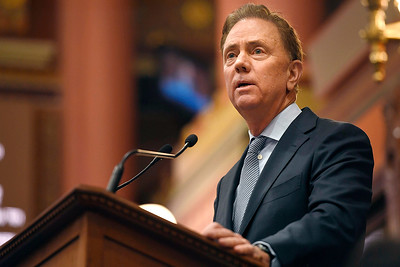
Connecticut Governor Ned Lamont said in a statement: “This critical step in the process of modernizing our gaming landscape here in Connecticut ensures that our state will have a competitive, nation-leading marketplace for wagering both in-person and online.”

He added, “In working collaboratively with the Mohegan Tribe, the Mashantucket Pequot Tribe and the Connecticut Lottery Corporation, Connecticut has crafted nation-leading legislation which will position our state as a leader in this space and will provide an elevated user experience for eligible residents.”

The tribes, including the Mohegans and the Mashantucket Pequots and the state still haven’t announced a firm date—although it will probably be in October‑to begin taking wagers. When they do they will offer sports betting and iGaming.

This requires approval by the state Department of Consumer Protection, which will be issuing supplier and vendor licenses to the Connecticut Lottery Corp., the Mashantucket Pequot Tribe and the Mohegan Tribe . Previously the regulations for sports betting were approved by the Connecticut General Assembly’s Regulation Review Committee.

The Mohegans have partnered with FanDuel and the Pequots with DraftKings. The Connecticut Lottery, which will also offer sports betting has partnered with Rush Street Interactive.

NHL Mum About Player Injuries, Could Hurt Betting Prospects

Of the four major professional leagues, only the NHL does not issue injury reports. Some teams don’t even indicate the starting goaltenders until warmups, according to the Las Vegas Review-Journal.

The failure to communicate seems to go against the league’s aspiration to expand its presence in the sports betting marketplace. The league has several partners, including William Hill, MGM Resorts, FanDuel, Bally’s, Betway, PointsBet and DraftKings.

Still, don’t for a change in the lack of disclosure.

“To this point in time, that’s not being contemplated,” deputy commissioner Bill Daly said. “People ask whether our sports betting partners have requested it, have expressed any concerns with regard to our current policies. None of that has been done.”

There’s no pressure to do otherwise, said handicapper Dana Lane. “It may hinder who they bet on, but I don’t think the actual desire to bet the game is hindered in any way by who starts in net.”

But bettors still wager on the NHL and for crafty fans such info is there if they dig. They can read what the beat reporters say, for example.

“(Bettors are) on Twitter and Facebook and looking at all these different sites,” Red Rock Resort sportsbook director Chuck Esposito said. “The betting public is so much more educated now than ever before.”

In other NHL news, the league signed a 10 year-deal for data and streaming with Sportradar, which includes the right to purchase up to 1.8 percent equity in the firm, according to Sportico.

As part of the deal, Sportradar will help the league monitor betting patterns to search for potential suspicious activity.

As for the Sportradar IPO, the company debuted On Nasdaq on September 14. After an opening at $27 per share, share price slipped to $25.05 by market close, valuing the business at $7.4 billion.

Carsten Koerl, who will remain CEO with 81.8 percent of the voting rights, kept 31.8 percent of the stock, a stake worth $2.4 billion, according to Forbes. Charlotte Hornets owner Michael Jordan, Dallas Mavericks owner Mark Cuban, Washington Capitals owner Ted Leonsis and Los Angeles Dodgers part-owner Todd Boehly all own minority stakes in Sportradar.

The company raised $513 million through the IPO, according to CFO Alex Gersh, and an additional $169 million from a concurrent placement with Eldridge Industries, a holding company owned by Los Angeles Dodgers owner Todd Boehly, according to Sports Handle.

“We see a great opportunity to make some acquisitions,” Gersh told Front Office Sports. He added that Sportradar would focus on AI and other technology companies that can improve the value of what it offers to clients, namely in sports betting and fan experiences.

The firm has over 900 sports betting clients, including DraftKings, FanDuel and Flutter, and 150-plus sports league partners, among them the NBA, MLB and the NHL.

Auditors Criticize D.C. Sports Betting

For the second time this year, Washington D.C.’s independent auditor has released a report criticizing the District’s betting program. The July analysis stated Intralot, the private contractor hired to manage the betting system, was not meeting subcontracting requirements with local small businesses. Now in its recently released report, Auditor Kathy Patterson’s department found the District’s sports betting program is performing poorly and urgent changes must be made immediately to boost revenue, which has fallen far behind projections.

The auditors said unfavorable odds for bettors, problems with GambetDC, the District’s mobile betting app and issues with the regulatory structure have caused numerous problems. They wrote, “Overall, the future success of GambetDC will be tied not just to the strength of the District’s recovery from the pandemic but also to the steps the Office of Lottery and Gaming takes to increase sports wagering revenue.”

In response to the audit report, lottery officials said they already started to address some of those issues. For example, they said the District’s new retail program that places GamBet kiosks in bars and restaurants is expected to generate new revenue. Opening sportsbooks at the District’s sporting venues, such as Nationals Park and Audi Field, also should help.

Office of Lottery and Gaming Executive Director Frank Suarez said, “Despite the initial negative impact of the Covid-19 pandemic on professional sporting events and the number of commuters and tourists that visit the District, significant progress has been made since launching sports wagering in the District. We are excited about the future and developing a robust and lucrative sports betting business that supports the economic vitality of the District.”

The auditors found the District took in $30.6 million in wagers between the launch of GamBet on May 28, 2020 and the end of March 2021, and paid out $26.2 million winnings, resulting in $4.27 million in gross revenue for the District. However, it kept only about $444,400 compared to District officials’ original claims the District would earn $17 million in annual revenue.

The reason for the difference is the District gave $3.93 million to Intralot; under its contract with the company, the District is required to give it 42.5 percent of gross revenue plus an additional $1.58 million to offset its operating costs. Those costs include “bonuses and promotions for bettors, streaming fees and marketing activities,” the report noted. Similar operations in Montana and New Hampshire, for example, do not include those kinds of provisions for those states’ contractors.

The report recommended giving wagerers better odds, which it said could result in more payouts to players, but “it may further incentivize bettors to use GamBetDC if they think they can win more money.” The auditors also noted “resolving technical issues experienced by users” betting on GamBet’s mobile app also could help raise revenue.

In response, Suarez wrote that District officials and Intralot “continuously review payouts and will make adjustments as required in order to be competitive in the marketplace and to maximize revenue to the District.” However, he would not commit to other odds adjustments. A lottery spokeswoman said the agency still is considering whether to increase the payout rate.

Suarez added Intralot and the District have made a variety of improvements to GamBet’s experience, including a “revamp” of the user interface and the upcoming addition of betting inducements like teasers and prop bet. He noted restrictions prohibiting bettors from placing wagers in federally controlled areas still frustrate users. The District cannot change those provisions on its own. Suarez stated, “The perception is that the GambetDC platform doesn’t work when it is working exactly as required by District and federal laws by not allowing wagers to take place within significant areas within the District.”

He added the District is reviewing whether it could pay Intralot a larger percentage of gaming revenue instead of a flat fee for operating costs. But Suarez pointed out the District has collected $2.1 million in licensing fees from private operators but reviewing those operators’ applications and other regulatory steps have cost $3.7 million. He noted, “Licensing fees are set by statute. The Office of Lottery and Gaming will continue to monitor costs and, if warranted, will provide recommendations to council for their consideration of any necessary modifications.”

NY Mobile Operators Missed Kickoff, Hoping for Super Bowl

New York lawmakers passed mobile sports betting legislation back in April, but couldn’t get it up and running in time for the start of NFL season on September 9. Until then, fans will have to go to the nearest sportsbook to bet the NFL, or maybe cross into Jersey to place mobile wagers.

Meanwhile, regulators are looking at bids from six potential providers and hope to launch the new industry by Super Bowl Sunday, next February 13.

“I still remain optimistic that if not by the end of the year, by the beginning of next year, that we have our operators and providers and we’re taking our first bets—and certainly by the Super Bowl,” said Senate Racing Committee chairman Joseph Addabbo, D-Queens.

Currently, sports betting in the state is confined to four onsite sportsbooks at casinos in the Catskills, the Finger Lakes area, the Southern Tier and near Albany. All the major operators are vying for licensure in the state, with the winning bids to be announced in early December.

“The state legislature established a timeframe for the competitive bidding process of licenses for mobile sports wagering, requiring selection — to the extent practicable—no later than 150 days after receipt of applications,” Gaming Commission spokesman Brad Maione said. “The commission fully anticipates being within the deadline established by law.”

According to MSN, mobile sports betting stalled for years in the state legislature and was opposed for much of that time by ousted Governor Andrew Cuomo, who said it might violated the state constitution.

The Covid-19 pandemic hastened the bill’s passage, with Cuomo’s office estimating it could bring in $500 million a year by the time mobile sports betting is fully operational. Operators would have among the highest taxes in the nation, at about 50 percent, but New York represents the largest untapped mobile sports betting market in the U.S.

Nebraska Sports Betting Could Launch Late 2021

In November 2020, Nebraska voters approved an amendment allowing games of chance, including sports wagering and casino gambling at racetracks. Governor Pete Ricketts signed the bill into law in May 2021. But sports betting still isn’t expected to launch before the end of 2021. Tom Sage, executive director of the Nebraska Racing and Gaming Commission, said, “The people of Nebraska, our voters, some of them are frustrated. I hear that. Bear with us. We’re working on it.”

Sage explained, “There’s an extensive background review for anybody that wants an authorized gaming license in Nebraska, as there is in many other states.” He said wagering will not be allowed on an app or online. “It has to be done within a brick-and-mortar casino or specific location approved by the commission,” he said.

Also, Nebraskans will not be allowed to bet on University of Nebraska Cornhusker home games. “Later in the season, Nebraska is playing in Iowa. We could then wager on the Huskers,” Sage said.

At Lincoln Race Course, plans already are underway for a sportsbook. Lynne McNally, executive vice president of Nebraska Horsemen, said, “As soon as we’re able to be licensed, we can immediately start redoing this building and making it more conducive for sports betting patrons.” The venue will build a restaurant, 196-room hotel and a spa. “All of the entertainment options that you get from sports betting and all of that revenue is going to stay right here in the state,” McNally stated.

Meanwhile, Sage said it’s not likely the racing and gaming commission will vote on the first casino application for several months. “It’s a slow process,” he said. He explained commissioners only recently received a report from Gaming Laboratories International about casino gaming rules and regulations. He said once the proposed rules are written, a public comment period will follow, then a public hearing and the vote, which is not expected to happen before December.

Sage said if the commission approves the rules, both Ricketts and Attorney General Doug Peterson would have to sign off on them, and then they would be sent to the secretary of state’s office for approval. He said that would move the start of the application process to early next year. Then, any applicant would be subject to an intensive vetting process that could take at least 30 days or more.

All six licensed horse racetracks, including tracks in Grand Island, Columbus and Hastings, have announced plans for casinos. In addition, new tracks are proposed for Bellevue, Gering, Kimball, Norfolk, North Platte and York. Also, the Horsemen’s Benevolent and Protective Association is partnering with Ho-Chunk Inc. to build WarHorse casinos in Lincoln, Omaha and South Sioux City.

Fonner Park Chief Executive Officer Chris Kotulak said the industry should have “grave concern” about the possibility of too many casinos. “The best way to dilute and ruin the best potential for revenue is to oversaturate,” he stated.

Sage commented the commission has formed committees to consider the new proposals. He said some could be granted racing licenses before the casino application process is complete. Also, he noted Ricketts has filled only one of the two empty commission seats and has not indicated when he plans to fill the second seat.

Sports Betting Debuts at Four Deadwood Casinos

Four casinos in Deadwood, South Dakota opened sportsbooks on September 9. The venues are Tin Lizzie, Cadillac Jack’s, Gold Dust and Mustang Sally’s. For now, wagers can be placed with a teller at a window

or at a digital kiosk. In the near future, bets can be placed on a phone app as long as the bettor is on the premises.

The day before the openings, the South Dakota Commission on Gaming issued its final ruling which sporting events gamblers can bet on, including Olympic events and professional and college sports.

Deadwood Gaming Association Executive Director Mike Rodman said, “We’re very pleased that we got to this point. And it’s been a long haul getting there.”

Rodman noted the effort to bring legalized sports gambling to Deadwood started several years ago. In 2019, the Deadwood Gaming Commission urged state lawmakers to legalize it, but the legislation failed by three votes. In 2020, South Dakota voters passed a sports gambling referendum with 58 percent approval. Sports betting finally was officially legalized in 2021.

PointsBet, NBC Sports to Debut Content

A multi-year partnership between PointsBet and NBC Sports last year and its selection by the NFL to become one of seven approved sportsbooks has expanded data for bettors into programming content, according to TV Technology.

“Our NBC Sports NFL broadcast odds integrations represent a historic and groundbreaking moment for sports betting and PointsBet,” said Johnny Aitken, PointsBet USA CEO. “As we enter the second year of partnership with NBCUniversal, we are taking a major step to innovate and integrate our service within their platforms.”

Viewers can watch a weekly odds segment featuring expert analysis from PointsBet global ambassador, Drew Brees who also appears in ad spots for the company’s new brand campaign, “Live Your Bet Life.”

The content will examine NFL betting markets of the day and what to look for in Sunday Night Football. The postgame show will take a look at future betting markets, with PointsBet oddsmaker Jay Croucher and senior editor Teddy Greenstein.

“We look forward to continuing to work with our partners at PointsBet to further engage viewers of our live NFL game and studio content,” said Nicolina O’Rorke, senior vice president of NBC Sports Next and GM, Sports Betting & Gaming.