Author: Casino Connection Staff

Macau Police Move on Cryptocurrency Launch

Macau’s Judiciary Police announced it had detained a 37-year-old male Macau resident for allegedly giving false information to attract investors in a cryptocurrency launch for use in transactions related to casino gambling.

The cryptocurrency originates from the company Lantai Digital Application Technology Co Ltd, which has since apologized for the launch with a message on its website.

“The Judiciary Police learnt from media reports on April 18 that the company that did the launch of the cryptocurrency subscription claimed that their digital tokens can be changed into gaming chips and used worldwide, as well as be used in online gaming,” said police spokesperson Lei Hon Nei at a press conference. “The company also claimed that they had cooperation relationship with Macau junkets.

“But we have not found any Macau junkets that have worked with this company regarding the developing of its cryptocurrency,” he said. “We believe that there are people using false information to attract the public to subscribe to the so-called cryptocurrency that they claim is a cooperation project with Macau junkets.”

The Macau resident was detained on suspicion of involvement in a scam and of organized crime, police said. The man was described as a driver tasked with taking gamblers to local casinos—is being questioned. At least 10 other people suspected of the same offences are still be traced, police said.

“According to our investigation, this cryptocurrency subscription launch event was organized and hosted by more than 10 people,” Lei said. “Their roles included the setting of the venue, and the purchasing of congratulatory flower baskets. At the launch venue, the names of some of local Macau junkets as well as some other mainland Chinese companies were written on the flower baskets. But these flower baskets were actually not sent by these junkets and companies.”

The company had been looking to issue two billion subscriptions for a total realization of HK$6 billion, police said. The list of junkets named include Suncity Group, Tak Chun Group, David Group, Meg-Star Group, and Venus Group.

The report prompted several Macau junket operators to issue clarifications saying they had no connections to Lantai Digital Application Technology.

Lantai issued an apology letter on its official website, stating that it “had never reached cooperation agreements in any form with Macau’s gaming firms”, and that its “subscription of cryptocurrency; its launch activity, trading and application” had no relation with the city’s gaming firms.

Lantai, which describes itself as a Cayman Islands-registered firm specialized in information technology, did say that its effort for the launch event of its cryptocurrency subscription had been aided by the Macau junket firm Venus Group.

Venus Group, however, was one of the local junket firms that said it was not involved with the company.

“The so-called clarification statement issued recently by Venus Group contains a malicious intent to direct the whole case the launch of the digital token onto Lantai,” the Lantai statement said. “Lantai preserves the right to take action against Venus Group.

In another matter, SJM Holdings Limited also told the Macau News Agency that it had been recently targeted in a scheme by a company claiming to be in negotiations with the local casino operator to sell its blockchain solutions and cryptocurrency.

The company, SmartPlay.tech, told the news agency that “it had discussed the possibility of implementing their blockchain platform into the existing gambling and slot machine software” of SJM.

However, SJM Holdings Limited said it has no collaboration SmartPlay and “We have no plans to co-operate with SmartPlay.tech.”

China Bans Online Poker Apps on Social Media

China is moving against online poker by banning play on social apps offering versions of the game and by declaring that poker will no longer be considered a competitive sport in the country.

According to Chinese media reports recounted by Inside Asian Gaming, the ban will require all apps offering any form of social poker game to be shut down and removed from app stores by June. Social media channels such as WeChat will also be banned from promoting any form of Texas Hold ‘em product.

Online poker is predominately played on social apps in Chins, the report said, so the ban could effectively block most players and companies. Hong Kong-listed Boyaa Interactive, for example, offers the Boyaa Poker Tour through an online app. The company’s share price fall by 12 percent immediately following news of the ban, the report said.

Inside Asian Gaming also reported that Tencent, developer of WeChat, has taken down its World Series of Poker app. Also, Ourgame, which owns and operates the World Poker Tour, posted a statement on its website saying it will examine and correct its poker offerings in order to satisfy the new regulations.

The full legal framework of China’s social media poker ban, however, has not been completely released.

Borgata Linked Online Sites Launch Live Dealer Games in New Jersey

New Jersey’s online casino market remains vibrant as a second online casino brand and its affiliated sites have begun offering live dealer casino games.

BorgataCasino.com and its affiliated sites playMGM and PartyPokercasino have quietly soft launched live dealer games. They join GoldenNuggetcasino.com and its affiliated site Betfair.com in offering live dealer play.

In New Jersey, online gambling sites must be affiliated with Atlantic City casinos—in this case the Borgata and Golden Nugget Atlantic City, respectively.

Borgata’s online offerings are powered by GVC. However, Borgata live dealer games are powered by the same software as GoldenNugget’s games and originate from the same place, Golden Nugget’s live dealer studio, according to OnlinePokerReport.com

According to the report, Borgata entered a deal with Golden Nugget that allows it to share certain live dealer tables. It appears Borgata will also lease space within Golden Nugget’s live dealer studio to offer exclusive-to-Borgata live dealer blackjack tables.

The Borgata sites now offer live-dealer blackjack, roulette, baccarat, casino hold ‘em and casino floor roulette.

GoldenNuggetCasino is the leading online casino brand in the state and officials have traced its growth in casino table game revenue to its live dealer choices.

Live dealer offerings are likely to continue to grow as Evolution Gaming has announced plans to open its own live dealer studio in New Jersey.

In another story, 888’s casino site in New Jersey announced it is adding 61 new games under a recent deal with NetEnt games and also IGT—two of the largest providers of online games in the state’s market.

The launch breaks down as 43 games for 888 casino’s site and 18 new games for its mobile app. Officials for the company said in a press release that the site now has the most diverse line-up of games in the market. The games are also available on Harrah’s Atlantic City’s branded website.

The additions seem to be another reaction to Pennsylvania’s move to allow online gambling as 888 has already announced a partnership with that state’s Mount Airy Casino and is increasing its U.S. casino games offerings to complement its poker platforms.

Atlantic City’s Ocean Resort Shooting for Late June Opening

June could be a monumental month for Atlantic City as reports have surfaced that the Ocean Resort—formerly the Revel casino on the city’s north Boardwalk—is shooting to open simultaneously with the new Hard Rock Atlantic City.

Hard Rock has set a June 28 opening date and announced a full slate of entertainment for the property, which was once the Trump Taj Mahal. According to the Press of Atlantic City, several new hires at Ocean Resort have indicated they have signed employment agreements with the casino, which respectively set either June 11 or June 28 as start dates.

Officials for Ocean Resort did not confirm the report.

“The Ocean Resort casino team is committed to opening this summer and looks forward to announcing its highly anticipated opening date soon,” CEO Frank Leone said in an email to the paper.

The Ocean Resort was purchased by Colorado-based developer Bruce Deifek for $200 million in January and officials have said since the beginning that wanted to see the property re-open this summer.

The two new casinos, however, have gone about their refurbishments in very different ways. Hard Rock, for example, has been noticeably changing the look and structure of the former Taj Mahal, removing all vestiges of the Indian-theme of the former casino and replacing it with Hard Rock’s signature look, including the planned construction of a large guitar sign.

Most of the refurbishments to the former Revel, however, have been internal and less visible, though there have been some postings to social media showing new carpeting and slots.

Hard Rock has also been publicizing its nearly $500 million refurbishment of the casino, including opening a preview center at the city’s Tangier Outlets shopping district.

Ocean Resort, by contrast, has done very little promotion for its upcoming changes. However, the casino did announce one new attraction it is adding saying it will offer the world’s largest Topgolf Swing Suite, a virtual golf and interactive sport games facility.

“No detail was overlooked in the development of Ocean Resort Casino,” said Deifik in a press release. “We’re aligning with companies and brands that are the best at what they do to optimize the overall guest experience, and Topgolf is one of the best in terms of delivering cutting-edge entertainment and memorable social experiences that capture the spirit of competition and fun.”

The 26,000-square foot indoor facility will feature 11 player bays, each with a 16-foot-wide video screen and virtual reality experience simulating not only golf, but other sports as well. The lounge can be used for viewing parties for the Oscars, the Grammys or the Super Bowl, the release said.

Ocean Resort has also previously announced a partnership with Hyatt Hotels’ luxury travel experience brand, Unbound Collection, which includes the addition of the line’s Exhale spa brand.

Still, Ocean Resort needs to obtain a license from the state Casino Control Commission before opening. To date, no license hearings have been scheduled, and a report from the state Division of Gaming Enforcement has not been completed, the Press reported.

But in another positive sign, the Atlantic City Council has introduced an ordinance to change the name of the road serving the casino from Revel Boulevard to Ocean Beach Boulevard.

May Headliners in Atlantic City Casinos

Boardwalk Hall

The Kevin Hart Irresponsible Tour
Boardwalk Hall, 2301 Boardwalk, Atlantic City, NJ
Saturday May 26, 2018 ● 7:00 p.m.

Kevin Hart announced he is expanding his widely successful and massively hysterical ‘The Kevin Hart Irresponsible Tour,’ adding over 100 new dates across the U.S., Canada, Europe, Australia and Asia. Produced by Live Nation, the tour will stop at Atlantic City’s Historic Boardwalk Hall on Saturday, May 26.

Tickets:  $35.00 – $150.00
Visit: 
www.boardwalkhall.com or call 1-800-736-1420


Borgata Casino Hotel & Spa

AC2: An Intimate Evening with Anderson Cooper & Andy Cohen
The Event Center, Borgata
Saturday May 5, 2018 ● 8:00 p.m.

Join Andy Cohen and Anderson Cooper for an unscripted, uncensored, and unforgettable night of conversation. You won’t want to miss these best of friends interviewing each other and giving the audience many laughs along the way. They may come from two different television genres, but you’ll see for yourself how well they mesh!

Tickets:  $75.00 – $125.00
Visit:  www.theborgata.com/shows/events/concerts

Brian Regan
Event Center, Borgata
Friday May 11, 2018 8:00 p.m.

Brian Regan has distinguished himself as one of the premier comedians in the country using observational, sarcastic, and self-deprecating humor. He can turn the most mundane situation—like going to the eye doctor to get fitted for glasses, or trying to decide how many fig newton’s to eat in one sitting—into hysterical stand up material.

Tickets:  $45.00 – $59.00
Visit:  www.theborgata.com/shows/events/comedy

Michael McDonald
The Music Box, Borgata
Friday May 11, 2018 ● 9:00 p.m.

Singer, songwriter, keyboardist and record producer Michael McDonald is one of the most outstanding performers of our time. McDonald was an influential member of The Doobie Brothers and Steely Dan. During his 45-year career, he has collaborated with a number of other artists, including Kenny Loggins, David Cassidy, Van Halen, Patti LaBelle, The Winans and Aretha Franklin, just to name a few. He is famous for hit songs “What a Fool Believes”, “I Keep Forgettin'”, “On My Own”, and many more.

Tickets:  $69.00 – $89.00
Visit:  www.theborgata.com/shows/events/all-events

 
Jackson Browne
The Event Center, Borgata
Saturday May 12, 2018 ● 8:00 p.m.

Jackson Browne has written and performed some of the most literate and moving songs in popular music and has defined a genre of songwriting charged with honesty, emotion and personal politics. He was inducted into the Rock and Roll Hall of Fame in 2004 and the Songwriter’s Hall of Fame in 2007. Browne is known for his advocacy on behalf of the environment, human rights, and arts education. He’s a co-founder of the groups Musicians United for Safe Energy (MUSE) and Nukefree.org and a member of the Ocean advocacy group, Ocean Elders. He brings his intimate West Coast sound to Borgata for one unforgetable night.

Tickets:  $76.00 – $116.00
Visit:  www.theborgata.com/shows/events/all-events

Nick Swardson
The Music Box, Borgata
Saturday May 19, 2018 ● 9:00 p.m.

Nicholas Swardson is an American actor, stand-up comedian, screenwriter and producer. He is best known for his recurring role as Terry Bernadino in the comedy series Reno 9.

Tickets:  $45.00 – $55.00
Visit:  www.theborgata.com/shows/events


John Fogerty / ZZ Top
The Music Box, Borgata
Friday May 25, 2018 ● 8:00 p.m.

Legendary rockers John Fogerty of Creedence Clearwater Revival and ZZ Top will come together for the Blues & Bayous Tour. John Fogerty along with ZZ Top have been followers of blues and rock since the beginning and are looking forward to rippin’ it up together the Bogata. A don’t miss concert for lovers of pure American rock & roll.

Tickets:  $99.00 – $159.00
Visit:  www.theborgata.com/shows/events/all-events


Billy Gardell
The Music Box, Borgata
Saturday May 26 2018 ● 9:00 p.m.

William “Billy” Gardell is an American stand-up comedian, actor, game show host and voice artist. Gardell played Chicago police officer Mike Biggs on Mike & Molly. He also made an appearance in a dozen episodes of My Name Is Earl as a police officer. Gardell voiced Santa in Ice Age: A Mammoth.

Tickets:  $35.00 – $39.00
Visit:  https://www.theborgata.com/shows/events/all-events


Kenny Loggins
The Event Center, Borgata
Sunday May27, 2018 ● 8:00 p.m.

Singer-songwriter and guitarist Kenny Loggins brings his mellow vibe to Borgata’s Event Center. Loggins early songwriting compositions were recorded with the Nitty Gritty Dirt Band, which led to seven albums He performed as the classic duo Loggins and Messina from 1972 to 1977.

Tickets:  $59.00 – $79.00
Visit:  www.theborgata.com/shows/events/all-events


Golden Nugget Hotel Casino, Atlantic City

Paul Anka
The Grand, Golden Nugget
Saturday May 5, 2018 ● 9:00 p.m.

Paul Anka Celebrates 60 Years of Hits – His Way!

One of America’s all time living legends will perform live at the Golden Nugget. His long awaited autobiography My Way An Autobiography, and album “Duets” featuring duets with Dolly Parton, Michael Jackson, Michael Buble, Celine Dion and more have just been released. Don’t miss this opportunity to catch this smooth, charismatic singer and song writer.

Tickets:  $75.00 – $95.00
Visit:  www.goldennugget.com/atlantic-city/entertainment 


Harrah’s Hotel Casino

Eddie B. – Teachers Only Comedy Tour
The Concert Venue, Harrah’s Hotel Casino, Atlantic City, NJ
Saturday May 12, 2018 ● 9:00 p.m.

Don’t miss out on this hilarious night of comedic classroom wisdom with social media star and voice of teachers everywhere – Eddie B!

Tickets:  $50.00 – $60.00
Visit:  www.caesars.com/harrahs-ac/shows


Resorts Casino Atlantic City

Giorgos Mazonakis
Superstar Theater, Resorts Casino, Atlantic City, NJ
Saturday May 5, 2018 ● 8:00 p.m.

Greek singer Giorgos Mazonakis was born and grew up in the suburbs of Athens, in the area called Nikaia. His debut appearance was in a night club of Patras, where the record company Universal discovered him. He soon started performing to bigger clubs in Athens where he changed the stereotypes of Greek night life. Giorgos Mazonakis continues to put himself in a continuously changing and evolving process concerning his personal style and his repertoire choices.

Tickets:  $50.00 – $100.00
Visit:  https://resortsac.com/entertainment-and-shows

 
The Village People
Superstar Theater, Resorts Atlantic City NJ
Saturday May 26, 2018 ● 8:00 p.m.

Gay icons the Village People is a one of-a-kind act synonymous with dance music. These six men provide high-energy choreography with fun and lots of singing and dancing, providing great entertainment for audiences of all ages and backgrounds.

Tickets:  $45.00 – $65.00
Visit:  https://resortsac.com/entertainment-and-shows  


Caesars Hotel Casino, Atlantic City NJ

Criss Angel Raw – The Mindfreak Unplugged
Caesars Maximus Theater, Caesar Hotel Casino, Atlantic City NJ
Friday May 4, 2018 ● 9:00 p.m.

This extraordinary evening of magic features Criss and some of his amazing friends with a stripped-down purity that’s in-your-face and guaranteed to blow your mind. Experience Angel’s famous sleight of hand street magic, mentalism and some of his most iconic illusions live in an intimate, raw setting.

Tickets:  $65.00 – $90.00
Visit:  www.caesars.com/caesars-ac/shows

 
Joe with Stokley of Mint Condition
Caesars Maximus Theater, Caesar Hotel Casino, Atlantic City NJ
Friday May 11, 2018 ● 9:00 p.m.

Two of R&B’s best singers, Joe and Stokley of the hit group, Mint Condition, will perform all of their love songs to the ladies to start off the Mother’s Day Weekend. As a special treat every ticket holder will be admitted free into the official after party.

Tickets:  $62.00 – $77.00
Visit:  www.caesars.com/caesars-ac/shows


Tropicana Hotel Casino

Massimo Ranieri
Tropicana Showroom, Tropicana Hotel Casino, Atlantic City, NJ
Saturday May 12, 2018 ● 9:00 p.m.

The legendary Italian entertainer Massimo Ranieri, will bring his show to the Tropicana. Massimo is an Italian pop singer, film and stage actor, and without a doubt a cultural icon.  Born in Naples, May 3, 1951, he is the fifth of eight children in the family. Massimo is considered to be one of the greatest Italian entertainer of all time.

Tickets:  $63.00 – $148.00
Visit:  https://tropicana.net/entertainment/entertainment-calendar

 
The Whispers, The Dramatics Featuring L.J. Reynolds and The Intruders
Tropicana Showroom, Tropicana Hotel Casino, Atlantic City, NJ
Sunday May 13, 2018 ● 6:00 p.m.

America’s most legendary stars of classic soul will bring the excitement of the ultimate concert experience. The show will feature The Whispers, best known for their up-tempo dance songs and smooth ballads, such as “And the Beat Goes On”, “Rock Steady”, “Keep On Loving Me” and “Lady.”

The Dramatics are one of America’s favorite soul groups. They will be backed with a complete band and horn section. Their most popular hits includes “In the Rain” and “Whatcha See Is Whatcha Get.” The Intruders were one of the first groups to gain charting success on the Philadelphia International label. You can expect to hear them perform songs like “Cowboys To Girls,” “I Wanna Know Your Name,” and “I’ll Always Love My Mama.”

Tickets:  $58.00 – $83.00
Visit:  https://tropicana.net/events

Tropicana Sold In Three-Way Deal

More consolidation in the gaming industry is ahead as billionaire hedge fund manager Carl Icahn’s casino operator, Tropicana Entertainment Inc., is sold for $1.85 billion in cash to Gaming and Leisure Properties Inc. and Eldorado Resorts Inc. Gaming and Leisure will pay $1.21 billion for most of Tropicana’s casinos and will lease the properties to Eldorado, which will pay the remaining $640 million of the purchase price. The deal has been approved by the three companies’ boards of directors.

In a statement, Icahn said: “Icahn Enterprises first acquired an interest in Tropicana in 2008. Tropicana was bankrupt and desperately needed new leadership. At that time, we identified this undervalued asset as being a perfect situation to deploy our modus operandi, by which we seek to acquire undervalued assets, nurture, guide and improve their condition and operations, and to ultimately greatly enhance value for all shareholders. By hiring a great CEO in Tony Rodio and a great management team, and by reinvesting every single penny of profits back into the company, we turned Tropicana into a great casino company.”

Tropicana President and Chief Executive Officer Tony Rodio added, “I am incredibly proud of what the entire Tropicana team has been able to accomplish over the past eight years, taking Tropicana from bankruptcy to one of the industry’s success stories.”

Four years ago, Eldorado held two gaming properties and shared ownership of a third. When the Tropicana acquisition is completed by the end of the year, it will own 26 gaming facilities in 13 states, including seven Tropicana properties in six states: Tropicana Casino and Resort, Atlantic City; Tropicana Laughlin Hotel and Casino and the MontBleu Casino Resort & Spa in South Lake Tahoe, Nevada; Tropicana Evansville in Indiana; Belle of Baton Rouge Casino & Hotel in Louisiana; Trop Casino Greenville in Mississippi; and Lumière Place in Missouri.

Eldorado Resorts Chairman and Chief Executive Officer Gary Carano said, “The acquisition of seven Tropicana Entertainment properties will allow Eldorado to enter two new gaming jurisdictions and deliver additional financial and geographic diversity to our operating base. Ultimately, we believe that the addition of the highly complementary Tropicana Entertainment assets to the Eldorado Resorts family of properties will result in attractive near- and long-term growth for Eldorado and another opportunity to create new value for shareholders.”

In total, the properties include about 7,900 slot machines, 265 table games and 5,400 hotel rooms plus dining, retail and entertainment amenities. When the sale is closed, Eldorado’s property portfolio will feature about 26,800 slot machines and VLTs, more than 800 table games and more than 12,500 hotel rooms.

Last May, Eldorado purchased Isle of Capri Casinos Inc. for $1.1 billion. In another more recent transaction, Eldorado agreed to buy the Grand Victoria Casino in Elgin, Illinois for $327.5 million in cash from MGM Resorts International and its venture partner. Bloomberg Intelligence Analyst Brian Egger said, “The combined transactions increase the company’s geographic diversification, add to earnings and free cash flow and do so at a multiple, after cost savings, well below the average” for regional casino deals.

Upon the announcement, Eldorado had its biggest intraday rally since it began trading on the Nasdaq in September 2014 with shares climbing as much as 21 percent to $43.15. Eldorado shares already had gained 7.7 percent this year through April 13’s close. Gaming and Leisure shares increased as much as 4.7 percent and Tropicana shares rose as much as 30 percent.

Tropicana shareholders must approve the transaction, Icahn Enterprises said in a regulatory filing, which noted if either side terminates the agreement, it would be subject to a $92.5 million fee.

The transaction does not include Tropicana’s Aruba assets, which will be sold as a condition of closing, nor the MontBleu Casino Resort & Spa in South Lake Tahoe, Utah.

Gaming and Leisure Properties Inc. acquires, finances and owns real estate property that it leases to gaming operators in triple-net lease arrangements. With this latest deal, GLPI will become the landlord for all six St. Louis area casinos.

Icahn Enterprises, which buys undervalued assets, improves their operations and ultimately sells them at a profit, acquired Lumière Place from Pinnacle Entertainment in 2013 for $260 million. Pinnacle sold the property to satisfy Federal Trade Commission concerns about competition in the St. Louis market when it acquired Ameristar Casinos. Last December, Penn National Gaming owner of Hollywood Casino and Casino Argosy Alton, announced it will buy Pinnacle Entertainment, operator of Ameristar and River City casinos both in the St. Louis area. That deal has not yet been completed; it required Ameristar in St. Charles to be sold to Boyd Gaming Corporation.

The top-performing casino in the St. Louis market, Lumière posted adjusted gross gaming revenue of $13.1 million in December, an increase of more than 15 percent over December 2016. Revenue increased 9.6 percent to $148.5 million for all of 2016.

Eldorado’s other significant purchase, of Grand Victoria Casino in Elgin, Illinois, about 40 miles west of downtown Chicago, “will allow us, upon closing, to focus on enhancing the guest experience and operating results without the need to undertake capital investments. As we work toward closing this acquisition by the end of 2018, we look forward to welcoming the team at Grand Victoria to the Eldorado family,” Carano said.

He added Eldorado has no immediate plans to renovate the Grand Victoria, or any of the Tropicana acquisitions.

MGM Resorts said it will receive its 50 percent share of the proceeds after certain transaction costs, or around $162 million. The company inherited its half interest in Grand Victoria when it acquired Mandalay Resort Group in 2005.

Grand Victoria features 1,088 slot machines, 30 table games and a 12-table poker room, plus four dining options, 7,495 square feet of meeting and banquet space, event and concert facilities, a 1,450-space parking garage and additional surface parking for 600 vehicles.

In 2017 it posted revenue of $168.7 million, up from $163.5 million in 2016, according to the Illinois Gaming Board. Its revenue has steadily declined since 2007 after a peak of $436.7 million, and employees have decreased from 2,500 to 800.

New Jersey Governor Seeks to Roll Back State Control of Atlantic City

New Jersey Governor Phil Murphy is moving to end the designation of former state attorney general and U.S. Sen. Jeffrey Chiesa as controller of the city’s finances.

Murphy’s office said the move is part of a “review and recommendation process” that include reverting Atlantic City government functions back to the Department of Community Affairs and ending the designee’s role within 30 days, according to a press statement.

The state took control of the city’s finances under legislation passed in 2016. While Timothy Cunningham, the state Local Government Services director, was given governing powers over the city, he and the administration of former Governor Chris Christie appointed Chiesa as his designee in the role.

Cunningham will continue in his role as the primary point person for the administration said Lisa Ryan, spokeswoman for the state Department of Community Affairs—the division is within the DCA—and he will work with Atlantic City business administrator Jason Holt, Atlantic City state monitor Richard Richardella, and the DCA Commissioner’s Office, according to a report in the Press of Atlantic City.

“The Department is thankful for the efforts the Chiesa law firm has put forth to date in helping stabilize Atlantic City’s finances,” Ryan said in a statement. “We used the change in administration as an opportunity to take stock of the situation in Atlantic City and this is how we are choosing to move forward.”

Murphy appointed former U.S. Treasury undersecretary Jim Johnson in February as special counsel to review the state’s involvement in the city and to provide recommendations to return the city back to local control. Ending Chiesa’s role is part of the review and recommendation process, the press statement said.

“The economic revitalization of Atlantic City is critical to advancing our overall state economy,” Murphy said in the statement. “The actions we are taking today will ensure we are working in full partnership with the city to ensure economic growth and empowerment for all Atlantic City residents.”

The announcement also said that “business development efforts will be handled by state agencies,” and that some litigation matters would remain with Chiesa’s law firm, Chiesa Shahinian & Giantomasi PC, while others would be handled by the Attorney General’s office or outside counsel. The DCA will also work with other agencies such as the New Jersey Economic Development Authority to help promote economic development in the city, Ryan said.

Atlantic City Mayor Frank Gilliam “applauded” the move while City Council President Marty Small said in a statement that the announcement showed the administration’s confidence “in Atlantic City’s governing body.”

“We need to continue to work hard with the state on all business pertaining to the good people of Atlantic City,” Small’s statement said.

Chiesa’s time in control of the city’s finances was notable for several deals he made with city casinos to reduce tax appeal judgments against the resort and moves to rework union contracts with city workers.

Elaine Wynn Settles Suit, Influences New Board Appointments

Elaine Wynn last week dropped a six-year old lawsuit against Wynn Resorts, the former CEO and ex-husband Steve Wynn and corporate General Counsel Kim Sinatra. A statement from Steve Wynn said that he “has resolved all outstanding legal issues with his former wife, Elaine Pascal Wynn. Mr. Wynn expressed gratification that he was able to put all of the personal unpleasantness of the last few years between he and Ms. Wynn behind him.”

After the sale of equity owned by Steve Wynn and the resolution of a suit with former shareholder Universal Entertainment of Japan, Elaine Wynn is the largest shareholder in the company, owning 9.26 percent equity. The lawsuit began when Elaine Wynn was ousted as a as a director in 2015, a move she claimed was orchestrated by her ex-husband when she complained about restrictions on her selling her shares without the approval of Steve Wynn. The stipulation was resolved last month.

Meanwhile—and possibly influenced by the withdrawal of the lawsuit—Wynn Resorts has named three new members to the board of directors, all women, as the embattled casino giant strives to turn the page on the sexual harassment scandal that toppled founder and industry icon Steve Wynn.

The three are Dee Dee Myers, executive vice president for worldwide communications and public affairs at Warner Bros. Entertainment; Betsy Atkins, a three-time CEO and corporate governance advocate; and Wendy Webb, CEO of Kestrel Advisors, which advises corporations on growth initiatives, governance, investor relations and strategic issues.

The appointments are the first in what many expect to be an overhaul of the board following Wynn’s resignation as chairman and chief executive. Wynn quit in February in the wake of a flood of accusations by women who worked for the company’s Las Vegas resorts that he pressured them to perform sexual favors.

Two longtime directors, Ray Irani and Alvin Shoemaker, have since stepped down, with Shoemaker leaving when his term ends in 2019. Another director, J. Edward Virtue, plans to leave in May.

In a letter to the board prior to the new appointments, Elaine Wynn had called for a restructuring of the board and reopening the nomination period to add new members. Her voice is expected to carry a lot of weight in the likely event of a shakeup, and sources tell GGB News that Sinatra is likely to depart soon, possibly followed by CEO Matt Maddox.

“Because all of the candidates I nominate would, by definition, be new to the board, they would not be in a position to have their independence questioned due to excessively long tenure—unlike some of the incumbent directors who have served for over 15 years,” she said in the letter.

Maddox, said the additions represent “meaningful change” for the company.

“These appointments signify a turning point for us, and I look forward to working with each of our new directors as we usher in a new era at Wynn.”

Maddox’s tenure has seen the creation of in-house initiatives to promote gender equality and inclusion and ensure a safe workplace for employees. But questions remain whether Sinatra and/or Maddox knew about a $7.5 million settlement with a former employee who Steve Wynn allegedly attacked.

Elaine Wynn also asked in the letter the board that the rumored sale of the Massachusetts property be postponed until a new, reconstituted board was in place, and asked that the board respond by April 24.

Steve Wynn, who was the company’s largest shareholder, has since sold his entire financial interest, but regulatory investigations into his alleged misconduct continue in Nevada and Massachusetts, where the company is developing a $2.4 billion gaming resort outside Boston. It’s believed that authorities in both states are examining what the board may have known about the accusations of misconduct by its former chairman, of which at least two resulted in large private cash settlements with purported victims.

Maddox has said the company is open to selling the Boston project. MGM Resorts International has been named as a potential buyer (see USA Gaming).

The appointments of Myers, Atkins and Webb bring the number of directors to 11 and the board’s female representation to four, including Pat Mulroy, a former Nevada Gaming Commissioner and one-time head of the Southern Nevada Water Authority and Las Vegas Valley Water District.

“To be clear, this is the first step in our effort to refresh the board,” said Chairman D. Boone Wayson, a close associate and family friend of Steve Wynn’s. “We intend to add additional new directors in the coming months. The board is committed to enhancing value for our shareholders, delivering superior experiences for customers and creating a supportive and inclusive environment for all of the company’s employees.”

The three bring a wealth of corporate experience, not to mention diversity and independence, to a board rated last year as the worst for corporate governance by advisory firm Institutional Shareholder Service.

Myers, who served as press secretary in the first Clinton administration, was the first women to hold that post. She is the author of the best seller Why Women Should Rule the World.

Atkins, who serves on the boards of several major companies, is a founder of Baja Corporation, an independent venture capital firm focused on technology, renewable energy and health care. Previously, she was CEO of NCI, a creator and manufacturer of health foods whose products include the PowerBar brand, and is a former CEO of Clear Standards, which develops enterprise level software for energy management and sustainability. She is the author of Behind Boardroom Doors: Lessons of a Corporate Director.

Webb’s experience includes 20 years as a senior executive at the Walt Disney Co. and the Walt Disney Company Foundation, the company’s philanthropic arm. She has held executive positions with Ticketmaster and investment firm Tennenbaum Capital Partners and currently serves on the boards of ABM Industries and software developer 9 Spokes. She is co-chair of the non-profit Women Corporate Directors in Los Angeles.

Pro Players Chime In on Sports Betting

William Hill CEO: Bet on New Jersey winning at SCOTUS

The players’ unions for the four major U.S. professional sports leagues—the NFL, MLB, NBA and NHL—issued a statement last week urging a seat at the table when discussing who will benefit from legal sports betting, once the federal ban imposed by the 1992 Professional and Amateur Sports Protection Act (PASPA) is lifted.

With predictions increasing that PASPA will be repealed—either by the U.S. Supreme Court in New Jersey’s challenge to the ban or by congressional action—the more than 20 states that have introduced legislation to regulate legal sports betting have been targets of lobbyists for the leagues, who are pushing for an “integrity fee” ranging from 0.25 percent to 1 percent of all wagers on their leagues’ sports.

Last week’s statement from the players’ unions supports legalizing sports betting with a fee to the leagues, as long as the players get a piece of the action.

“Given the pending Supreme Court decision regarding the Professional and Amateur Sports Protection Act (PASPA) … The time has come to address not just who profits from sports gambling, but also the costs. Our unions have been discussing the potential impact of legalized gambling on players’ privacy and publicity rights, the integrity of our games and the volatility on our businesses,” the Players Associations said in the joint statement.

“Betting on sports may become widely legal, but we cannot allow those who have lobbied the hardest for sports gambling to be the only ones controlling how it would be ushered into our businesses. The athletes must also have a seat at the table to ensure that players’ rights and the integrity of our games are protected.”

Sports betting advocates headed by the American Gaming Association have criticized the proposed integrity fees as a cash grab by the leagues that could end up costing sports betting operators the ability to offer odds competitive with those offered by illegal bookmakers.

Dr. Laila Mintas of Sportradar, a company that works with the officials and players of several leagues to deter scandals, supported the players’ unions in an interview with CNBC. “All relevant stakeholders, including player unions, need to have a seat at the table as we approach this potential landmark change in the sports betting landscape in the United States,” Mintas said. “Maintaining the integrity of sport must be a key cornerstone of the discussions.”

The NBA is on board with the players’ request for a seat at the table. “We welcome the involvement of our players in this process and believe there is an alignment of interests of everyone involved in professional sports to protect the integrity of our competitions,” NBA spokesman Mike Bass told CNBC.

The head of the Professional Golf Association also made a statement last week in favor of legalized sports betting and the opportunities is would present his sport. PGA Tour Commissioner jay Monahan said in an interview with USA Today that legal sports betting would “better ensure the integrity of your competitions,” adding that wagering would help the PGA tour reach a “much broader audience.”

“The point some people will make is that we are now actively supporting legalized gambling,” Monahan said. “Well, yes, we are.”

Meanwhile, the argument that legal sports betting should effectively compete against illegal bookmakers was made last week by Tim Donaghy, formerly an NBA official for 13 years, in an interview with a Michigan radio station.

“It’s big business for the mob in regard to bookmaking,” Donaghy told David “Mad Dog” Demarco of 730AM The Game in Lansing, Michigan. “It’s something they very much have their hands in and if it’s taken away from them, it’s going to hurt a little bit. It’s another reason to legalize it, not only for the tax dollars, but also get it out on the open and have it regulated.”

The Supreme Court is expected to issue its decision in the New Jersey case, Christie (Murphy) v. NCAA, sometime this spring. Last week, a prominent New Jersey attorney predicted that the court will decide for New Jersey and invalidate PASPA.

“All signs point to New Jersey prevailing,” Daniel Wallach, a gaming lawyer at Becker & Poliakoff, told Bloomberg. Wallach predicted that Atlantic City casinos will take bets by the start of the NFL season in September.

According to the Bloomberg report, traders on political odds market PredictIt give PASPA a 27 percent chance of surviving.

Miss America Pageant to Stay in Atlantic City through 2018

The Miss America Pageant will stay in Atlantic City for at least one more year as the New Jersey Casino Reinvestment Development Authority approved a $4.325 million subsidy for the 2019 Pageant—to be held in 2018.

The authority’s board approved the payment through an $11 million, three-year agreement with the organization and Dick Clark Productions, which has produced the pageant telecast in the past. A date for the pageant has not been announced. Though called the 2019 pageant, the pageant usually airs in September of the preceding year.

 “The CRDA is encouraged by the Miss America Organization’s description that the 2019 competition will be updated to include a focus on women’s empowerment and other related programs,” said Robert E. Mulcahy III, authority board chairman.

The pageant’s future in the resort has been in question after a scandal in December that led the removal of CEO Sam Haskell, Chief Operating Officer Josh Randle, board Chairwoman Lynn Weidner and several other board members.

A series of emails from Haskell were made public revealing conversations he had with board members and employees about past contestants’ weight and sexual history as well as conversations about how to hurt some former pageant winners post-Miss America careers. The scandal caused Dick Clark Productions to break its affiliation with the pageant.

It also led to many local politicians to question whether the city should keep subsidizing the pageant, including the 2019 pageant which is the last covered under the authority’s contract with the pageant organization. That $11 million deal was signed in 2016. Many critics of the pageant say it does little to help the city’s economy and does not generate enough publicity to justify the payment.

The organization said in a press statement it was pleased with the authority’s decision and advised fans to stay tuned for more announcements regarding the future of the pageant.

“The Miss America Organization is pleased with CRDA’s action today to reserve funds to advance an iconic women’s empowerment program,” the organization said in a statement. “The vote signifies a partnership between MAO, CRDA and the state of New Jersey to work together to produce the next generation of female leaders. Today’s action is the first step in more announcements to come soon about a new Miss America.”

Former Fox News host and Miss America Gretchen Carlson now heads the organization which now also includes several other former pageant winners on its board. They have promised a total revamp of the pageant’s goals and presentation.

In another Atlantic City story, Tropicana Atlantic City announced it will debut its renovated Chelsea Tower in time for Memorial Day weekend, including a new Skybridge, new dining and bar options and a rooftop pool.

“The Chelsea Tower is a welcome addition to Tropicana Atlantic City,” said Tony Rodio, Tropicana president and CEO in a press release. “We were able to take a closed property on the Boardwalk, reinvigorate it, and incorporate it as part of the resort options at Tropicana Atlantic City.”

The new amenities will be open to the public and resort guests beginning May 25. Tropicana’s Memorial Day weekend celebration will continue with a Boardwalk Block Party and fireworks on May 26, the release said.

Pennsylvania Mini-Casino Auction Another Bust

In a bad sign for Pennsylvania’s plan to increase revenues with satellite “mini-casinos” tied to current licensees, last week’s auction by the Pennsylvania Gaming Control Board of a license for a satellite casino was the second such event to pass with no bidders.

Category 4 mini-casino licenses, created with passage of the state’s November gaming expansion bill, authorize up to 750 slots for a minimum bid of $7.5 million, with up to 30 table games authorized for an additional $2.5 million fee. The first license auctions were open only to current land-based Category 1 (racino) and Category 2 (large stand-alone) casino licensees, and at first, it appeared the new licenses would be very expensive—Penn National Gaming won the first license, in a defensive move to protect its current land-based property outside of Harrisburg, for a bid just north or $50 million.

Bids shrunk from there, and after no bidders emerged for the fifth license, Penn won its second license with a bid just $3 over the $7.5 million minimum. Last week’s auction was opened to smaller Category 3 resort casinos as well as the larger licensees.

With no bidders at last week’s auction, the Pennsylvania gaming board could opt to make the next auction open to out-of-state operators and other entities without current licenses in the state. Or, regulators could decide to fold the program with the five successful bids, and their total of $127 million in fees to the state.

The semi-weekly auctions had been slated to continue through May 16.

Atlantic City Casinos See 22.5 Percent Profit Increase in 2017

Atlantic City’s seven casinos saw a collective 22.5 percent increase in profits to $723 million for 2017 according to figures released by the state Division of Gaming Enforcement.

Only Harrah’s Atlantic City showed a profit decline, down 2.7 percent to $115.8 million, but all seven casinos reported profits. The Borgata had the highest profit at $292 million, up 19.5 percent from 2016.

Casino net revenue, including online gaming, increased to more than $2.67 billion for 2017 up from about $2.5 billion in 2016. Gross operating profit reflects earnings before interest, taxes, and other charges.

According to an analysis by the Associated Press, Caesars showed a profit of $92 million, also up 19.5 percent from a year ago; Tropicana’s profit was about $92 million, representing a 71 percent increase over 2016; Bally’s profit was $42.1 million up 8.1 percent; the Golden Nugget had a $40 million profit, up 38.3 percent; and Resorts had a $23.1 million profit, up 23.6 percent.

Among online only companies, Resorts Digital reported a $14 million profit, up from a $791,000 loss in 2016, and Caesars Interactive-NJ had an $11 million profit, up $12.7 percent.

The city’s casino hotels also saw an increase in occupancy rates and average room rates in 2017 compared to 2016. The 12-month occupancy rate increased from 85.2 percent in 2016 to 86.9 percent in 2017. The average room rate last year was $108.35, up from $106.71 in 2016.

James Plousis, chairman of the New Jersey Casino Control Commission, said the figures show that the Atlantic City casino market is strong.

 “The industry is on the verge of a significant expansion this summer which will create a new array of attractions and attract a lot of additional visitors to the city,” Plousis said in a press statement, “That expansion may put pressure on the current operators, but I think the industry is well positioned to deal with the new competition.”

The city is expecting two formerly closed Boardwalk casinos to re-open under new brands this summer. Hard Rock Atlantic City is scheduled to open on the site of the former Trump Taj Mahal casino and the Ocean Resort will, open on the site of the former Revel casino.

Regulators also released fourth-quarter figures for 2017, which saw the seven casinos report a gross operating profit of $161.4 million for the final three months of the year, up 36.5 percent from the same period a year ago.

The Borgata had the most expensive average hotel rooms in 2017, at $133.04; the Golden Nugget had the least expensive at $83.38. The citywide average was $108.35.

Caesars had the highest average occupancy rate at 91 percent; Golden Nugget had the lowest at 77.8 percent, according to the AP.

New Jersey Casino Control Commission Overrules DGE

In an unusual move, the New Jersey Casino Control Commission granted a key employee casino license to a former Louisiana casino manager despite a recommendation of disqualification by the state Division of Gaming Enforcement.

The commission granted Anthony C. Patrone’s application for an initial key license. Patrone, 53, of Margate, filed his application in February 2017. He has worked in the casino industry for nearly 31 years including employment at Atlantic City casinos, according to the Press of Atlantic City.

The disqualification stemmed from a 2016 arrest while he was general manager of the Cyprus Bayou Casino Hotel in Charenton, Louisiana. Patrone’s Alford plea in the case—a guilty plea where the defendant does not admit to the accused offense—on a lesser charge prevented him from “clearly and convincingly demonstrating his good character, honesty and integrity” as required by the Casino Control Act, according to the division.

The commission, however, voted in favor of granting Patrone’s application due to a 45-page decision issued by Vice Chair Sharon Harrington in February. That report investigated Patrone’s arrest for felony theft, computer fraud and obstruction of justice on Feb. 17, 2016, following an investigation by Louisiana State Police.

According to the Press, the investigation centered around the alleged manipulation of the Cyprus Bayou’s personnel database in order to secure an annual bonus. However, Harrington’s report noted Patrone simply failed to receive formal written approval from the governing tribal council, resulting in the Alford plea to the misdemeanor charge of unauthorized use of a movable object without intent to deprive Oct. 5, 2016. Patrone’s record was expunged several months later.

Rich Get Richer

Sheldon Adelson and Caesars boss Mark Frissora scored super paydays in 2017.

Las Vegas Sands more has more than doubled Adelson’s total compensation to $26.1 million as part of a new employment agreement awarded its 84-year-old chairman and CEO.

The package includes potential cash bonuses up to $12.5 million and $5 million in salary for 2017, plus $4.21 million in equity awards and taxable perks worth $4.38 million, most of it for personal security.

But all that pales before the more than $1 billion he was paid in dividends on his LVS shares and those held by his wife and various trusts benefiting family members, according to data compiled by Bloomberg. Collectively they own more than half the stock.

Adelson’s LVS shares are by far the single greatest source of his roughly $36 billion fortune, the 20thlargest in the world, according to the Bloomberg Billionaires Index.

As for Frissora, Caesars Entertainment’s successful emergence from a protracted and complex Chapter 11 restructuring has proved massively lucrative.

The company awarded its CEO $29.4 million in total compensation for 2017. He received $2 million in salary, a $4.5 million cash bonus, $16.5 million in retention-restricted stock, a long-term cash award of $6 million and $400,000 for re-priced options, the Las Vegas-based gaming giant said in a regulatory filing.

The re-priced stock options were granted in the midst of the restructuring. Caesars reduced the strike price for more than 1 million options granted to Frissora, CFO Eric Hession and two other top executives to $9.45 a share from prices ranging from $11.51 to $21.18.

While not considered a laudable corporate practice by investor watchdog groups, Caesars said the re-pricing was necessary to keep executives in the fold during the company’s bankruptcy woes, allowing it to offer equity-based pay without granting new awards, which were limited while the restructuring was in the works, according to the filing.

Hard Rock Temporarily Relocates Hollywood Restaurant

Starting April 17, Council Oak Steaks and Seafood at the Seminole Hard Rock Hotel & Casino in Hollywood, Florida will open in a temporary location. The move is part of the property’s $1.5 billion expansion, including a 450 foot, 640-room guitar-shaped hotel tower, set to open in summer 2019, a new indoor retail and dining area where Council Oak ultimately will be located.

Council Oak’s signature Sunday brunch now will be served at Kuro, a high-end Japanese eatery, and the price has been increased from $69 to  $79, said Seminole Hard Rock Hollywood Director of Restaurants Pablo Astardjian. He explained the price hike is due to several more expensive cuts of sushi and sashimi now offered in the brunch buffet. The lavish brunch includes unlimited mimosas, Bloody Marys or sparkling wine, plus 10 food stations: sushi; raw bar with Alaskan king crab legs, shrimp and oysters; omelets, waffles, pastas, charcuterie and salads; and a carving station with Beef Wellington, lamb chops and pork belly. Pastry Chef Ross Evans will present a rotating dessert selection.

“Kuro is one of the areas that we are not going to touch,” Astardjian said. The restaurant features an open kitchen and sky-lit bar overlooking the resort pool. The Bol, Hard Rock Café, Blue Plate and the food court remain open for now, but resort officials said other changes could occur. “Who’s coming, who’s staying, it’s too early to say. Everything is up for conversation. We’re seeking to elevate our dining offerings and service, comparable to what guests find in Las Vegas or anywhere in the world,” Astardjian said.

In its temporary new location, Astardjian said Council Oak built 180-seat dining room, a private dining room and a full bar, and moved more than 4,000 bottles of wine. “Everything on that side of the hotel is new: new kitchens, new banquet space. We spent more than $1 million on renovations to make it feel like you’re not sitting in the middle of a ballroom,” Astardjian stated. He noted all key Council Oak staffers have remained at the restaurant.

One Size Sports Betting Doesn’t Fit All

Awaiting a decision from the U.S. Supreme Court on U.S. vs. Murphy (formerly U.S. vs. Christie), states are drafting sports betting legislation in different ways. Some proposals include the 1 percent integrity fee sought by Major League Baseball and the National Basketball Association, or a lower percentage, and some don’t include it at all. Some state’s bills prohibit wagering on college games, others don’t.

In Kansas, the Senate Federal and State Affairs Committee took up a sports betting bill and heard testimony from Jeremy Kudon, an attorney representing MLB and the NBA. The measure carves out an integrity fee of one-quarter percent. Kudon said major league sports invest billions of dollars in their products and would use the revenue for public relations and for detecting illegal activity. Leagues also would make money as the exclusive provider of the data used for second-tier bets, such as who gets the first foul of a game.

Sports betting is estimated to bring in $75 million in annual revenue for Kansas through a 6.75 percent tax. Kudon said the NBA would receive less than $1 million. “The bets would be made on our products and the risks are all our risks,” he said.

In response, state Senator Richard Hilderbrand said he would have “heartburn” over payments made to an entity without a presence in Kansas.

Topeka attorney Kevin Fowler, representing casino managers, noted the measure does not prohibit gambling on high school sports or younger athletes. “That is shocking. It’s because the bill is not well thought through. It authorizes things in Kansas I’m pretty confident everybody will recognize are unacceptable,” Fowler said.

He added pro sports already have to protect their integrity from a massive illegal gambling market, and the games will continue to be played. “What do we get in return? What are they required to do for Kansas in exchange for that fee? The answer is nothing.”

Committee Chairman State Senator Bud Estes said the measure is likely to be bundled with other gambling bills, and he won’t bring them up for final action. “It’s too early, too premature. We’ll have hearings on these bills, and they will sit, even if they have to go to next session, which most likely they will at this time. There’s no way to work this stuff out and hear it on the floor.”

In Louisiana, sports betting bills have advanced in both houses, with legislators stating the measures would raise revenue without raising taxes. State Senator Danny Martiny, sponsor of one of the bills, said, “This isn’t my life’s passion. I’m just telling you we’re broke.” Louisiana faces a budget deficit of around $648 million that affects universities and hospitals.

Martiny’s legislation, Senate Bill 266, would allow legal sports betting at Harrah’s New Orleans casino, the 15 floating casinos, the four racetrack casinos, the 200 video poker truck stop casinos and the more than 1,000 bars and restaurants with video poker machines. The bill states, “License holders shall remain subject to the licensing and regulatory authority of the Louisiana Gaming Control Board and the Louisiana Gaming Control Law.”

Every casino, racetrack, truck stop, restaurant and bar with a video poker machine, as long as voters in those parishes approve. Originally, Martiny proposed to allow sports betting only at Harrah’s New Orleans, racetracks and riverboat casinos. However, an amendment was added to include all locations where video poker machines are offered. Without those additions, the powerful video poker industry said it would oppose the bill.

Martiny said Louisiana needs to approve sports betting before the Supreme Court rules on the issue. He pointed out Mississippi already legalized sports betting at its casinos, adding, “I’m telling you the state budget cliff gets a little steeper if they have it and we don’t.”

The legislation does not include any information on how sports betting would be taxed or regulated if it becomes legal. Also, there’s no estimate on how much revenue legalized sports betting could raise.

Another measure, HB 245, would “authorize additional games and sports betting at eligible live horseracing facilities.”

In Illinois, lawmakers at a Senate hearing on legalizing sports betting examined what platforms might be used, what state regulations would be put in place and a potential taxation rate of 10 percent on sports wagering revenue. Gaming analysts Eilers and Krejcik Gaming LLC estimated $680 million potentially could be wagered annually in Illinois through land and mobile sites.

Illinois Casino Gaming Association Executive Director Tom Swoik said his organization supports allowing sports betting to make up for business lost to video gambling in bars and restaurants. However, he said the proposed tax rates are too high.

“If the taxes and these fees that are paid to operate sports books are so high, then the payouts can’t be as high as sometimes what’s being paid out in illegal betting,” he says. “People are still going to continue to do the illegal betting because they can get a higher payout.”

The Illinois Church Action on Alcohol and Addiction Problems, which formally opposes sports betting, stated, “Nearly 10 percent of high school students are gambling online, and more than 40 percent are gambling in any form.”

In Minnesota, no sports betting legislation has been introduced, but state Rep. Pat Garofalo, chairman of the House Jobs and Energy Committee, said Minnesota must establish the legal precedent immediately to regulate and tax sports betting.

“If the Supreme Court removes the ban, and if we do nothing, the offshore sports books will flood social media and scoop up bettors who will decide who gets to take billions in sports wagers and make tens of millions of dollars,” Garofalo said.

He added, “I won’t submit a sports gambling bill the tribal casinos are opposed to. Nonnegotiable.”

In Missouri, the House Budget Committee heard from state Reps. Dean Plocher, Bart Korman and Justin Alferman, the respective sponsors of three different sports betting bills. Also testifying were casino operators and MLB Senior Vice President of Investigations and Deputy General Counsel Bryan Seeley.

Plocher’s bill, HB 2535, the “Comprehensive Missouri Sports Betting and Sports Protection Act,“ includes the 1 percent integrity fee on all wagers, which amounts to approximately 20-25 percent of sports book revenue. The bill also would give the leagues control over data that sports books could use to grade wagers, as well as the right to restrict the types of wagers sports books may offer to patrons. In addition, it calls for a 12 percent tax on sports wagering revenue.

State Rep. Korman’s HB 2320 would give the Missouri Gaming Commission the authority to establish rules and regulations on sports wagering and allow “flexibility in the regulations to come.” The measure does not include a tax rate.

 HB 2406, introduced by state Rep. Alferman, would alter the definition of a “gambling game” so “sports wagering is considered a game of skill.” The bill also would allow currently licensed casinos to apply for sports betting certificates, outlines application fees and calls for a 6.25 percent tax on sports wagering revenue.

He added, “We have an example in our country of Nevada, which has been doing sports gaming for over 50 years. What I have done with 2406 is take most of the regulations that the state of Nevada has and try to parse them up and apply them to Missouri statutes. Setting a framework of how it shall be operated, setting a comparable tax rate and also making sure we give the authority to regulate to Missouri Gaming Commission, which has been operating pretty flawlessly since 1992 when we first installed gaming. This bill is a framework for discussion. No bill that any of us have is set in stone.”

Alferman noted, “If we want to be competitive we need to have competitive rates. If federal law allows Illinois and Kansas are going to have sports betting. If we set a rate higher than them, our two main population centers will go across the border.”

In Arizona, where four U.S. professional leagues have franchises based in the Phoenix area, and the state is host to more than 20 Indian casinos, two racetracks, a lottery and a network of off-track betting sites—making it a ripe market for legal sports betting.

Arizona state Senator Sonny Borelli told AZFamily that the fact the state borders Nevada is part of the reason he plans to support legislation. “We’re sending all of our money to other states right now on sports betting,” he said. Borelli said he would allocate revenues to Arizona teachers.

Arizona lawmakers would need to negotiate with the gaming tribes to enact sports legislation, and with the current session due to end next week, movement on sports betting is not likely until the fall.

Elsewhere, Maryland lawmakers were unable to pass a bill to place sports betting on the ballot this November. Since lawmakers ended their session without sending a sports-betting bill to the governor, no bill can be considered until January 2019, and a constitutional amendment could not be voted on until 2020.

Meanwhile, the major professional sports leagues are continuing their lobbying efforts in state legislatures designed to capture a piece of any legal sports betting action—although the leagues have been offering talking points that are contradictory.

At a legislative hearing in Connecticut on April 4, Morgan Sword, senior vice president of league economics and operation for Major League Baseball, warned lawmakers to avoid allowing in-play bets—such as the next touchdown, the number of runs to be scored in an inning, etc.—because “the possibilities for real or perceived manipulation are innumerable, and would undermine the public trust in both sports betting and the sports themselves.”

Last week, National Basketball Association Commissioner Adam Silver embraced in-play betting as it is conducted in legal sports-betting markets—but made a pitch for the leagues to control the action.

“In Europe, for example, where sports betting is legal, people can watch streams of games and then bet as they’re watching them,” he said. “That could conceivably be another form of a micro-transaction, and much of the sports betting has moved to in-play, which is one of the reasons why people want to watch the live feeds… Those are all potential additional forms of engagement for viewers.”

Silver proposes that the leagues should be the exclusive provider of in-game data to sports books in the U.S.

In the state where the lawsuit began, New Jersey’s legal bills in its fight to overturn a federal ban on sports betting have risen to more than $8.6 million according to information obtained through a public records request by the state’s Observer newspaper.

The state has been battling to allow sports betting since 2012 and has challenged the constitutionality of the federal Professional and Amateur Sports Protection Act, which ban sports betting in all but four states. The battle has gone to the U.S. Supreme Court, which is expected to make a ruling on the challenge in the coming weeks.

According to the Observer, two private law firms with connections to former Governor Chris Christie combined to bill $8.66 million since 2012. The paper cited invoices and information obtained through the state Division of Law.

Gibson Dunn & Crutcher has billed more than $7 million to represent Christie from October 2012 to November 2017. Christie, as governor, was the applicant in the case. The firm is now representing Governor Phil Murphy as applicant.

Those charges don’t include the oral argument that took place before the high court in December.

The Division of Gaming Enforcement and the state Racing Commission pay Gibson Dunn’s legal bills with fees paid by the casino and horse racing industries, according to the Division of Law.

Gibson Dunn’s involvement is noteworthy as it is the law firm that billed New Jersey taxpayers millions of dollars to investigate the 2013 “Bridgegate” scandal. The law firm produced a widely criticized report that uncovered no wrongdoing and declared Christie innocent of involvement in the scandal.

Another law firm, Gibbons P.C., has also billed $1.5 million to represent the state legislature from December 2012 to February 2018, according to invoices from the Senate Majority Office.

The current case before the Supreme Court is actually New Jersey’s second attempt to get around PASPA. The state’s initial attempt started in 2012, but the court did not elect to hear the appeal of that case. The state then revamped its sports betting law after the first ruling and that case is now before the high court.

In other sports betting developments, brokerage Telsey Advisory Group LLC predicted that supplier Scientific Games will be one of the big beneficiaries of legal sports betting in the U.S., because of its recent acquisition of NYX Gaming, owner of the industry’s top sports-betting platform, OpenBet.

“The company would potentially benefit from sports betting due to its acquisition of (NYX Gaming Group Ltd). Basically, this would provide the systems for operators for sports betting,” said analyst Brian McGill in a note on Scientific Games issued last week.

“We think the general rule of thumb is that the company would get roughly 10 percent of any potential win for its services… It is too early to assign a value for the U.S. legalization to Scientific Games, but it does remain a long- term catalyst for growth.” The Telsey note also predicted that a decision by the U.S. Supreme Court on the matter “will come before the end of June of this year.”

MGM in Talks With Wynn to Buy Everett Casino

The report last week in the Wall Street Journal that MGM Entertainment was talking with Wynn Resorts about buying the Wynn Boston Harbor in Everett has raised questions about what would happen to MGM’s Springfield property if this should happen. Bay State gaming law would prevent MGM from operating more than one casino in the state.

The $960 million MGM Springfield is scheduled to open in September. About 1,500 workers who don’t know their future are working to complete the tower and hotel.

Currently investigators for the Massachusetts Gaming Commission are probing how the Wynn company handled the reports of sexual impropriety by former CEO Steve Wynn and a $7.5 million settlement by him to a massage therapist who accused him of forcing her to have sex with him.

Gaming industry experts say it is perfectly reasonable for MGM to look at purchasing the Boston-metro property because it would be a step up by several levels over the Springfield property.

Although Wynn CEO Matt Maddox has declined to talk to reporters about a possible sale, he told the Massachusetts Gaming Commission last week that he would be forced to entertain an offer if it comes. “Our company stands for quality and five-star service and is uniquely situated to deliver one the best integrated resorts in the world for both customers and employees in Everett, Massachusetts,” he said. “We remain very excited about the Boston market.” He added, “However, our obligation to shareholders is always to maximize the value of our assets and to mitigate risk.”

Alluding to recent comments by commission Chairman Stephen Crosby that the casino’s project was going forward on an “at risk” basis, Maddox added, “These obligations are particularly relevant in light of recent commentary that was made despite our rapid and decisive efforts to sever all ties with our former Chairman, actively searching for new diverse board members, and fully cooperating with the regulators in Massachusetts and elsewhere.”

Last week Boston Globe columnist Adrian Walker suggested that Wynn Enterprises is applying subtle pressure on the commission.

“More likely, Wynn officials are using the threat of sale to throw the process into (further) chaos and prod the Gaming Commission into deciding sooner rather than later whether Wynn Resorts gets to keep its casino,” wrote Walker.

He added, “The commission is in an unenviable position. If Wynn keeps its license and proceeds as scheduled, the panel will be accused of rank hypocrisy, or talking a good game on ethics but backing down when it counted. But if Wynn is stripped of its license, the company is left with half a casino, years of wasted time, and a ton of broken promises to Everett, which is counting on the casino as the key to its long-overdue revitalization.”

At the same time purchasing the $2.4 billion Boston area property at possibly bargain prices would almost certainly generate higher returns on investment for MGM, says industry analyst John DeCree of the Nevada-based Union Gaming.

In DeCree’s report last week, he wrote that the Springfield casino, “was a great fit for MGM when the license was awarded in 2014, but MGM is a vastly different company today.”

He wrote: “In 2014, MGM’s total leverage was six times and the company generated $1.5 billion of domestic cash flow” adding, “Today, MGM’s balance sheet is 4½ times leveraged and going below four times in a hurry. The company now generates over $2.5 billion of domestic cash flow and has significantly expanded its presence on the East Coast with MGM National Harbor and The Borgata. As a substantially larger enterprise, we believe MGM is a good fit for Boston.”

Because of the MGC’s ongoing investigation, Wynn might find it prudent to vacate the market. “The political climate has become unfavorable for Wynn in Boston and rather than waiting around, the company could exit. Further, the company is refocusing its strategy, which doesn’t appear to include regional U.S. gaming,” wrote the analyst.

Cree adds that possible purchasers such as Las Vegas Sands, Caesars Entertainment, and Genting, are unlikely to be interested in Boston, for various reasons. He suggests MGM’s best course would be to “trade up,” by finding a buyer for MGM Springfield.

Continuing with the exercise, Cree suggests Penn National Gaming, which already operates the state’s only slots parlor, but which might also want to trade up. He adds to that mix Boyd Gaming and the Mohegan Sun, Foxwoods and Florida’s Seminole tribe.

Travis Hoium, writing in the investment website Motley Fool suggests a way for MGM to carry out the trade up.

He wrote: “I think the formula for funding Wynn Boston Harbor would be similar to how MGM Resorts financed MGM National Harbor near Washington D.C. The property cost $1.4 billion to build, and once it was completed the real estate was sold to MGM Growth Properties for $1.2 billion. In effect, MGM Resorts got a brand-new resort for $200 million.” Hoium added, “The same formula could be replicated in Massachusetts. Wynn Boston Harbor’s real estate could be sold to MGM Growth Properties; if terms were similar to MGM National Harbor, the real estate could fetch around $2.1 billion. For around $300 million, MGM Resorts could get a coveted casino on the East Coast.”

Needless to say, although we will say it anyway, any such deal would require the consent and probably enthusiasm of the Massachusetts Gaming Commission. And that’s not a given by any means. It would also probably require the city of Springfield’s blessing, since it has a host agreement with MGM.

Virginia Governor Signs Historical Racing Bill

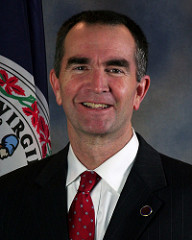
Virginia Governor Ralph Northam signed a bill allowing historical racing machines at Colonial Downs in New Kent and at 10 off-track betting facilities. In his signing statement, Northam said he supported the legislation because he hopes it will “reinvigorate the horse industry and allow Thoroughbred racing to return to Virginia.”

Northam also directed the Virginia Racing Commission to write regulations that require the “placement of reasonable limitations on the proliferation” of gambling in the state and “maximize opportunities for public engagement, comment and public review” during the drafting and approval of the regulations. The directive also called for “local community options in determining whether to allow” the devices.

Observers said Northam’s directive could limit Colonial’s owners from seeking to set up a network of gambling parlors throughout Virginia. Prior to the legislative session, Chicago-based Revolutionary Racing reached a deal to buy the shuttered track from current owner Jacobs Entertainment, contingent on the legislation passing. The last live horserace at Colonial was held in 2014.

Currently, the four OTBs operating in Virginia are run by the Virginia Equine Alliance, an umbrella group for horse interests in the state that was formed after Colonial shutdown and given the licenses to keep the simulcast facilities afloat. Under state racing law, passed in 1998, up to 10 OTBs are allowed in the state, as long as local communities hold referendums to approve them.

Virginia Equine Alliance Executive Director Jeb Hannum said “perhaps 10” communities have passed referendums allowing for OTBs, although not all of them have OTBs. Hannum said the votes were conducted before the legislation authorizing the gambling machines passed but the results of will remain in force under the new law. However, that could lead to problems if community leaders declare the votes were held in a different legal environment.

The new law requires the Virginia Racing Commission to write the regulations within 180 days from the date the law goes into effect, July 1. In a statement, the commission said, “As directed by Governor Northam, the commission looks forward to the process of drafting comprehensive regulations for historical horseracing to ensure the integrity of the wagering activity in a manner consistent with the intent of the General Assembly.”

In Kentucky, total handle on historical racing machines installed at three racetracks was $970 million in fiscal 2017, with track owners retaining $58.7 million of that total, according to the Kentucky Horse Racing Commission.

Last year, the commission approved an application by Churchill Downs to operate the machines at its Trackside training facility in Louisville.

New Jersey to Join Online Poker Player Sharing in May

The long awaited and much rumored start of New Jersey sharing online poker players with Nevada and Delaware could begin on May 1.

Two poker brands of Caesars Interactive Entertainment, WSOP.com and 888Poker.com, announced they plan to go live with player sharing as early as May 1 ahead of the World Series of Poker, which begins May 29. The WSOP has announced an extended schedule of online tournaments this year to run concurrent with the live event in Las Vegas including four “online bracelet” tournaments.

Caesars officials said they expect final regulatory approval from all three states and have submitted software for testing in the three jurisdictions. They expect to be able to launch player sharing May 1.

“This has been a huge collaborative effort from all involved and it is important to thank the elected leadership and regulatory authorities in Delaware, Nevada and New Jersey for their dedication and diligence to help move online poker forward,” said Bill Rini, WSOP.com’s head of online poker. “Everyone has had the end user in mind throughout this process, and as a result, we believe the United States, for the first time in a regulated environment, will have a large-scale multi-state offering that will propel the industry forward as soon as next month.”

Nevada and Delaware began a poker sharing agreement in 2015. New Jersey announced it had also joined the agreement in October and players have been awaiting the start of player sharing. Online poker requires a large player base—called liquidity—and the combination of New Jersey’s larger market with two smaller markets is seen as likely to re-ignite the online poker industry in all three states.

“This will raise jackpots and provide even greater opportunities for play,” said David Rebuck, director of the New Jersey Division of Gaming Enforcement in a press release. “It also paves the way for additional states to join and grow the regulated, legal online poker market.”

Pennsylvania has also approved online gaming—though play has not started there—and several other U.S. states are considering online gambling legislation.

Nevada Gaming Control Board chairwoman Becky Harris said the agency “is pleased to be part of this collaborative effort between regulators, operators, and the platform manufacturer to achieve the common goal of providing a sound gaming experience for patrons across multiple jurisdictions while still meeting our individual jurisdictional requirements.”

Though the three states will share one network, their different regulatory requirements mean separate software platforms will be needed in each state. A stipulation in New jersey’s online gaming laws also requires that servers for the games be located in the state. Therefore, players in Nevada will actually be logging into hardware located in New Jersey, for example.

Under the agreement, Delaware and Nevada customers of the two companies will have to download new software and create a new account to be able to participate. Existing Delaware and Nevada poker software will cease to operate. New Jersey players with an existing account will not be affected, the companies said in the release.

Also, according to reports, WSOP branded events will not be available through 888 Poker’s websites. This effects Delaware players since the state does not have a licensed WSOP site and its poker offerings are through 888.

Still, 888 Poker does power WSOP.com in both New Jersey and Nevada and is the only poker brand currently operating in all three states.

In New Jersey, online poker has lagged behind online casinos games, which have dominated the about $20-million-a-month market. Online poker revenue has also been low in Delaware, which also offers casino games, and Nevada, which only offers online poker.

Bethlehem Officials See Opportunity in Sands Sale

Pending sale omitted from license renewal hearing

Officials of the city of Bethlehem, Pennsylvania have been among those most closely following the pending sale of its local casino, Sands Casino Resort Bethlehem, to Wind Creek Hospitality, a venture of the Poarch Band of Creek Indians of Alabama.

Bethlehem officials said last week in comments to Lehigh Valley Business that they hope the tribe, which intends to change the Sands’ name to Wind Creek Bethlehem, will follow through on the development of the Sands site—formerly the home of Bethlehem Steel Corporation—that was initially promised by current owner Las Vegas Sands Corp.

That original master plan included an industrial museum and other attractions built around the former plant’s blast furnaces, No. 2 Machine Shop, steel company offices and other long-abandoned relics of the steel era. However, after building a hotel, retail center and meeting facility, LV Sands halted a $90 million expansion project as Pennsylvania considered online gaming, long opposed by LVS Chairman Sheldon Adelson. After security guards successfully voted in the first union in LVS history, Adelson began looking to unload the Bethlehem property.

Tony Hanna, executive director of the Bethlehem Redevelopment Authority, told Lehigh Valley Business the sale could revive that original master plan. “There are almost infinite possibilities for development,” he said. “We are hoping that the potential sale of the casino will jump-start development of the site.”

“I think it’s an amazing opportunity,” added Becky Bradley, executive director of the Lehigh Valley Planning Commission. “It’s got some of the best potential of the Lehigh Valley.”

While the Poarch Creek Band has been noncommittal regarding plans for the property after the sale is finalized sometime next year, Hanna speculated that the first parcel up for redevelopment will likely be Machine Top No. 2, which is closest to the casino and the largest vacant structure on a site. It is owned by Sands subsidiary Sands Bethworks Retail, which had once planned for a Bass Pro Shops retail store there.

Hanna told the newspaper the side is in “very bad shape,” and will probably be redeveloped by the tribe. “The sooner something gets done with it, the better,” he said. ““The Machine Shop we thought was the next logical step for development of the site because it’s connected to the Sands complex and connects all the way to the SteelStacks site,” added Darlene Heller, planning director for the city. “So that’s the next logical phase.”

Other parcels on the Sands site include the former Bethlehem Steel office building, also owned by the Sands subsidiary, which could be considered for transformation into apartments or a hotel, Hanna said.

There have been proposals over the past few years that haven’t moved forward with the Sands,” Bethlehem Mayor Bob Donchez told LVH. “I’m certainly hoping that if the new ownership is approved by the regulatory agencies, that we would see some development at that site.”

Meanwhile, Sands officials appeared before the Pennsylvania Gaming Control Board last week to make the case for a five-year renewal of its casino license. Sands officials sited the $1 billion investment the company has made in the property, the 2,500 jobs it provides, and the $3.2 million in charitable giving from the casino since its 2009 opening.

The pending sale was not mentioned in the hearing, the first of two before the board before a decision on license renewal is made. The Sands has yet to file a change-of-ownership and control application with the board.

Donchez, who was unable to testify in person, sent a written statement to the board declaring the importance of the casino property to the city. “The benefits of the project for the entire Lehigh Valley cannot be overstated,” Donchez wrote. “The host fee alone is helping to stabilize the budgets for Allentown and Bethlehem, Northampton and Lehigh counties and the city of Easton.”

Donchez also took a dig at LVS in his statement, while praising the initial investment:

“The Sands’ initial investment and outreach helped to set the bar for corporate community involvement which, along with other developments at the site, have helped to create a major tourism draw to the city,” Donchez wrote. “Over time, the corporate parent of Sands Bethlehem shifted their priorities around their portfolio management activities, and while still a very successful property with an engaged local management team, additional and expected development has not taken place.”

Sands officials, in addition to highlighting their contributions to the local economy, had to defend their decision to withhold host payments to Bethlehem and the other municipalities after the original host-fee law was declared unconstitutional, while most other casinos continued payments while the legislature debated a new fee law, which was passed with the November gaming legislation. Under questioning by board member Dante Santoni Jr., Sands President and CEO Brian Carr noted that the fees were paid as promised after the law was enacted.

“We are a publicly traded company,” Carr said. “We have a fiduciary responsibility to our shareholders. There was not a tax on the books that required us to make the payments. I will say this: We never said that we weren’t going to pay it. We actually accrued it during the time that it was ruled unconstitutional. And the second that the legislature got it fixed and got the law back on the books, it was paid.”