Archives: Articles

This is the example article

Pennsylvania Casino Prepares for iGaming

Greenwood Gaming and Entertainment, owner of Pennsylvania’s most profitable brick-and-mortar casino, the Parx Casino in Bensalem, was the first of nine operators to submit an application for full online gaming, including online slots, poker and table games.

The casino is now moving quickly to prepare to offer online games. Last week, Parx announced the hiring of Matthew Cullen as senior vice president of interactive gaming & sports. Cullen is charged with developing both online gaming and sports betting domains for Parx.

“Matthew is joining the Parx Casino team at a very exciting time for our company,” said Chief Technology Officer John Dixon. “With online gaming and sports betting on the near horizon, Parx Casino is perfectly positioned to offer our guests the absolute best gaming and entertainment experience anywhere in the region.

“Matthew’s unique professional pedigree of online gaming, corporate development, marketing, product and business strategy, and digital technology, makes him an ideal person to lead our expanding business footprint.”

Cullen has 25 years of experience in online gaming and digital media. He served as CEO of San Manuel Digital, president of RocketPlay (now part of AGS), and vice president of new ventures for Paddy Power Betfair.

Greenwood is partnering with GAN to launch online gaming, naming GAN as the provider of its online gaming platform in its iGaming petition to the Pennsylvania Gaming Control Board. “GAN has demonstrated its regulated gaming capability in New Jersey and the merits of integrating with a casino management system,” Dixon told MarketWatch. “Parx Casino will have the opportunity to launch regulated gaming in Pennsylvania later this year, subject to the regulatory approval of the PGCB.”

Whittemore Named General Counsel at Wynn

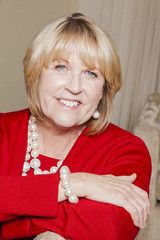
Well-known Nevada gaming attorney Ellen Whittemore has officially joined Wynn Resorts as executive vice president and general counsel.

Whittemore, a 30-year gaming law veteran, has represented many of the largest companies in the industry. She was most recently a shareholder in the firm Brownstein Hyatt Farber Schreck.

She replaces long-time GC Kim Sinatra, whose close ties to founder Steve Wynn made her a controversial figure after Wynn was forced to resign as chairman and CEO earlier this year amidst widespread allegations that he routinely preyed on women employed by the company for sexual favors.

Sinatra’s exit has been linked to an ongoing investigation into those allegations by regulators in Massachusetts, where the company is developing a $2.4 billion resort casino outside Boston, and her departure is the latest in a series of resignations among Steve Wynn loyalists, which now includes 60 percent of the board of directors who were in place at the start of the year.

The company did not disclose the terms of Sinatra’s severance, which Wynn’s ex-wife Elaine Wynn has challenged, calling for an independent review to judge whether her departure was “for cause”.

Ms. Wynn, who has emerged since Wynn’s ouster as the company’s largest shareholder, claims Sinatra knew of past complaints by employees reputedly victimized by the tycoon, which in at least two cases resulted in private cash settlements.

Prior to joining Brownstein in 2016, Whittemore operated Whittemore Gaming Group, a boutique law firm in Nevada. She previously served 20 years with Lionel Sawyer & Collins, one of the best-known firms in the industry. She also served as a supervising deputy attorney general in Nevada for the agency’s Gaming Division.

Rhode Island’s Twin River to Buy Dover Downs

Deal solves problems for both operators

The parent company of Rhode Island’s Twin River Casino will acquire Delaware’s Dover Downs Gaming and Entertainment and its Dover Downs racino, in a stock-swap deal that will merge the two operators into a single public company.

Dover Downs, Delaware’s only public casino, has struggled for years to maintain profitability in the face of new competition in Maryland and Pennsylvania. The Delaware legislature just voted a major tax break for the state’s three casinos, which has led to Dover Downs embarking on construction of a new restaurant and other amenities. The casino hosted the start of full-blown live sports betting in Delaware in early June, beating New Jersey as the first state outside of Nevada with full sports books.

Dover Downs officials call the Twin River merger a new beginning financially, as the company has lost money two of the past four years, including a $1 million loss last year.

Twin River Worldwide Holdings is in the midst of a major expansion, including the opening of a larger casino, the Tiverton Casino Hotel, on September 1. It will simultaneously close the Newport Grand Casino in Newport, its former rival, which Twin River purchased in 2015. Twin River also owns the former Hard Rock Biloxi in Mississippi and a Colorado racetrack.

Twin River recorded around $427 million in revenue during the first quarter (two and a half times that of Dover Downs), completing a comeback after high debt forced a Chapter 11 bankruptcy filing in 2009. The operator’s flagship Twin River Casino, one of the largest in North America, is about to open an attached 136-room hotel.

The merger with Dover Downs is seen as a quick way to go public as the operator continues to grow.

Under the agreement, the two companies will exchange shares equal to 7.225 percent of equity in the combined company. The multiple investment firms that currently own Twin River will control 92.775 percent of the new public company. New York City-based Standard General is the largest of those firms, holding about 34 percent of Twin River.

The sale still must win regulatory approvals from the U.S. Securities and Exchange Commission and state agencies in Delaware and Rhode Island. 

“Becoming part of Twin River will be transformational for us,” said Denis McGlynn, CEO of Dover Downs, in an interview with Delaware’s News Journal. “It will make for a more stable, stand-alone entity that will invest in our people, our marketing program and our facilities so we can compete at the highest levels.”

McGlynn said the merger will not impact employment at Dover Downs, which currently has a workforce of around 1,500, with another 300 employed by outside vendors. The company eliminated 72 table-game positions in 2015, trimming back weekday table operations. “We have no fat to cut, quite honestly,” McGlynn told the News Journal. “We’ve been operating bare bones for years. But we’ll have to see down the road what the synergies are.”

State Senator Brian Bushweller, who sponsored the recent tax break for the Delaware industry, lauded the move. “I view this as completing an excellent one-two punch,” he told the News Journal. “The first punch was correcting, to a certain extent, the level of tax the state imposed on the casinos. The second punch is merging Dover Downs with a larger organization that I think can bring a lot of stability, creativity and a bright future to Dover Downs.”

In an interview with the Dover Times, Twin River spokeswoman Patti Doyle said the merger is a good fit for both companies.

“The size of the combined company should bring meaningful economies of scale, likely in the areas of health care, insurance and food and beverage, and new opportunities for future expansion,” she said. “Further, the recent tax relief in Delaware, coupled with combining best-in-class management practices, will allow the combined company to reinvest in the Dover Downs property and drive revenue growth.

“The merger is expected to create a financially stronger company which is good for Dover Downs employees, customers, and the state of Delaware.”

“You’re going to see a company that’s better able to compete in this highly competitive gaming market in the Mid Atlantic,” McGlynn added to the Times. “You’ll see investments in our people, our marketing, and our facility. It will enable us to do much more to remain competitive than we would have as a stand-alone company.”

In a separate interview with the News Journal, Doyle said part of the attraction of Dover Downs was the property’s expertise in sports betting. “The expertise that Dover Downs has in sports wagering is going to be of value to us as we prepare to launch that amenity in Rhode Island in the fall,” she said. “The expertise that Dover Downs has in the online gaming sector may be leveraged in other properties.”

Pending regulatory and SEC approval, the merger is expected to close early in 2019.

New Casinos Struggle in New York

Tioga Downs Casino Resort, which opened in December 2016, del Lago Resort & Casino, which opened near Rochester in the Finger Lakes region in February 2017, Rivers Casino opened in Schenectady a little later in 2017, and Resorts World Catskills debuted in February 2018, have all posted disappointing revenue numbers, far below what their owners have projected.

All four properties are in dire need of more customers. The three casinos—minus Resorts World—combined fell short of their first-year revenue projections by more than $200 million. Rivers and Tioga Downs have recovered somewhat in the first half of this year, but del Lago’s revenue woes continue, and the property has begun shuffling upper management, bringing in industry veteran Mark Juliano in hopes of righting the ship.

But with Resorts World Catskills, the newest, largest and most expensive casino of the group, not to mention the closest of the four to New York City, undergoing similar struggles since opening in February, it’s clear that New York’s upstate market faces challenges that go beyond experienced leadership.

Along with the four commercial casinos the state is home to seven Indian casinos, 10 VLT casinos at racetracks and parimutuel betting at racetracks and OTBs. In sum, New York is saturated with options for the gambling public, and the surrounding states are no guaranteed feeder market either since the same largely holds true for them as well.

In its first four months, Resorts World Catskills has averaged $11.9 million in gaming revenue, placing the property on a pace for $143 million its first year. Owner Empire Resorts has projected $277 million. Moody’s Investor Service has been concerned enough to reassess the $900 million property’s debt, a hefty $535 million, downgrading it to a “negative” Caa1.

“The issue is not that it’s a bad property,” said Keith Foley, a Moody’s senior vice president who covers gaming. “The issue is market saturation.”

Empire Resorts CEO Ryan Eller says the marketing up to this time has been low key because not all the amenities were in place at the start, but now they’re ready to get started.

“We’ve got an integrated resort in place now and we’re expecting to ramp up our programs and customers very quickly,” he told GGB News.

Of course, it’s still early in the game. The resort’s impressive hotel has opened in stages since the February opening, and a penthouse level with 12 suites will ramp up by the end of the year. An indoor water park and a golf course are set to come on line in the middle of next year.

“They’ll certainly improve themselves when those other things open,” said Richard McGowan, a Boston College management professor specializing in gaming. “There’s a question of how much more casino activity can take place. What we have here is a classic case of over-projection.”

MGM Springfield Opens in a Month

As the August 24 opening of the $960 million MGM Springfield looms, MGM told state gaming regulators last week that it will hire 3,000 employees before the casino opens, and that it is approaching its diversity and local hiring goals.

However, it’s not there yet. Last week the casino resort had 762 workers on staff.

MGM Springfield President Mike Mathis said the company had not achieved its 50 percent hiring goal for women because of the executives that were brought on early.

“We had to on-board what is typically a more male-dominated department, such as security,” he said.

That didn’t mollify Gay Cameron of the Massachusetts Gaming Commission. “We have to change that, though,” she said. A former deputy superintendent with the New Jersey State Police, she added that women make great security officers. “Women are great at diffusing the situations.” Cameron is a former deputy superintendent with the New Jersey State Police.

Mathis said the percentage of women hires will increase the closer they come to opening, especially in customer service and marketing.

The casino is ahead of its goals of hiring 35 percent of its workforce from Springfield, and ahead of hiring veterans.

Mathis said the company will employ 2,229 employees fulltime, 506 part-time and 266 on-call.

MGM’s construction workforce hiring goals have exceeded expectations, with about 20% of the work done by racial or ethnic minorities, ahead of the 15.3 percent goal.

Jill Griffin, the MGC’s director of workforce, supplier and diversity development, pronounced herself “very impressed” by MGM’s hiring efforts.

Marikate Murren, MGM Springfield’s vice president of human resources, said, “Overall, MGM Springfield is on track to meet its overall hiring goals of approximately 3,000 employees, 35% city residents, no more than 10% from outside the region, as well as the goals for minorities, women and veterans.”

Also during the MGC meeting the panel approved of MGM’s final design plan. Left unapproved was one area where MGM is behind in meeting a commitment: that of providing 54 units of market rate housing in the downtown. MGM is negotiating with the city and developers to acquire land for this purpose.

The commission also approved MGM’s regional tourism plan. MGM has formed partnerships with various organizations, such as the Greater Springfield Convention Visitors Bureau, and the Mass. Office of Travel and Tourism. MGM is committed to promoting both its casino and regional attractions.

The plan’s goal says MGM is “to drive visitation and incremental revenue to the property, city and region through a multitude of channels including advertising, database, cross-marketing and partnerships, entertainment and employee marketing” and “”to position MGM Springfield, Pioneer Valley and Western Massachusetts as a world class, full-service destination for the region.”

For example, the gaming company is teaming up with the Pioneer Valley Transit Authority to provide a free downtown shuttle that links the casino with other tourist attractions.

It is also supporting existing entertainment venues in the city and region. In one instance it will book MGM entertainment events at the nearby CityStage and Symphony Hall.

It will employ its existing database of 30 million guests to provide offerings at local golf course, ski resorts and other attractions.

It will also partner with Amtrak and CTrail to offer ticket discounts to its customers.

It has multi-year promotional agreements with the Naismith Memorial Basketball Hall of Fame and Six Flags New England.

Many businesses are cropping up in the vicinity of the casino, taking advantage of the proximity to the MGM money machine. Even those who originally opposed it.

WAMC reported last week that the church group Epiphany Development Corporation, which campaigned against the casino, has opened a boutique hotel that will benefit from being near the casino. The hotel development plans, which repurposed a blighted building that had been unused for years. were announced 12 years ago, so the church’s good fortune isn’t hypocritical. Archbishop Paul Baymon, who heads the development corporation, observed. “Timing is good. I am grateful to God and we are here.”

A Holiday Inn Express, it has almost 100 rooms and operates within walking distance of the casino.

MGM is unveiling a new marketing campaign aimed at attracting guests from the region. The theme is “This is a First” emphasizing MGM’s claim that it will be providing the first casino entertainment destination of its kind in the region. In one ad the announcer proclaims: “The best of Las Vegas is coming to the heart of New England. This is a first.” The casino will have 2,550 slots, 120 tables, a poker room and high limit VIP space.

MGM is targeting Springfield, Boston, Albany, Providence and Worcester, cities within 150 mile radius. It will include TV, print, digital, billboards and social media.

For a year the casino has been announcing “We’re ready to roar!” referencing MGM’s signature icon Leo the Lion.

MGM’s Michael Mathis announced last week, “With this campaign, we are marking the grand arrival of an unparalleled experience from dining and entertainment to nightlife and gaming.” He added, “Each component is meant to capture the energy of the resort and showcase the ‘wow’ moments guests will encounter throughout the destination.”

Its toughest competition will be the two Indian casinos of Connecticut, Foxwoods and the Mohegan Sun, and casinos in Rhode Island and New York. MGM has been successful in its efforts to postpone one competitor; the satellite casino being built by the Mohegan and Pequot tribes in East Windsor.

Meanwhile, employees that are already on the property are completing work on dining and retail venue, while others are being trained in the MGM way of doing things.

Saverino Mancini, the casino’s director of communications, told the Republican, “We also have hundreds of employees here on the property who are in the middle of their on-site training. We have chefs and cooks practicing on various menu items, and employees are testing the food and the procedures around the service. We are still walking around with hard hats, but it’s a very exciting time.”

Besides the casino, there will be a 250-room hotel, food and drink, retail shopping, a luxury cinema where movie-goers can dine while they are entertained, all served by a free 3,400 unit parking structure.

Dining options will include Cal Marie, combining seafood and Italian cuisine, the Chandler Steakhouse, the TAP Sports Bar, which will have a 10-lane bowling alley and arcade; Wicked Noodles, a pan-Asian eatery, Jack’s Lobster Shack, Bill’s Diner, the Hearth Grill, offering healthier food, and the South End Market, offering wine and cheese bar, gelato and espresso.

Vice President of Food & Beverage Anthony Caratozzolo told the Republican,

“When our doors open, guests will find a resort that blurs the line between food and entertainment, and we can’t wait for everyone to see what we’ve been working on.”

Springfield Mayor Domenic Sarno, who worked to bring the casino to his city, beginning in 2011 when the state approved the Expanded Gaming Act, is reveling in what is considered to be the largest commercial development in the region’s history. He hopes this is just the beginning.

He said, “Like many urban centers in America, there’s been a ‘chip on our shoulders.’ My administration has worked tirelessly to reinvent/redefine our city – to move away from, ‘what do you expect, its Springfield?’ to now, ‘why not Springfield!’ We continue to accomplish this goal.”

He added, “It’s an exciting time for our city.”

The grand opening parade will be led by the Budweiser Clydesdale horses.


Encore Boston Harbor

Investigators for the Massachusetts Gaming Commission say they will complete their probe into Wynn Resorts by the end of August.

Commission Chairman Stephen Crosby told the Boston Herald, “We’re still targeting this summer, but we’re going to be as specific as we can in the next week or two to try to give you a more definitive schedule. Some of our people are in Vegas now for what will hopefully will be one of the last rounds.”

The commission’s gumshoes are looking into allegations that Wynn executives knew that the company’s founder and former CEO and president Steve Wynn was the target of multiple allegations of sexually inappropriate behavior and paid a multi-million settlement to a massage therapist who claimed he attempted rape. Wynn resigned and divested himself of all Wynn stock earlier the year.

The purpose of the investigation is to determine whether corporate executives kept these allegations secret while they were applying for a license to operate a casino in the Boston metro area.

Several weeks ago, Wynn Resorts announced that the company’s general counsel, Kim Sinatra, who was allegedly aware of the settlement, will be leaving the company.

Crosby said this was not done at the behest of the commission.

Currently the investigators are at Wynn’s corporate headquarters in Las Vegas, possibly speaking to witnesses.

Wynn is also conducting its own internal investigation, according to spokesman Michael Weaver, who announced this week: “The Wynn Resorts Board of Directors received an update from the Special Committee of the Board yesterday afternoon.” He added, “The Special Committee is committed to its previously announced timeline and anticipates completing the process in the third quarter of this year.”

World Series of Poker Sets Attendance Record

The World Series of Poker set an attendance record for the sixth straight year as 123,865 players turned out for the 50-day tournament event.

The prize pool of the 78-tournament series at the Rio All-Suite Hotel and Casino was the largest in its 49-year history, amounting to more than $266 million in prize money—an increase of more than $35 million compared to last year, according to the Associated Press.

A record 18,105 participants got a cut of the prize pool with 28 earning at least $1 million. The series’ Main Event saw 7,874 entries, making it the second largest in the series’ history. Indianapolis resident John Cynn won the main event taking home $8.8 million.

Fox Plans Sports Betting TV Show

The Fox Sports network will be among the first to cash in on the legalization of sports betting with new programming, according to an exclusive report in the Sporting News.

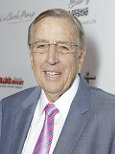
SN reports that Fox is planning a sports gambling-centered TV program starring Charissa Thompson, Brent Musburger, oddsmaker Todd Fuhrman and Fox Sports radio commentator Clay Travis. Thompson will host a discussion program described by a source as “around the horn for sports betting.”

Fox declined to comment to SN on the report, but the publication quoted sources as saying the FS1 network will host what will be one of the first major sports betting shows on cable TV. The cast would provide an eclectic mix, designed to compete with ESPN. Thompson is a former ESPN analyst, and the controversial Travis has blasted ESPN for being too liberal. Fuhrman and Musburger are the sports gambling experts, with Musburger still broadcasting a radio show from the South Point casino in Las Vegas.

Musburger, who has made gambling references in his commentaries for years at CBS and ESPN before starting his current radio show on VSiN, last week offered advice to first-time sports bettors, saying no one should expect to make a living off sports wagers.

“Be careful,” Musburger said, according to USA Today. “I would tell you right now that not many people can beat those numbers over a daily, weekly, however you want to do it.

“If you’ve never been around it, never experienced it… listen to what people tell you, how to approach it. But don’t think that you’re going to walk in and say ‘this is my life, this what I’m going to do. I’m going to make a good living at this, I can beat these numbers.’ I’m here to tell you you can’t.

“Let’s be honest, there are a few guys and a few syndicates who have been successful at it over the years, but there’s a reason why those casinos get bigger and bigger. My warning would be just kind of tiptoe in, stay in the shallow end.”

Pennsylvania Mini-Casino Plans Heat Up

After weeks of inaction, there has been renewed interest in the recently approved mini-casinos in Pennsylvania.

Stadium Casino LLC, the partnership of Pennsylvania’s Greenwood Gaming & Entertainment and Baltimore’s Cordish Companies that is currently building the Live! casino hotel in South Philadelphia, last week became the first Pennsylvania casino licensee to pinpoint an exact location and submit a project plan for one of the 10 Category 4 “mini-casinos” created by last year’s gaming expansion law.

The first official plan submitted to the Pennsylvania Gaming Control Board is for a mini-casino in the two-story space currently occupied by the soon-to-close Bon-Ton store at Westmoreland Mall in Hempfield Township, on state Route 30 around 30 miles rom Pittsburgh.

On Wednesday, Stadium Casino and mall owner CBL Properties announced plans to develop an approximately 100,000-square-foot casino and entertainment complex in the space of the store, which will close in August. A construction timeline will be determined after the gaming board approves the project.

Stadium was the first licensee to submit its proposal without requesting an extension of the six-month period to pinpoint a location after being awarded a license, as three other projects have done. The partnership paid $40.1 million for the license, the second satellite casino license awarded.

The casino is projected to create more than 600 permanent jobs and generate millions of dollars annually for the local community.

“CBL’s strategy is to reinvent its properties by bringing new and exciting experiences to our shoppers,” said Steven Lebovitz, CBL’s chief executive officer. “We are adding fitness, dining, hotels and other uses to properties throughout our portfolio. The addition of a casino to Westmoreland Mall is the ultimate combination of entertainment, dining and experience.

“We are especially pleased to attract leading developers of high-profile gaming and entertainment destinations, such as the Cordish Companies and Greenwood Gaming & Entertainment. This combination of gaming and new dining venues, which is the first in the CBL portfolio, will draw new traffic to Westmoreland Mall from across the region, positioning the property for long-term growth and success.”

Joseph Weinberg, CEO of Cordish Global Gaming and partner in

Commenting on the announcement, Joe Weinberg, Partner in Stadium Casino, added, “We look forward to working with the Gaming Control Board, Hempfield Township and Westmoreland County in creating an exciting new destination in Westmoreland County. The property is ideally situated in the region, with excellent infrastructure and road networks in place. The synergy of this new gaming and entertainment facility with the existing retail and dining amenities in the property and surrounding area will be tremendous.”

State Senator Kim Ward, who represents Hempfield Township, was one of the main supporters of placing the mini-casino at the mall, and one of the sponsors of the mini-casino legislation last year. “I’ve worked for nine years to expand gaming to allow ancillary casinos, so it’s gratifying to see this finally come to fruition,” Ward said. “This project will bring a sizeable increase in our tax base, a significant number of full-time jobs, and will help revitalize the Westmoreland Mall complex.”

The mini-casinos are limited to 750 slot machines, and up to 30 table games with an additional fee. All must be tied to an existing casino licensee. Stadium has paid the extra fee, and will offer 30 table games in addition to the slots.


Mount Airy Granted Extension on Mini-Casino

The state Gaming Control Board has granted Mount Airy Casino Resort a two-month extension on its deadline to pinpoint a location and provide a plan for its Category 4 mini-casino planned for Lawrence County in the western part of the state.

Mount Airy was the third successful bidder for one of 10 Category 4 licenses, which authorizes a satellite casino with a maximum of 750 slot machines and up to 30 table games with an additional $2 million fee. The operator’ winning bid, submitted in February, was just under $21.2 million.

Under Pennsylvania’s gaming expansion law, Category 4 licensees must identify a 15-mile radius within which the mini-casino will be located, and then have six months to pinpoint a location and provide a plan for the property. Mount Airy’s 15-mile radius is centered in New Castle, a city 50 miles northwest of Pittsburgh.

The extension gives Mount Airy until October 4 to identify an exact location. Lawrence County officials are eager for the facility to be built, after spending nearly 10 years as the host of a Category 1 racetrack casino that was never built. The planned Lawrence Downs went through several owners that failed to come up with financing, before the gaming board canceled the license, which has yet to be rebid.

Officials in Big Beaver borough, in Beaver County but still within Mount Airy’s 15-mile radius, also have met with Mount Airy officials in an attempt to lure the operator to build its mini-casino there. The three Beaver County commissi0oners met with casino officials in May.

While the commissioners signed a non-disclosure agreement, Commission Chairman Daniel Camp told the Beaver County Times last week that the county is a finalist to host the casino. The 15-mile radius also allows Mount Airy to consider properties in Butler and Mercer counties.

“We’re looking at an investment into the community in two ways: up to 500 permanent jobs once it is built and hundreds of construction jobs,” Camp told the newspaper. “The most important is the money the county and municipality will receive from the gambling tax.”

The extension, the second granted by the board, was one of two requested last week. Greenwood Gaming & Entertainment, owner of the Parx Casino in Bensalem, also asked for a two-month extension for its mini-casino plan, on a bid of $8.1 million submitted in February. Two weeks ago, Penn National Gaming was granted an extension on its plan for a mini-casino centered in York.

Meanwhile, Greenwood was slated to make its presentation to the board of South Middleton Township to discuss the possibility of locating its central Pennsylvania satellite casino in the township. South Middleton opted out of the satellite casino program last December; casino officials hope to convince officials to opt back into the program.


Penn Drops Mini-Casino Lawsuit

Penn National Gaming, which holds two of the 10 licenses for Category 4 mini-casinos created by last fall’s gaming expansion law, has dropped a lawsuit it filed shortly after the law was enacted that sought to invalidate the mini-casino program.

Penn filed a federal lawsuit in U.S. District Court seeking to block the Category 4 program on the basis that the law put the operator at a competitive disadvantage because of its requirement that no mini-casino can be located within 25 miles of an existing casino. Most of the customers of the operator’s flagship property, Hollywood Casino at Penn National Race Course outside Harrisburg, come from farther than 25 miles, a fact Penn said would cause cannibalization of its primary customer base.

Penn protected that customer base by winning the first satellite casino license, identifying a 15-mile radius centered in York, at an industry-topping bid of more than $50 million. It won a second mini-casino license in the second round of bids, for just over the $7.5 million minimum bid.

In a statement to the PennLive news site last week, Penn National spokesman Eric Schippers said planning the two new satellite casinos took priority over pursuing the lawsuit.

“We made a business decision to withdraw our lawsuits against the Category 4 law,” Schippers said. “While we continue to believe in the merits of our arguments, we have chosen to focus entirely on our development efforts for our two new casinos, rather than pursue what is likely to be a lengthy and costly legal battle.”

Bets Go Unpaid at New Jersey Meadowlands

A baseball game that went extra innings may have ended too late for the winning bettors to get paid, but some claimed the new sports book at the FanDuel sports book at the Meadowlands Racetrack didn’t have enough money on hand to pay the bets.

LegalSportsReport.com reported that some bettors left without getting their bets paid, and several claimed they were told it was because there wasn’t enough cash on hand. But when a contest between the Los Angeles Dodgers and the Philadelphia Phillies went 16 innings—past the closing time at the FanDuel sports book—some bettors took their winning tickets home after the windows closed. Reports that a lack of cash caused the windows to close was vigorously denied by the company.

FanDuel spokesman Kevin Hennessy told LegalSportsReport that the situation was overblown.

“The FanDuel Sportsbook’s business hours of operation last night were to 1 a.m., as clearly posted throughout the facility,” said Hennessy in a statement. “Once 1 a.m. hits, our cages are closed. We cannot take wagers or pay out wagers after that time. To be clear, there was no issue with cash on hand. All customers are welcome to return today to collect any winnings, or to mail in any winning tickets for payment.”

Meanwhile, the Meadowlands has unofficially announced that it took in $3.5 million in bets during its first nine days of operation, which was a very slow period for sports action.

The Meadowlands numbers are not the official tally which will be released by the New Jersey Division of Gaming Enforcement next month, but still signify that the track’s sports book is off to a solid start.

“We did OK,” track owner Jeff Gural told the Associated Press. “Our goal the first weekend was to exceed $1 million which we did. The next four days were quiet with nothing to bet on due to the (baseball) All-Star break.”

The track, however, did take in $650,000 on the Saturday after the MLB break, Gural said. He said he is pleased with the sports book’s opening, though the facility still has only 10 of a planned 15 betting windows operating.

Meanwhile, Monmouth Park Racetrack in Oceanport NJ—where the state’s first sports book opened June 14—reported that its current 52-day race meet has seen an 8 percent increase over last year’s meet. Monmouth Park’s sports book has reportedly been drawing strong crowds and seems to be helping overall betting on the meet.

According to figures released by Monmouth Park, live handle is up 8 percent over the same period a year ago, with $11,513,732 wagered. Total handle jumped 10 percent to $94,574,544. Attendance rose 5 percent, with a total of 254,820 fans admitted to the track. The figures do not include the running of Monmouth Park’s signature race, the Haskell Invitational, on July 29.

Nearly $9 million was wagered in track’s sports book—operated by William Hill—during the first 17 days of sports betting in June, according to figures released by the state.

Also, Golden Nugget and SBTech have announced a partnership in New Jersey and at the company’s Mississippi casinos. The technology provider will power sports books at the Golden Nugget Atlantic City and at the Golden Nugget in Biloxi, Miss.

SBTech already provides an online gaming platform in New Jersey for Churchill Downs (which operates under the Golden Nugget’s license) and facilitates sports betting at Resorts Atlantic City, the company said in a press release.

The deal covers online and land-based New Jersey sports betting, and land-based Mississippi sports betting.

Atlantic City Seafood Festival

The Atlantic City Seafood festival returns to Bader Field in Atlantic City Saturday, September 8 & Sunday, September 9, 2018 for some of the best food the Shore has to offer.

Decades ago, Atlantic City had one of the largest and most coveted seafood festivals in the nation. The annual event took place in historic Gardner’s Basin, at the north end of Atlantic City. The event subsequently faded into the annuls of local history, until 2012, when Good Time Tricycle Productions created a new event that exceeded all previous expectations, with a larger floor plan, more programming, and family-friendly activities.

With the majority of the restaurants attending being brick and mortar Atlantic City restaurants, The Atlantic City Seafood festival will continue to give attendees the opportunity to experience this seaside city as a culinary destination. It is also a great opportunity for foodies and food seekers to meet some of Atlantic City’s most unique chefs and restaurateurs all while eating their tasty creations. From clams to calamari, oysters to ahi, and even alligator too, The Atlantic City Seafood Festival has it all!

The festival runs 11 a.m.-6 p.m. both days.
Tickets are $10.00 with children under 12 free.
For tickets & details visit:www.acseafoodfest.com

Sci Games Launches Monopoly Slot App

Gaming supplier Scientific Games, through its SG Social division, has launched a slot machine mobile app carrying the theme of the iconic board game Monopoly, under a continuing license agreement with Monopoly owner Hasbro, Inc.

“Building on SG Social’s successful history of social slot innovation, ‘Monopoly Slots’ offers new features and functionality that further engage fans with the iconic brand’s popular characters, game play and movers,” stated Scientific Games in a press release.

The mobile app is available for download on multiple online platforms, including the Apple App Store, Google Play, Facebook and Amazon App Store, according to the firm. It was released worldwide.

“Monopoly and Scientific Games have a longstanding history of successful collaboration, and this new game launch further signifies the strength of our relationship with Hasbro,” said Scientific Games’ new chief executive Barry Cottle in a prepared statement.

Scientific Games announced in February the launch of SG Digital as a new business unit incorporating the firm’s existing portfolio of interactive business-to-business products and services with those of the newly acquired sports betting unit NYX Gaming Group Ltd. The parent firm said at the time that SG Digital would have a workforce of 1,500 across 34 offices, providing support services for over 200 corporate customers with over 2,000 games and an aggregate of 40 licenses worldwide.

Australia Investigating Offshore Gambling Sites

The Australian Communications and Media Authority is investigating a potential scam by illegal offshore gambling sites that are deceptively using the internet domain code of a remote Australian territory.

The sites are using domain codes from Cocos Islands—an Australian territory located 3,000 kilometers from Perth in the Indian Ocean. The sites are said to actually be based in Europe and the Caribbean, but are using the island’s online domain code.

According to a report by the Australian Broadcasting Company, the authority is concerned that Australian citizens are playing at the unlicensed casino and sports betting sites.

“When deciding if a site should be investigated, the ACMA considers a number of factors, including whether the service being provided may be a prohibited or unlicensed service … and whether it may have an Australian-customer link,” an ACMA spokesman told the ABC.

Monash University gambling law expert Dr. Charles Livingstone also told the network that there was no doubt the sites were breaking Australian law.

“The avowed purpose of the IGA is to protect Australians from less well-regulated gambling sites and to prohibit non-wagering gambling being available online,” he said. “Using a web address of an Australian territory to offer online gambling services is an offence, unless the provider is registered in an Australian jurisdiction.”

Pennsylvania Operators Pony Up for iGaming Licenses

After 30 days, remaining licenses can go to outside operators

After much speculation as to whether Pennsylvania casino operators would pay for full online gaming licenses given an onerous online slot tax, nine operators swallowed their wallets and submitted applications for full online gaming to the Pennsylvania Gaming Control Board just ahead of last Monday’s deadline.

Last week’s deadline was the last day operators could petition for a discounted license fee of $10 million to operate online poker, online slot games and online table games. Each license costs $4 million individually.

Parx Casino at Philadelphia Park in Bensalem, Mount Airy Casino Resort in the Pocono Mountains resort region and Live! Hotel and Casino, currently under construction in Philadelphia, were the first to petition for the $10 million full iGaming license, a week ahead of the deadline.

Six others slipped their applications in on the final day: Penn National Gaming, which applied for a license tied to its Hollywood Casino outside of Harrisburg; Harrah’s Philadelphia in Chester; SugarHouse Casino in Philadelphia; Rivers Casino in Pittsburgh; Valley Forge Casino Resort in King of Prussia; and Sands Casino Resort Bethlehem.

The Sands would have been the most unlikely to apply for an iGaming license, given the longstanding battle against legal online gaming pursued by Sheldon Adelson, chairman of parent company Las Vegas Sands Corp. However, the property is in the process of being acquired by Wind Creek Hospitality, an arm of Alabama’s Poarch Band of Creek Indians, for $1.3 billion.

The tribe made it part of the purchase agreement for Sands to pursue an online gaming certificate “in good faith.” The casino even made sure to give the tribe credit for the iGaming application in its petition, writing, “Sands submits to this petition in the interest of Wind Creek so that, if approved, and after Wind Creek acquires the purchased interests, Sands can conduct interactive gaming in the commonwealth of Pennsylvania.”

The gaming board must approve or deny petitions within 90 days, and the fees are due within 60 days after approval.

Of the four remaining Pennsylvania licensees, the Meadows Racetrack & Casino outside of Pittsburgh is in the process of being acquired by Penn National, and would be able to move forward with it own online gaming site under Penn National’s license. (The gaming law permits each licensee up to three “skins,” or iGaming websites.) The casino would need a separate license to operate sports betting online under the one domain. (Sports betting is limited to one skin.)

The three operators now have until August 14 to submit individual applications to offer any or all of the online games. Should there be licenses left over that, under last November’s gaming expansion law, the Pennsylvania Gaming Control Board could open up the petitions to out-of-state operators.

Many among Pennsylvania lawmakers and in the budget-crunched state government breathed a sigh of relief after the last-minute petitions, and the $90 million in quick revenue it will bring in the application fees. It had been uncertain how many operators would go for the full licenses, particularly the license to operate online slot games. The revenue tax on online slot games is set at 54 percent, the same as slots in brick-and-mortar casinos. Many have called the tax unworkable, and it is a big reason there may be iGaming licenses left over in mid-August.

The other factor that had been expected to reduce the number of takers for the slot licenses—and which may delay the creation of iGaming sites—is the state’s iLottery, which is offering the same slot-style games that the operators would offer on their online casino sites. The operators are threatening to sue to eliminate the games, which are nearly identical in play to online slot games and, the operators say, thus illegal under the state’s gaming law.

So far, the state Revenue Department, which runs the lottery, has refused the operators’ request, sent in a letter late in June, to eliminate the slot-style iLottery games, agreeing only to stop marketing them as slot games.

As in New Jersey, Pennsylvania operators will only be ably to offer play to those physically located in the state, and can prove through identity confirmation software that they are at least 21. Pennsylvania also has the option to create interstate compacts with other states that offer legal iGaming, permitting players in those states to choose any legal iGaming site licensed by those states.

What remains to be seen is what type of profit will be possible with the high tax on internet slot games, which drive the revenue in the current legal markets of New Jersey and Delaware (Nevada has online poker only). In New Jersey, online games accounted for $139.5 million in revenue the first six months of the year, up around 15 percent from 2017.

Online and sports betting come to Pennsylvania at a good time for the casino licensees, who recorded record revenue for the 2017-18 fiscal year.

The gaming board reported last week that casino gaming revenue from slot machines and table games at the state’s 12 operating casinos totaled about $3.25 billion for the year, up about 1.4 percent over FY 2016-17.

The previous record was set two years ago, with nearly $3.23 billion in revenue.

The board said table games revenue grew about 3.3 percent to $895.3 million, while slot machine revenue inched closer to $2.4 billion with a 0.7 percent increase for the year.

Tops in revenue growth for table games was The Meadows Casino (up 22.2 percent), followed by Lady Luck Casino Nemacolin (up 14.7 percent) and Valley Forge Casino Resort (up 10.3 percent). Valley Forge also grew slots revenue by 8 percent last year, the highest of the 12 casinos, according to the board.

Valley Forge Fined $52K for Free Play Overuse

The Pennsylvania Gaming Control Board has levied a $52,000 fine on the Valley Forge Casino in King of Prussia, reportedly for going overboard on issuing free-play rewards to its loyalty club members.

According to the board, lower-level employees were found to have regulatory loaded loyalty cards with free play rewards, totaling 557 times in 2016 and 2017 for a total or $411,000, in violation of regulations requiring close control of such player rewards.

Casino lawyer Michael D. Fabius told the Philadelphia Inquirer that no fraud was involved in the free-play awards, as each was approved by a supervisor with the authority to issue comps.

“We have absolute confidence that every one of these free-play transactions was issued to a real customer with a real business reason,” Fabius said. He noted that 170 customers received the slot play noted by the board, with 80 percent of the award money going to the casino’s top 20 players.

The gaming board has been hyper-sensitive to excessive free play since a scam by an executive of Mohegan Sun Pocono in which he loaded free play totaling $420,000 to cards to a cocktail waitress, using numbers she lifted from player cards while serving drinks. The waitress then played the amount through and cashed out to split the money with the executive. That scam resulted in a $1 million fine for Mohegan, the largest fine issued by the board in the 14-year history of gaming in Pennsylvania.

Valley Forge officials agreed to pay the fine in the current case.

MGM National Harbor Completes Expansion

The $48 million, 38,000 square foot second-level casino space recently opened at MGM National Harbor in Prince George’s County, Maryland. President and Chief Operating Officer Melonie Johnson said, “It’s a great result when positive customer demand drives a business to expand its offerings. This year, we have set new casino revenue marks. Expanding our gaming offerings will help us meet the desire of our customers for more luxury gaming entertainment space while welcoming new players to the resort as well. Most importantly, we are providing 250 additional jobs and additional tax revenues to Prince George’s County and the State of Maryland.”

Johnson added the expansion created 250 new jobs, bringing the total to 4,200. The $1.4 billion casino resort opened near Washington, D.C. in December 2016.

The property’s poker room moved to the new second level. It now offers seven more tables for a total of 46 with seating for 460 players. A new high-limit poker room features two tables.

A new off-track betting lounge, in partnership with the Maryland Jockey Club, founded in Annapolis in 1743, offers 24 screens.

Dining options include a fast-casual dining venue and the Terrace, featuring a 700 square foot overlook with stunning views National Harbor, the Maryland countryside and Virginia shores and sunsets over the Potomac River.

The largest contributor of taxes among Maryland’s six gambling operations, MGM National Harbor contributes the largest amount of taxes to Prince George’s County. Tax revenues are likely to increase since moving the poker operation to the second floor allows the casino to he expand first-floor offerings.

According to the Maryland Lottery and Gaming Control Agency, in 2017, MGM National Harbor contributed more than $170 million to the state Education Trust Fund, and paid nearly $24 million in taxes for the month of May. MGM reported revenue of $59.3 million in June, up 18 percent over June 2017.

Also in Maryland, Live Hotel & Casino in Anne Arundel County, MGM National Harbor’s closest competitor, recently added a 310-room high-end hotel, event space, spa and restaurant. Live casino posted $48.2 million in revenue in June, up 15.1 percent increase over June 2017. And the Horseshoe Casino in Baltimore posted $22.8 million in revenue in June, up 2.2 percent over June 2017. Altogether, Maryland’s six casinos reported a 14.1 percent increase for June 2018 versus June 2017.

Virginia Drafts Historical Racing Regulations

According to new draft regulations, the Virginia Racing Commission may allow up to 3,000 historical racing machines at racetracks and off-track betting parlors throughout the state. Communities and counties with populations of 120,000 or more could apply for up to 700 machines each, including Richmond, Chesapeake, Hampton and Henrico County. Fewer terminals would be placed in smaller communities and counties.

Although opponents said it would be a significant expansion of gambling, Governor Ralph Northam signed a bill to legalize the machines earlier this year, as a way to boost Virginia’s struggling horseracing industry. He told the racing commission to come up with “reasonable limitations” on the machines.

Local governments would have to sign off on any large-scale betting facilities. Without local approval, the number of machines allowed at off-track betting facilities in large localities would be capped at 245, or 35 percent of the maximum limit. Off-track betting sites in smaller localities would also require local government approval before being allowed to have the maximum number of machines.

At Colonial Downs in New Kent, the number of historical racing terminals would be tied to the number of live racing days; for example, 30 days of live racing would be required to operate 3,000 machines. The track owners would have to hold more live races in order to add machines. The regulations require a minimum of 14 live racing days, with at least six races per day. Speaking on behalf of Colonial Downs, communications consultant Mark Hubbard said, “We are reviewing the proposed regulations and assessing our next steps. We appreciate the expeditious work of the administration and look forward to working with the Virginia Racing Commission as the rule-making process continues.”

Chicago-based Revolutionary Racing bought Colonial Downs for $20 million in April, contingent on the legalization of historical racing machines. The venue is scheduled to reopen in 2019. An economic study commissioned by Revolutionary Racing indicated when Colonial Downs reaches full capacity in 2022, it could create 1,400 jobs, have an annual economic impact of almost $350 million and generate $41.6 million per year in state and local tax revenue. Most of that money would come from historical racing machines.

Virginia racing officials said they studied Kentucky’s historical racing machine regulations when drafting theirs. In May, Kentucky had 1,755 machines that collected $98.9 million in total bets and paid out $90.8 million to players, with $6.2 million in commissions for the machine operators and almost $1.5 million in tax revenue.

The regulations also state that Colonial Downs must file an annual report detailing its efforts to identify problem gamblers and direct them to resources to prevent or treat gambling addiction.

Revolutionary Racing also plans to operate 10 off-track betting facilities. The state currently has two in the Richmond area, one in Chesapeake and one in Henry County outside Martinsville.

The racing commission will meet again on July 31.

Q&A with David Rebuck

Dave Rebuck has been the director of New Jersey’s Division of Gaming Enforcement since 2011. Appointed by then-Governor Chris Christie to streamline the state’s cumbersome regulatory structure, Rebuck responded by working closely with industry executives to remove unnecessary regulations. He oversaw the introduction of legal online gaming in 2013, the closing of five Atlantic City casinos in 2014 and most recently the opening of two replacement casinos and the legalization of sports betting. He spoke with Casino Connection Publisher Roger Gros at his offices in Atlantic City in July.

Pennsylvania Accepting Sports-Betting Applications

The Pennsylvania Gaming Control Board began accepting license applications on July 11 for operators, manufacturers and suppliers relative to sports wagering. The applications are available on the PGCB’s web site, gamingcontrolboard.pa.gov, under its licensure section.

A “Sports Wagering Operator” is licensed by the board to operate sports wagering, a mobile sports wagering system or an interactive sports wagering system, through the provision of an interactive gaming or sports wagering platform, on behalf of one sports wagering certificate holder.

A “Sports Wagering Manufacturer” builds, rebuilds, fabricates, assembles, produces, programs, designs, sells, leases, offers or otherwise makes modifications to any authorized sports wagering device or associated equipment for use or operation in Pennsylvania for sports wagering purposes.

A “Sports Wagering Supplier” provides, distributes or services any authorized sports wagering device or associated equipment for use or operation in Pennsylvania for sports wagering purposes that is not otherwise required to be licensed as a sports wagering manufacturer, or, provides risk management services or integrity services to a sports wagering certificate holder or sports wagering operator.

The Pennsylvania Gaming Control Board (PGCB) rolled out temporary regulations earlier this summer, but not a single operator has applied for a sports betting license. Potential gaming operators have not been shy about telling the state that it has made the prospect of doing business there all but impossible.

Of course, it remains to be seen how many operators, or suppliers, for that matter, apply to operate sports betting in Pennsylvania, where the state law and regulations covering sports betting have been assailed as unworkable. In addition to a $10 million application fee, the law provides for a whopping 36 percent combined tax on sports betting operations. By comparison, legal sports books in Nevada pay a 6.75 revenue tax to the state, and still operate with a profit margin that hovers around 4 percent or 5 percent.

The 36 percent sports book revenue tax (34 percent to the state plus 2 percent local) also compares poorly to other newly legal jurisdictions. Wes Virginia requires a license application fee of only $100,000 with a 10 percent revenue tax. In New Jersey, operators pay the same application fee—on 10th that of Pennsylvania—with a revenue tax of 8.5 percent.

“PNG first notes that the $10 million license fee and 36 percent tax rate established in the gaming expansion legislation are the highest in the world and may make it impossible for a casino operator to make any return on its investment capital,” Penn National Gaming Vice President and general manager Daniel Ihm wrote in his company’s response to the state’s temporary regulations. “Based on the tax rate and the fact that, on average, 95 percent of sports wagers are returned to winning bettors, PNG estimates it could lose approximately 40 cents on every $100 wagered on sporting events.”

The fees and taxes also have been assailed by other operators, and even by the National Football League, with the NFL has taken the stance that the cost of doing business in Pennsylvania would not permit operators to compete effectively with illegal bookmakers.

In an interview with Sportshandle.com, Pennsylvania Gaming Control Board spokesman Doug Harbach downplayed the fact that Pennsylvania’s sports-betting market seems stalled due to the costs.

“When I ask internally with the people who handle in our licensing area, there doesn’t seem to be a lot of concern; it’s just a matter of timing,” said Harbach. “We haven’t approved all of the regulations yet, so I think there is some holdup on that. My understanding is that there are still some casinos that are putting together partnerships before they petition us.”

Unlike the online gaming provision of the new law, there is no provision for offering untaken sports betting licenses to anyone outside of the 13 brick-and-mortar casino licensees.

Caesars Breaks Ground on LV Convention Center

Caesars Entertainment has taken the first step toward capturing a greater share of the lucrative Las Vegas convention market with the groundbreaking of its $375 million Caesars Forum.

The 550,000-square-foot facility, slated for completion in 2020, will feature 300,000 square feet of meeting space and a 100,000-square-foot outdoor plaza suitable for receptions or break space in a prime Strip location nestled behind the LINQ, Harrah’s and the Flamingo, which will connect with it via walkways.

Caesars has already booked $70 million in convention business for the venue, said Michael Massari, vice president of meeting sales and operations, evidence of the city’s robust business tourism market. The number of convention attendees traveling to Las Vegas has risen nearly 50 percent since 2010 compared with an 8 percent increase for leisure tourists.

Not surprisingly, the city’s convention space is at peak utilization rates of around 75 percent, according to a recent Morgan Stanley report, and operators are rushing to establish fresh supply. MGM Resorts International is building a 250,000-square-foot convention center at the MGM Grand that will open the end of this year. In February the company completed a 200,000-square-foot meeting space expansion at the Aria. Wynn Las Vegas this year launched construction of a 400,000-square-foot convention center.

In Las Vegas, Caesars Entertainment currently operates roughly 1.5 million square feet of meetings space, but LINQ, Harrah’s and Flamingo account for only 130,000 square feet of it, though they house a total of 8,500 hotel rooms. Caesars Forum will boost the company’s meetings space footprint in town by nearly one-third.

“Every property needs access to business travelers. (LINQ, Harrah’s and Flamingo) are really under-indexed in terms of the meeting space they have available and this gives us a chance to correct that,” Massari said.

In a separate transaction, Caesars’ VICI Properties REIT has completed its $507.5 million purchase of the Octavius Tower at Caesars Palace.

The sale calls for Caesars to continue to operate the 668-room hotel, which includes the 4,300-seat Colosseum theater, convention and meetings space and other attractions, under the terms of an existing ground lease that works out to annual rent payments to VICI of $35 million.

VICI, created last fall as a key component of the Caesars bankruptcy restructuring, currently owns 20 Caesars gaming facilities nationwide soon to be 21 with the pending $82.5 million purchase of Harrah’s Philadelphia four championship golf courses and 34 acres of undeveloped land adjacent to the Strip.

Ohio Bill Would Legalize Sports Betting

Two Ohio state senators have introduced a bill that would create framework for sports betting in the state.

Senate Bill 316, introduced by Senators John Eklund and Sean O’Brien is what is known as a “shell” bill, one that leaves the details largely to be filled in. That’s on purpose, says O’Brien. Details needed clarification include whether bets could be made on major sports teams or college teams.

In fact, all the bill says is this: “It is the intent of the General Assembly to develop and enact legislation legalizing sports wagering.”

O’Brien said he wanted the bill to have a number and then to encourage feedback from constituents. He hopes to fill out some of the details by next month or the end of summer. There is plenty of time since the Buckeye state’s legislative session ends on December 31.

Last week O’Brien said, “My thinking right now is we already have casinos and racinos set up. I’d kind of like to keep it in those institutions because they are set up for gaming. I’m not sure we want it in every 7-Eleven … and every bar.”

The state is getting some pressure from neighboring West Virginia, where sports wagers will be taken at casinos and racetracks by the end of August or early September; and from Pennsylvania, where it is already legal.

It’s also getting prodded by Jack Entertainment, which owns three casinos in the state, whose CEO Matt Cullen wrote last week: “Under the proper regulatory framework, we support the State of Ohio moving forward with sports betting at brick and mortar facilities.” He added, “However, the detailed state regulations that will be written in response to the Supreme Court’s decision will determine the safety and viability of this potential amenity. Certainly there is significant guest interest in sports betting being available at our facilities.”

Jack’s controlling interest is held by Dan Gilbert, owner of the Cleveland Cavaliers, which complicates any sports betting laws. Different states treat this issue differently. In Atlantic City regulations would prevent the Golden Nugget, owned by Tilman Fertitta, who also owns the Houston Rocks, from taking any NBA bets. However, in Nevada regulations only forbid a casino from taking bets on games in which the owner’s team is involved.

Given that homegrown fans of Ohio State University are known for their intensity, betting on college games has a built in complication.

It is also the home to several NCAA football and basketball teams, including members of the American Athletic Conference and the FBS Mid-America Conference.

Other details to be worked out would be a tax rate. Currently the state’s four big casinos and seven racinos pay a 33 percent tax.

Ecklund said he doesn’t expect to see legalized sports betting before mid-2019.

Both houses of the legislature would first have to pass a bill legalizing sports betting, then voters would need to amend the state constitution. Casinos taxes go for education, host cities, the Ohio Casino Control Commission, Ohio Racing Commission, law enforcement and addiction programs. Racinos pay after expenses profits to education.

Thirteen other states have either introduced sports betting legislation or adopted such legislation.

O’Brien said he’s in no hurry to flesh out the bill. “We want to make sure we do it and do it right,” he told the Cleveland Plain Dealer.