Archives: Articles

This is the example article

BetMGM, Arizona Cardinals Preview Sportsbook

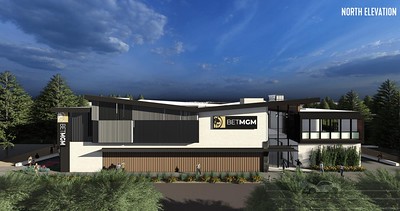
BetMGM and the Arizona Cardinals have released initial images of the nearly 17,000-square-foot BetMGM Sportsbook scheduled to open on the State Farm Stadium campus in time for kickoff of the 2022 football season. This will mark the first sportsbook at an NFL stadium.

Construction is under way on the two-story sports and entertainment destination that will operate on both event and non-event days. The BetMGM Sportsbook, located on the north side of The Great Lawn—the eight-acre grass area outside the stadium, used for tailgating—will combine the energy and viewing options of a state-of-the-art sportsbook with the amenities of a world-class sports bar.

Featuring dual entrances from both sides of The Great Lawn, guests will experience a massive video wall to watch games and enhanced game day parking options, as well as both indoor and outdoor dining options. Sports fans will be able to place wagers at trading windows or utilize user-friendly betting kiosks conveniently placed throughout the space.

“The Arizona Cardinals and BetMGM are both committed to enhancing the game day experience for fans in new and creative ways,” said BetMGM CEO Adam Greenblatt. “The BetMGM Sportsbook at State Farm Stadium will be one of the most unique and innovative additions to a venue that the sports and entertainment industry has ever seen.”

Cardinals owner Michael Bidwill said, “Since the launch of our partnership with BetMGM last August, the response has been incredible. When this sportsbook opens next season, it will provide an opportunity to engage and entertain our fans in a way that is unprecedented.”

The BetMGM Sportsbook at State Farm Stadium will complement the BetMGM mobile app that launched statewide in Arizona in September 2021.

IGT, Meruelo Partner on SaharaBets for Arizona Coyotes

International Game Technology PLC announced that the company recently signed a strategic sports betting agreement with Meruelo Gaming LLC, an affiliate of the Sahara Las Vegas and Grand Sierra Resort in Reno, and the Arizona Coyotes National Hockey League team.

Under the terms of the agreement, Meruelo Gaming will leverage IGT’s trading advisory services and PlaySports technology to power the SaharaBets statewide mobile sports betting app for Arizona.

“The scalable PlaySports technology, turnkey services, capabilities and vast sports betting experience make IGT SaharaBets’ ideal sports betting growth partner in Arizona,” said Alex Meruelo, Meruelo Group president & CEO. “Giving Arizona Coyotes fans the option to place pre- and in-game wagers online will increase fan engagement and boost the already contagious excitement of every play on the ice.”

“Given Alex Meruelo’s success in turning the Grand Sierra Resort into the vibrant, successful casino that it is today, and all the positive changes that he initiated with the Sahara on the Las Vegas Strip, I am excited to see what he will do in Arizona as the owner of a professional sports team with its own sportsbook,” said Joe Asher, IGT president of sports betting. “I’m thrilled that Alex decided to partner with IGT for the hardware, software and trading services to make it happen.”

IGT PlaySports is deployed at more than 60 gaming venues across the U.S.

Caesars Sportsbook Partners with Michigan State

Michigan State University (MSU) Athletics, MSU Sports Properties and Caesars Entertainment Inc. ) announced a multi-year partnership to make Caesars Sportsbook the Official and Exclusive Sports Betting Partner and iGaming Partner of MSU Athletics. The partnership combines fan engagement opportunities, a new premium seating area at Spartan Stadium, and an expansion of responsible sports gaming education.

Caesars Sportsbook will gain significant exposure through MSU’s sports properties and access to a wide range of hospitality assets and VIP experiences, which will be available to Caesars Sportsbook players, as part of the wide range of benefits offered through the industry-leading loyalty program Caesars Rewards.

Assets include broadcast and digital content across MSU athletics, TV-visible signage across basketball, football and hockey, naming entitlement for a new premium seating area inside Spartan Stadium set to debut during the 2022 football season along with an outdoor tailgating area, and access to unique alumni and fan engagement opportunities surrounding varsity sports seasons currently under way. Spartan fans can also soon enjoy special promotional offers on mobile sports betting, iGaming, and The World Series of Poker product offerings.

“Michigan State has a proud tradition of excellence, and partnering with an internationally recognized brand in college athletics is a great opportunity for us,” said Eric Hession, co-president of Caesars Digital. “The Spartan fan base and alumni network is passionate and well-established across the country. We look forward to building upon our connection with them while strengthening the legacy we hold in the state of Michigan and advancing scholarship opportunities through this partnership.”

In addition to providing a significant financial commitment to MSU, Caesars Sportsbook will provide annual funds to support student-athlete responsible gaming education, student scholarships, and internship and professional development opportunities for MSU students pursuing a career in the sports industry.

“The opportunity to partner with Caesars, a leading force in the sports and entertainment industry, will help enhance game day experiences for Spartan fans and provide significant resources to support the growing needs of each of our varsity programs,” said Alan Haller, Michigan State vice president and director of athletics.

“We are excited to be on the cutting edge of this innovative opportunity, while recognizing the importance of Caesars’ commitment to responsible sports gaming education both for the student-athletes and the university community as a whole.”

The agreement also places an emphasis on the expansion of responsible sports gaming and education for the MSU community. Caesars Sportsbook is committed to working with the Michigan Association on Problem Gambling (MAPG), regulators and the community to provide responsible gaming resources to all eligible sports bettors in the state and driving awareness of the responsible gaming tools available on the Caesars Sportsbook app.

The partnership was facilitated by MSU’s third-party multimedia rights holder, Playfly Sports.

“The rapidly expanding interest around gaming in the college space has pushed us to create strategic opportunities for our college properties that not only provide impactful gaming education resources but also significant opportunities to drive new sources of revenue,” said Christy Hedgpeth, president of Playfly Sports Properties. “Connecting Caesars’ iconic brand to MSU’s passionate community of students, fans and alumni is a perfect fit and another example of how partnerships like this are creating tremendous benefits for all parties involved.”

Washington Tribes, DraftKings Partner on Retail Sportsbooks

DraftKings Inc. and the Tulalip Tribes of Washington have forged a market access partnership that will bring the DraftKings retail sportsbook brand to Tulalip casinos in Washington State.

Plans are underway to open DraftKings retail sportsbook locations at Tulalip Resort Casino and Quil Ceda Creek Casino, both located 30 minutes north of Seattle in Tulalip, Washington.

Initial design plans for the DraftKings Sportsbook at Tulalip Resort Casino, pending licensure and regulatory approvals, will feature a 5,000 square-foot space with a 50-foot video wall and more than two dozen kiosks and eight ticket windows. The design of the DraftKings Sportsbook at Quil Ceda Creek Casino is still early in the planning phase but is expected to feature state of the art technology and share the same world-class betting experience found across all DraftKings-branded retail sportsbooks.

“As we get ready to open our sportsbooks, we are excited to announce our exclusive partnership with the best in the business, DraftKings,” said Teri Gobin, chairwoman of the Tulalip Tribes. “We’re ready to take our gaming experience to the next level.”

Arizona Casino Opens Sportsbook Lounge

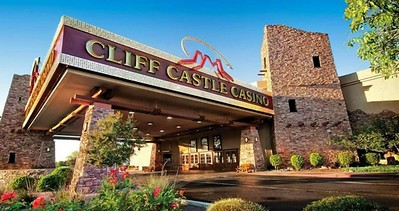
Cliff Castle Casino Hotel in Cape Verde, Arizona, January 14 held a grand opening for its new retail sportsbook lounge. It included a ribbon cutting for the project that had its impetus in 2020 as a renovation.

Cliff Castle is an enterprise of the Yavapai-Apache tribe, which in November reached a multi-year agreement with IGT Playsports to operate the retail sportsbook.

The overall project also included two new bars, a players club and high limit gaming area.

Cliff Castle General Manager Aaron Moss, said in a statement, “We are beyond thrilled to see the entire property come together and are proud of all the incredible improvements we have made here.” said Aaron Moss, general manager of Cliff Castle Casino Hotel. “It was worth the wait to see our vision turn into a reality, creating a truly remarkable casino and hotel where our guests can enjoy all the new offerings and modern feel of the property.

“This renovation also connects us to a broader audience because we now have something luxurious and exciting for everyone to enjoy, be it adults who love gaming, young couples who enjoy a fun getaway, or families looking for a weekend destination—there’s truly something for everyone.”

Buffalo Bills Sign Partnership With Caesars Sportsbook

On January 15, the Buffalo Bills signed a multi-year partnership with Caesars Sportsbook to make it an official mobile sports betting partner. Earlier in the week the Bills formed a similar partnership with FanDuel, according to NY Sportsday.

The deal with Caesars features custom fan experiences, significant sponsorship assets, and provides naming rights to a new sportsbook-style premium club lounge at the Bills’ stadium. Caesars Sportsbook will have access to use official Buffalo Bills logos and marks.

“This partnership gives us the opportunity to connect with one of the most passionate fan bases in all of sports,” Co-President of Caesars Digital Chris Holdren said. “We’re ready to welcome Bills fans into the Caesars Empire and offer them access to best-in-class hospitality experiences through our Caesars Sportsbook app as we continue to expand our footprint across the state of New York and beyond.”

The partnership includes broadcast and digital content across Bills’ properties, in-game signage, and fan activities.

“We’re very excited to work together with Caesars to engage Bills fans throughout Western New York and Southern Ontario, bringing these unique experiences right to their fingertips. We look forward to the new attraction Caesars will bring to Highmark Stadium next season, and to working with Caesars Sportsbook for many years to come,” Pegula Sports & Entertainment Sr. Vice President of Business Development Dan Misko said.

In other sports news, former MLB player and manager, Bobby Valentine signed on to become a brand ambassador for BetRivers and PlaySugarHouse sportsbooks.

As part of the deal, Valentine will provide exclusive network and social media content for BetRivers.com and PlaySugarHouse.com. He will participate in a weekly Major League Baseball video, along with a podcast, television, and radio interviews.

Valentine has experience as an analyst and announcer for ESPN’s Sunday Night Baseball, NBC Sports, and as a regular contributor to MLB on Sirius.

“I’m excited to be joining the BetRivers team at an exciting moment in the evolution of sports betting,” said Valentine. “This partnership will allow us to share my passion for competitive sports while at the same time providing valuable commentary to fans.”

Indiana Lawmakers Debate iGaming Bills

Indiana legislators recently filed competing bills that would legalize and regulate iGaming, setting up a scenario similar to 2021 when neither bill got very far. State Rep. Doug Gutwein filed HB 1356, co-authored by state Rep. Ethan Manning. For the second consecutive year, state Rep. Alan Morrison filed HB 1337.

Both bills would take effect July 1 and both would tax adjusted gross receipts from iGaming at 18 percent, double the state’s current 9.5 percent rate on sports wagering. In comparison, neighboring Michigan taxes online casino gaming AGR at 20 percent to 28 percent.

Both bills have been assigned to the Committee on Public Policy. Previously, Governor Eric Holcomb said he first wanted to see an expansion of the state’s brick-and-mortar casinos, one of the main reasons Morrison’s bill didn’t pass out of committee last year.

The Hard Rock Northern Indiana opened in May, adding to the strong casino presence in Northwest Indiana that attracts revenue and tax dollars from nearby Chicago. However, the struggle continues over opening a casino in Vigo County, part of Morrison’s 38th district. The Indiana Gaming Commission earlier rejected Lucy Luck’s license renewal and in November gave it to Churchill Downs Inc., which didn’t formally receive the license until earlier this month.

HB 1356, Gutwein and Manning’s bill includes iGaming licenses to be issued to casinos and the state’s two racetracks, plus revenue sharing for casino-host cities and counties to make up for some of the revenue brick-and-mortar casinos could lose from iGaming competition.

The bill names the IGC to regulate iGaming and, besides allocating funds to host cities and counties, it directs gaming tax revenue to the state’s General Fund, with some funds directed to problem gaming.

Fiscal estimates of tax revenue indicate iGaming would generate between $15.3 million to $30.5 million in fiscal year 2023 and reach between $46.2 million and $92.4 million by fiscal year 2025. In addition, it estimates tax revenue from brick-and-mortar casinos would range between $12.2 million to $24 million in FY 2023 and reach $37.1 million to $72.9 million in FY 2025. License fees of $7.3 million to $7.8 million would help mitigate the projected tax revenue loss in the first year. Overall, the bill projects additional revenue from $10.3 million to $14.1 million in FY 2023; $6.7 million to $13.5 million in FY 2024; and $9.7 million to $19.9 million in 2025.

HB 1337, Morrison’s bill, included a fiscal note in the 2021 filing, including first-year licensing fee revenue estimates identical to HB 1356. Both bills project an additional $6.7 million to $13.5 million of tax revenue in FY 2024; in FY 2025, Morrison’s bill projected tax revenue between $8.7 million and $17.5 million, with iGaming generating between $34.3 million and $68.6 million in tax revenue versus $46.4 million to $92.8 million projected by Gutwein and Manning.

Morrison’s bill also includes expanding the IGC from its current seven members to nine, keeping the governor’s appointment of seven but also allowing the House speaker and Senate president pro tempore to each name another commissioner. Morrison previously expressed frustration over the IGC’s denial of Lucy Luck’s license renewal and was one of seven state representatives who signed a letter in August objecting to certain IGC casino integrity rules.

Developer Breaks Ground on AC Water Park

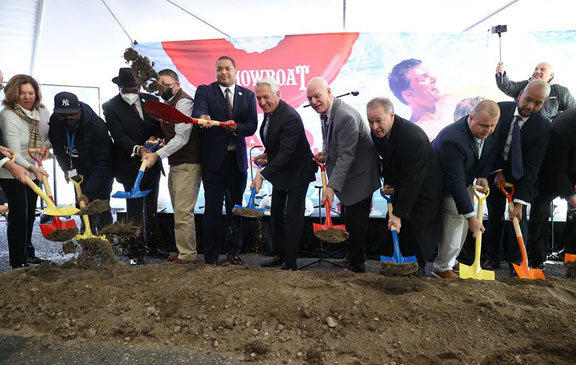
On January 12, Philadelphia developer Bart Blatstein, Atlantic City Mayor Marty Small Sr. and assorted dignitaries, broke ground on a $100 million indoor water park at the former Showboat Casino, now the Showboat Hotel.

The 103,000-square-foot park—to be built along New Jersey Avenue on a vacant lot adjacent to the Showboat Hotel also owned by Blatstein—is touted as a year-round entertainment option for families that does not involve gambling, according to the Associated Press.

When completed, the park will include all the activities associated with water parks in Ocean City and Wildwood: water slides, pools, a lazy river, food and beverage options, retail space, lounge areas and a party room. The water park will feature parallel slides to allow for racing. A retractable glass-paned roof will cover the entire project, enabling it to be open all year. It will also feature an adult section with alcoholic beverages and amenities, from foot massages to manicures, Blatstein said.

“This water park is going to crush it,” he said in a ceremony under a tent where swimsuit models frolicked in a pool set up for the ceremony. Others took a spin on an indoor surfing machine. Last summer, Blatstein opened Lucky Snake, an arcade at the Showboat almost as big as the water park.

“We need to diversify our entertainment offerings,” Small said.

In his remarks, Small said proposed water parks in Atlantic City have a long history. None of them ever came to fruition. “We’ve all heard stories of water parks coming here to Atlantic City and for whatever reason, it didn’t happen,” he said. “This is happening.”

Blatstein said this one will make it. “I promise you; it’s going to happen.”

The goal is to welcome visitors in time for Memorial Day weekend in 2023.

A 20-year state tax incentive will help fund the park. In 2020, the Casino Reinvestment Development Authority designated the project as an entertainment retail district, which means it’s eligible for an annual rebate of as much as $2.5 million in sales tax generated by it for 20 years. There also will be tax breaks on construction materials. In July, Citigroup Inc. inherited the job as underwriter of the $95 million municipal bond sale to finance the construction of the water park.

What’s in the Card for 2022: A Look Ahead

Last year, casinos saw a surge in gaming revenues, despite the ongoing impact of the Covid-19 pandemic. With Omicron sweeping the world, plus a return to masking and other precautions in some markets, what can we expect for 2022?

Casey Clark, senior vice president of the American Gaming Association predicted “another strong year for (U.S.) gaming, this time with a much clearer, more confident outlook for the industry’s health—even though it’s too soon to tell if 2022 will rival 2021’s revenue records.”

Travel & Meetings

To grow, the industry needs the resumption of cross-border travel and a return of meetings and conventions, said Brendan D. Bussmann, director of government affairs for Global Market Advisors. Strength in those sectors will build on positive trends that began in 2021, and compensate for potential headwinds like inflation, supply chain logjams and of course, the ebb and flow of the pandemic itself.

“There’s still significant recovery to come in 2022, especially for destinations like Las Vegas and all of Asia, and Asia still has to largely begin its recovery,” said Bussmann. “Macau may be the only jurisdiction where I’ll say there’s a ‘new normal’ with the flow of money significantly changed, the end of junkets as we’ve known them and concession renewals still needing to be finalized. It makes for an interesting future. “

Sports betting and iGaming will remain a focus in 2022 and a significant opportunity for growth across the globe, Bussmann said.

“Land-based gaming is far from dead too. With Brazil, Thailand and others looking around, it’s about crafting the right market opportunity to attract the best operators to a market and let it thrive,” he said.

Expanded Sports Betting

In the U.S., of 19 states with the chance to legalize sports betting this year, three won’t: North Dakota, Texas and Utah.

States that look likely to legalize include:

  • The Golden State could legalize sports betting, possibly through tribal casinos, possibly through a referendum. If the ballot measure proposed by a California tribal coalition passes muster among voters in November, a retail industry could launch in early 2023. Mobile betting is not part of the tribes’ proposal to start.
  • Pro sports teams in the Peach State want sports betting now. “Georgia appears to be moving toward the Virginia/Tennessee model, with the lottery awarding online operator licenses, and we’ve seen some decent progress on a bill in 2021,” said Tipico U.S. Head of Business Development and Strategy Steve Krombolz. “There is optimism that 2022 could be the year.”
  • According to Bussmann, the Bay State “has a robust gaming industry, so there’s no reason why a bill has not passed.” Look for sports betting there this year.
  • North Carolina. Senators in the state have already approved a sports betting bill; it now awaits House action. Lawmakers legalized retail wagering at two tribal casinos in July 2020, with the first bets taken in March 2021. There don’t appear to be any major roadblocks now, other than legislators failing to find consensus on the framework.
  • In the Show-Me State, sports betting should be a done deal by the end of the year. And as Missouri goes, so goes Kansas.
  • It’s an election year in Maine; lawmakers support sports betting, realizing that New Hampshire sportsbooks are making money on Maine bettors.

Unless Oklahoma Governor Kevin Stitt and the state’s tribes stop their bickering, that state is in the “no” column. Sports betting in Alabama would require a constitutional amendment, and lawmakers don’t hold out much hope that it will happen in 2022. Minnesota doesn’t have much of a consensus, especially for mobile sports betting. The remaining U.S. states have even less of a chance to see legal sports wagers.

Online Casinos a Harder Sell

Online casinos are a much more lucrative business for both operators and state governments. Yet fewer states want to jump in. Why?

“There are a few big reasons,” said Becca Giden, director of policy for Eilers & Krejcik Gaming. “One is economic need, the state of state budgets. When states are in a deficit or coming close to needing money, both sports betting and online casinos become incremental revenue sources that proponents of that legislation can sell as new revenue sources.

“But most states are flush with cash as a result of special federal assistance, so this urgency for new revenue sources just isn’t there, and we don’t see it coming back for at least a year or two.”

Another reason? Online casino proponents are few and far between, especially compared to advocates of sports betting.

“Sports betting will often pull together a lot of lobbying forces—not only casinos, but also sports entities, facilities, teams, independently owned businesses that are sports-related like sports bars, and sometimes even the actual government itself, in cases where the lottery is going to be an operator or regulator,” Giden said. “Sports betting pulls together this big tent of people.” When it comes to online casinos, by contrast, “it’s usually just the casinos and the gambling entities, and the government.”

Smaller, regional casinos often oppose online gaming, worried it will decrease foot traffic at their brick-and-mortar operations. Moreover, online casino gambling is somehow seen as more distasteful than sports betting.

“Legislators will eventually catch up,” said Giden, “but in the short- and medium-term, we see states legalizing online casinos at about a quarter of the rate as sports betting being legalized. Next year we’re pretty bearish, but for 2023 we’re looking at states that already have online sports betting and are looking to resolve some of the stakeholder issues.”

Responsible Gaming

At another level, responsible gaming efforts are evolving as the industry expands, and the AGA will be very active in this area, Clark said. “The AGA is focused on concerns around advertising, aligning on proactive consumer education and streamlining resources for problem gambling to better serve vulnerable populations.” ​

New technologies that gather customer data bring new responsibilities in terms of player protections, added Alan M. Feldman, distinguished fellow of responsible gaming at the International Gaming Institute at the University of Nevada Las Vegas. It will be especially true as the sports betting landscape swells.

“This is in part because of regulatory requirements,” Feldman said, “but it’s also because teams, leagues and gambling companies are gaining a greater understanding that practicing responsible gaming is good for their business. Not only do customers expect them all to act responsibly, but when they do so, it gives the public greater confidence in the integrity of sports gambling.

“With the passing of each new year, I remain hopeful that legislators and regulators will commit to funding investments in research, prevention, awareness and treatment efforts,” Feldman continued. “It’s possible that the spotlight of sports gambling may drive some renewed political interest in doing so and should that be the case, the public will be the beneficiary.”

In 2021, casino customers returned to land-based properties in numbers far greater than anticipated, but demographics that once were scarce on the floor—like millennials—also came out in droves, said Josh Swissman, founding partner of the Strategy Organization. Whether we see a repeat of that phenomenon this year is yet to be determined.

“Will millennials continue to show up to casinos in large numbers?” asked Swissman. “Will the baby boomers come back? What will it take to entice both groups to do so? These are some of the questions 2022 could answer.”

New Jersey Rejects Mediation in PILOT Suit

On January 6, Superior Court Judge Joseph Marczyk asked the state of New Jersey to consider mediation in a lawsuit filed by Atlantic County over the state’s decision to remove sports betting and iGaming revenues from the formula to determine what casinos will pay in lieu of property taxes, according to the Press of Atlantic City.

The state turned down mediation, sending the suit to trial. “I believe his exact words were that it would be ‘prudent’ to mediate, which the county is willing to do,” said County Executive Dennis Levinson.

“We are going to try to get a settlement that is in the best interests of everyone,” Levinson said, “because the new PILOT, the way it is written, is only in the best interests of the casinos.”

The county seeks to overturn the legislation as it violates a Consent Order of Settlement to which both parties agreed to in open court in June 2018, according to Insider NJ.

In related news, New Jersey lawmakers are pondering legislation to redirect some sports betting taxes to the city of Atlantic City for property tax relief.

The bill, introduced by State Senator Troy Singleton, would use the 1.25 percent tax on sports betting that currently goes to the Casino Reinvestment Development Authority to market and promote Atlantic City.

“This would be a huge win for the taxpayers of Atlantic City, who would finally be able to benefit from the sports betting that is going on in their city,” said Mayor Marty Small Sr.

New Jersey Reintroduces Smoke-free Casino Bill

Supporters of a casino smoking ban in New Jersey were unable to measure passed during the most recent legislative session. So they’re trying again. On January 12, the first day of the new session, six senators reintroduced a bill to finally eliminate the state’s casino smoking loophole.

The primary sponsors of the bill include Shirley Turner and Joseph Vitale, with co-sponsors Senators Patrick Diegnan, Teresa Ruiz, who is also the majority leader, Vince Polistina, and Vin Gopal. An Assembly version will be introduced in the coming days.

“We applaud this bipartisan group of legislators from across New Jersey who understand that worker health must be a priority,” said Cynthia Hallett, president, and CEO of Americans for Nonsmokers’ Rights. “We are confident that this legislation will pass both chambers and land on Governor Murphy’s desk in the coming months to make a smoke-free workplace a reality for thousands of casino workers in New Jersey.”

Nicole Vitola, co-leader of Casino Employees Against Smoking’s Effects, said the group won’t let up on legislators.

“We don’t have time to wait. Every day we go to work we risk our health getting worse and worse. Especially during yet another wave of Covid-19 cases in our state, this is unacceptable. It’s time to get this bill passed as soon as possible so that we no longer have to choose between our health and a paycheck.”

Assembly Health Committee Chair Herb Conaway said last month that “I’d like to get it done.” Conaway, a physician, and the Burlington County health director, said. “We have a number of employees who, as a condition of their work, are exposed to this carcinogen.”

Play NJ named the casino loophole one of five stories to watch in 2022: “The most likely [bill] to see swift action is a total smoking ban inside Atlantic City casinos. The gambling parlors are among the state’s last exemptions for allowing indoor smoking. Covid-19 makes this a public health issue and lawmakers will not want to hear about lost revenue for casinos.”

Governor Phil Murphy has reiterated his pledge to sign such a bill if approved by lawmakers.

New York Goes Live with Mobile Sports Bets

The big news broke January 6, and by 9 a.m. December 8, New Yorkers were able to get in some mobile bets before the end of the NFL regular season.

The New York Gaming Commission announced last Thursday that four licensed online sportsbooks—Caesars Sportsbook, DraftKings, FanDuel, and Rush Street Interactive—would be able to receive virtual wagers starting Saturday morning. The providers were approved to go live because each had an existing partnership with a New York casino.

Until then, most New Yorkers had two options to bet on sports legally: travel to upstate casinos to play at retail sportsbooks, or cross the river to New Jersey to gamble on their mobile devices.

”Finally I can stop biking over the (George Washington Bridge) on Sundays and take a bet over the phone,” Manhattanite Matt Lane told the New York Post. “I know this will make my girlfriend happy, especially when I win.”

State officials say the addition of mobile bets could bring in up to $500 million in annual tax revenues.

Democratic state Senator Joseph Addabbo Jr., the most vocal advocate for mobile bets in the Empire State and chairman of the Racing, Gaming and Wagering Committee, called the development “great news for New York in terms of revenue, new funding for education, addiction programs and youth sports, as well as new jobs.

“This is great timing,” the Queens Democrat said. “It’s a win for the state of New York.”

“It’s definitely good timing,” agreed Assembly Gaming and Wagering Committee Chairman Gary Pretlow. “We said we wanted mobile sports betting to start before the Super Bowl. We’re ahead of schedule.”

New York expects to generate $10 billion from sports betting each year, with the nearly $1 billion in expected profits split between the state and the operators. The state has already banked $200 million in license fees from mobile sports operators, which have agreed to pay a 51 percent tax on gross revenues—far more than in other states.

Though they likely won’t pull in a fortune, the prestige of operating in New York has operators eagerly tout their services. “We are excited to finally be able to offer millions of passionate New York sports fans the top-rated DraftKings mobile and online sportsbook,” said Jason Robins, CEO, co-founder and chairman of the board of DraftKings.

Richard Schwartz, CEO of Rush Street Interactive, said, “The long-awaited launch of online and mobile sports betting in New York—the largest online sports betting market by population in the United States—is here, and just in time. With the college football championship game on January 10th and NFL playoffs approaching, and the NBA and NHL seasons in full swing, in addition to countless other sports and betting options available for play, fans have endless entertainment at their fingertips at BetRivers.”

New York has offered in-person sports betting since 2019 but has generated just $3.7 million in tax revenue at its four in-person sportsbooks, all upstate of New York City, reported the New York Daily News. Meanwhile, its neighbor New Jersey has become the top sports betting market in the U.S.

Through November 2021, the Garden State’s nine casinos and the three horse tracks that take sports bets have reaped nearly $10 billion in wagers, including mobile bets. New York mobile betting is sure to challenge that supremacy, and keep more of those dollars at home.

Caesars will include the New York sports betting bets with its Caesars Rewards program.

“Today is a historic day for not only Caesars Sportsbook, but for the entire state of New York,” said Chris Holdren, co-president of Caesars Digital. “We’re ready to treat sports fans across the state of New York like royalty through our Caesars Sportsbook app as we welcome them into the Caesars Empire, extend our already established roots and continue to build partnerships that benefit our bettors.”

In addition, Caesars announced the signing of former New York Rangers legendary goaltender Henrik Lundqvist as an ambassador to New York. With the official launch of mobile sports betting statewide, the Rangers franchise icon joins Caesars Sportsbook at an exciting time for the Empire State, which he called home for his illustrious 15-year NHL career.

“New York has always been a special place to me and it’s such an exciting time for this state,” said Lundqvist. “Becoming a part of the Caesars Sportsbook team going forward is an exciting opportunity as I enter into my next chapter. Caesars really does treat people like royalty and I can’t wait to interact directly with the incredible sports fans in New York on behalf of this partnership.”

Lundqvist will support Caesars Sportsbook in its mission to treat sports fans across New York like a Caesar through a wide array of fan engagement opportunities made possible through Caesars Rewards. Not only will sports bettors in the Empire State earn Tier Credits and Reward Credits with every wager placed on the app, but they will have the chance to personally interact with Lundqvist in various ways through upcoming activations.

New York State Moves to OK Three Downstate Casinos

New York lawmakers and union casino workers are urging state officials to award three casino licenses in the New York City area sooner rather than later. The three would deliver a nice payday for the government in terms of license fees—upwards of $750 million per license.

“Issuing full gaming casino licenses downstate has moved to the top of my agenda,” said Gary Pretlow, chairman of the state Assembly Committee on Gaming and Wagering.

Pretlow sees Genting’s Resorts World gambling parlor at Aqueduct racetrack and MGM’s Empire City slots parlor at Yonkers Raceway winning two of the three as they already have facilities. They feature slot-style video lottery terminal games.

“They’re already up and running. They have the room to add table games and the resources to pay the license fee,” Pretlow said of the locations.

State Senator Joseph Addabbo opposes a Manhattan location because the borough already serves as a tourist hotspot with clubs, dining, and the Broadway theater district, according to the New York Post.

“With a smart, responsible approach to new casino licenses, we have the opportunity to put unemployed hospitality workers back to work while also giving our economy a much-needed boost,” said Rich Maroko, president of the Hotel and Gaming Trades Council Union. “What we need now is for our state leaders to step up and give us the tools to protect workers and create new employment opportunities.”

Resorts World at Aqueduct, which recently opened a hotel, said it’s eager to obtain a license to expand its casino operations to include table games like blackjack, baccarat, craps, and poker.

“Between the upcoming launch of our mobile sports platform and the potential for a full casino license in Queens, we couldn’t be more excited about the future of gaming in New York and the economic benefits it will bring people across the city and state,” Resorts World said in a statement.

Upstate New York has 11 casinos that offer slots, table games, sports betting, and a host of entertainment amenities. Seven are run by Indian nations, and four are private commercial casinos licensed by the state.

The closest casino to the city in New York state is the Resorts World Catskills Casino about 100 miles away. The three other commercial state-licensed casinos are Rivers Casino & Resort in Schenectady, del Lago Resort & Casino near Waterloo in the Finger Lakes and Tioga Downs in Nichols near Binghamton.

One gambling expert said the expansion of gambling to the New York City area would be a lucrative draw but could siphon revenues and players or even trigger closings of one or more of the upstate casinos, said Clyde Barrow, a political science professor at the University of Texas Rio Grande Valley.

New York’s commercial gaming law, passed in 2013, authorized as many as seven land-based casinos with slot machines and table games. Four were allocated upstate, and those locations were given a 10-year monopoly on commercial casino gaming in New York to build their customer bases.

Even without the downstate casinos, the four upstate properties in New York have not been a success based on pre-opening forecasts. The shortfall has affected paying debt service at Resorts World and del Lago.

Putting it all together, Barrow thinks odds favor the end of at least one of the four once the New York City area casinos open. Upstate New York also has three tribal casinos and six VGT locations.

Along with the four commercial casinos, upstate New York is home to three tribal casinos.

“Casinos in the New York City area will do very well, that’s where the population is,” Barrow said. “It wouldn’t surprise me if one or two of the existing upstate facilities go out of business. Downstate New York is where the population is. But it’s almost inevitable that upstate casinos would close. It’s just a question of when and how.”

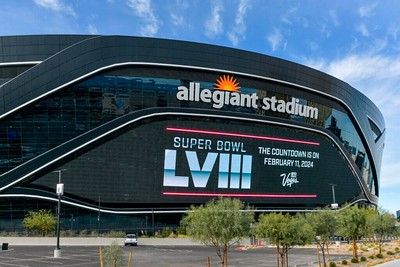
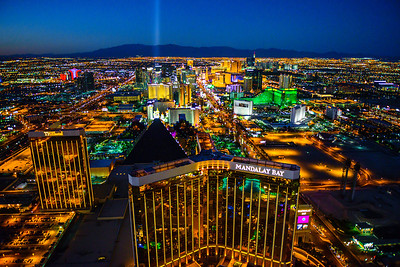
Las Vegas Earmarks $40 Million for 2024 Super Bowl

Las Vegas will host Super Bowl LVIII in 2024. To pull it all together, the Las Vegas Convention and Visitors Authority (LVCVA) committed $40 million to the effort on January 11, the largest noncapital expenditure ever for the tourism body.

LVCVA President and CEO Steve Hill said the organizing committee hired Sam Joffray of New Orleans as the executive director and first employee. Joffray, senior vice president of the Greater New Orleans Sports Foundation will relocate to Las Vegas and hire around 10 people in his first year and even more after 2023’s Super Bowl LVII in Glendale, Arizona.

The NFL’s championship game is scheduled for Feb. 11, 2024, at Allegiant Stadium. The economic impact could be more than $571 million with over 4,500 jobs created.

“Vegas is a platform for putting on major events like this and this city is great at it,” Hill said. “So, there’s plenty of time for us to get ready, and it is going to be a spectacular Super Bowl.”

The LVCVA approved up to $2.4 million to host the NFL draft in Las Vegas in April 2020, but the outbreak of Covid-19 postponed that party until this year.

The board also agreed to $1.75 million in July 2020 to host the 2022 Pro Bowl, which will be played at Allegiant Stadium on February 6.

The committee is expected to spend nearly $60 million for game preparations and will need to raise $20 million in additional funds to go with the $40 million provided by the LVCVA.

According to Hill, the city will spend around $55 million for preparations with around $6 million in contingency funds. The NFL will pick up anything over that.

Festivities leading up to the game last at least a week, including a Fab Fest, a media center, and media party; “Opening Night” and “NFL Honors” live television broadcasts; a live entertainment and concert series; corporate hospitality events; and other activities that will drive tourism to the city.

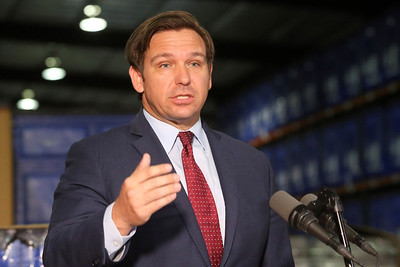
DeSantis Stunned By Seminole Compact Invalidation

The Seminole Tribe of Florida’s Hard Rock Sportsbook briefly held the state’s monopoly for sports betting, under the compact it negotiated with Governor Ron DeSantis. The compact also allowed the tribe to add craps and roulette to its existing casino operations and granted the tribe the option to add three casinos on its property in Broward County. In exchange, the Seminoles pledged to pay the state at least $2.5 billion over the first five years.

But on November 22, Federal Judge Dabney L. Friedrich of the United States District Court invalidated the compact, citing the Indian Gaming Regulatory Act. Friedrich stated the proposed “hub-and-spoke” sports betting platform, which would process bets from gamblers statewide through computer servers on tribal property, was a “fiction.” The Seminoles appealed the federal judge’s ruling, and closed the Hard Rock Sportsbook platform.

Recently, DeSantis stated Friedrich’s decision to vacate the entire compact was unexpected. “We understood that that would be something that would be challenged, although I will tell you, we were not anticipating it to be a challenge under federal Indian gaming law. We thought the challenge would come under Amendment 3,” which requires voters, not lawmakers, to approve any gambling expansion. “But at a minimum, the compact was clearly negotiated with the understanding that the hub-and-spoke could be something that would run into trouble at some point and so was structured in a way to allow the compact to go forward.”

DeSantis continued, “You do not throw out the entire compact over this one issue. I think we’ll win on this issue eventually. So we’ll do what we need to do.”

Meanwhile, an initiative called the Florida Education Champions, funded with more than $37 million from DraftKings and FanDuel, is moving forward toward the 2022 ballot. It would make several sports betting licenses in Florida available to national sportsbooks, allowing online and in-person sports betting.

If supporters gather enough signatures to place the issue on the ballot and if voters pass the constitutional amendment, the legislature would then adopt legislation to implement licensure and regulation policies. Sports betting would launch in 2023, with revenue going to the Educational Enhancement Trust Fund of the Department of Education.

As of December 29, the Florida Division of Elections reported 240,000 petition signatures had been collected. The campaign needs 891,589 by February 1 for the initiative to appear on the 2022 ballot. Spokeswoman Christina Johnson said, “We are confident we will have enough signatures” to meet that deadline.

The Seminole Tribe has invested $20 million so far in an attempt to derail Florida Education Champions’ petition drives, in a multimedia campaign stating, “Don’t Sign the Gambling Petitions.”

Against these unresolved issues, DeSantis recently announced the first three members of the new five-member Gaming Control Commission that will take effect July 1, 2022. Named to the panel were: Department of Business and Professional Regulation Secretary Julie Imanuel Brown, who was named chairwoman of the commission; Office of Insurance Regulation Chief of Staff Michael Yaworksy; and former law enforcement officer Charles Drago. Each is subject to state Senate approval.

The commission will oversee tribal gaming compacts, parimutuel operators, cardrooms, slot parlors and other forms of gaming allowed by the state constitution, excluding the Florida Lottery.

Wampanoag Tribe to Reevaluate Casino Plans

The Mashpee Wampanoag Tribe of Massachusetts is reinvigorated by the news that the Biden administration has affirmed its status and that it can put land into trust in Taunton. But before continuing to build the casino it started years ago, the tribe wants to move cautiously, says its new Chairman Brian Weeden, who took office in May.

Last month the Biden administration’s Department of the Interior reversed the Trump administration’s order to try to take the tribal land out of trust. The 29-year-old Weeden, the youngest person to hold that post, says the tribe wants to look at the project with a new perspective, given how many years have gone by since the project was abandoned after a negative federal court ruling. Much of the gaming landscape has changed since 2016 when the tribe broke ground on the $1 billion casino resort, Casino First Light, which was to include a hotel, retail shopping, restaurants, a water park and entertainment venues.

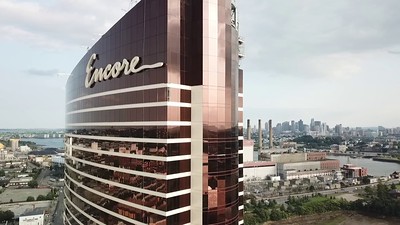
The Bay State has three casinos, the Encore Boston Harbor, MGM Springfield and Plainridge Park slots parlor and the Aquinnah Wampanoag tribe has started building a Class II casino on Martha’s Vineyard. Meanwhile, the legislature is considering legalizing sports betting.

Chairman Weeden told the Miami Herald, “We’re back to the drawing board, basically.” He added, “There’s still an appetite for gaming. It just needs to be a smart approach. It has to be different from the past. We need to learn from our mistakes and proceed with caution.”

At the same time, the anti-casino residents of Taunton, who won the round in federal court that shut down construction, have not given up. They have returned to federal court and argued again that the tribe wasn’t eligible to put land into trust because of the 2009 Carcieri v. Salazar ruling of the Supreme Court that says a tribe cannot put land into trust if it was recognized after 1934.

In their filing, they said, “The time for adjudication is now,” adding “Plaintiffs respectfully request this court to restore the administratively closed counts … and otherwise reopen the case to permit additional filings for adjudication.”

Despite historians recognizing that the Mashpees were the Indians that greeted the Pilgrims when they landed at Plymouth in 1620, the 3000-member tribe didn’t acquire federal recognition until 2007.

They also argue that a tribe shouldn’t have a reservation in two places separated by 50 miles: Taunton and Cape Cod. The tribe’s reservation includes 170 acres in Mashpee and 150 in Taunton.

As a result of the court decision, the federal government moved to take away the reservation. Until, in June 2020, another federal judge ruled that the Trump administration’s decision was “arbitrary, capricious, an abuse of discretion, and contrary to law.”

The Trump administration appealed but the Biden administration withdrew the appeal in 2021.

Despite the troubles that descended after the adverse court ruling, the tribe has maintained its relationship with the Genting Group—and recently renewed it. The tribe is in debt to Genting for $600 million, but the debt doesn’t come due until a casino begins operating.

Weeden said they are discussing a less grand slot parlor or bingo hall that would exempt it from 17 percent state taxes on gaming. They might also not take the gaming route, but try other enterprises, such as tax-free tobacco shops or tax-free gas stations, or marijuana shops. He told the Herald, “We need to exercise our sovereignty,” adding, “Casinos are just low-hanging fruit.”

At an upcoming tribal meeting, tribal leaders plan to present a plan for using $15 million from the federal stimulus bill and to pursue other funds from the recently passed $1.2 trillion federal infrastructure bill.

Wynn May Not Expand in Boston

Wynn Resorts has told the Massachusetts Gaming Commission that it is rethinking its plans to develop land across the street from the Encore Boston Harbor in Everett.

The plans for an 1,800-seat entertainment venue, 20,000 square feet of dining and a parking garage with 2,200 spaces could be put on hold.

According to Gaming Commission’s Chief of Community Affairs Joe Delaney, Wynn “decided to pause the permitting process for this development so that they can do some reevaluation on whether the development as proposed is the best use for the site.”

The commission was looking at whether it has jurisdiction over non-casino developments near the casino. It postponed action until the development issue is clearer.

Delaney told commissioners, “Some issues came up with respect to whether it’s part of the gaming establishment or not—that has certain impacts on their development—as well as Covid and other things that they’re considering at this point in time,” Delaney said.

Encore said, “they will come back to us once this evaluation is complete and they have essentially a final proposal to move ahead with, whether it’s this one or with some minor or some major changes.”

U.S. Casinos Post Record-Breaking Numbers

Nevada casinos set a new record in November, reaping $1.32 billion in revenues. It was the ninth consecutive month that the state’s gaming halls pulled in $1 billion or more. November’s haul exceeded the $1.22 billion reported in October, and almost reached the record $1.36 billion figure set last July, according to the Nevada Gaming Control Board.

The state’s current winning streak exceeded the previous record of eight straight billion-dollar months recorded from October 2006 to May 2007, board senior analyst Michael Lawton said.

Nevada sports betting also set records, reaping $72 million in November on wagers totaling $1.1 billion. As reported by the Associated Press, Lawton said the previous record was $61.8 million in sports bets in November 2020; he noted that sportsbooks took in more than $1 billion in wagers in consecutive months for the first time. Most sports wagers were made with mobile betting apps.

“The continued acceptance of mobile sports wagering by customers is driving these results,” Lawton said. “This month represented the highest monthly total recorded in mobile (bets) since the board began tracking these wagers in January 2020.”

Business is booming due to the return of leisure travel, including international travel from Canada and Mexico, as well the return of entertainment, sporting events and some conventions. The newly renamed Harry Reid International Airport reported passenger traffic almost equivalent to that seen in 2019. About 4 million people passed through the former McCarran International in November, down just 4.4 percent from the same month in 2019.

The Las Vegas Convention and Visitors Authority reported 3.1 million visitors during the month, down 8 percent from 3.4 million in October. The regional tourism agency reported an average daily room rate of almost $156, up more than 15 percent from November 2019, according to the AP.

A surge in Covid-19 infections may throw a damper on the party atmosphere in months to come, however. Prior to New Year’s Eve, the Gaming Control Board promised that enforcement of mask mandates would “intensify” during the holiday, and reminded casinos and other gaming licensees that they could face disciplinary action if they fail to enforce Governor Steve Sisolak’s Emergency Directive 45. That directive requires face masks to be worn properly regardless of a person’s vaccination status. 

According to KLAS-TV, the last enforcement against a Las Vegas casino involved a $60,000 fine against the Mohegan Sun Casino at Virgin Hotels Las Vegas after it opened in early March of 2021.

In a statement, the board cited “another sharp increase in cases of Covid-19” in the state, and said, “all licensed locations subject to the mask requirement to ensure the safety of Nevada’s residents and visitors.”

Some 300,000 revelers visited the Las Vegas Strip and Downtown Vegas to ring in the New Year.

Commercial casinos across the U.S. generated revenues exceeding $44 billion for 2021, surpassing the record set in 2019 as pandemic-weary gamblers returned to casinos.

The pandemic shutdowns of 2020 had one positive effect: When casinos came back online, they generated record revenues.

According to a report in the Washington Post, commercial U.S. casinos generated more than $44 billion in revenues for 2021, crashing the previous record set in 2019, with an American Gaming Association spokesperson adding that not all numbers are in for November and December.

Nevada casinos were set to record their best year ever, with $12.3 billion in casino win registered through November. According to a report from the AGA, other winners were states like Colorado and Michigan, where brick-and-mortar gaming grew along with online betting boosted by legalized sports betting.

Nevada Gaming Control Board economist Michael Lawton told the Post that he expects 2021 to break the casino win record set in 2007, before the Great Recession. October marketed nine straight months of casino win exceeding $1 billion in the state, with the all0-time monthly record of $1.36 billion set in July.

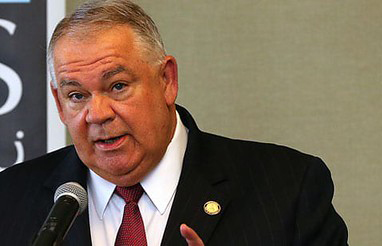
Georgia Speaker Considers Expanded Gambling Bill

Georgia House Speaker David Ralston may introduce legislation proposing a voter referendum to expand gambling beyond the state lottery. The catch is the bill would not define what types of gambling would be allowed. He said if voters approve the ballot issue, lawmakers then will determine how to move forward.

Ralston said, “There is an appetite this session that I haven’t seen before to do something. We’ve tripped over the details of this thing for years. Maybe it’s time that we asked the question of Georgians whether they want to expand gaming, and if they say yes, then we sit down and decide what form it will take, whether it’s going to be sports betting, whether you do horses or destination resorts.”

Longtime gambling opponent Governor Brian Kemp has stated if two-thirds of the legislature and a majority of Georgia voters support the idea, it will pass regardless of his stance. ” It doesn’t matter what I think if they pass a constitutional amendment,” Kemp said.

One drawback to Ralston’s expanded gambling is the timing. If a super-majority of legislators approve his proposal, a majority of voters would have to pass it in November. Then, developing a regulatory framework for whatever expansion would be included could take most of 2023. That means online sports betting most likely wouldn’t launch until late 2023 or early 2024, and that’s if all the moving parts come together quickly.

Lawmakers have sponsored bills to legalize casino gambling, parimutuel betting on horseracing and sports betting in Georgia every year for the last decade. Most of those bills would dedicate a portion of the proceeds to the HOPE Scholarship and pre-kindergarten programs.

Last year, the Senate passed a constitutional amendment that called for a statewide referendum to legalize sports betting, but it never reached the House floor. A coalition of the Atlanta Braves, Falcons, Hawks and Atlanta United announced they will be back this year to lobby lawmakers on behalf of the sports betting measure.

Richmond, Virginia Could Face Competing Referendums

Richmond, Virginia 8th District Councilwoman Reva Trammell is sponsoring a measure that could lead to a second vote on the $565 million One Casino and Resort project, which local voters defeated 51 percent to 49 percent in November.

At the same time, state Senator Joe Morrissey announced he will propose a bill allowing Petersburg, 20 miles south of Richmond, to hold a casino referendum that would prevent a second Richmond referendum for five years.

The ballot measure vote, which failed by 1,500 votes, clearly was divided along racial and geographic lines, with voters in Richmond’s majority white precincts voting 2-to-1 against the project. Voters living closest to the proposed casino location in South Richmond overwhelmingly voted for it.

Morrissey supported the One Casino project, but he said allowing Richmond to vote again would be undemocratic, adding politicians and business leaders would be allowed to continue campaigning on an issue that has been settled.

“That’s not the democratic process. Reva Trammell should know better. I’m a little disappointed. I expected more from her,” Morrissey said.

In response, Trammell stated, “I’m doing what my people have asked me to do. I don’t know why Joe would say that. He knows how bad people wanted it.”

According to Trammell’s bill, city voters would vote on the same project, which would be built near the Phillip Morris manufacturing campus. It was proposed by Urban One and Peninsula Pacific Entertainment, owner and operator of Rosie’s Gaming Emporium and the Colonial Downs racetrack, who pledged to give the city $25 million if chosen. The plan was selected from among other proposals in a competitive bidding process last year.

Project supporters said the casino would provide significant economic benefits for the area, especially for the poor and minority families that live there. Opponents raised concerns about gambling addiction and whether the development would deliver all of its stated benefits, such as 1,500 new permanent jobs, $500 million in tax revenue over the next decade and financial support for city schools and community organizations.

Immediately following the referendum, Trammell began collecting signatures to hold another one and Morrissey began looking into how Petersburg, population 33,000, could hold a casino referendum. Previously, Morrissey and Petersburg officials said they have discussed a casino project with Urban One representatives, but it’s not clear if Urban One wants to try again so soon. Recently they said they will invite multiple proposals if state lawmakers allow the city to hold the referendum.

Following the November vote, Urban One Chief Executive Officer Alfred Liggins wrote an op-ed in the Richmond Free Press, commenting, “The state of Virginia has had a dismal track record when it comes to economic inclusion for African-Americans, especially as it pertains to the award of meaningful contracts and providing equal access to economic development opportunities to Black businesses. While this may be our history, it does not have to dictate our future. The Richmond casino license represents the last opportunity for Black inclusion in Virginia’s casino gambling gold rush.”